
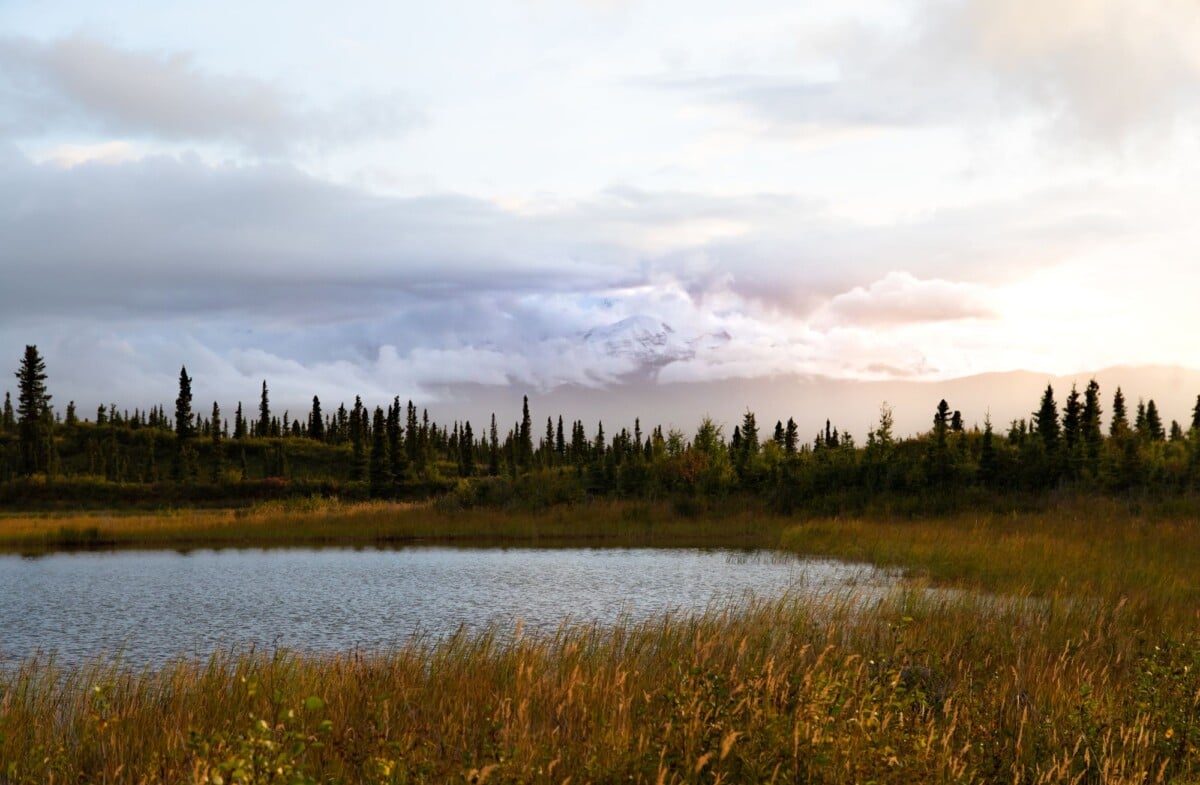
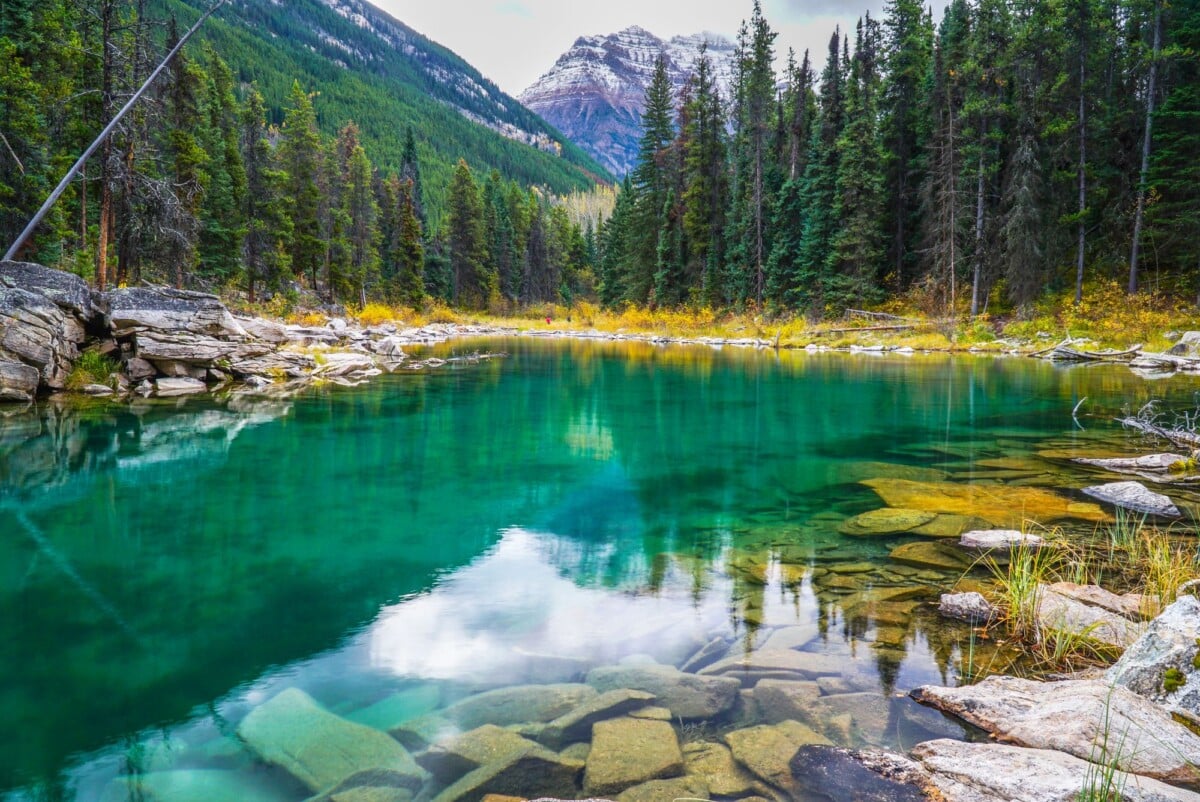
Horseshoe Lake Trail is a 2-mile round-trip hike with about 400 feet of elevation gain in Denali National Park and Preserve. Allow around 1.5 hours for the walk, or longer if you want time to watch for beavers, look for salmon in the Nenana River or sit by the lake for a while.
It is one of Denali’s more manageable short hikes, though it still has a steep descent on the way out and a climb back to the trailhead. Pack layers, water and bear spray, and treat wildlife safety as part of the plan rather than an optional extra.
Horseshoe Lake Trail at a Glance
| Detail | What To Expect |
|---|---|
| Location | Denali National Park and Preserve, Alaska |
| Distance | 2 miles round trip |
| Elevation gain | About 400 feet |
| Typical hiking time | About 1.5 hours |
| Route type | Out-and-back with a lakeside loop section |
| Best suited to | Families, first-time Denali visitors and hikers with a spare couple of hours |
| Key sights | Horseshoe Lake, beaver activity, Nenana River views and forest |
These route figures are published by the National Park Service’s Horseshoe Lake Trail guide. Trail conditions, parking arrangements and shuttle operations can change, so check the park’s current alerts before leaving the visitor centre.
Where Is the Horseshoe Lake Trailhead?
The Horseshoe Lake Trailhead is near Mile 1 of Denali Park Road, close to the railroad tracks and a short distance east of the main Denali visitor area. It is within the stretch of road generally accessible to private vehicles, although the National Park Service can restrict access during construction, road work or unusual conditions.
If you are staying near the park entrance, you can walk to the trailhead, but this adds distance before the hike itself begins. Ask at the visitor centre about that day’s transport options, especially if you are arriving without a car or using the park shuttle system.
Denali is large enough that even a short trail needs a little organising. What Alaska is known for, including national parks, long drives and changeable weather, is useful background when you are planning a wider route.
What the Horseshoe Lake Route Is Like
The trail begins with a descent through spruce and birch forest. It can feel easy at first, particularly when everyone is fresh and keen to reach the water. Keep the return climb in mind, especially if you are walking with younger children, carrying a day pack or tackling it after a long travel day.
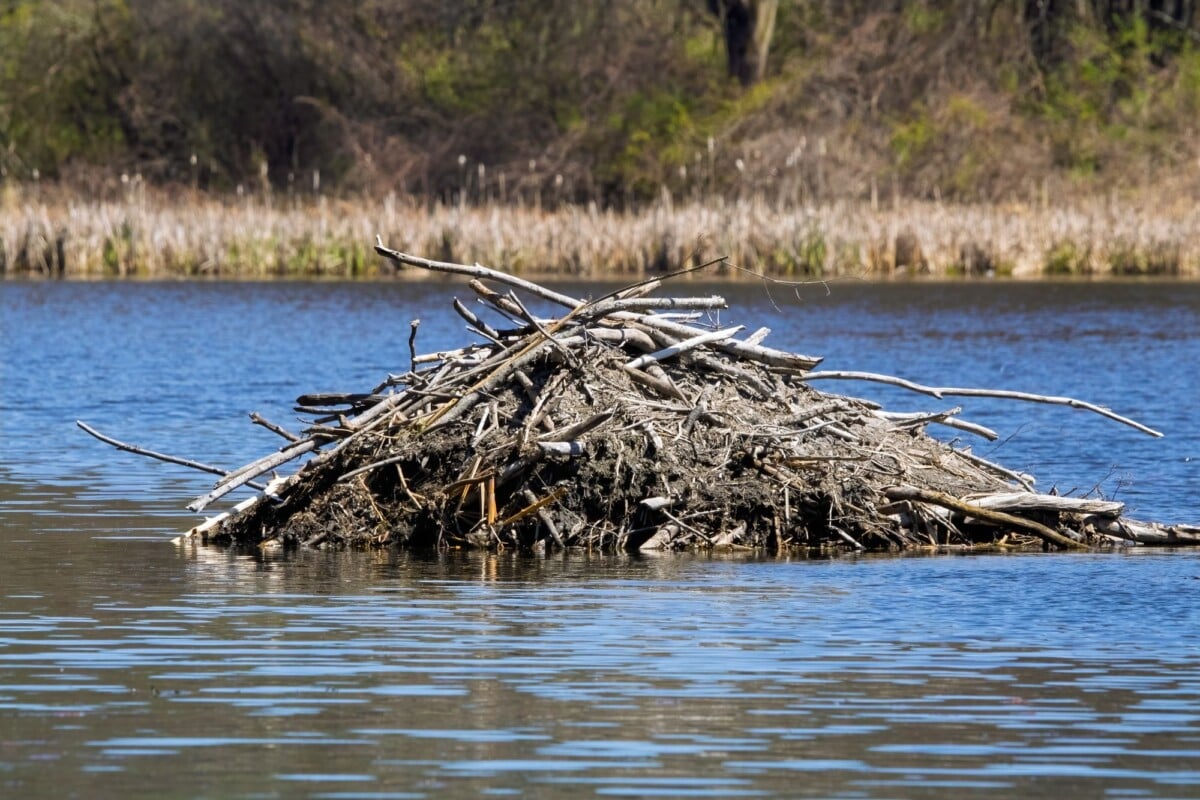
At the lake, the route follows the shoreline through a quieter wooded area. Look for beaver lodges, felled trees and dams, but give animals plenty of space. Never approach a lodge or try to cross a dam. The lake is also close to the Nenana River, where you may see salmon during their seasonal runs.
This is not a wide, paved promenade. Expect natural surfaces, roots, uneven ground and muddy patches after rain. The terrain is modest by Denali standards, but footwear with grip is much more practical than smooth-soled trainers.

We earn a commission if you buy through this link, at no extra cost to you.
How Long Does the Hike Take?
The National Park Service estimates around 1.5 hours for the 2-mile round trip. That suits hikers keeping a steady pace with only brief stops.
Allow closer to two hours if you want time for wildlife viewing, photos, a snack by the water or a slower family pace. Build in extra time after wet weather, when roots and soil can be slippery, and do not schedule the trail too tightly around a bus departure.
When To Hike Horseshoe Lake
Most holidaymakers walk Horseshoe Lake during Denali’s main visitor season, usually late spring through early autumn. Summer brings long daylight hours, although mosquitoes can be active and the trail can be busier around the middle of the day.
Early morning can be quieter and more comfortable for walking, particularly on warm days. Autumn means cooler conditions and changing foliage, but weather can turn quickly and services reduce as the season winds down. A reading of 34F with overcast skies and 82% humidity in September 2026 shows how quickly conditions can feel wintry here (as of September 2026). Snow and ice can make the route more difficult outside the main hiking period.
Carry a waterproof layer even when the forecast looks friendly. Alaska weather has a habit of making a perfectly reasonable plan feel optimistic by lunchtime.
Wildlife Safety on the Horseshoe Lake Trail
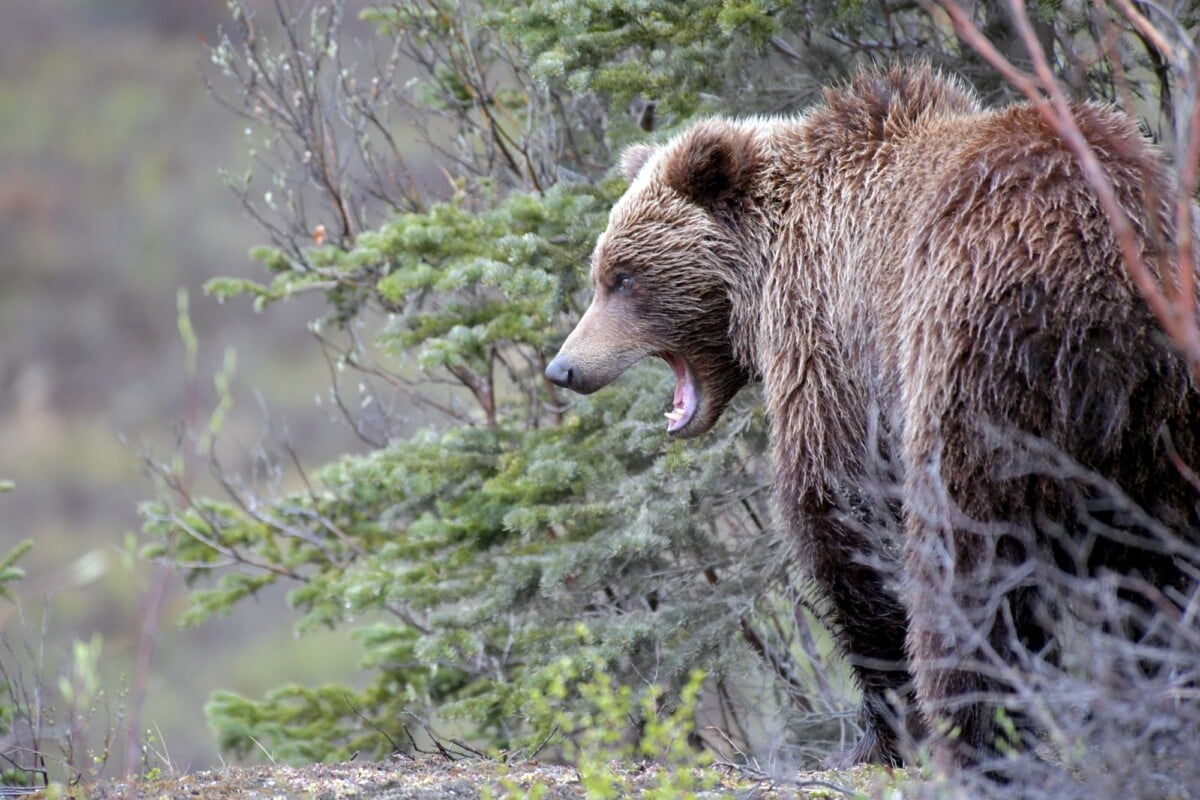
Horseshoe Lake is bear country. Moose, small mammals and birds are also part of the experience, but bear safety should shape how you hike. The National Park Service advises hikers to carry bear spray, keep it immediately accessible and know how to use it before setting off.
Make regular human noise on wooded sections with short sightlines, hike in a group where possible and stay alert around blind corners. Do not wear headphones that block out the sounds around you. If you see a bear, do not run. Follow the park’s current guidance and give it plenty of room.
The park asks visitors to remain at least 25 yards from most wildlife and at least 100 yards from bears. Never feed an animal or leave food unattended. Read Denali’s bear safety guidance before your hike, particularly if this is your first time walking in Alaska.
What To Do If You See a Moose
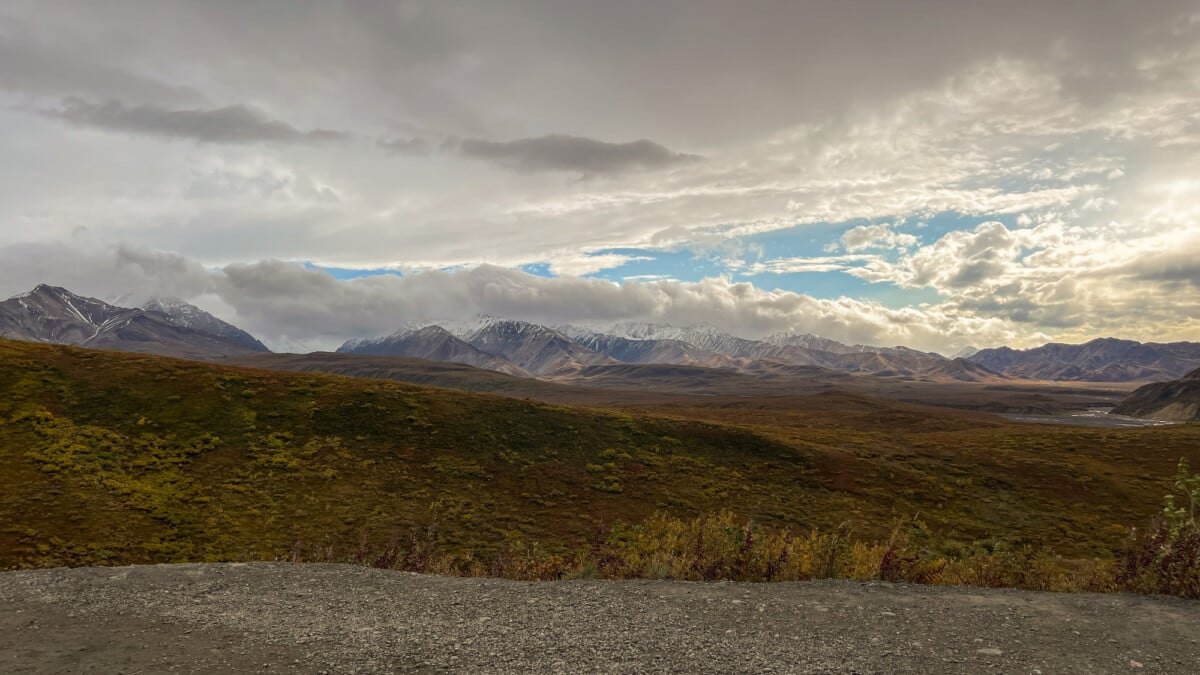
Moose can look calm while still covering ground far faster than a hiker with a phone in one hand. Give them space, do not place yourself between a cow and calf, and back away if a moose blocks the trail. Move slowly and wait for a clear route instead of trying to edge past through brush.
What To Pack for This Denali Hike
You do not need expedition gear for Horseshoe Lake, but Denali conditions reward basic preparation. A small day pack keeps the essentials together and leaves your hands free on uneven sections. Our guide to essential hiking accessories for beginners can help if you are working out what is genuinely useful.
- Bear spray, carried in a holster or accessible pocket rather than buried in your pack
- Water and a snack
- Waterproof jacket and an insulating layer
- Closed-toe hiking shoes or boots with reliable tread
- Insect repellent during mosquito season
- Sun protection, as weather can clear quickly
- Offline map or a paper park map
- Phone and spare battery pack, while remembering that signal can be unreliable
Lightweight hiking shoes and boots can make a meaningful difference on wet roots and loose ground. Break footwear in before your Alaska trip; a new boot and a steep return climb are a poor holiday pairing.
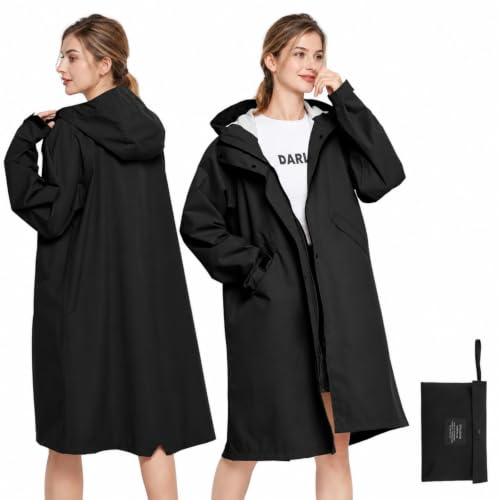
LAMA
LAMA Long Raincoat for Women, Lightweight Rain Coat with Hooded, Waterproof Rain Jacket, Packable…
We earn a commission if you buy through this link, at no extra cost to you.
Can Families Hike Horseshoe Lake?
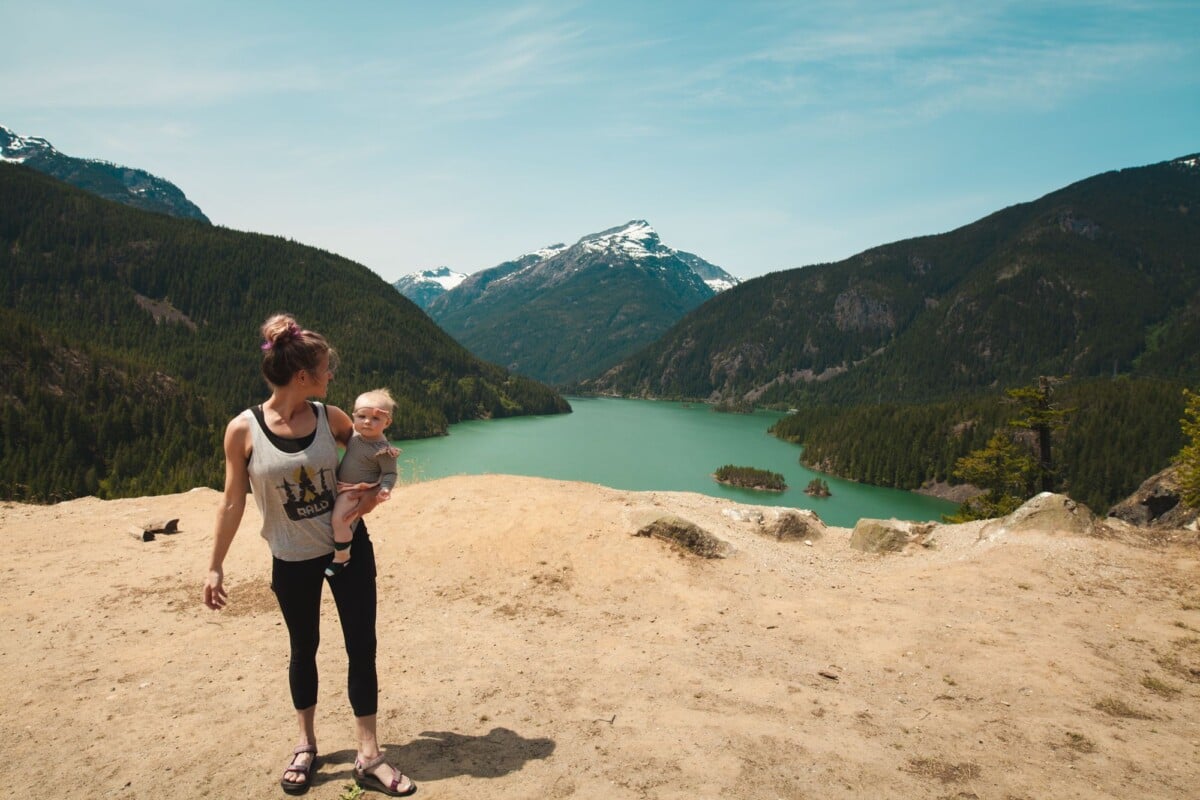
Yes, Horseshoe Lake works well for active families comfortable with a short but noticeable hill. The route is compact enough for a half-day plan, and the lake gives children a clear destination beyond simply walking through trees.
Keep younger children close, especially near the lake and river, and be ready to turn around if wildlife is nearby. A child carrier may be more practical than a buggy because the trail has natural, uneven surfaces and sections unsuitable for wheels.
Useful Tips for a Smoother Visit
- Check conditions at the Denali Visitor Center on the day of your hike.
- Use the toilet facilities before starting, as services on the route itself are limited.
- Start with enough daylight to finish without rushing.
- Keep food packed away and take all rubbish with you.
- Stay on the marked trail to protect vegetation and reduce the chance of surprising wildlife.
- Save the trail map offline before entering the park, as mobile coverage is not dependable.
If Horseshoe Lake feels like a good warm-up, build your next hikes gradually. The same sensible approach applies on more demanding US trails: check elevation, surface, weather and your turnaround time before committing.
Frequently Asked Questions
Is Horseshoe Lake Trail free?
Denali National Park does not charge an entrance fee, so there is no separate fee to hike Horseshoe Lake Trail. Some transport services and organised activities in the park do charge, so confirm current arrangements with the National Park Service.
How difficult is the Horseshoe Lake Trail?
Horseshoe Lake is generally an easy-to-moderate hike because it is short, but the roughly 400-foot elevation change includes a sustained return climb. Hikers with limited mobility or knee problems may find the uphill section more demanding than the distance suggests.
Can I swim in Horseshoe Lake?
Horseshoe Lake is cold and undeveloped for swimming. Treat the route as a wildlife and lakeside walking trail, and take water safety and changing conditions seriously around both the lake and nearby Nenana River.
Do I need bear spray for Horseshoe Lake Trail?
Bear spray is strongly recommended for hiking in Denali, including short established trails such as Horseshoe Lake. Carry it where you can reach it quickly, follow park guidance and do not rely on bear bells as your only wildlife precaution.
Can I take my dog on Horseshoe Lake Trail?
Pets are allowed in some developed areas of Denali National Park but are prohibited on trails and in the wilderness. Check the National Park Service’s current pet rules before travel, as the restriction applies to Horseshoe Lake Trail.