
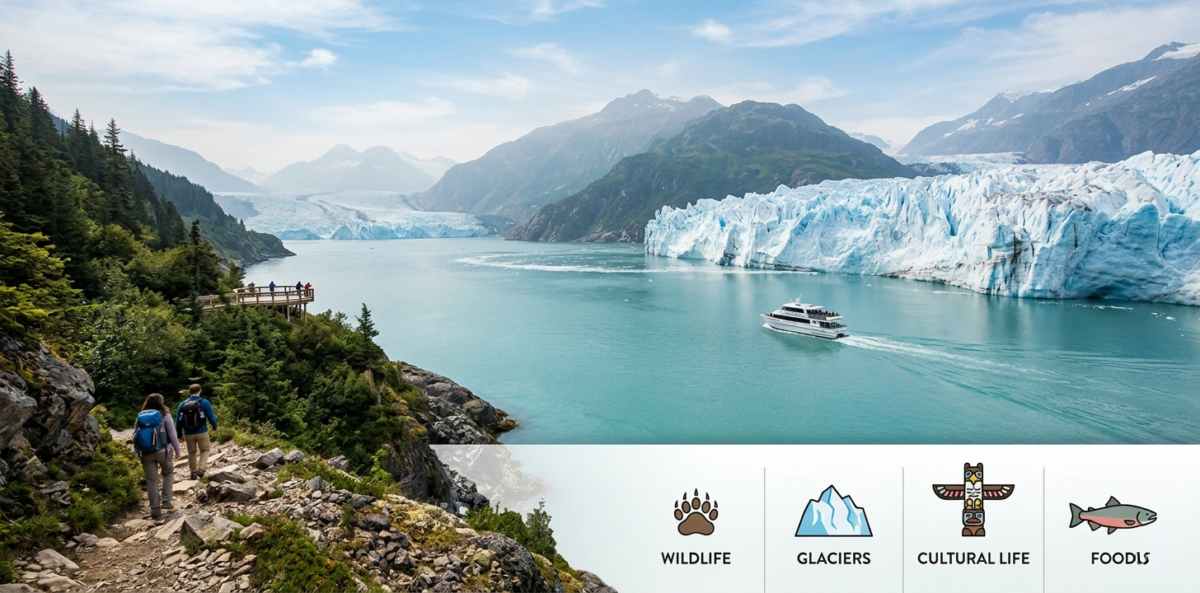
Many people picture Alaska as one continuous wilderness, but the reality that greets most visitors is more varied: dramatic landscapes, seasonal logistical constraints, and small urban hubs that act as gateways for deeper exploration.
This article explains why travelers go to Alaska, what parts of its reputation are accurate, what tends to surprise visitors, and the practical planning details first-timers should know: costs, travel times, transport options, and what to expect on the ground.
Alaska’s Iconic Features: Glaciers, Mountains, and Wildlife
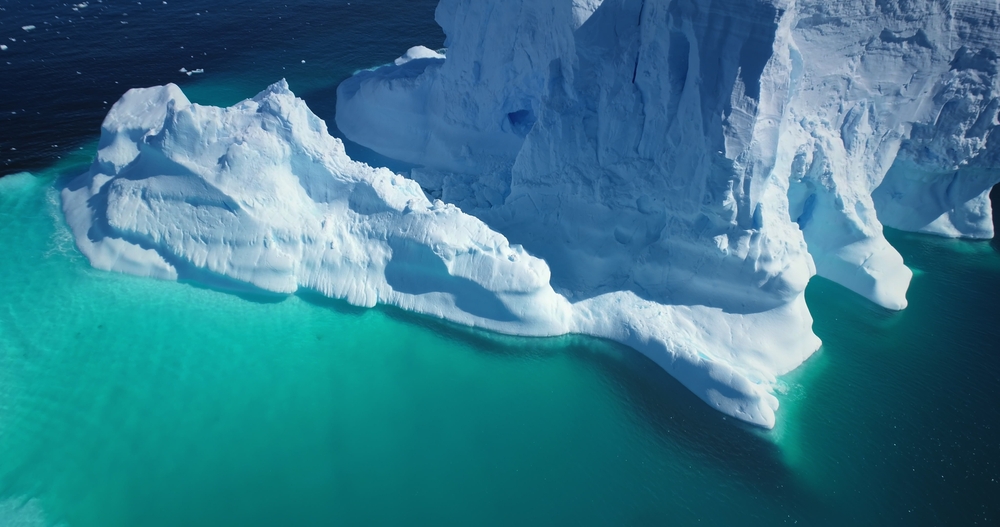
Alaska is famous for its large-scale natural features, particularly glaciers, vast mountain ranges, and concentrations of wildlife such as bears, moose, and marine mammals. Visitors most often see these on a mix of land and sea excursions, from boat trips through fjords to short hikes near accessible glaciers.
Expect variability: a glacier-viewing boat in a national park presents a different experience from a roadside icefield near an interstate highway. For official park information, consult the National Park Service pages for specific parks, and the state tourism site at Alaska.org for seasonal advisories.
Many of the wildlife-viewing experiences are driven by timing and location, not luck alone: concentrated viewing opportunities occur where food sources funnel animals into predictable areas, which is why most organized tours emphasize specific routes and seasons.
Glaciers and accessible viewing
Glacier access ranges from roadside pullouts to multi-hour boat trips. Boat trips allow close-up viewing but bring higher costs and time commitments; roadside viewpoints are free or low-cost but more distant.
For authoritative glacier safety and access notices, check the National Park Service pages relevant to the glacier you plan to visit.
Wildlife: where and when to look
Coastal areas and river mouths are prime places to see marine mammals and salmon runs; alpine tundra and forest edges are where moose and bears are most likely. Organized viewing with qualified guides increases the chance of sightings while reducing disturbance to animals.
For up-to-date wildlife rules and safety guidelines, consult state resources such as the Alaska Department of Fish and Game.
Does the Reputation Match Reality?
Short answer, partially. Alaska delivers on scale and the feel of remoteness, but most visitors experience that remoteness via structured tourism: cruises, day tours, or park services rather than independent multi-day backcountry treks.
Many iconic images are concentrated in accessible corridors, which means you can get classic experiences without extreme wilderness skills, but you will encounter other tourists in those corridors during peak season. For planning transport corridors and schedules, use the Alaska Railroad and the Alaska Marine Highway System sites.
Expect structured experiences
Popular glaciers, whale-watching routes, and bear-viewing platforms are serviced by multiple operators; that infrastructure reduces unpredictability but adds cost and requires reservations during high season. Book early for reservation requirements and peak travel periods.
Crowds and seasons
Crowds concentrate around cruise ports and national park visitor centers in summer. For fewer people, consider shoulder seasons in late spring or early fall, but check weather and daylight trade-offs first. Use official park or operator calendars to confirm opening dates.
Cultural Life and Indigenous Heritage
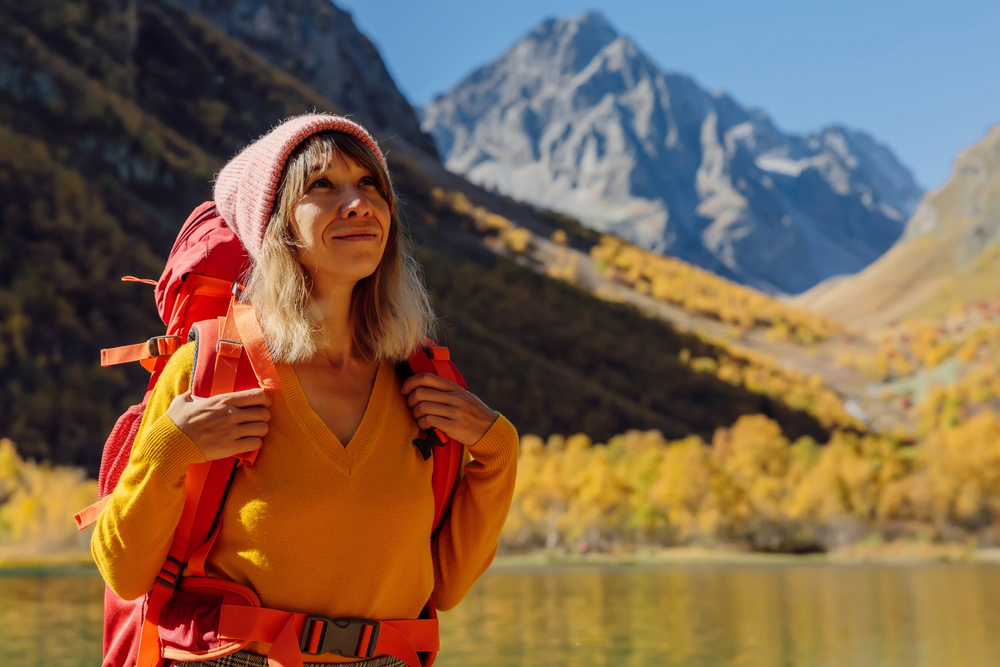
Alaska has a strong Indigenous presence, expressed through art, dance, languages, and seasonal subsistence activities. Travelers who seek cultural understanding should prioritize visits to community-run cultural centers, museum exhibits, and public festivals where hosts control the narrative and timing.
Expect curated public displays in larger towns and deeper, invitation-based experiences in villages. For museum resources and cultural program calendars, consult the Anchorage Museum and regional cultural centers’ official sites.
Respectful behavior matters: follow local guidance on photography, asking permission, and purchasing from Indigenous artists to support local economies.
What cultural experiences look like
Public cultural demonstrations and museum exhibits provide context for Indigenous histories and contemporary life, but genuine community-based experiences require advance planning and often are limited by small-village capacity.
Contact cultural centers directly for program schedules and to learn about appropriate donation or ticketing practices.
Food and Regional Specialties
Food in Alaska centers on local seafood, game, and foraged ingredients. Expect high-quality salmon, halibut, shellfish, and in some places, locally sourced reindeer or muskox in specialty dishes.
Dining ranges from casual fish-and-chip stands in port towns to more formal restaurants in urban centers. Prices are typically higher than the U.S. lower 48 because of transport and seasonality, so budget accordingly: casual meals might range in the low tens, while sit-down dinners often fall into the mid-range or higher depending on location and sourcing.
Buy local directly at markets when possible, and look for venues that clearly note local sourcing and sustainable practices.
Where to find local food
Anchorage and other regional hubs have the broadest selection of restaurants and markets; smaller towns often have a single restaurant or community co-op that sources local ingredients. Expect limited hours outside peak season.
What People Get Wrong About Alaska
People often overgeneralize: Alaska is not uniformly remote, nor is every trip an adventure with guaranteed wildlife encounters. Infrastructure is concentrated; many iconic scenes are accessible from towns and tour operators.
Another common mistake is underestimating travel times. Distances look small on a map but can require long drives, ferry rides, or multiple flights. Plan for logistics rather than assuming short hops.
Finally, safety misunderstandings are common. Wildlife is not tame, and simple mistakes like leaving food unattended or hiking without bear-aware precautions create preventable incidents. Follow state and park safety guidance.
Typical overgeneralizations
Assuming you’ll see bears or whales without planning for the correct season and habitats, or believing that all roads are paved and populated are frequent errors. Research the specific region and season before booking.
What First-Time Visitors Notice Most
First-timers commonly comment on three things: scale, seasonal daylight, and the patchwork of services. Distances and landscape scale are immediate: mountain ranges and icefields create visual scale that feels bigger than expected.
Daylight varies dramatically by season, affecting activity planning, photography, and fatigue. In midsummer, late sunsets extend activity hours; in shoulder seasons, shorter days compress itineraries. Current conditions show typical summer weather of around 56°F with overcast skies and moderate humidity (as of June 2026), so pack layers and be prepared for variable conditions.
Services are concentrated in hub towns. Expect reliable facilities in places like Anchorage and Juneau, but limited options beyond them. Plan fuel, groceries, and lodging in advance when traveling between towns. Some mostly abandoned Alaska towns take serious effort to reach, which underscores why advance planning is critical.
Disclosure: This section may contain affiliate links. If you book through the map below, we may earn a commission at no extra cost to you.
[rtb_stay22_map city=”Alaska” venue=”Alaska” campaign=”twoscotsabroad_alaska_what-is-it-known-for-what-is-it-famous-for”]Transportation impressions
Travelers note that the most convenient travel modes are often boats or small planes in certain regions, and that scheduled services can be infrequent. Expect to coordinate timetables, and allow buffer time for weather-related delays. If events interest you, the calendar from June through October 2026 includes festivals and concerts like the Alaska State Fair in August (with acts including Megadeth and AJR), which can shape your itinerary and accommodation needs.
Practical Planning: Costs, Transport, and Time
Budget realistically. Daily costs vary by style: conservative travelers who cook and camp can manage on a tighter budget, while those relying on guided tours, boat trips, and restaurants should expect higher daily rates. Always check current pricing with operators.
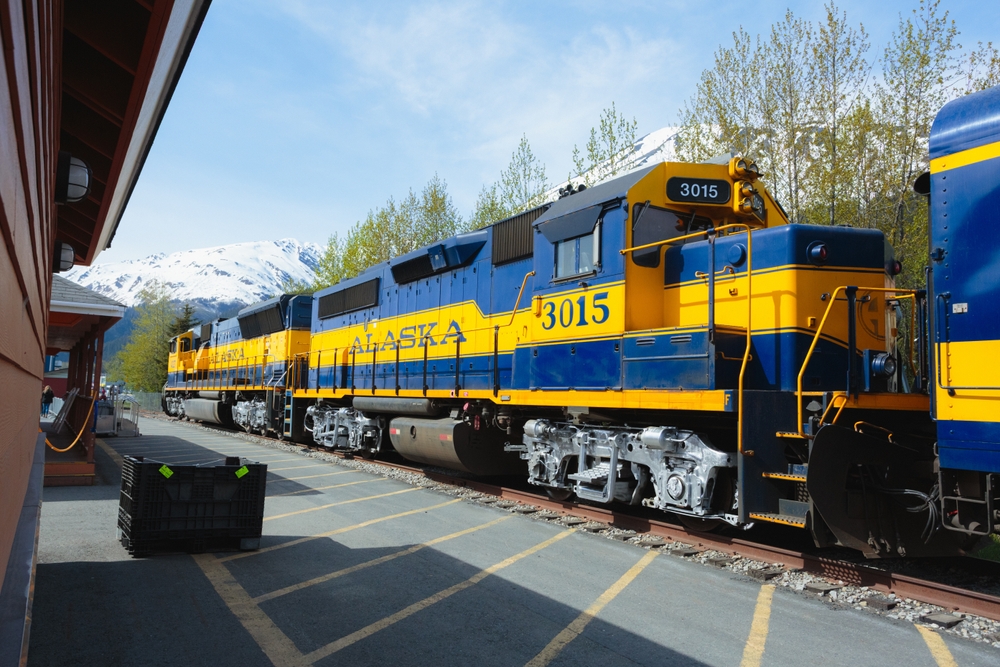
Transport choices shape the trip: the Alaska Railroad serves a handful of corridors, the state ferry connects coastal communities, and regional airlines link remote towns. Overland drives can be long; plan for travel times that include frequent stops and lower speed limits on rural roads.
Reservations are often necessary for popular routes and services during summer. Confirm reservation requirements for lodges, train seats, and boat trips well in advance.
Estimated costs and budgeting
Expect higher costs for fresh food, guided excursions, and inter-town transport. Typical ranges depend on season and location; verify with providers before committing to an itinerary. Budget for emergency contingencies and fluctuating fuel prices.
Booking and timing advice
Book key components early: major scenic train sections, national park shuttle services, and glacier boat trips sell out in peak months. For official transport timetables and fare details, reference the Alaska Railroad and the Alaska Marine Highway System sites.
Practical Travel Tips
- Plan travel windows with buffer days, weather can cause delays for ferries, small planes, and some tours.
- Book key services early in summer, especially train seats, cruise-adjacent excursions, and popular glacier-boat trips, due to reservation requirements.
- Pack layered clothing rather than relying on a single heavy coat; expect variable weather even in summer and check regional forecasts before departure.
- Carry cash or an alternate payment method in smaller towns; while cards are common, some vendors prefer cash or have limited connectivity.
- Respect wildlife rules: maintain distance, secure food, and carry approved deterrents where recommended; review state park guidelines beforehand.
- If driving, refuel whenever possible; service stations can be sparse between hubs, and road conditions can extend travel times.
- Use official sources for permits and alerts: National Park
