
The best time to visit Southeast Asia to avoid humidity is usually November to February, especially in Thailand, Vietnam, Cambodia, and Laos. If you want the broadest window of drier air and more comfortable sightseeing weather, that is the safest answer.
There are a few important exceptions. Bali and much of Indonesia tend to be drier from April to October, while Malaysia, Singapore, and the Philippines follow their own rainfall patterns and can feel humid at almost any time of year. If Singapore is on your list, this best time to visit Singapore humidity guide helps set expectations before you land and immediately wonder why your T-shirt has given up.
Southeast Asia is tropical, so no month is truly crisp in the way Tokyo or Madrid might feel in winter. But if your goal is fewer sticky afternoons, fewer monsoon downpours, and easier city walking, timing makes a big difference.
Best Time To Visit Southeast Asia To Avoid Humidity
For most mainland trips, plan around November, December, January, or February. Across the region, these months are widely associated with drier conditions, lower humidity, and slightly cooler temperatures than the hot season that follows.
This is the sweet spot for places such as Bangkok, Chiang Mai, Hanoi, Ho Chi Minh City, Siem Reap, and Luang Prabang. You still get warm weather, often around 30°C in many lowland areas, but the air usually feels easier to handle than it does from late spring into the monsoon months. Recent seasonal averages still line up with that pattern, with January highs commonly around 32°C in Bangkok, 26°C in Hanoi, and 30°C in Siem Reap (as of July 2026).
For island trips, the pattern shifts. Bali is often best from April to October, and some beach areas in Thailand and Vietnam are most reliable from November to early April. The map in your head needs to be regional, not just “Southeast Asia.” That is the part people tend to underestimate while booking six countries in 18 days.
Mainland Southeast Asia: The Easiest Low-Humidity Window
If your itinerary includes Thailand, Cambodia, Laos, and Vietnam, the simplest advice is to travel between November and February. Those months line up with the dry season across much of the mainland and are usually the most comfortable for temples, markets, walking tours, and long overland travel days.
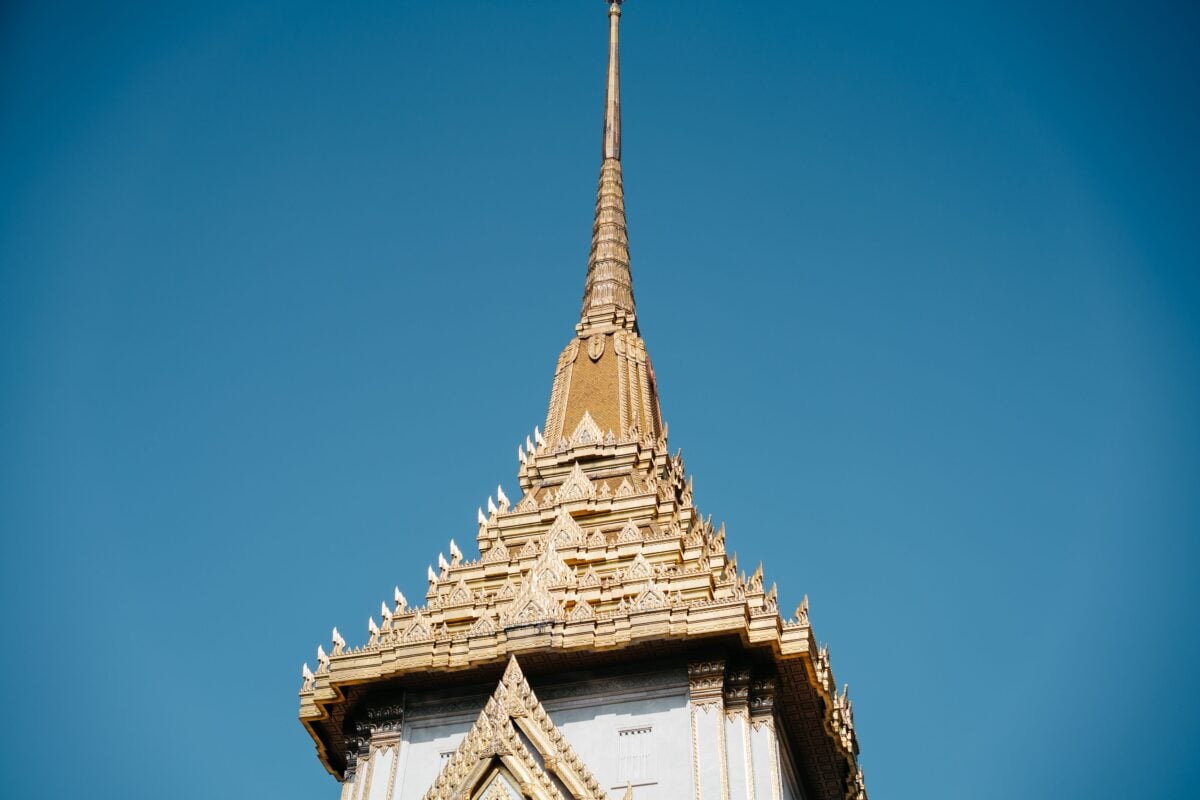
In Bangkok, this is the time when wandering around the Grand Palace or crossing the river to Wat Arun feels far more manageable than it does during the hotter, wetter part of the year. In Siem Reap, mornings at Angkor Wat are still warm, but they are generally less draining than late spring afternoons. In January, early morning humidity in both cities still sits high by European standards, but it usually drops enough overnight to make sunrise starts feel far less punishing than an April midday stomp around temple stone.
Northern Vietnam and northern Thailand can also feel cooler at night during this stretch. Cities like Hanoi and Chiang Mai are good examples, particularly if you want to spend long days outside rather than move from café to air-conditioned taxi to shopping mall. Hanoi can dip into the mid-to-high teens Celsius on winter evenings, while Chiang Mai mornings in December and January are often cool enough for a light layer.
Best Months for Mainland Routes
- November to February: Best overall balance of lower humidity, dry weather, and comfortable sightseeing.
- March to May: Much hotter and usually more humid, with some inland cities turning properly sweltering. April is often the toughest month for heat in Bangkok, Phnom Penh, and inland Thailand.
- June to October: Monsoon season in many mainland areas, with heavier rain, higher humidity, and occasional flooding in parts of Cambodia and Vietnam, including the Mekong region.
Island and Equatorial Exceptions You Should Actually Plan Around
Not every country follows the mainland pattern. Indonesia, Malaysia, Singapore, and the Philippines have different seasonal rhythms, and that changes the answer if you are building a beach trip. Of the four, only Indonesia is actually crossed by the Equator, as our guide to countries on the Equator explains.
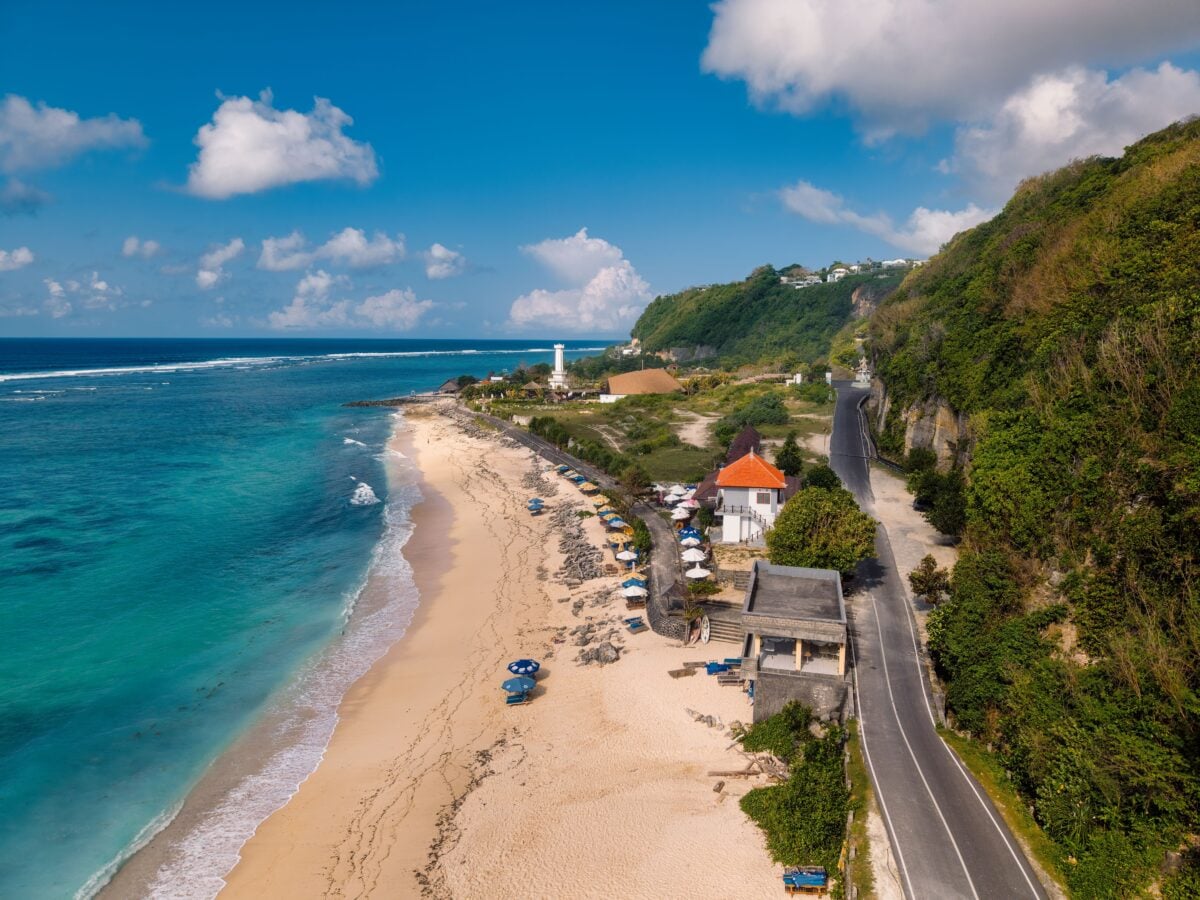
Bali is the big exception people care about most. Its drier season usually runs from April to October, and August is often one of the driest months. If you are choosing between Bali and Bangkok in July, Bali generally gives you the better shot at lower humidity and fewer long rain spells. Daytime humidity still exists, obviously, but the dry-season difference is noticeable enough that people talk about finally being able to walk around without feeling permanently steamed.
Singapore stays humid year-round because of its equatorial climate. You can still have a great trip, but there is no magic month when it suddenly feels airy. Expect warm, sticky weather, with showers that can clear the air briefly before the humidity returns like it paid rent. Afternoon relative humidity regularly pushes above 70%, and mornings often start higher (as of July 2026).
Malaysia is more complicated because the east and west coasts can behave differently, and the Philippines has monsoon exposure from roughly mid-year into autumn in many areas. In practical terms, if humidity is your top priority, those two countries need destination-specific planning rather than broad regional assumptions. The east coast of Peninsular Malaysia is usually at its wettest from roughly November to January, while Manila and many central Philippine destinations are generally drier from about December to May.
A Simple Month-By-Month Guide
| Months | Best For | Humidity Outlook | Watch Outs |
|---|---|---|---|
| November to February | Thailand, Cambodia, Laos, Vietnam | Generally the least humid stretch across much of mainland Southeast Asia | Peak travel season in popular places like Bangkok and Siem Reap, plus smoky air can affect northern Thailand from late February into March |
| January to March | Parts of Indonesia and the Philippines | Often drier in some island areas, though patterns vary | Malaysia and Singapore can still see rain and steady humidity |
| April to June | Bali and some Indonesian trips | Drier in Indonesia, but hotter and more humid in much of the mainland | Bangkok and inland Cambodia can feel very hot, with April often hitting the annual heat peak |
| June to October | Budget trips where rain is acceptable | Higher humidity in much of mainland Southeast Asia | Monsoon rain, flooding risk, and disrupted ferry or road plans in some areas |
Where Humidity Is Usually Most Manageable
If you want the best odds of comfortable weather, these combinations work well:
- Bangkok, Chiang Mai, and Siem Reap in December or January
- Hanoi and northern Vietnam from November to February
- Bali from June to September
- Thailand and Vietnam beach trips from November to early April
That does not mean other months are bad. It means these windows give you the best chance of avoiding the heavy, wrapped-in-a-wet-blanket feeling that defines the region at its muggiest. If you are comparing tropical seasons more broadly, it can also help to look at timing guides for other humid destinations such as the best time to visit Ghana.
When To Avoid If Humidity Bothers You
If you dislike sticky heat, the hardest period is usually April through October in much of mainland Southeast Asia. April and May can be particularly rough because the air can feel hot and still even before the heaviest monsoon rain settles in.
June to October often brings the full humid-season experience across the mainland. That can mean flooded streets, muddy rural roads, and steamy afternoons in cities such as Phnom Penh, Ho Chi Minh City, and Bangkok. Some people love the dramatic skies and greener landscapes. Some people also love saunas. The overlap is not total, but it is there. It is also the season when beach ferries can get choppy, rural buses run late, and online trip chatter fills up with complaints about soaked shoes, surprise downpours, and laundry that never quite dries. Malaysia and Indonesia both make the top 10 of the wettest countries in the world.
If you are sensitive to heat or traveling with small children, older relatives, or a packed sightseeing plan, these months usually demand more breaks, more hydration, and more patience.
How To Plan a Low-Humidity Multi-Country Trip
The best regional itinerary usually follows one of two patterns.
Option 1: Mainland Circuit
Go in November to February and combine Bangkok, Chiang Mai, Siem Reap, Luang Prabang, and Hanoi. This is the easiest version of the classic Southeast Asia route if comfortable weather matters more than bargain pricing.
Option 2: Indonesia-Focused Trip
Go in June to September and build the trip around Bali and other parts of Indonesia. This works particularly well if your trip is more about beaches, diving, and villas than temple-hopping in inland mainland capitals.
If you are mixing mainland Southeast Asia with Singapore or Kuala Lumpur, accept that humidity may jump even within the same trip. Packing for “dry season” in Southeast Asia does not mean desert conditions. It means manageable tropical weather. If your routing includes Singapore before or after Thailand, this Singapore humidity guide is a useful reality check.

We earn a commission if you buy through this link, at no extra cost to you.
Where To Stay for the Driest Stretch of a Mainland Trip
If you are traveling in January, a simple base like Bangkok works well for a first stop because it connects easily to regional flights and trains before you continue to Chiang Mai, Siem Reap, or Hanoi. Staying near the Sukhumvit or Riverside areas usually makes city logistics easier, especially when you want quick access to transit and air-conditioned breaks between outdoor sights.
Humidity, Rain, and Crowds: The Trade-Off
The least humid months are also some of the busiest. January and February are popular across much of the mainland, and major sights can be crowded. At places like Angkor Wat and Bangkok’s central temples, earlier starts help.
The wet season has upsides. Flights and accommodation can be cheaper, rice fields in Cambodia and Vietnam look greener, and showers are often intermittent rather than all-day washouts. But if your main goal is comfort, not savings, the drier season remains the better bet.
For broader climate context, you can also compare how tropical humidity stacks up globally in our guides to the most humid countries in the world and the least humid countries in the world.
Practical Tips for Dealing With Southeast Asia Humidity
- Start early. In cities like Bangkok and Hanoi, outdoor sightseeing is much easier before late afternoon heat builds.
- Choose direct transport when you can. Long bus transfers during monsoon months can feel much longer than they look on a map.
- Keep beach and mainland trips separate. A low-humidity Thailand-Cambodia route and a dry-season Bali holiday do not share the same best months.
- Expect humidity even in the “best” season. Dry season in the tropics still means warm weather and some sweating. The goal is less humidity, not none.
FAQ
What Is the Least Humid Month in Southeast Asia?
January is often the safest single answer for a broad Southeast Asia trip, especially across Thailand, Cambodia, Laos, and Vietnam. It sits in the middle of the dry season in much of the mainland and usually avoids the hotter buildup that follows later in spring.
Is December or February Better for Southeast Asia?
Both are strong choices, but December and January often feel slightly more comfortable than late February in some inland areas. February is still good for most mainland routes, though temperatures can begin creeping upward.
Is Bali Better Than Thailand for Avoiding Humidity?
Bali is usually better from April to October, while much of Thailand is usually better from November to February. The better choice depends entirely on your travel month.
Can You Visit Southeast Asia During Monsoon Season?
Yes, and many people do. June to October can bring lower prices and greener scenery, but also higher humidity, heavier rain, and more weather disruption in parts of the region.
Which Southeast Asia Cities Feel Most Comfortable in Dry Season?
Chiang Mai, Hanoi, Siem Reap, and Bangkok are all easier to handle in the dry-season months, especially from November to February. Northern cities can also feel cooler at night than lowland tropical capitals.
