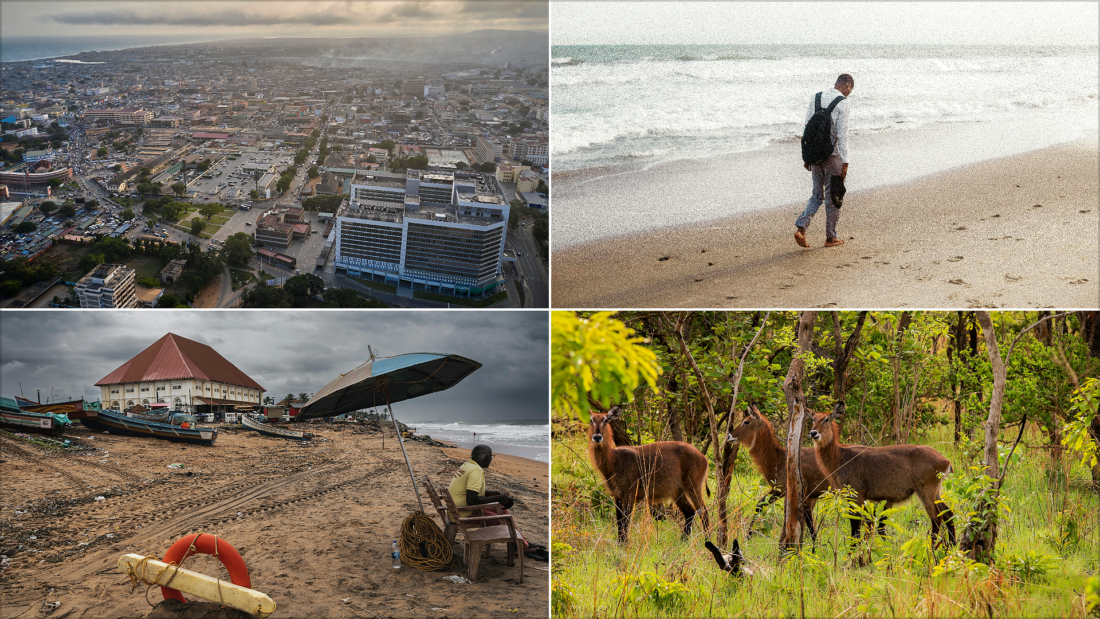
The best time to visit Ghana is during the dry season, from October to March. Rainfall is minimal, roads are reliable, wildlife is easier to spot, and coastal weather is at its most pleasant. January is widely considered the single best month, combining easy travel conditions with excellent wildlife viewing at Mole National Park.
That said, the right time for you depends on your priorities. Wildlife, beaches, festivals, budget travel, and northern Ghana each have their own sweet spots.
Quick Answer
| Goal | Best Time |
|---|---|
| Overall best conditions | October to March |
| Wildlife (Mole National Park) | January to March |
| Beach and coastal travel | November to April |
| Cultural festivals | July to December |
| Budget travel | April to September |
| Avoid entirely | September (heaviest rains) |
Ghana’s Two Seasons Explained
Ghana sits just north of the equator, so temperatures stay high year-round, often approaching or exceeding 30°C. Seasons are defined by rain, not temperature. Right now in April 2026, Ghana is sitting at 89°F with broken clouds and relatively low humidity at 33% (as of April 2026), which is a decent snapshot of the transition into the wet season before things get truly soggy.
Dry season (November to March): Harmattan winds blow in from the Sahara, bringing haze and dust from December onward. Skin dries out and visibility can drop, but rainfall is negligible and roads are in good shape. This is the high season for tourism.
Rainy season (April to October): Rain patterns differ by region. In central and southern Ghana, the heaviest rains fall in April, May, and June, with a brief lull in July and August before a shorter wet spell in September through mid-November. In the north, rains run from March to September, and the dry soil means flooding and blocked roads are a real risk when heavy rain arrives.
Humidity along the coast sits above 80 percent for much of the year, so the dry season relief is noticeable.
Month-by-Month Breakdown
January is the easiest month to visit Ghana. Weather is dry, temperatures are manageable, and wildlife viewing at Mole National Park is at its best. Elephants are easier to find, and road conditions are reliable across the country. Google Trends data backs this up too, with search interest in “Ghana travel” peaking in November, December, and January, and the trend is rising overall. People are clearly catching on.
February stays hot, dry, and sunny. Good for walking in the south and beach days on the coast. Harmattan dust is still present but travel conditions remain solid.
March is the hottest month in Ghana, with daytime temperatures regularly above 30°C in most of the country and above 40°C in the north. Sporadic rain starts appearing, mainly in the north, signalling the approaching rainy season. Still a good time to visit, but pack accordingly.
April marks the start of the rainy season in central and southern Ghana. Humidity rises, and travel in the interior can become unpredictable. Prices begin to drop.
May brings heavy rain and high humidity, which can disrupt travel. The Aboakyer Festival, associated with the Efutu and Winneba peoples, takes place this month.
June is the wettest month, especially in the north where flooding is a genuine hazard.
July sees reduced rainfall in the south and cooler temperatures in the north. The biannual Panafest takes place in July, making it worth considering for festival-focused travellers despite the mixed weather.
August is the coldest month of the year and hosts Founders’ Day, which commemorates Ghana’s independence. Weather is mixed but manageable.
September is the weakest month to visit. Rainfall is at its heaviest, road conditions are poor, and Harmattan dust starts returning. Prices are at their lowest, but the trade-off is significant. Avoid if possible.
October is a shoulder month. Rains are easing, wildlife viewing improves, and the coffee harvest brings cultural activity. Tourist numbers are low, so prices are still reasonable.
November sees the dry season return. Harmattan winds pick up, causing tickly throats and itchy eyes for some visitors, but travel conditions are good and tourist numbers start rising.
December is high energy. The Afrochella festival, celebrating African music, fashion, art, and culture in Accra, and the AfroFuture Festival both take place this month. Christmas brings significant domestic travel. Harmattan haze is present but does not seriously disrupt plans. Honestly, if you’re the type who likes to combine a cultural trip with a bit of a party, Detty December in Accra is hard to beat. If you’re also considering the best islands to visit in December, Ghana’s coast could easily be part of a wider itinerary.
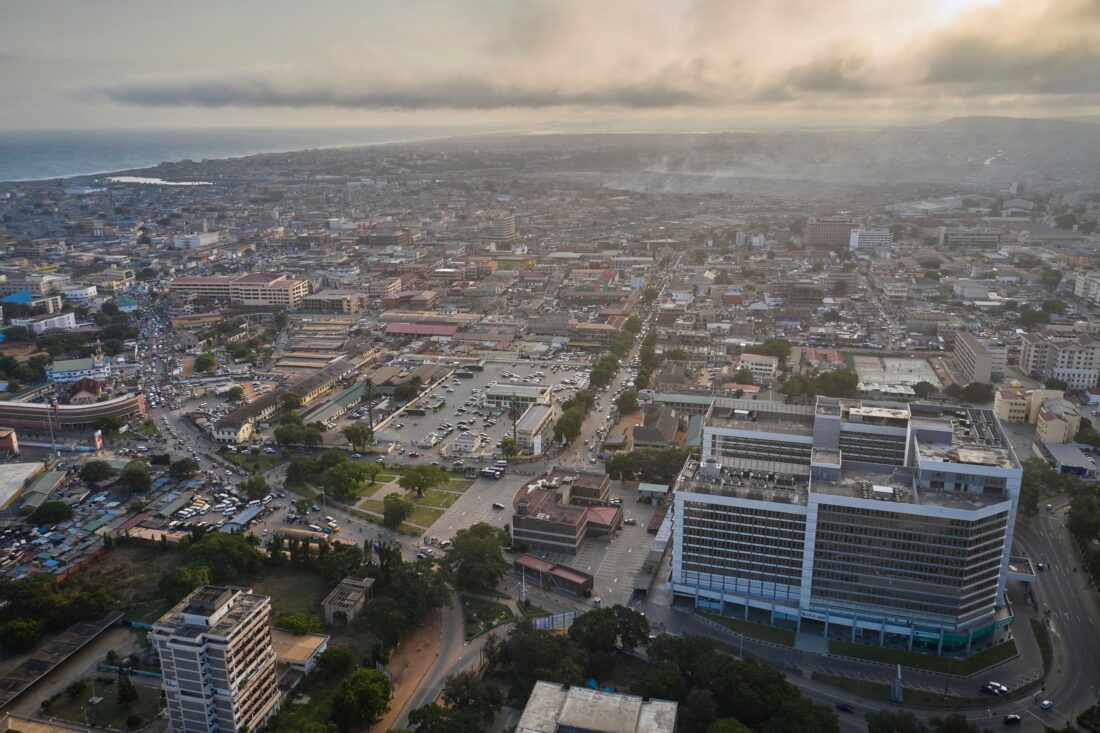
Accra, Ghana
Best Time for Wildlife: Mole National Park
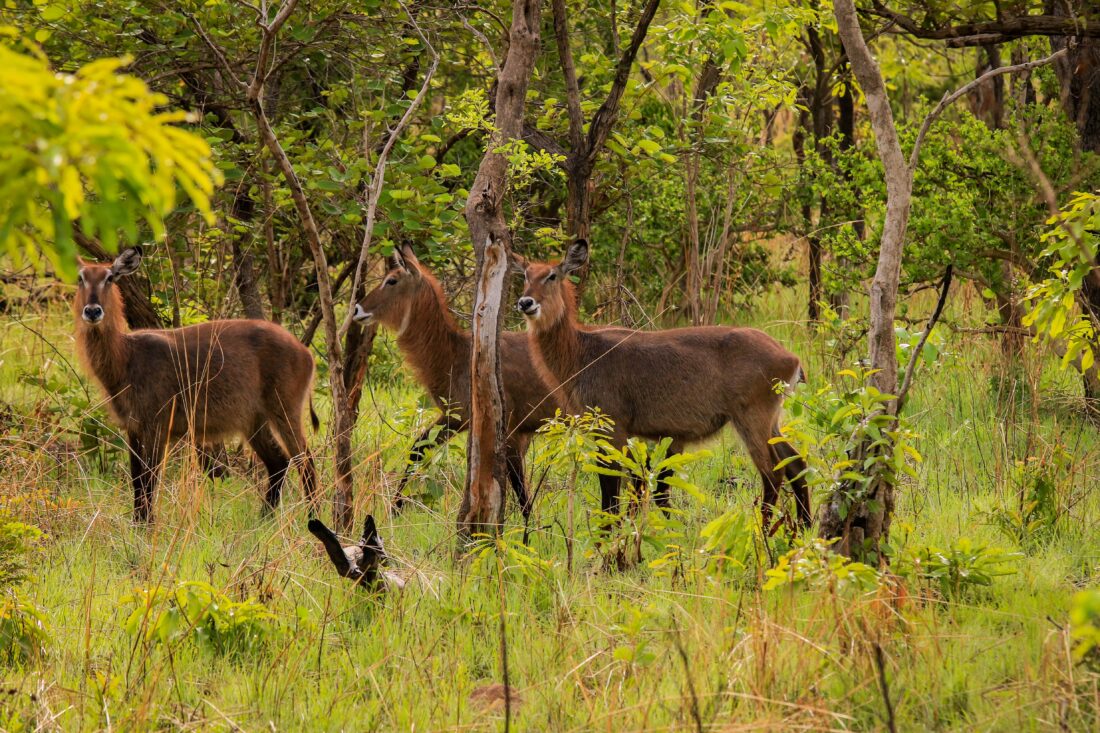
Mole National Park is Ghana’s premier wildlife destination, and the dry season from November to March is when it delivers. Water sources shrink, so animals including elephants concentrate around remaining waterholes, making them far easier to observe. January is the peak month for this.
During the rainy season, vegetation is dense and animals disperse, making sightings harder.
Best Time for Beaches
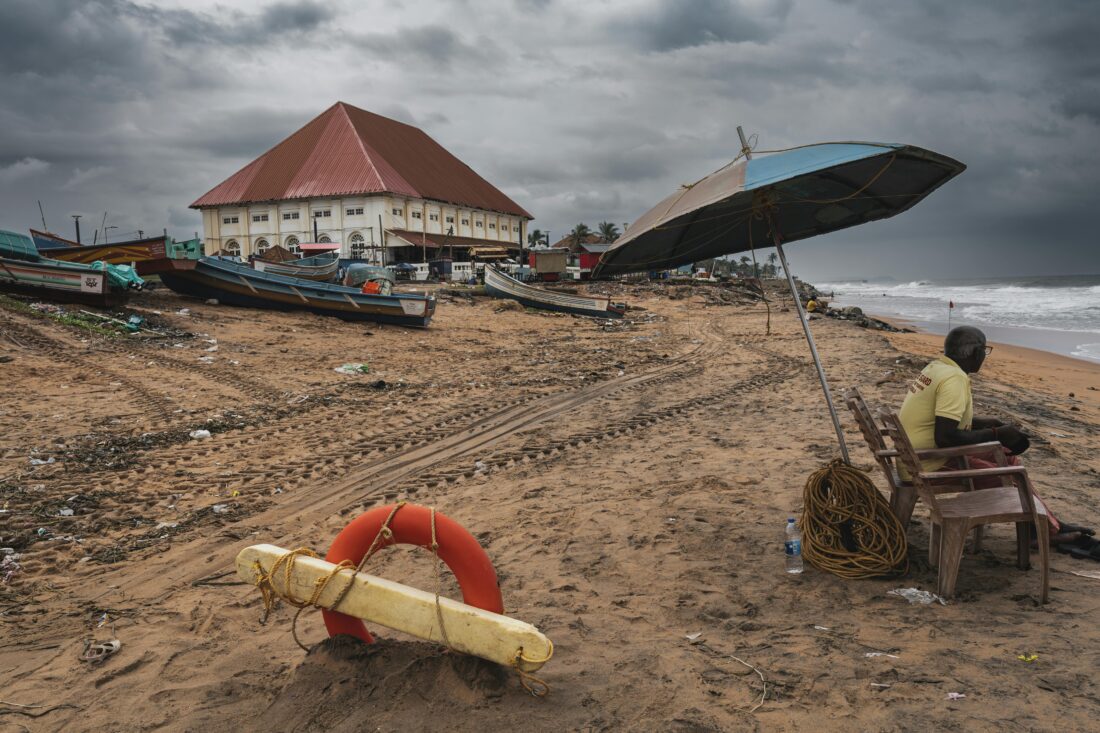
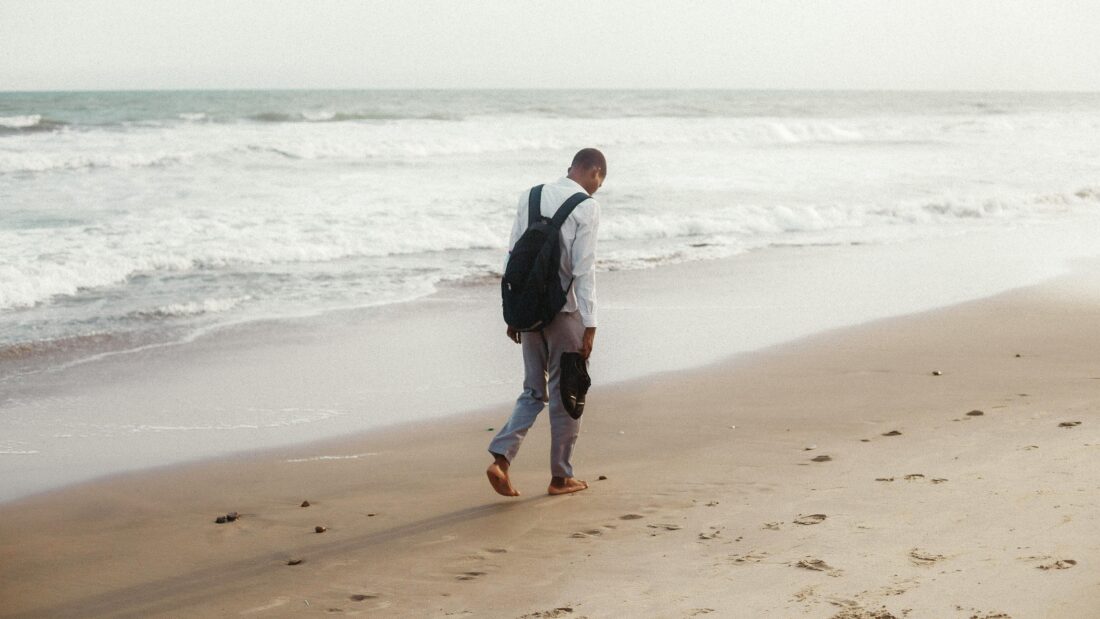
Ghana’s coastal areas, including Busua Beach, Kokrobite, and Ada Foah, are at their best from November to April. The dry season keeps humidity lower and rain rare. Avoid June, which is the wettest month and hits the coast hard. If you’re a beach person exploring Africa more broadly, you might also want to check out our picks for the best beaches in Africa to see how Ghana’s coastline stacks up.
Best Time for Festivals
Ghana has a strong festival calendar spread across the year.
- Aboakyer Festival (Efutu and Winneba peoples) – May
- Panafest – July (biannual)
- Homowo Festival – August
- Afrochella / Detty December – December (Accra)
- AfroFuture Festival – December
- Founders’ Day – August
If festivals are your main reason for visiting, the July to December window covers the most options, though you will be navigating some rainy season conditions in the earlier months.
Best Time for the North of Ghana (Kumasi, Tamale)
Northern Ghana, including Kumasi and Tamale, runs hotter and drier than the south for most of the year. The rainy season (March to September) actually makes the north more bearable temperature-wise, and the landscape turns green. However, flooding is a serious risk when the rains arrive on the dry northern soil.
For the north, the wet season offers cooler and less intense conditions, but factor in road disruptions. The dry season is easier logistically but extremely hot, especially in March when temperatures can exceed 40°C.
Budget Travel: When Prices Drop
The rainy season from April to September is the cheapest time to visit Ghana. Fewer tourists mean lower prices and more availability. September in particular offers some of the best deals, though it is also the most challenging month weather-wise. The official currency is the Ghanaian cedi (GHS, ₵), and English is the national language, which makes navigating budgets and bargaining a lot less stressful than in some West African neighbours.
October and November are useful shoulder months: rain is easing, prices have not fully recovered to peak levels, and conditions are improving. Late November is a solid entry point for value without the worst of the wet season. Not gonna lie, if you can snag Black Friday travel deals on flights to Accra in late November, you’re golden.
How Long Should You Spend in Ghana?
A minimum of 10 days is recommended to do Ghana justice. A practical itinerary might include:
- 3 to 4 days in Accra and surrounding areas
- 3 to 4 days around Cape Coast and Elmina (home to the historic Cape Coast and Elmina Castles)
- 4 days exploring central and northern destinations like Kumasi or Tamale
Ghana runs on UTC, so if you’re flying in from the UK there’s no jet lag to deal with during GMT months, which is a small but genuinely nice perk.
Harmattan: What to Expect
Harmattan winds blow in from the Sahara from around December. The effects include:
- Dusty haze that reduces visibility (relevant for photography)
- Very dry air that affects skin and can cause throat irritation and itchy eyes
Harmattan does not stop travel, but pack moisturiser, lip balm, and consider a scarf for dusty days. Turns out, your travel gear choices matter more in Ghana’s dry season than you’d think.
Verdict: When to Book
For most travellers, late November to early March is the safest and most rewarding window. You get reliable roads, good wildlife, pleasant coastal weather, and the Detty December festival season if you time it right. Search interest in Ghana travel has been trending upward over the past year, with clear peaks from November through January, so booking early is becoming more important than it used to be.
If budget is the priority and you can handle unpredictable weather, October offers a solid compromise: prices are still low, conditions are improving, and wildlife viewing is picking up again.
