
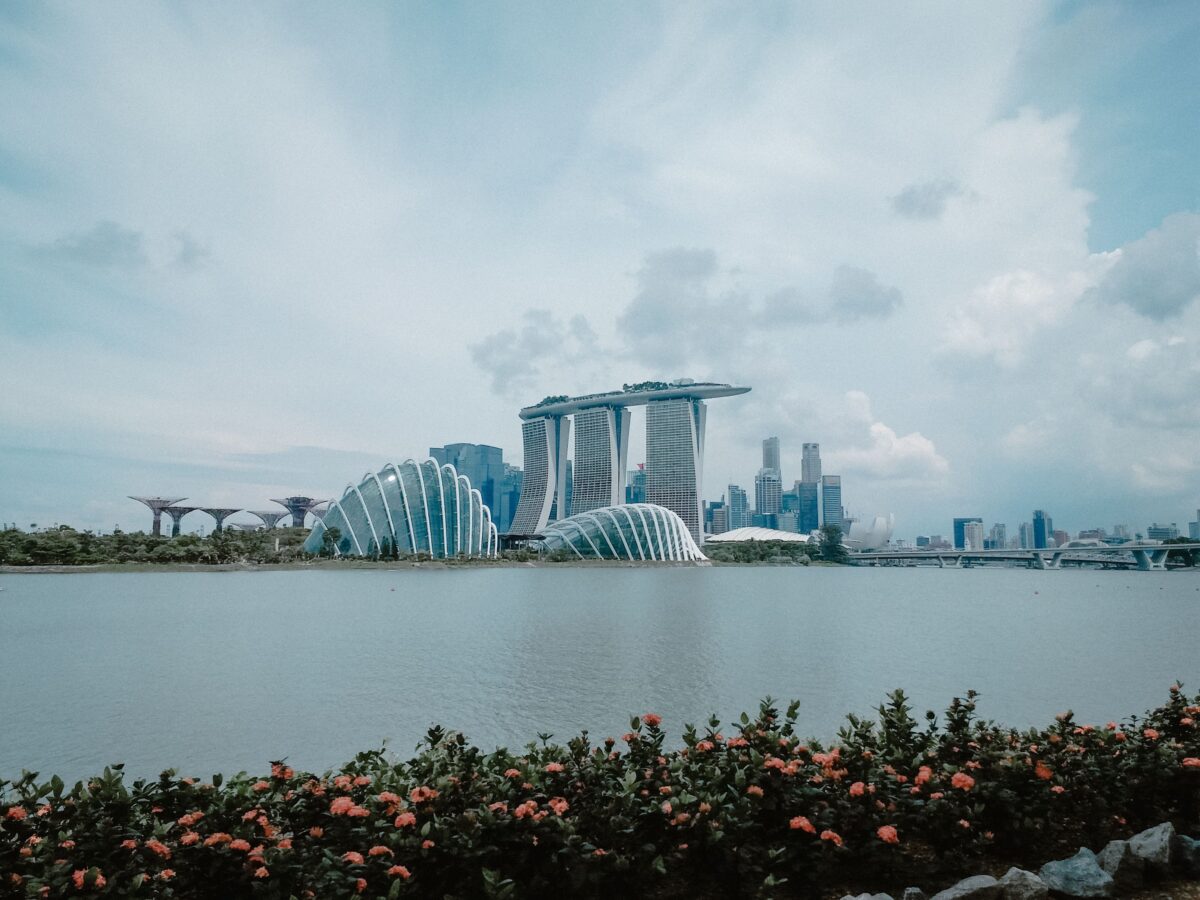
The best time to visit Singapore for lower humidity and easier outdoor sightseeing is usually February to April. Singapore is hot and humid all year, but late winter into early spring often brings less rain, slightly more comfortable conditions, and clearer sightseeing windows than the wetter stretches at the end of the year.
If humidity is the part you are worried about most, it helps to separate temperature from moisture in the air. A place can be warm and manageable, or warm and instantly shirt-sticking. If you want a quick primer, read this dew point explainer, then compare broader patterns in the least humid countries in the world and most humid countries in the world. Singapore sits firmly on the humid end of that spectrum.
This guide focuses on the practical question: when does Singapore feel most bearable if you plan to walk Marina Bay, eat outside at hawker centres, spend a day on Sentosa, or queue for attractions without melting by noon.
Best Time To Visit Singapore For Humidity
February, March, and April are the safest bet for many people. These months are widely treated as the most comfortable period for sightseeing because rainfall tends to ease, humidity is often lower than at the peak of the wetter season, and you get a better chance of dry hours for walking between attractions.
That does not mean crisp air. This is Singapore, one degree north of the equator. You should still expect daytime temperatures around the upper 20s to low 30s Celsius, frequent sweating, and the occasional downpour that appears with no respect for your outfit or your plans. Typical daytime highs sit around 30C to 32C through most of the year, with overnight lows usually near 24C to 26C.
If your goal is simple, use this rule: go between February and April for the best balance of humidity, rain, and outdoor comfort.
Singapore Weather in Plain English

Singapore has a tropical rainforest climate, so there is no classic four-season swing. Temperatures do not move dramatically through the year. What changes more noticeably is rainfall, cloud cover, wind, and how oppressive the air feels.
The heaviest rain is commonly tied to the Northeast Monsoon, roughly November to January. The drier stretch is usually associated with February to April. The Southwest Monsoon, around June to September, can bring drier spells but also haze risk linked to fires in nearby Sumatra in some years.
For climate data, the most useful official reference is data.gov.sg, which publishes monthly air temperature, sunshine, relative humidity, and rainfall figures sourced from Singapore’s National Environment Agency. For daily forecasts and warnings, check the Meteorological Service Singapore. Live forecast patterns still shift quickly, so any day-by-day outlook is best treated as a short-term guide (as of July 2026).
Month-By-Month: When Singapore Feels Best
December to January
This is often the wettest and muggiest feeling stretch. Rain and higher humidity can make long outdoor days harder, especially if you want to cover the Gardens by the Bay outdoor gardens, the Merlion area, or the waterfront around Marina Bay Sands on foot. Monthly rainfall commonly pushes above 200mm in this period, and short sharp storms can easily eat into afternoon plans. Singapore still works well in these months, but it is better for people happy to duck into malls, museums, and covered attractions between showers.
February to April
This is the sweet spot for most people. You still get tropical heat, but rainfall usually eases and humidity tends to feel less punishing than in late year. February is often one of the driest months, with average rainfall frequently close to 100mm to 120mm, which counts as relatively restrained by Singapore standards. If you want to walk through Chinatown, spend a day on Sentosa, or move between the Singapore Botanic Gardens and nearby food stops without planning your life around storms, this is the easiest window. If you are comparing warm-weather city breaks, this shoulder-period logic is similar to the best time to travel to Vienna in the sense that a small seasonal edge can make a very big difference to how long you actually enjoy being outside.
May to August
These months can still be good, and some trip planners like them because rainfall is often not as intense as the wettest season. The catch is that heat can feel sharper, and some travel guidance flags the possibility of haze during parts of this period. If air quality is a concern for you, keep your plans flexible and watch forecasts. The temperature may look nearly identical on paper to spring, but the afternoon air can feel heavier and more draining.
September to November
Conditions generally become wetter and more storm-prone again as the year moves toward the Northeast Monsoon. October and November are often among the rainier months, and late-day thunderstorms can be frequent enough that outdoor plans start to feel negotiable. Outdoor sightseeing is still perfectly possible, but this is not the easiest period if your main goal is long, dry walking days.
Best Months for Specific Trip Styles
Best Time for First-Time Sightseeing
February to April makes the most sense for a first trip. You can do the classic circuit of Marina Bay, Gardens by the Bay, Clarke Quay, Kampong Glam, and Chinatown with fewer weather interruptions than in the wetter months.
Best Time for Sentosa and Outdoor Attractions
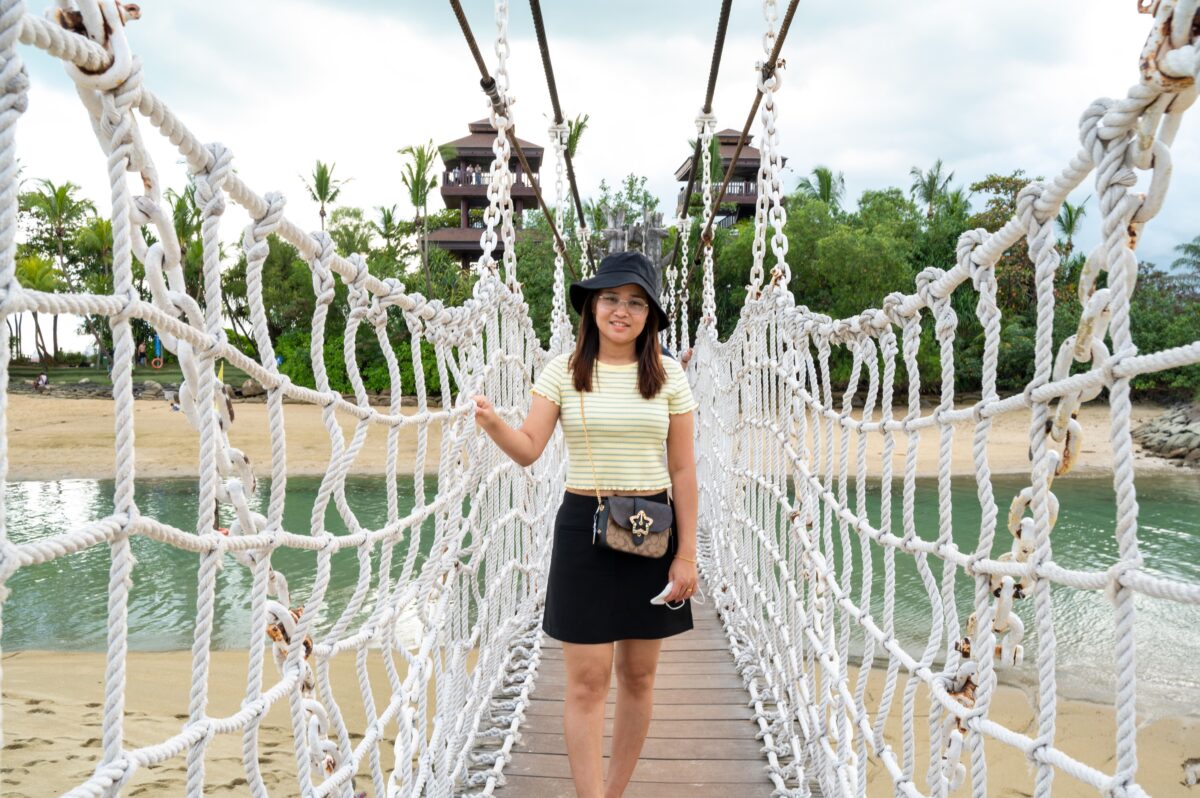
March and April are especially handy if your list includes beaches and open-air attractions on Sentosa. Even then, start early. Singapore humidity tends to feel much kinder at 8 a.m. than 2 p.m., which is a sentence that could double as local survival advice.
Best Time for Budget-Minded Planning
If you care more about price and fewer crowds than ideal weather, July to November is often mentioned as a quieter period. The trade-off is a greater chance of wetter days or stickier conditions. If you do travel then, put your outdoor plans in the morning and save indoor stops like the National Museum of Singapore or shopping on Orchard Road for the afternoon. That approach also works well in other places where weather comfort matters more than raw temperature, including guides like best time to visit Ghana.
Where Humidity Matters Most in Singapore
Humidity changes the feel of certain places more than others. Marina Bay and the promenade around the bay can feel exposed in the middle of the day. Gardens by the Bay is beautiful, but the outdoor sections are more enjoyable with an early start or after sunset. Sentosa is obvious beach weather on paper, yet the combination of sun, humidity, and walking between attractions can drain your energy faster than expected.
Indoor-heavy districts are easier in muggy months. Orchard Road gives you air-conditioned malls in every direction. Jewel Changi Airport is useful on arrival or departure days if you want somewhere polished and sheltered. Clarke Quay and parts of the riverfront are livelier after dark, when the heat backs off a little. Hawker centres also feel very different depending on ventilation; a breezy evening table is pleasant, while a packed lunchtime one can feel like dining in a warm greenhouse.
How To Handle Singapore’s Humidity Without Overthinking It
You do not need expedition tactics. You need a sensible daily rhythm.
- Start early. Outdoor time before mid-morning is far more pleasant.
- Use midday for indoor attractions. Good slots include the National Museum of Singapore and shopping districts like Orchard Road.
- Plan one air-conditioned reset every few hours. MRT stations, malls, museums, and cafés make this easy.
- Expect short rain delays. In Singapore, a shower is often a scheduling issue, not a disaster.
- Walk less than you think. The city is walkable, but heat changes the math.
What Official Climate Data Suggests
Official monthly datasets published through data.gov.sg and sourced from the National Environment Agency show the broad pattern most visitors notice on the ground: high humidity year-round, modest temperature swings, and substantial rainfall in every month. Average relative humidity is commonly around the low 80 percent range across the year, with wetter monsoon months often feeling even heavier in practice. Third-party climate summaries also commonly show February among the less humid months and November among the most humid.
That lines up with the practical travel advice. If humidity is your deciding factor, late February through April is usually your friend. If you can only travel in November, December, or January, build an itinerary with more indoor stops and shorter outdoor blocks. People regularly complain about stepping outside and fogging up glasses instantly, or feeling fine for 15 minutes and then suddenly needing another cold drink, which is not dramatic, just standard Singapore weather.
Suggested Singapore Timing by Priority
| Priority | Best Time | Why |
|---|---|---|
| Lower humidity | February to April | Usually the most comfortable mix of lighter rain and less oppressive air. |
| Outdoor sightseeing | February to April | Better odds for dry walking time around Marina Bay, Chinatown, and Sentosa. |
| Avoiding wetter months | Skip late November to January if possible | This period is commonly the rainiest and can feel the muggiest. |
| Fewer crowds | July to November | Often quieter, but weather is less reliable. |
| Nighttime city breaks | Year-round | Singapore is far easier after dark, no matter the month. |
FAQ: Best Time to Visit Singapore (Humidity Guide)
What is the least humid month in Singapore?
February is often cited as one of the least humid months in Singapore, though the city stays humid all year. In practical terms, February to April is the period most people find easiest for walking and sightseeing.
What is the rainiest time to visit Singapore?
November to January is widely treated as the wettest stretch, linked to the Northeast Monsoon. Expect more frequent rain and a generally heavier feel in the air.
Is Singapore too humid to visit in summer?
No, but June to August can feel hot and sticky, especially in the afternoon. These months can still work well if you start early, schedule indoor breaks, and keep an eye on haze or air-quality updates. If you usually prefer cooler city breaks, you may find something like the best time to travel to Reykjavik sits at the opposite end of the comfort scale.
Is February a good time to visit Singapore?
Yes. February is one of the strongest months for people who want lower humidity, fewer weather disruptions, and better conditions for outdoor plans.
What is the worst month to visit Singapore for humidity?
November or December is a fair answer for many people, because humidity and rainfall often peak around the late-year monsoon period. If you dislike damp heat, these are tougher months.
Can you visit Singapore year-round?
Yes. Singapore is a year-round destination, and plenty of people enjoy it in every month. The difference is not whether a trip is possible. It is how much of your day you want to spend outside without feeling wrung out.
Final Verdict
If you want the simplest answer, visit Singapore between February and April. That window usually offers the best balance of lower humidity, lighter rain, and easier sightseeing.
If your dates fall outside that period, Singapore is still very doable. Just plan like the climate matters. Put Gardens by the Bay, Sentosa, and long walking routes early or late in the day, use indoor attractions during the hottest hours, and accept that the weather may interrupt you briefly. In Singapore, that is normal, and the city is built for it.
Suggested internal links from related pages: link into this guide from your posts on dew point, the least humid countries in the world, and the most humid countries in the world. Suggested companion articles: best time to visit Singapore with kids, best time to visit Sentosa, Singapore weather by month, and least humid destinations in Southeast Asia.