
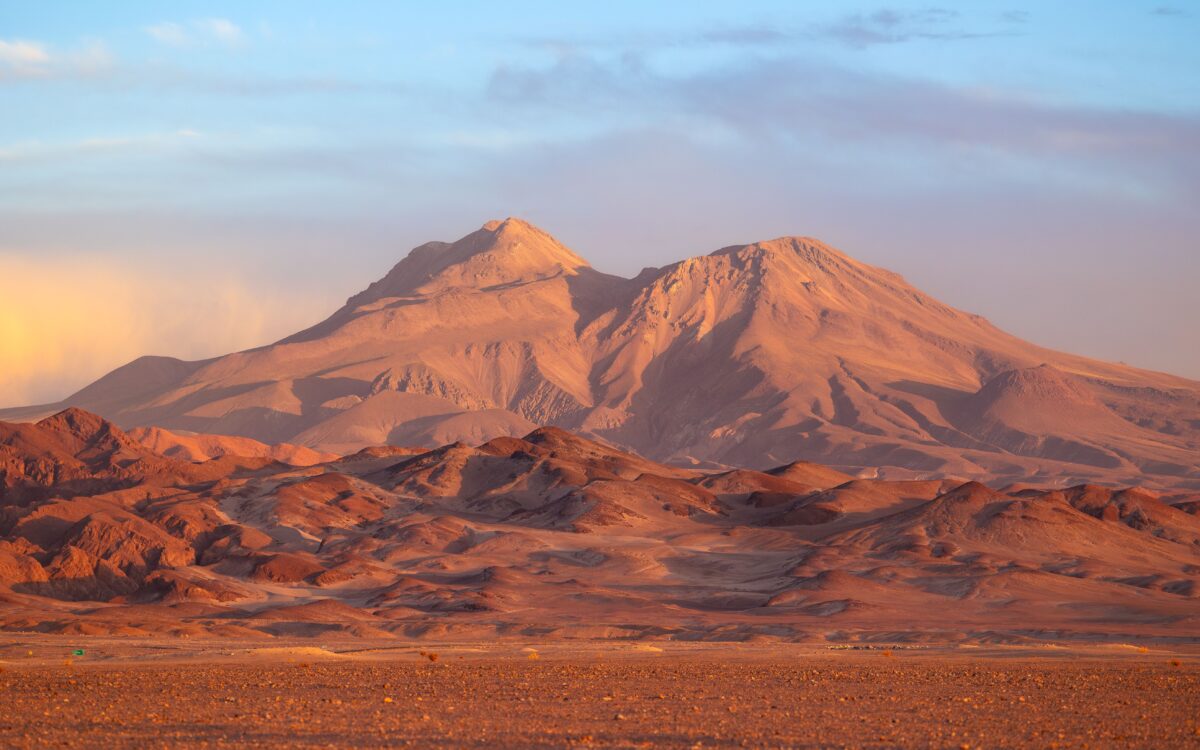
Chile is one of the least humid countries in the world, largely because the Atacama Desert in the north is among the driest places on Earth. After Chile, other countries that often come up in any serious dry-air discussion include Bolivia, Egypt, Mongolia, Namibia, Peru, and parts of Australia, though rankings shift depending on whether you use relative humidity, dew point, elevation, or a national average.
That nuance matters. Humidity sounds simple, but it is not one number. A country can have low relative humidity in a desert, then much more moisture on a coast or in the mountains. It can also feel dry because the dew point stays low, which is often a better measure of how sticky or comfortable the air actually feels.
If you are comparing climates for travel, retirement, or plain curiosity, this guide covers the least humid countries in the world, how to think about the data, and which specific regions are most likely to give you that dry-air feel. If you are also curious about the opposite end of the scale, the most humid countries in the world make a useful side-by-side comparison.
How To Measure the Least Humid Countries in the World
The first trap is assuming humidity means only one thing. Relative humidity is the percentage of moisture in the air compared with the maximum the air can hold at that temperature. Forecasters use it all the time, but it can mislead. Cold air can show high relative humidity and still feel crisp rather than muggy.
Dew point usually gets you closer to how the air feels. Lower dew points feel dry. Higher dew points feel sticky. Climate analysts and weather writers often lean on dew point for comfort comparisons because it does a better job capturing what people notice walking outside.
For national comparisons, there is another complication. A country-level average can flatten huge regional differences. Chile includes the Atacama Desert and rainy Patagonia. Peru includes both the dry Pacific coast and the Amazon basin. Bolivia has high-altitude cities with very dry air, but also lowland tropical zones.
So the best way to read any list of the least humid countries in the world is this: treat it as a guide to consistently dry countries and especially dry regions within them, not a promise that every square mile feels the same.
Countries That Consistently Stand Out for Dry Air
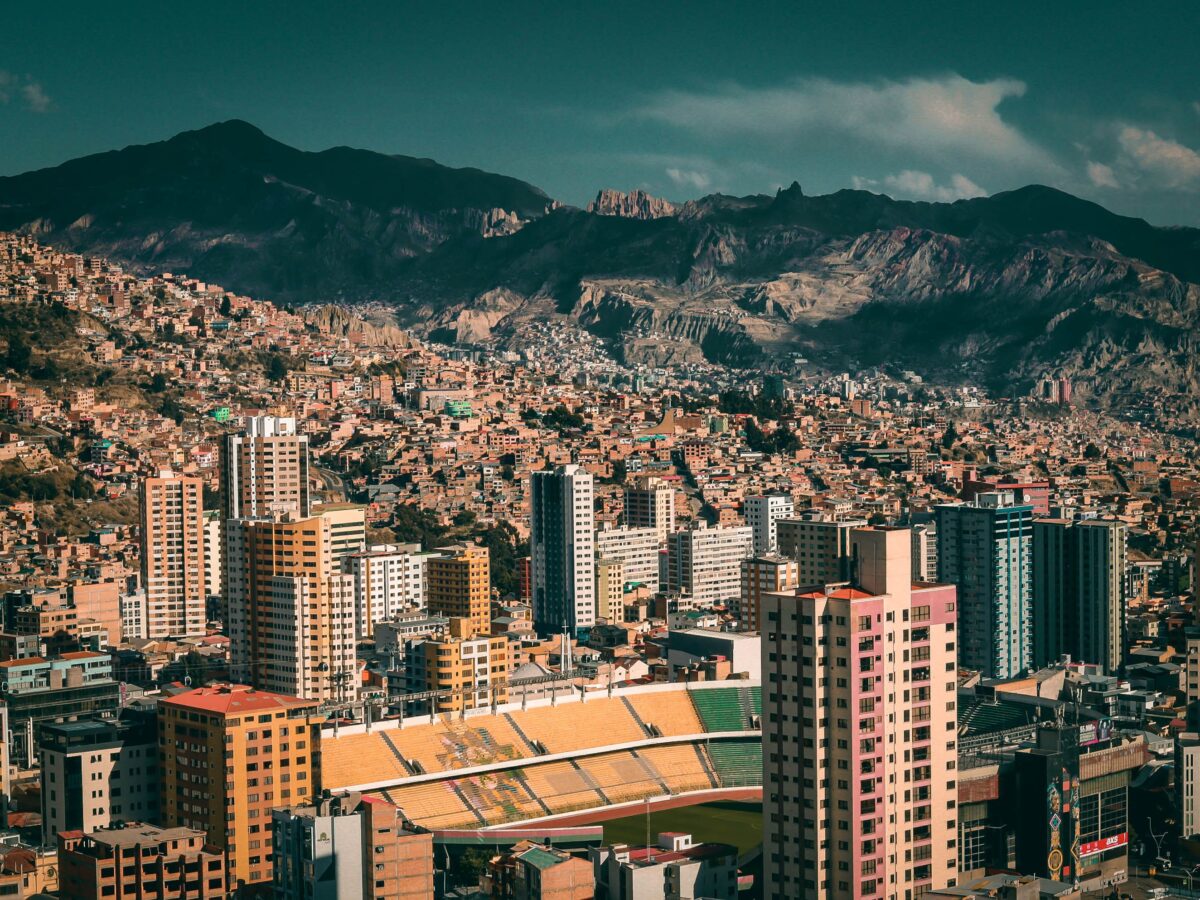
These countries show up again and again when you look at deserts, low dew points, and dry-air cities.
| Country | Why It Ranks Among the Least Humid | Dry-Air Region To Know |
|---|---|---|
| Chile | Home to the Atacama Desert, one of the driest environments on Earth; some weather stations in the core desert have gone years without measurable rain | Antofagasta, San Pedro de Atacama, Atacama Desert |
| Bolivia | Very dry air in high-altitude cities and the Altiplano, where thin air and strong sun add to the parched feel | La Paz, Altiplano |
| Egypt | Large desert climate with persistently low moisture inland and extremely limited annual rainfall away from the Mediterranean coast | Cairo, Luxor, Sahara regions |
| Namibia | Namib Desert and arid inland plateau keep humidity low across much of the country | Namib Desert, Windhoek |
| Mongolia | Continental climate with dry air across much of the country and long winters that stay crisp rather than damp | Ulaanbaatar, Gobi-adjacent regions |
| Peru | Dry coastal and highland zones contrast with humid Amazon areas; Lima is famous for gray skies without much actual rain | Lima, Arequipa, southern coast |
| Australia | Huge arid interior produces many very dry-air locations, especially far from the tropical and temperate coasts | Alice Springs, Outback interior |
| Niger | Sahara and Sahel climate zones keep much of the country arid, with extreme dryness in the north | Northern Niger |
| Chad | Large desert and semi-desert regions with low atmospheric moisture across wide inland areas | Northern Chad |
| Saudi Arabia | Desert climate dominates inland areas, where humidity is usually lower than along the Red Sea or Gulf coasts | Riyadh, Empty Quarter regions |
| United Arab Emirates | Very dry inland desert air, though coasts can feel more humid when sea moisture rolls in | Al Ain, interior desert |
| Jordan | Arid climate over much of the country, especially in desert landscapes east and south of Amman | Wadi Rum, Amman highlands |
| Libya | Sahara conditions cover most of the country, keeping inland air notably dry | Interior Libya |
| Algeria | Huge Saharan south offsets milder coastal zones and dominates the country by land area | Tamanrasset, Sahara south |
| Morocco | Interior and desert regions are much drier than the Atlantic coast, especially beyond the Atlas Mountains | Ouarzazate, Merzouga |
This is not a strict one-to-fifteen league table with a single official formula. It is a practical shortlist based on the countries and regions most strongly associated with persistently dry air, desert climates, and low dew-point conditions.
Why Chile Often Gets the Top Spot
Chile is the easiest answer if someone asks for one country. Northern Chile contains the Atacama Desert, widely described as the driest desert in the world. Places like Antofagasta and San Pedro de Atacama are the names to know if you care about dry conditions more than beach weather or green landscapes.
That does not mean every part of Chile is equally dry. The country stretches a long distance north to south, and southern areas near Patagonia are a different climate story. But if your question is about the least humid countries in the world, Chile has the strongest single-country case because one of the planet’s most arid regions sits squarely within its borders.
If you are traveling there for the climate, the dry north is where to focus. San Pedro de Atacama is the better-known base for desert scenery, salt flats, and high-altitude landscapes. It is also a natural starting point if you already have the world’s largest salt flats on your radar. Antofagasta gives you a larger city on the northern coast with quick access to the desert climate that drives Chile’s reputation.
Bolivia and the High-Altitude Dry-Air Factor
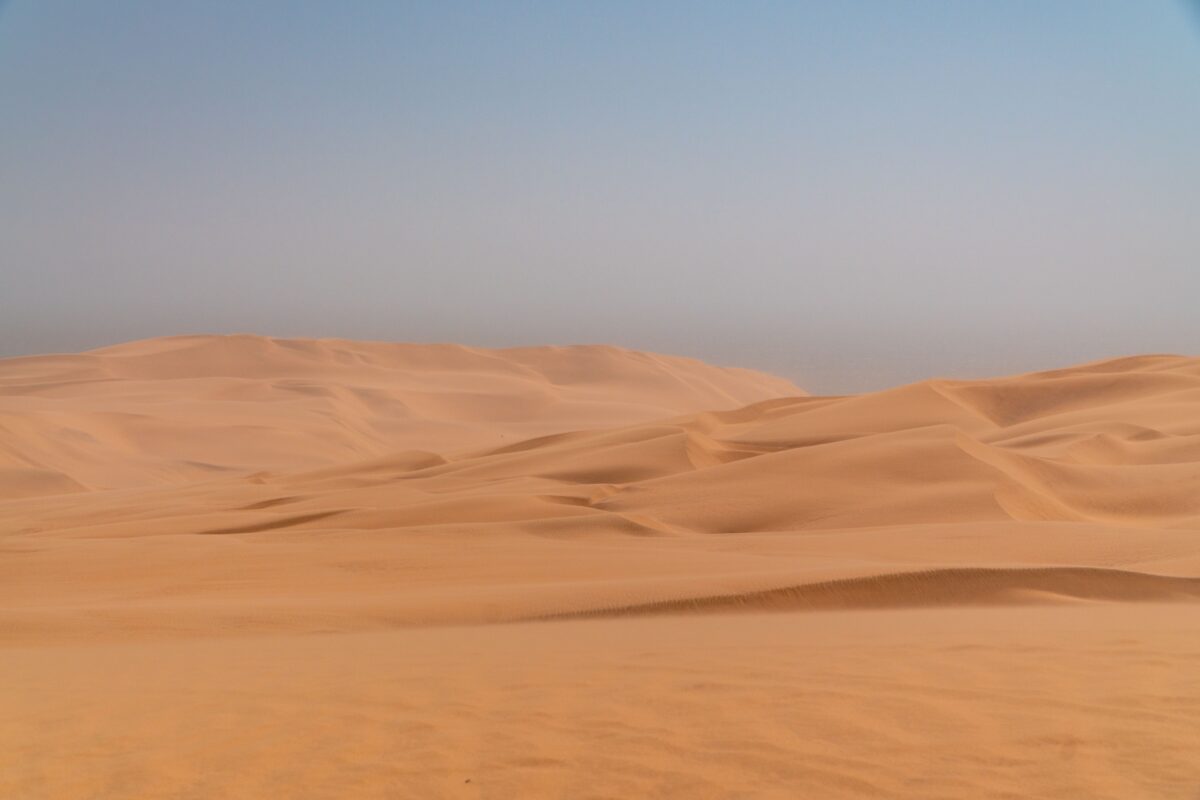
Bolivia deserves more attention in this conversation than it usually gets. Dryness there is tied not just to desert conditions, but also to altitude. La Paz and other cities on or near the Altiplano often feel strikingly dry because cooler air at high elevation tends to hold less moisture.
A dry-air city study found that La Paz recorded a full 365 dry-air days in one year under a dew-point-based method. That does not automatically make Bolivia the least humid country overall, but it does show how strong the country’s dry-air credentials can be in day-to-day life.
The practical note here is simple. If you want dry air and do not mind altitude, Bolivia’s highland cities can deliver that crisp, non-sticky feel more reliably than many famous desert destinations.
Egypt, Namibia, and Mongolia Are Classic Dry-Climate Picks
Egypt is an obvious inclusion. Large parts of the country sit within the Sahara, so inland areas routinely have low moisture levels. Cairo and Luxor are the best-known names, but the broader point is that Egypt’s dominant climate pattern is arid. Summer afternoons can feel fierce, yet still far less sticky than coastal Mediterranean or tropical cities at the same temperature.
Namibia has a similar case. The Namib Desert and the dry inland plateau shape the national climate, and Windhoek often appeals to people who prefer drier air over tropical humidity. Coastal fog can complicate the picture in places like Swakopmund, but the country overall belongs in this group.
Mongolia is less obvious to casual readers, yet it makes sense once you look at continental climate patterns. Ulaanbaatar is famous for cold winters, but it is also associated with dry air for much of the year. The country’s broad steppes and Gobi-adjacent landscapes keep moisture levels low compared with tropical or maritime climates.
Dry Countries With Important Regional Exceptions
Some countries belong on a least-humid list, but only if you keep geography in mind.
Peru
Lima and much of Peru’s Pacific side are dry, and Arequipa is another strong dry-climate reference point. Move east toward the Amazon, though, and the humidity story changes fast. That split is one reason Peru can feel completely different from one trip to the next.
Australia
Australia has some of the driest settled areas on the planet, especially in the interior. Alice Springs is the usual shorthand for that climate. Coastal Australia is another matter, particularly in the tropical north, where the air can turn properly sticky during the wet season.
United Arab Emirates
The inland desert can feel very dry, especially around Al Ain, but coastal cities can feel muggy at times because warm Gulf waters add moisture to the air. This is one of those countries where a two-hour drive can change the whole feel of the day.
Morocco
Ouarzazate and Merzouga feel far drier than the Atlantic coast. If someone says Morocco is dry, they usually mean the interior and desert edge, not every city in the country.
Least Humid Does Not Always Mean Most Comfortable
Dry air has fans for good reason. It usually feels less sticky. Sweat evaporates more easily. Summer heat can feel more manageable than the same temperature in a tropical climate.
But the driest countries can bring their own trade-offs. Very low humidity can dry out your skin, lips, nose, and eyes. Desert climates also swing hard between daytime and nighttime temperatures. A place that feels hot and bone-dry in the afternoon can feel surprisingly cool after sunset.
If you are choosing a destination for comfort, not just climate trivia, look at three things together:
- Dew point for how the air tends to feel
- Average temperature for heat stress
- Elevation and season for daily swings and nighttime cold
That gives you a better answer than a simple least-humid ranking.
Best Destinations if You Want Dry Air on a Trip
If your goal is not research but planning a trip, a few places stand out.
San Pedro de Atacama, Chile
This is the most obvious choice for people chasing dry desert air. It sits in northern Chile near some of the driest landscapes anywhere. The town works best if you also want salt flats, volcano views, and clear night skies. Daytime humidity is often very low year-round, and current dry-season conditions usually stay especially crisp (as of July 2026).
La Paz, Bolivia
Dry air plus altitude make La Paz memorable in a very specific way. If you are comfortable with high elevation, it is one of the strongest urban examples of non-muggy air in South America. The catch is obvious enough the second you walk uphill with a backpack.
Windhoek, Namibia
Windhoek is a practical dry-climate city rather than a beach destination. It makes sense for people who want a capital city base with easy access to Namibia’s broader desert landscapes. The city also sits at elevation, which helps keep the air feeling less heavy than many warmer capitals.
Alice Springs, Australia
For sheer outback dryness, Alice Springs is the classic pick. It is better for people who want red-earth interior landscapes than for those chasing coastlines. If your dream trip leans toward unusual overnights, it pairs well with ideas from the most unique hotel stays around the world.
FAQ About the Least Humid Countries in the World
Which country is the least humid in the world?
Chile is the strongest single answer because the Atacama Desert in northern Chile is one of the driest places on Earth. Depending on the method used, countries such as Bolivia, Egypt, Namibia, and Mongolia also rank very well.
Is dew point better than relative humidity for comparing countries?
Usually, yes. Dew point is often better for comparing how humid a place feels because it measures the actual moisture content in the air more directly. Relative humidity changes a lot with temperature.
Are desert countries always the least humid?
Often, but not always. Desert climates push countries toward low humidity, but altitude and proximity to the sea also matter. A coastal desert can feel different from an inland plateau.
What is the driest inhabited region linked to this list?
The Atacama Desert is the most famous answer. That is why Chile appears so often in discussions of the least humid countries in the world.
Can a country be dry overall but still have humid areas?
Absolutely. Peru, Australia, Morocco, and the United Arab Emirates all show this pattern. National labels help, but the regional climate is what you actually feel on the ground.
Final Take
If you want the clearest short answer, Chile is the best candidate for the least humid country in the world. The Atacama Desert gives it an edge that few countries can match.
If you want a smarter travel answer, widen the lens a bit. Bolivia, Egypt, Namibia, Mongolia, Peru, and Australia’s interior all offer places where the air stays notably dry, and sometimes the best pick comes down to whether you prefer altitude, desert, or a city you can actually use as a base.
For most people, the useful question is not just which country is least humid. It is which specific region gives you dry air without the downsides you do not want. That answer is usually more practical, and a lot more fun to plan around. If deserts and dramatic landscapes are your thing, you could easily end up bouncing from this list to beautiful bays around the world or planning something completely opposite in climate just for balance.