
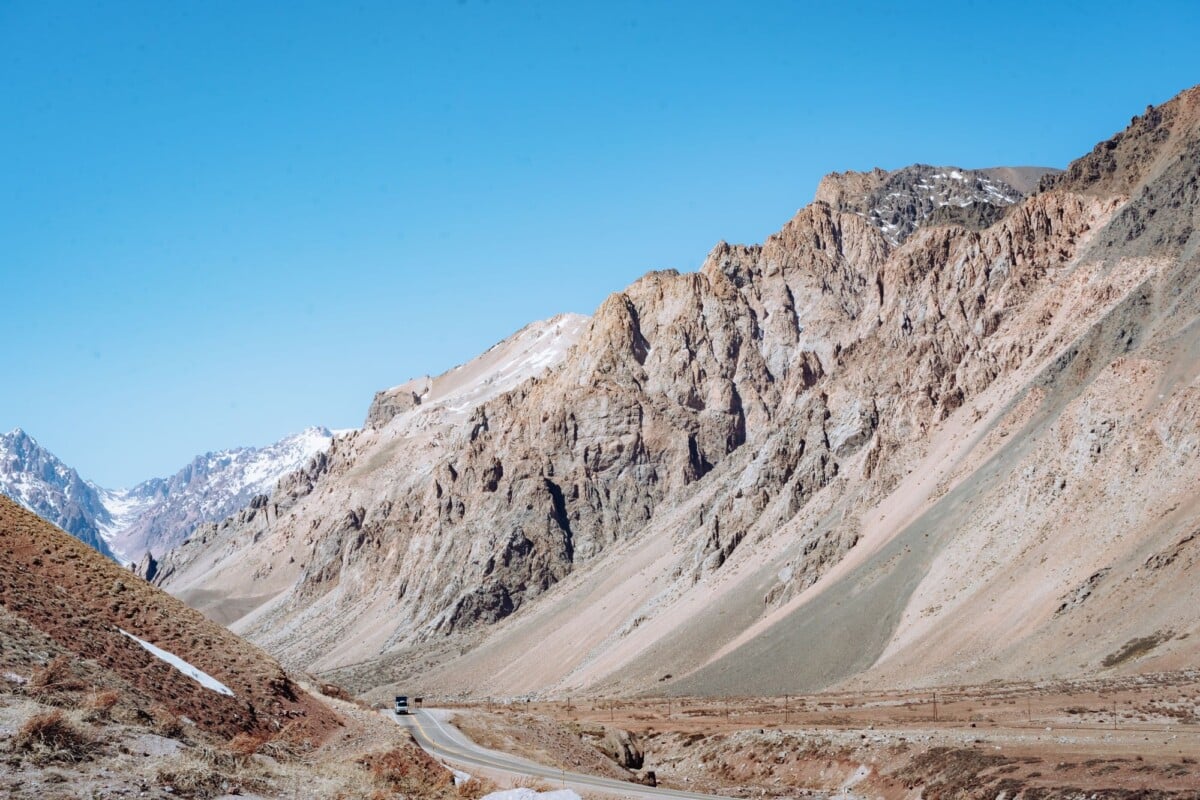
A 12-day Santiago and Mendoza route works best with four nights in Santiago, six nights in Mendoza and one final night back in Santiago before your flight. You get proper time in both cities, plus breathing room for the two Andean border-crossing days, which can drag on when weather or immigration queues have other ideas.
This itinerary uses Paso Los Libertadores, the main road crossing between central Chile and Argentina. Keep the crossing days flexible: the mountain road can close in winter and poor weather, so the published status matters more than an optimistic plan.
Twelve-Day Santiago And Mendoza Route At A Glance
| Day | Overnight Base | Plan |
|---|---|---|
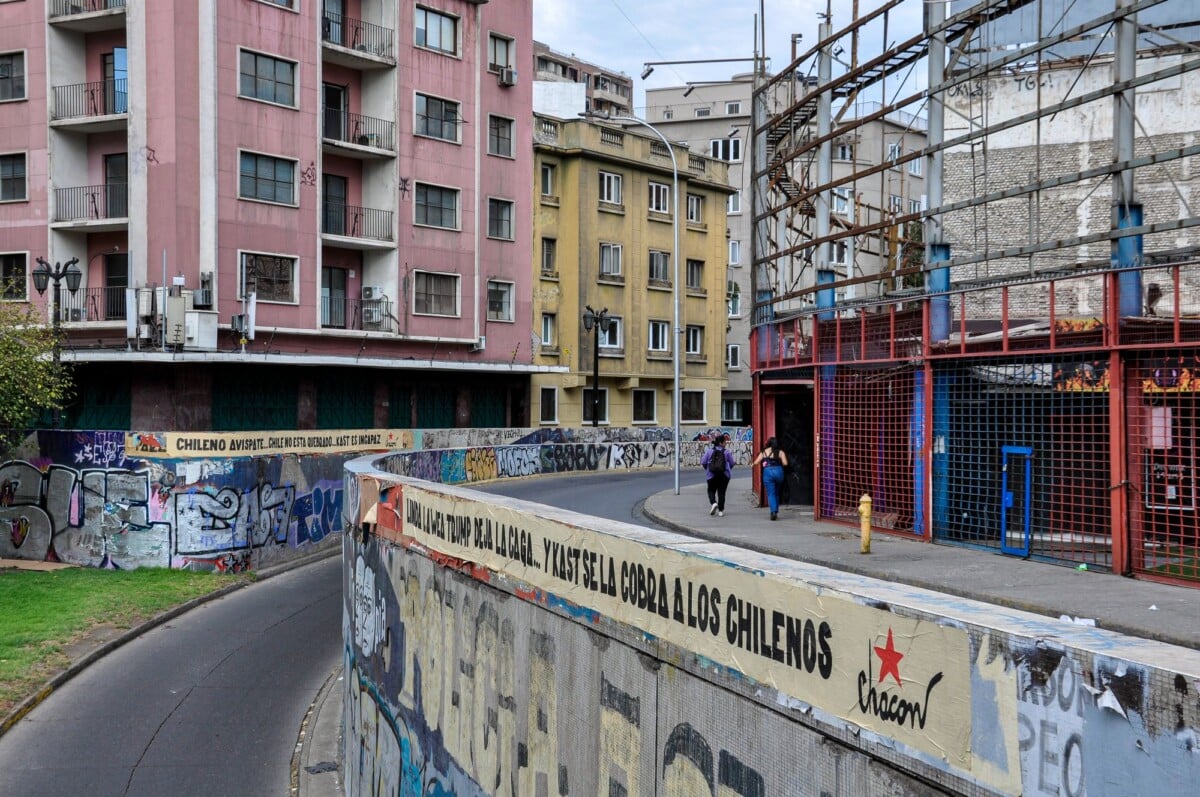
| 1 | Santiago | Arrive, settle into a central neighbourhood and take an easy evening walk. |
| 2 | Santiago | Explore central Santiago, Museo Chileno de Arte Precolombino and Lastarria. |
| 3 | Santiago | Visit Cerro San Cristóbal and spend the afternoon in Barrio Italia or Providencia. |
| 4 | Santiago | Take a day trip to Valparaíso, or keep the day for museums and neighbourhoods in Santiago. |
| 5 | Mendoza | Cross the Andes by bus, car or private transfer. Treat this as a travel day. |
| 6 | Mendoza | See Mendoza city centre, Parque General San Martín and the evening restaurant scene. |
| 7 | Mendoza | Join a wine tour in Luján de Cuyo. |
| 8 | Mendoza | Take a full-day Valle de Uco winery trip. |
| 9 | Mendoza | Make an Andes day trip towards Aconcagua Provincial Park, subject to road and park conditions. |
| 10 | Mendoza | Visit Maipú by guided tour, bike tour or pre-arranged driver. |
| 11 | Santiago | Return across Paso Los Libertadores and stay near your departure airport or in central Santiago. |
| 12 | Departure | Fly home from Santiago. |
The route includes 11 hotel nights across three stays. Using Mendoza as a six-night base means less packing and gives you time to choose wine areas around the weather, tour availability and how much Malbec seems sensible on a Tuesday afternoon.
Choose Your Transport Before Booking Hotels
You can travel between Santiago and Mendoza by scheduled international bus, rental car, private transfer or flight. For most independent holidaymakers, the bus is the least complicated option because the operator handles the vehicle paperwork. Driving gives you more freedom in the Andes, but it also brings border rules, mountain roads and rental-car restrictions.
International Bus: The Simple Option
International buses generally use Route 60 in Chile and Route 7 in Argentina. Scheduled journey times are often seven to nine hours before border delays, but allow a full day door to door. Services can be affected by pass closures, and the border inspection happens alongside everyone else on the coach, so do not book a tight winery visit for that day.
Book a daytime departure if you can. The Andes scenery is part of the route, while a night bus can leave you tired and with no useful view of the mountains.
Rental Car: Useful, but Check the Small Print
Do not assume a Chilean or Argentine rental car can cross the border. Ask the rental company in writing about permission for international travel, insurance cover and the vehicle documents required at the border. Some firms require advance notice and charge for cross-border authorisation; others do not allow it at all.
You should be comfortable with mountain roads, sharp bends, changing weather and long waits. Petrol stations and food stops are straightforward near Santiago and Mendoza, but are much less frequent on the higher mountain section. Our detailed Santiago to Mendoza drive and border-crossing guide explains road conditions and practical stops in more depth.
Flights: Fast in the Air, Less Useful on the Ground
Flying between Santiago and Mendoza can make sense if the road crossing closes or you have limited time. Factor in airport transfers, check-in and baggage collection before deciding it is quicker. A flight also means missing the high Andes road route, which is a fair trade only when time matters most.
Overnight Base 1: Four Nights in Santiago
Stay in Santiago for the first four nights, ideally in Lastarria, Providencia, Bellavista or near a Metro station. These areas make the city easy to manage without a car and put you close to restaurants on that first evening, when jet lag tends to call the shots.
Day 1: Arrival and a Gentle First Evening
Keep arrival day light. Check in, withdraw a small amount of Chilean pesos if needed, then walk around your immediate area. Lastarria is useful for cafés and cultural stops, while Providencia has plenty of restaurants and easy Metro access. If you plan to use mobile data in both Chile and Argentina, our guide to using an eSIM overseas explains compatibility, activation and roaming considerations.
Day 2: Central Santiago and Lastarria
Start at Plaza de Armas and explore the historic centre at a sensible pace. Add the Museo Chileno de Arte Precolombino if it is open during your visit, then head towards Lastarria for lunch and an afternoon walk. Check official opening times before planning museum days, especially around public holidays.
Day 3: Cerro San Cristóbal and Neighbourhood Time
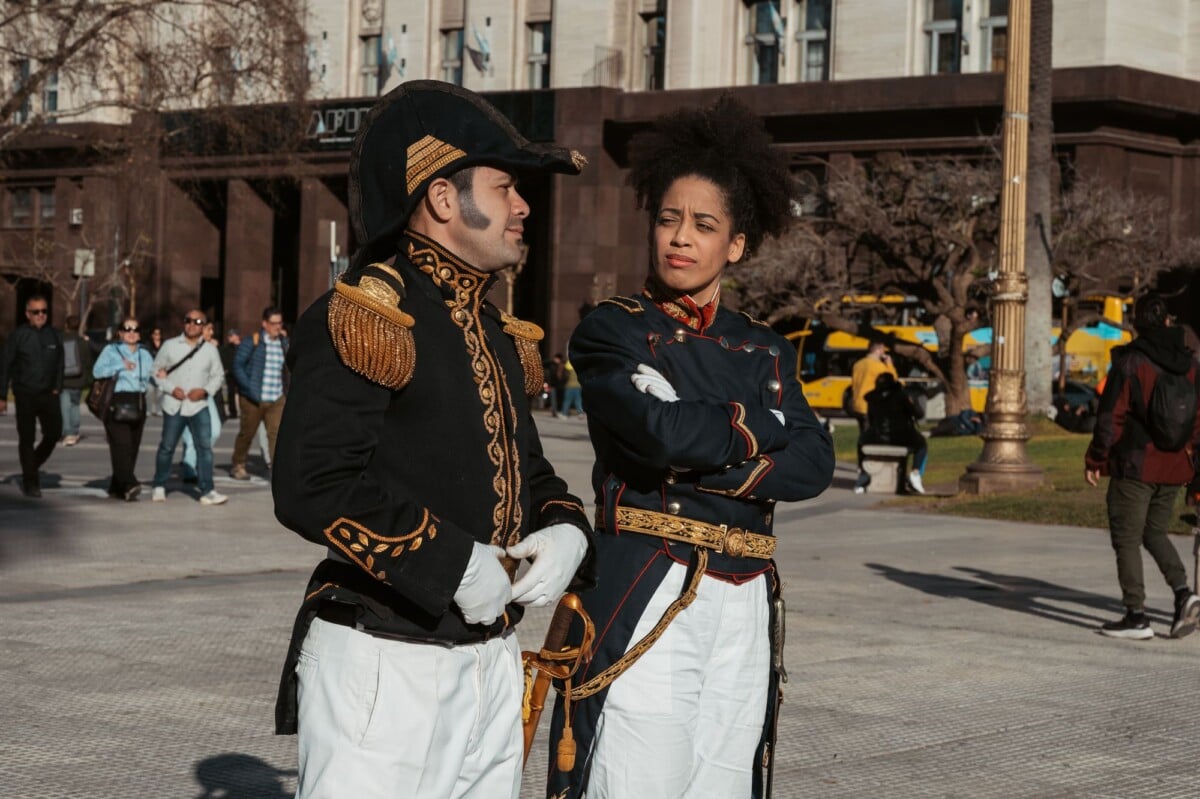
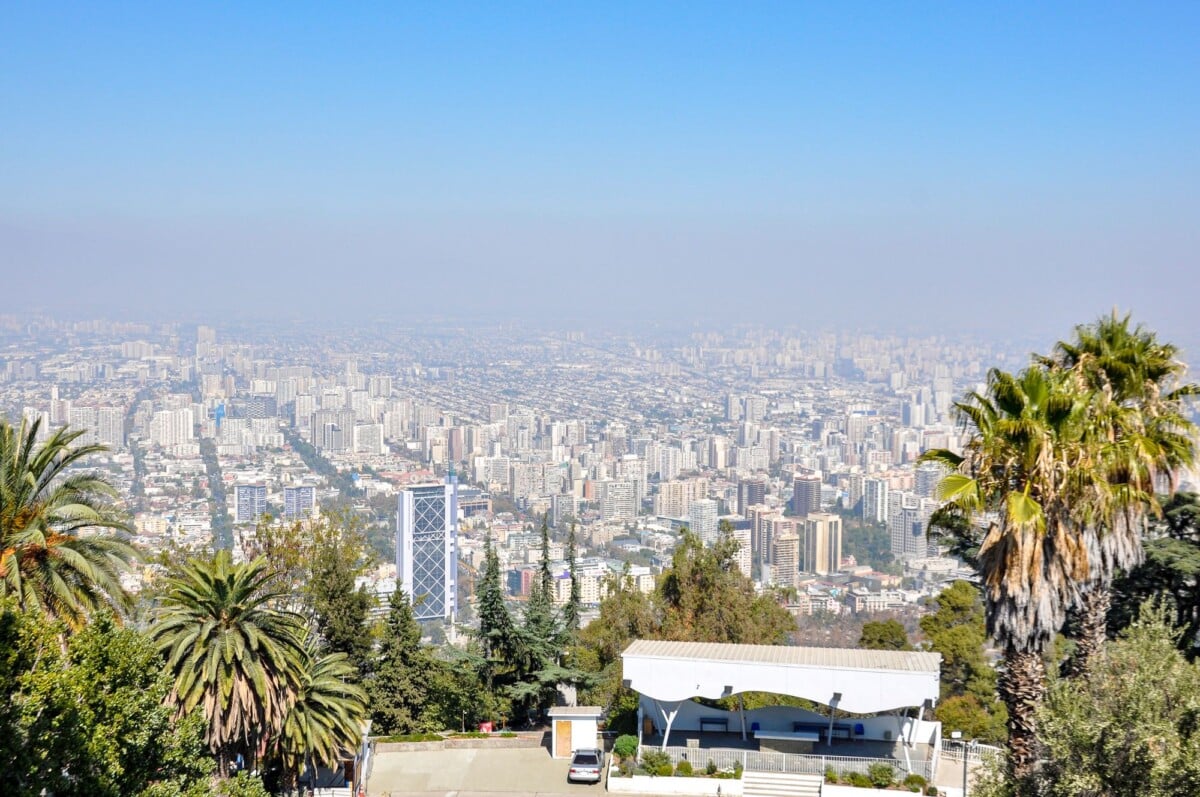
Cerro San Cristóbal gives you a good sense of Santiago’s scale, with the Andes visible on clearer days. Take the funicular or cable car if it is running, then spend the afternoon in Barrio Italia, Providencia or Bellavista. Leave room for a long dinner: Santiago runs on a later evening schedule than many visitors expect.
Day 4: Valparaíso Day Trip or a Slower Santiago Day
Valparaíso is a practical day trip by intercity bus for travellers who enjoy street art, steep hills and a scruffier port-city feel. Stay alert in busy areas, carry only what you need and use registered transport after dark. If you would rather visit museums and markets at an easier pace, stay in Santiago and save your energy for tomorrow’s border crossing.
Pack larger luggage the night before and keep passports, booking details, medication, water and snacks in a small day bag. A travel vest with secure pockets can help keep travel documents handy during a long bus or border day. For more options, see our travel vest buying guide.

We earn a commission if you buy through this link, at no extra cost to you.
Day 5: Cross the Andes From Santiago to Mendoza
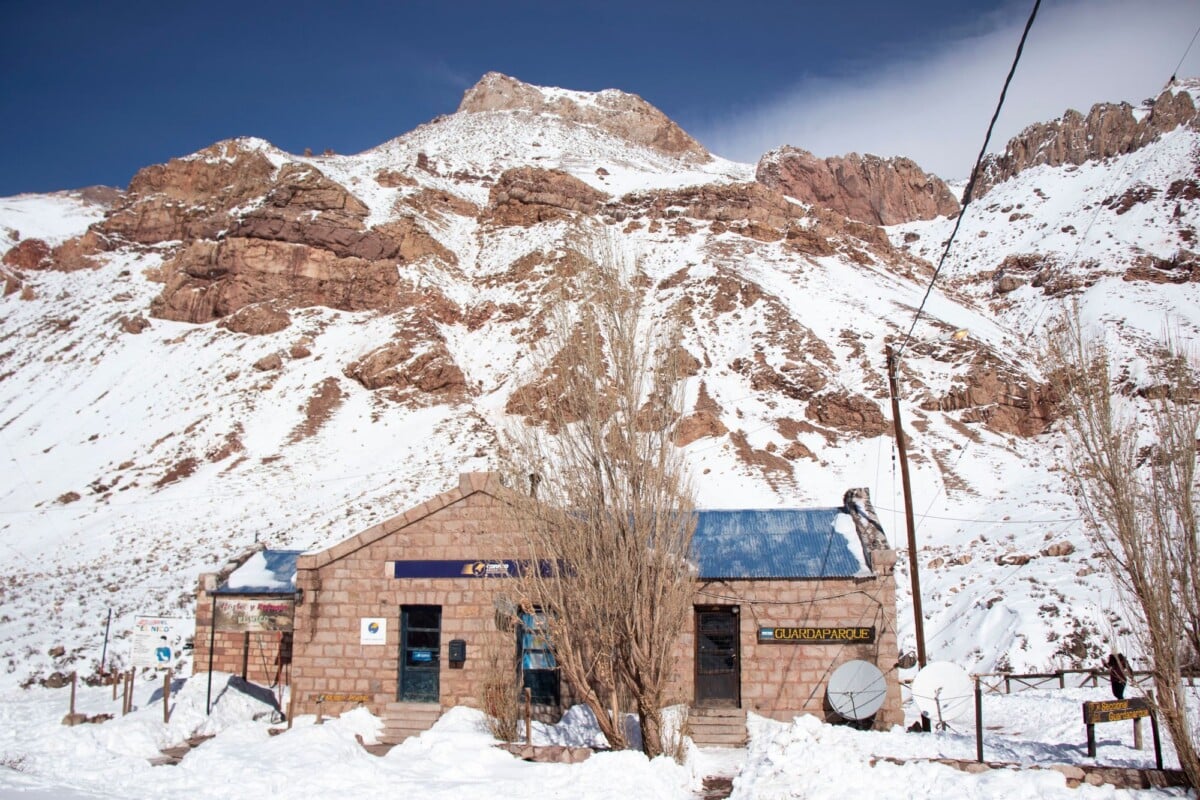
Day 5 is the itinerary’s pressure valve. Leave Santiago early, do not book a paid Mendoza activity that evening and accept that your arrival time may shift. The road climbs towards the Los Libertadores border complex before dropping through the Argentine Andes towards Mendoza.
Check official Los Libertadores border-complex updates shortly before departure and again on the morning of travel. The official page publishes operational information, while storms, snow and high winds can change access quickly.
On arrival in Mendoza, take a pre-arranged taxi or reputable ride service to your accommodation. Stay in the city centre, around Plaza Independencia, or in Chacras de Coria if you want a quieter base near vineyards. Chacras is pleasant, but it is less convenient for city evenings and day tours that collect from central hotels.
How the Chile-Argentina Border Crossing Works
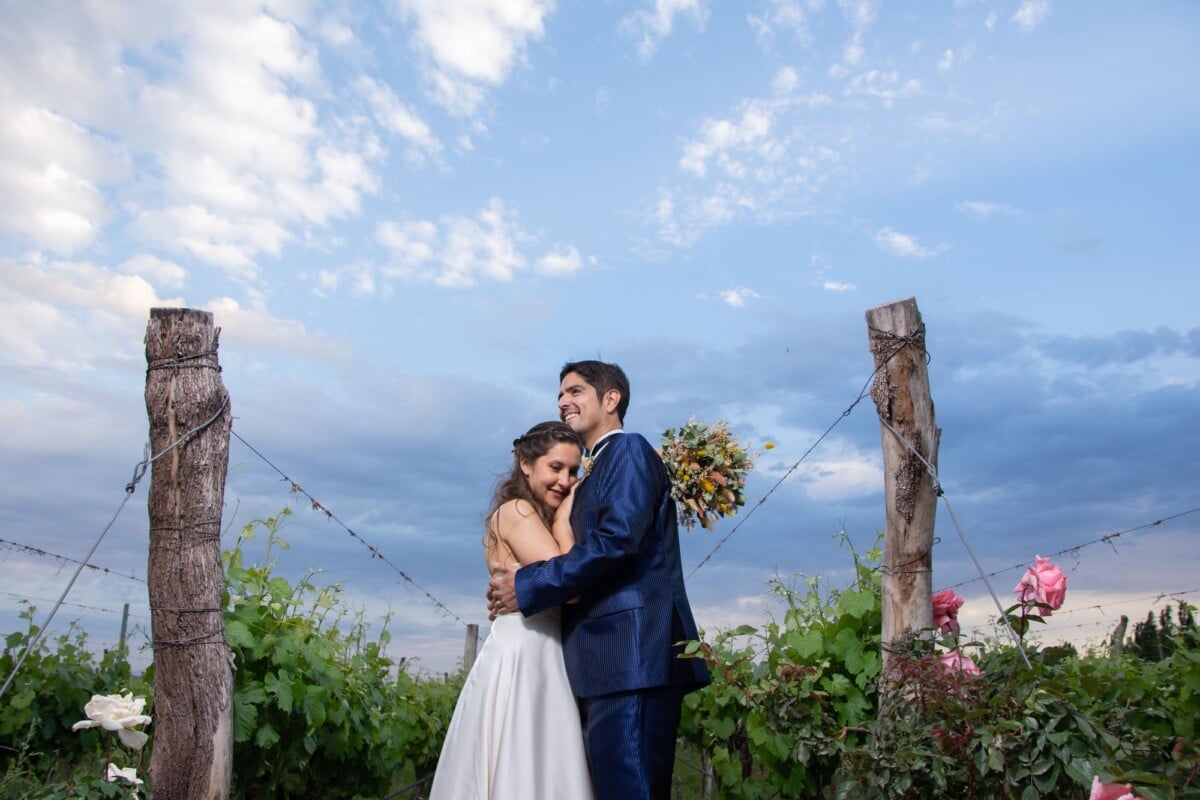
The crossing involves exit procedures in Chile, followed by Argentine migration and customs formalities. The return to Chile follows the same broad pattern in reverse. Each stage can be quick or slow, depending on coach arrivals, vehicle numbers, staffing and weather.
Documents to Have Ready
- Your passport, plus any visa or entry documentation required for your nationality.
- Bus or onward-travel details, where relevant.
- Rental-car agreement, vehicle registration, written cross-border permission and insurance documents if driving.
- Accommodation addresses for your first nights in each country.
- Travel insurance details and any prescription medication in its original packaging. If you have not arranged cover yet, our guide to travel insurance and whether you need it explains common coverage for cancellations, medical treatment, missed connections and delayed luggage.
Entry rules depend on your passport and can change. Check requirements directly with the relevant official authorities before booking: Argentina’s National Directorate of Migration and Chile’s National Migration Service publish immigration information for international travellers.
Food, Plants and the Chilean Agricultural Declaration
Chile has strict biosecurity controls. Everyone entering Chile must complete the SAG agricultural declaration, and food, animal products, plants, seeds and related items must be declared. Do not assume a sandwich, fruit or leftover road snacks are too minor to mention. Declare them and let the inspector decide.
Finish or dispose of fresh food before reaching the Chilean border, then keep receipts and documents handy. The rule applies when you return from Mendoza, which can catch out travellers who have casually stocked up for the bus.
Overnight Base 2: Six Nights in Mendoza
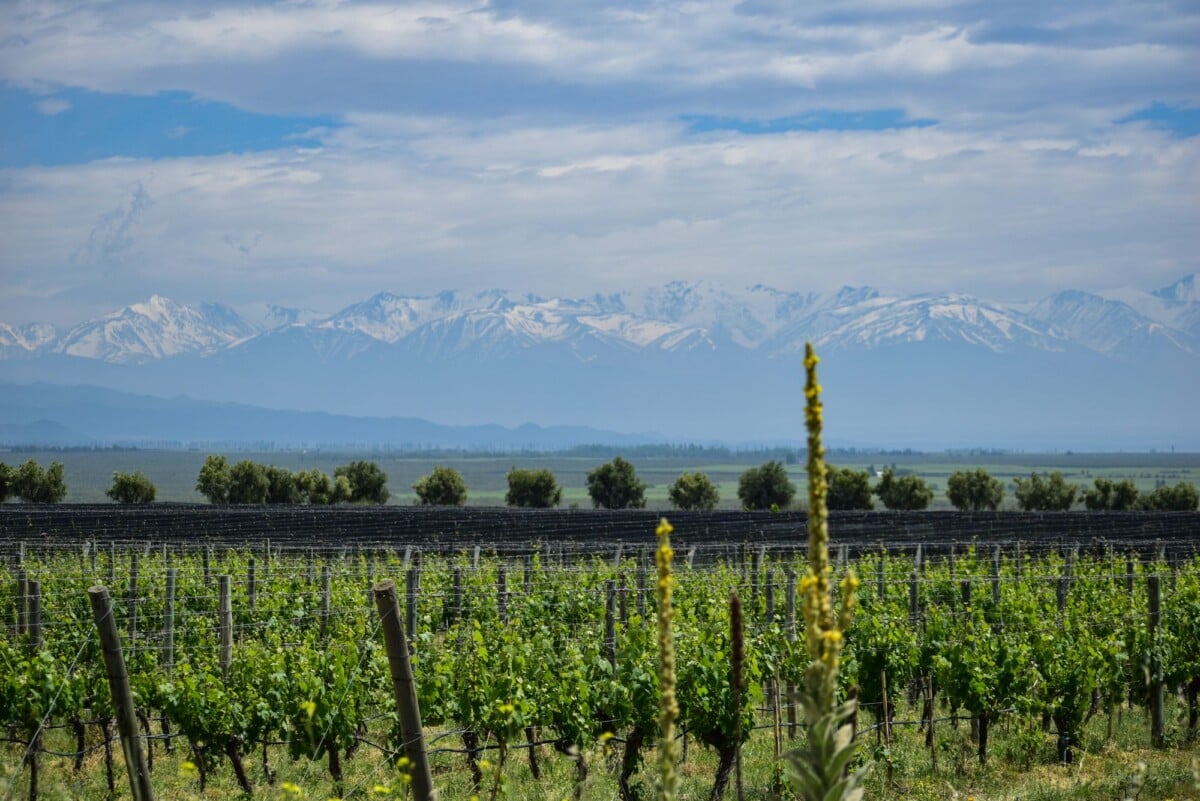
Mendoza needs more than a rushed overnight between the Andes and a wine tasting. Six nights give you time to explore the city, visit three distinct wine areas and take a mountain day without needing to drive after a tasting.
Day 6: Get to Know Mendoza City
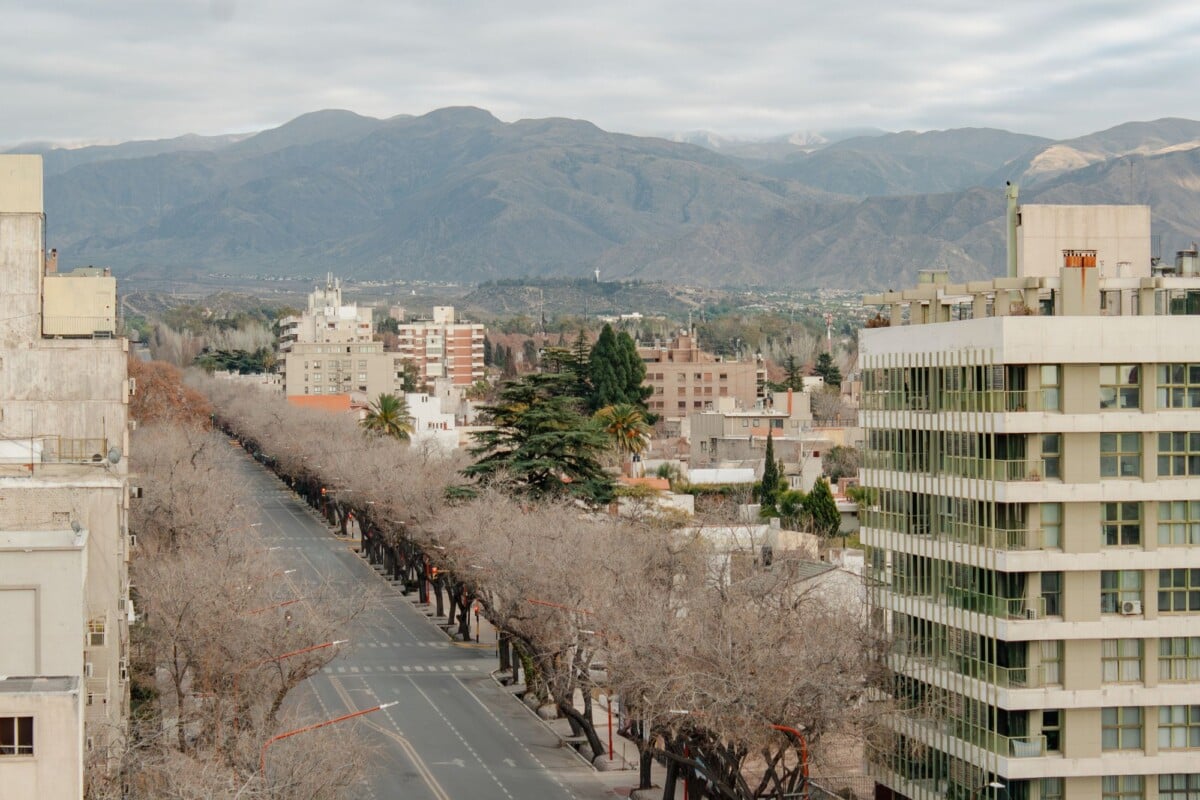
Use your first full day for Plaza Independencia, the pedestrian streets around the centre and Parque General San Martín. Mendoza’s broad, tree-lined streets and irrigation channels make it comfortable for walking, though summer heat can turn a long midday circuit into unnecessary character-building.
Day 7: Luján de Cuyo Wine Day
Luján de Cuyo is Mendoza’s classic Malbec area and is close enough for a relaxed guided day from the city. Reserve tastings and lunch ahead, especially during harvest season. A tour or private driver is the sensible option if wine is part of the plan; driving after tastings is neither practical nor a clever holiday story.
Day 8: Valle de Uco Wine Day
Valle de Uco lies farther south of Mendoza and makes a longer but rewarding full-day outing, with vineyard landscapes framed by the Andes. Before paying, choose a tour that clearly states its pickup point, winery count, meal arrangements and return time. Fewer wineries with enough time for lunch usually make a better day than a frantic tasting relay.
Day 9: Andes and Aconcagua Provincial Park
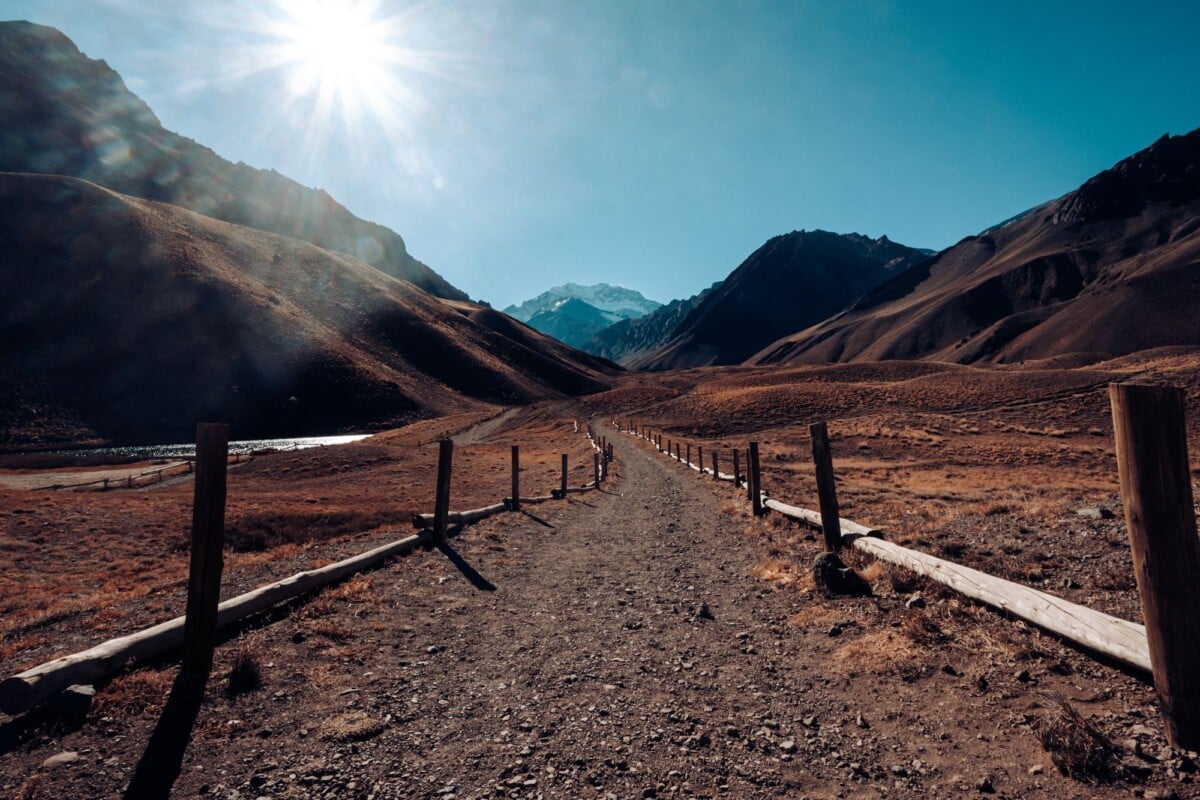
Use this day for the Argentine side of the Andes, following Route 7 towards Uspallata and Aconcagua Provincial Park. Park access, trail conditions and seasonal arrangements can change, so check the official Aconcagua Provincial Park information before you go. Pack layers, sun protection, water and cash for small roadside purchases. Our guide to essential hiking accessories for beginners covers navigation, hydration, changing weather and the practical items worth carrying on a mountain day.
Day 10: Maipú at an Easy Pace
Maipú is closer to central Mendoza and suits a lower-key final winery day. It has wineries, olive-oil producers and cycling tours, though cycling only works if everyone is comfortable with traffic, heat and the tasting schedule. Guided transport gives couples and groups more freedom to enjoy lunch without appointing one reluctant driver.
Day 11: Return to Santiago
Travel back to Santiago on Day 11 and book your final night before the long-haul flight. For an early departure, stay near Arturo Merino Benítez Airport; for a later flight, a central hotel gives you one more evening in the city. Allow the same full day for the border as you did travelling east.
A road closure can disrupt the plan, particularly in colder months. If you have a fixed international flight, keep a buffer night in Santiago, as this itinerary does, and do not schedule the cross-border journey for the morning of departure.
When to Take This Santiago and Mendoza Route
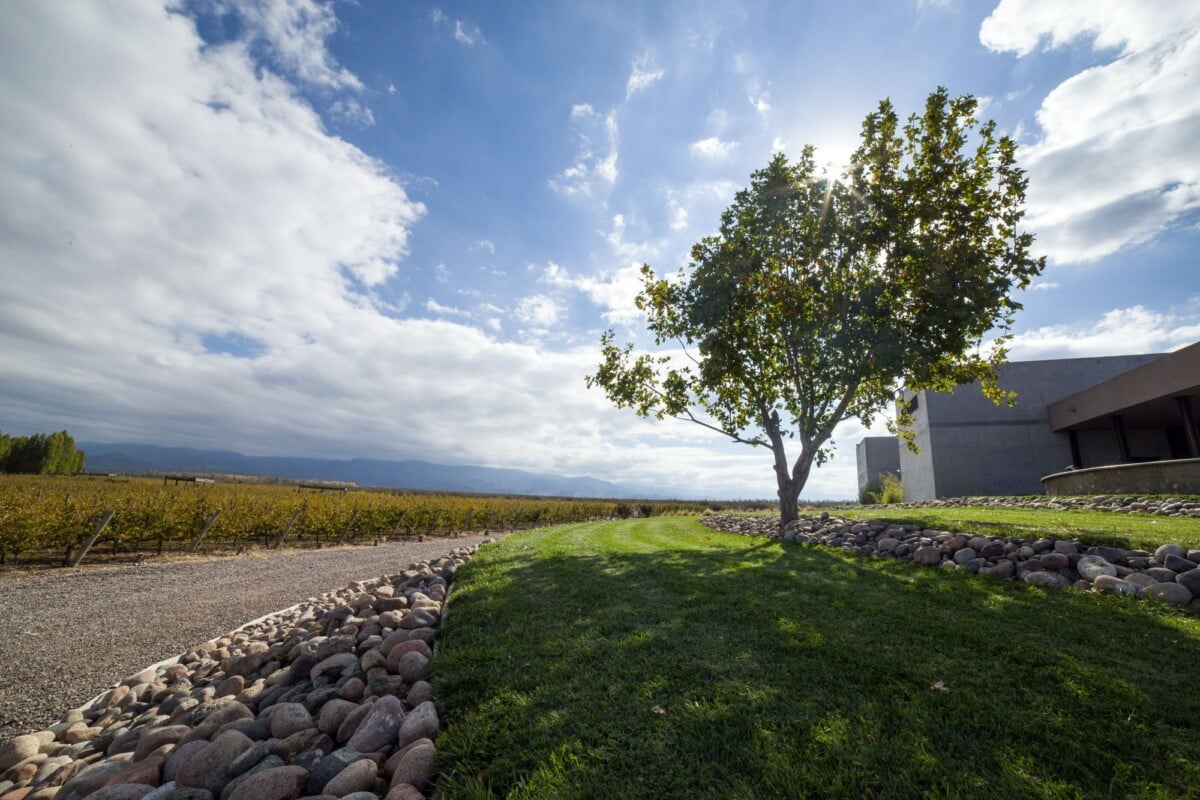
October to April is generally the easier period for a road-based Santiago and Mendoza itinerary, as winter snow is less likely to close the pass. Summer can be hot in Mendoza, especially for city walks and vineyard cycling, while spring and autumn usually bring more comfortable daytime temperatures.
March is harvest time in Mendoza and can be especially busy for winery visits and accommodation. Winter travel remains possible when the pass is open, but allow extra flexibility and consider flying between the cities if this route is essential to your trip.
What to Pack for the Andes Crossing
- Passport and border documents in a separate, accessible pouch.
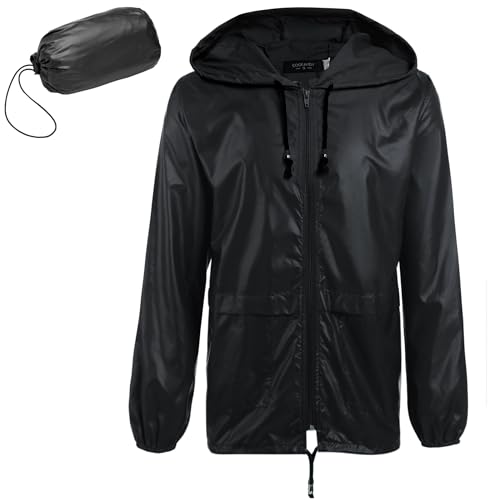
- A warm mid-layer and waterproof outer shell for higher-altitude stops.
- Sunscreen, sunglasses and a refillable water bottle for dry, strong mountain sun.
- Offline maps, a power bank and a charging cable.
- Small snacks that can be finished before entering Chile.
- Medication, basic pain relief and any motion-sickness treatment you normally use.
Keep a small amount of cash separate from your main wallet for roadside stops, transport and places where cards may not be practical. These tips for carrying cash safely while travelling explain how to divide money without making it difficult to access.
COOFANDY
COOFANDY Travel Packable Foldable Raincoat for Men Pouch Waterproof Breathable Golf Rain Jackets
We earn a commission if you buy through this link, at no extra cost to you.
Practical Booking Order
This route involves three hotel stays, two border-crossing days and several activities that benefit from advance reservations. Our trip-planning spreadsheet and itinerary guide can help you organise the dates, accommodation, transport and winery bookings in one place.
- Book international flights into and out of Santiago.
- Reserve the four Santiago nights, six Mendoza nights and final Santiago night.
- Choose bus, car or flight transport across the Andes.
- Confirm rental-car border permission before paying for non-refundable hotels.
- Reserve Luján de Cuyo and Valle de Uco tours or winery lunches.
- Check passport, visa, insurance and agricultural-declaration requirements.
- Monitor the Los Libertadores crossing status during the week before travel.
Frequently Asked Questions
Is 12 Days Enough for Santiago and Mendoza?
Yes. Twelve days gives you four nights in Santiago, six in Mendoza and a final Santiago buffer night, with two full days set aside for the cross-border journey. It is a comfortable pace for city time, wineries and an Andes day trip.
How Long Does the Santiago to Mendoza Border Crossing Take?
The drive is only part of the journey. Scheduled buses commonly allow roughly seven to nine hours between the cities, while migration, customs, weather and traffic can add substantial time at Los Libertadores.
Can You Drive a Rental Car From Santiago to Mendoza?
Some rental companies allow it, but only with advance written authorisation, suitable insurance and the correct vehicle documents. Confirm the policy before booking, as cross-border travel is not automatically included with every rental agreement.
Should You Stay in Mendoza City or Wine Country?
Mendoza city is the more flexible base for this itinerary because many tours collect there and it has more evening dining options. Chacras de Coria suits travellers who prefer a quieter vineyard-area stay and are happy to arrange more transport.
Is the Santiago to Mendoza Route Open All Year?
No. Paso Los Libertadores can close temporarily because of snow, wind or other mountain conditions, particularly in winter. Check the official border-complex status before leaving and keep the final Santiago night in place before an international flight.