
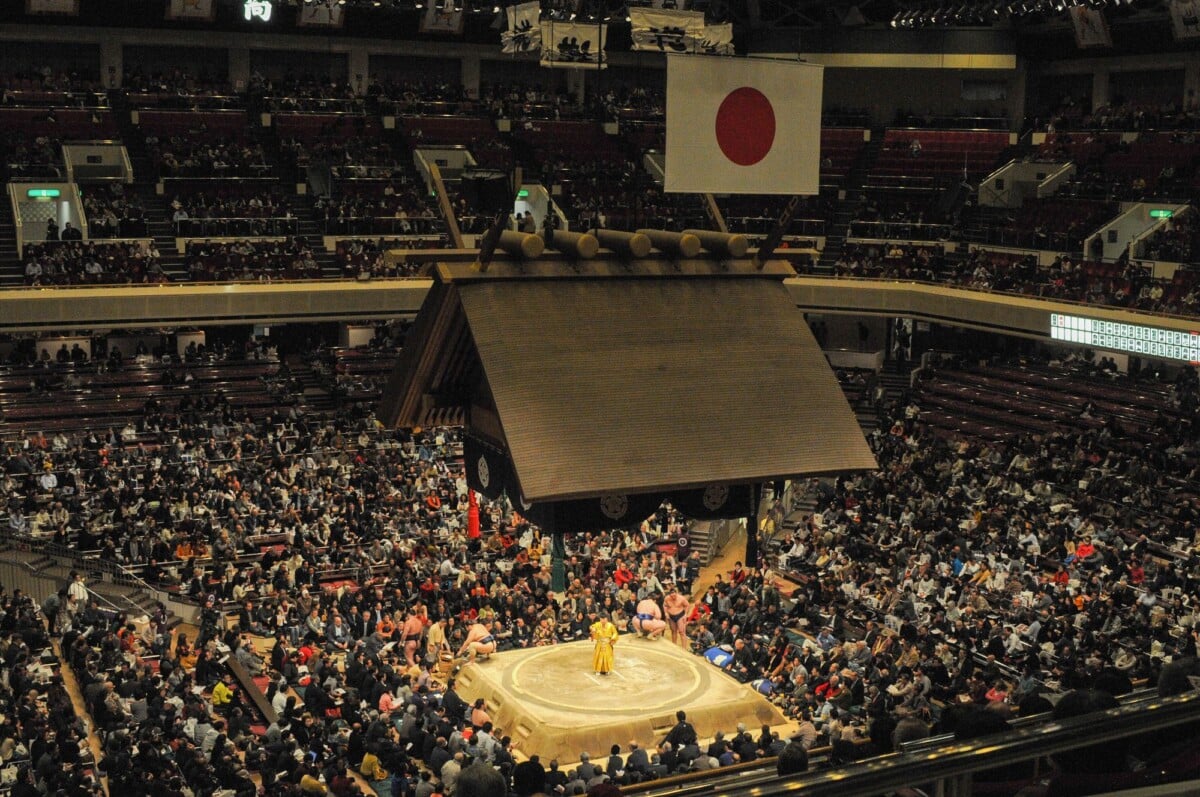
To plan a sumo wrestling visit in Japan, build your trip around one of the six annual Grand Sumo Tournaments, buy tickets through the official sales channel as soon as dates are released, and choose a seat that suits how long you want to spend at the arena. A tournament day runs from morning to early evening, although most first-time visitors arrive for the top-division bouts later in the day.
Sumo is a serious professional sport, with centuries of ritual woven into the programme, but you do not need any prior knowledge to enjoy it. A bit of practical planning helps, especially for Tokyo weekends, the final tournament days and popular box seats.
Choose the Right Grand Sumo Tournament
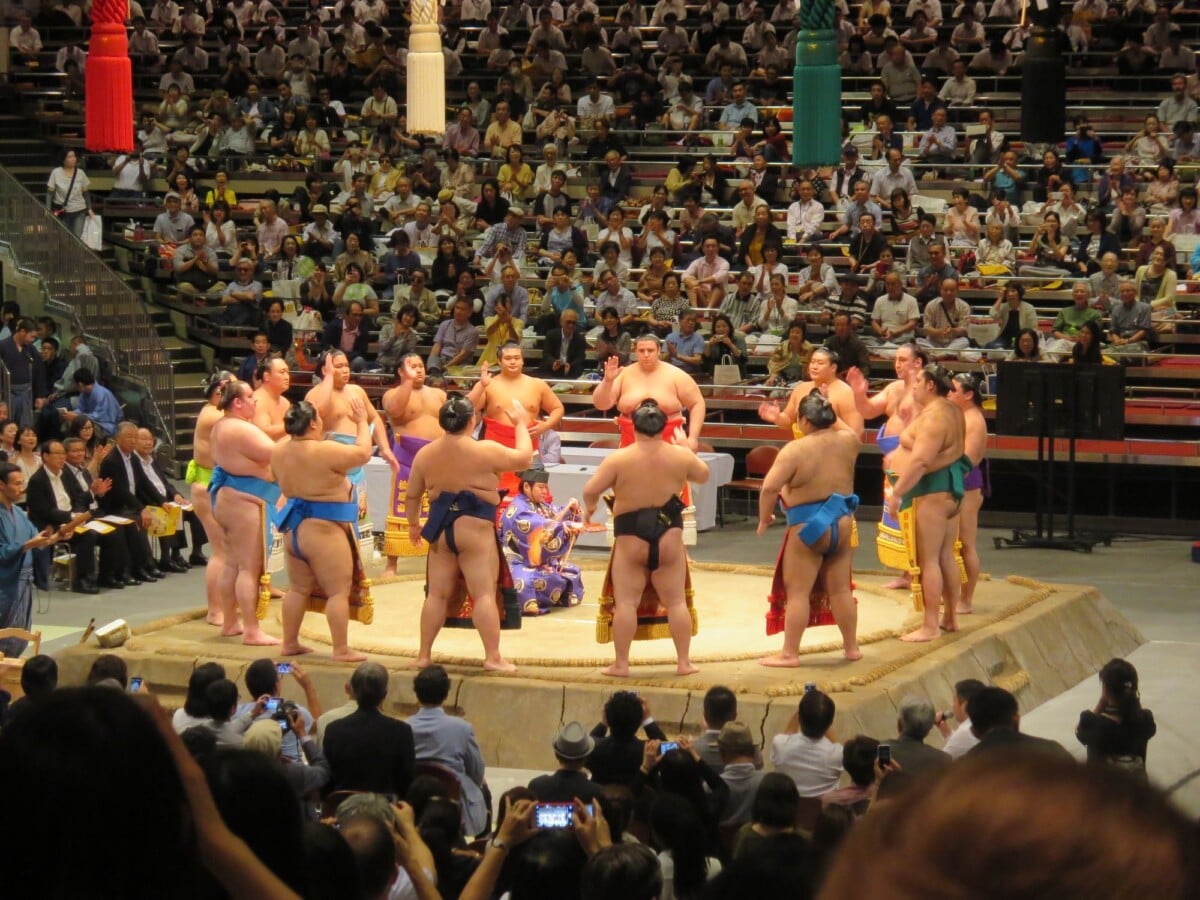
Japan holds six 15-day Grand Sumo Tournaments, known as basho, each year. The Japan Sumo Association publishes the confirmed annual schedule, venues and ticket announcements on its official English-language website.
| Month | Host City | Usual Venue | Useful Planning Note |
|---|---|---|---|
| January | Tokyo | Ryōgoku Kokugikan | Good fit for a Tokyo city break, though winter can be chilly outside. |
| March | Osaka | Edion Arena Osaka | Pairs well with Osaka, Kyoto and spring travel. |
| May | Tokyo | Ryōgoku Kokugikan | Popular timing for a longer Japan itinerary. |
| July | Nagoya | Venue announced by the Japan Sumo Association | Expect hot and humid weather around the arena. |
| September | Tokyo | Ryōgoku Kokugikan | A practical option after the main summer holiday period. |
| November | Fukuoka | Fukuoka Kokusai Center | Useful for travellers including Kyushu in their route. |
Each tournament runs from a Sunday to the following Sunday. Wrestlers compete once per day, and the standings matter more as the tournament goes on. Days 13 to 15 are often the hardest tickets to get, as title races can run right to the final afternoon.
For the most realistic balance of availability and atmosphere, aim for a weekday in the first week. You will still get the full top-division presentation, while ticket choice is usually better than at a weekend or on closing day.
For a January basho, you could also build the trip around the festive period. Our guide to New Year’s Eve in Tokyo covers winter activities, celebrations and ways to spend the start of the year in the city.
Where To Watch Sumo in Japan
Tokyo: Ryōgoku Kokugikan
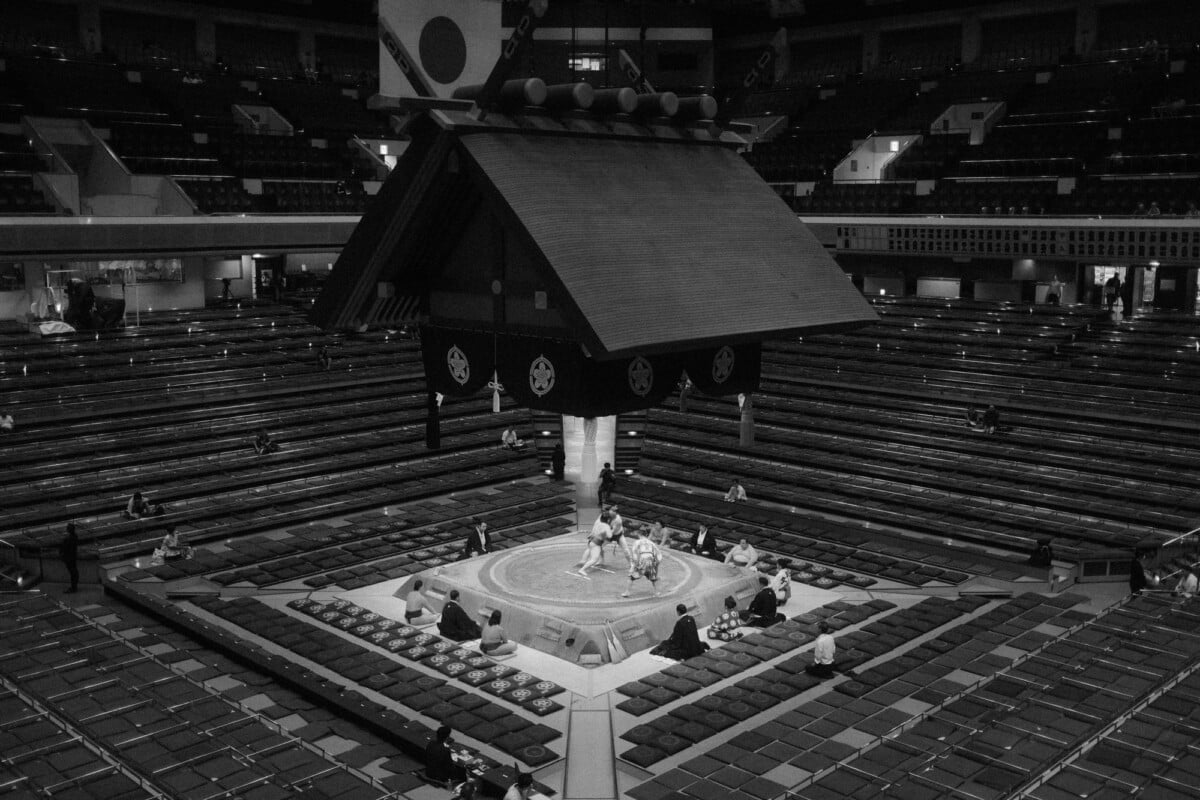
Tokyo is the simplest place to watch professional sumo. Ryōgoku Kokugikan is in the Ryōgoku neighbourhood, near Ryōgoku Station and well connected to the rest of the city. It hosts three of the six annual tournaments, giving you the best chance of matching a basho to your flight dates. Tokyo can still feel muggy in September: conditions were 74°F, overcast and 77% humid as of September 2026, so leave time to cool down before settling in for a long afternoon indoors.
The area has sumo connections beyond the arena, including sumo stables, restaurants serving chankonabe, the traditional high-calorie hot pot associated with wrestlers, and the Sumo Museum at the Kokugikan. Museum opening arrangements can change around tournaments and events, so check the official venue information before travelling. If you have another day in the Tokyo area, our guide to things to do in Yokohama covers food, nightlife and waterfront attractions.
Ryōgoku is handy for one night around the tournament, while Ueno, Asakusa and Tokyo Station work well if you want wider transport links. Travellers flying through the city may also find our guide to capsule hotels near Haneda Airport useful for an early arrival or late departure.
Osaka, Nagoya and Fukuoka
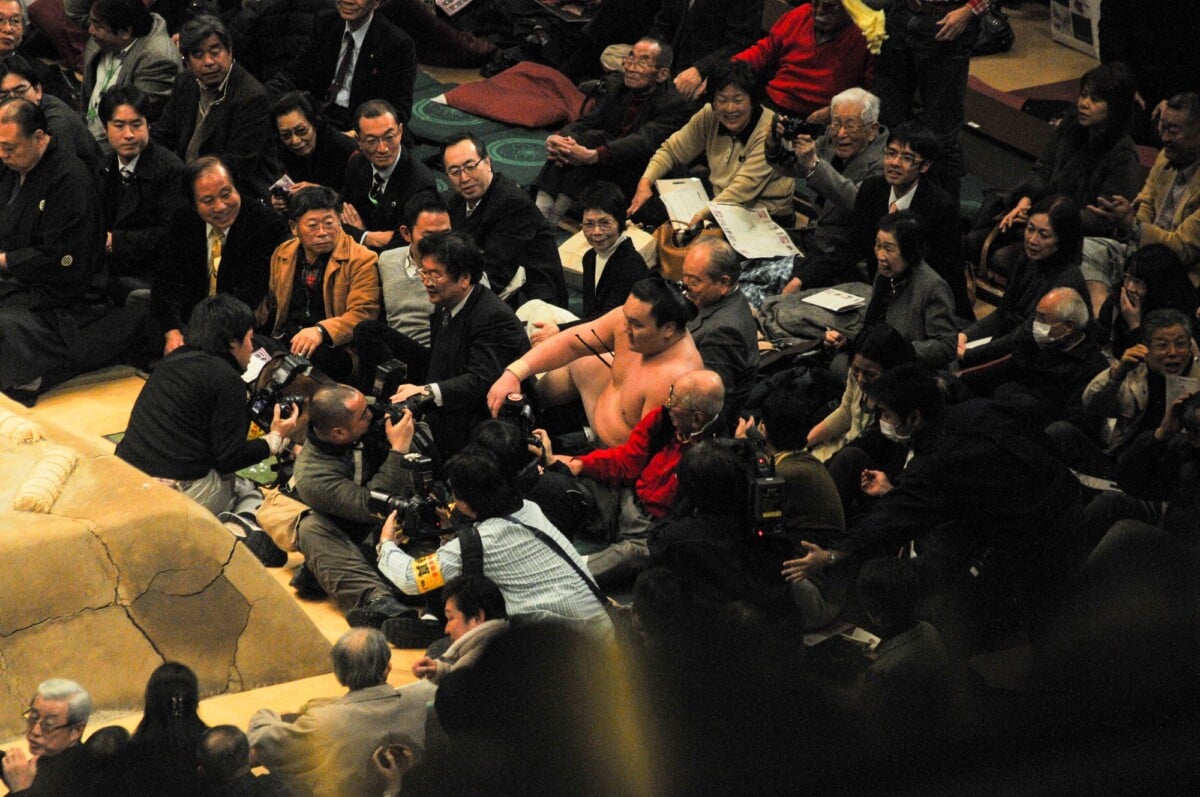
Osaka’s March tournament is a good excuse to add an afternoon of sumo to a Kansai trip. The venue is central enough for public transport, and a full tournament day still leaves your evening free for dinner in Osaka. Plan for rain outside the arena and on the walk from the station: Osaka was 72°F with light rain and 73% humidity as of September 2026.
Nagoya hosts the July tournament. The city sits well on the shinkansen route between Tokyo and Kyoto or Osaka, but summer heat can make a long day outdoors before and after the bouts tiring. Book accommodation with easy rail or subway access.
Fukuoka’s November tournament lets you see sumo away from the busiest Tokyo dates. Fukuoka Kokusai Center is in the Hakata waterfront area, and the tournament can fit neatly into a Kyushu route.
How To Buy Official Sumo Tickets
Use the Japan Sumo Association’s official ticket information to find the sales date and approved purchase route for your chosen tournament. Ticket arrangements, collection methods, payment options and overseas availability can differ by event, so do not rely on a timetable from an older blog post.
- Choose your tournament city and preferred date before booking non-refundable transport.
- Check the Japan Sumo Association’s annual schedule and ticket announcement page.
- Join the authorised ticket sale promptly when tickets open.
- Choose a seating category before checkout, as popular sections can disappear quickly.
- Save the confirmation details and read the collection or entry instructions carefully.
Buy only through an official seller or a reputable ticket agent with clear terms. Unofficial resale listings can be expensive, may not provide usable delivery to overseas addresses, and can cause problems if the venue checks booking details. If your preferred day is sold out, check official availability again later, as returned inventory can occasionally reappear.
A Japan itinerary has plenty of moving parts when a fixed-date event is involved. Our trip-planning spreadsheet and itinerary guide can help you keep tournament dates, hotels, rail journeys and cancellation deadlines in one place.
Which Sumo Seat Should You Book?
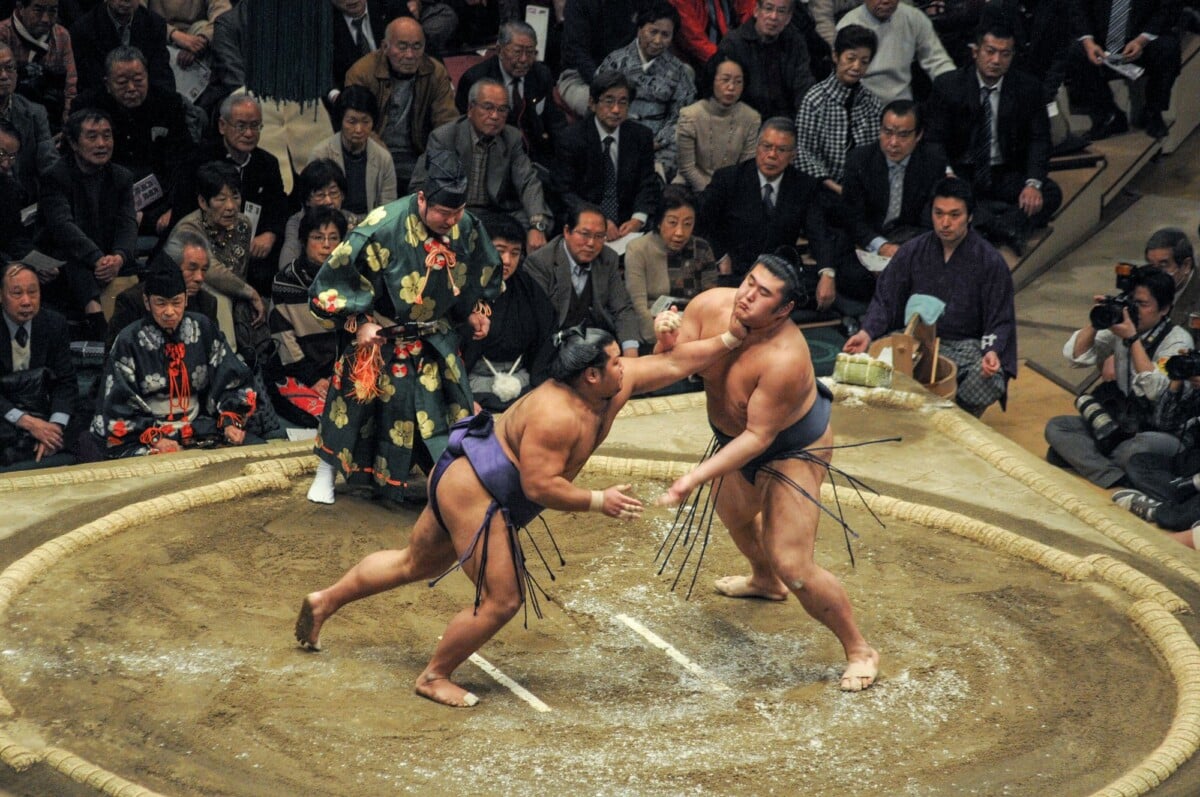
Ticket names and layouts vary by venue, but the main choice is usually between ringside floor seats, traditional box seating and raised arena chair seats. The seat that looks best in photos is not always the one that feels best after several hours on your knees.
Ringside Seats
Ringside or tamari seats are at floor level beside the raised ring. They offer the closest view of the wrestlers and pre-bout rituals, but come with strict rules and may have age restrictions. Wrestlers can fall out of the ring at speed, so these are not the relaxed option for young children or anyone needing extra space.
Traditional Box Seats
Box seats, often called masu seats, are low-floor spaces usually intended for a small group. You remove your shoes, sit on cushions and share the space with the people in your booking. They suit couples or friends after the traditional format, but can feel cramped for tall travellers and awkward for anyone with mobility concerns.
Arena Chair Seats
Chair seats are raised behind the floor sections and are generally the easiest choice for a first visit. You get a clear view of the ring, space to sit normally and more freedom to come and go during the day. A mid-level chair seat is often a sensible balance of comfort, view and cost.
Seat prices change by tournament, date and category. Check the official sales page for current amounts, including any handling charges. Weekends and final days usually have the greatest demand.
Plan Your Arrival Around the Match Schedule
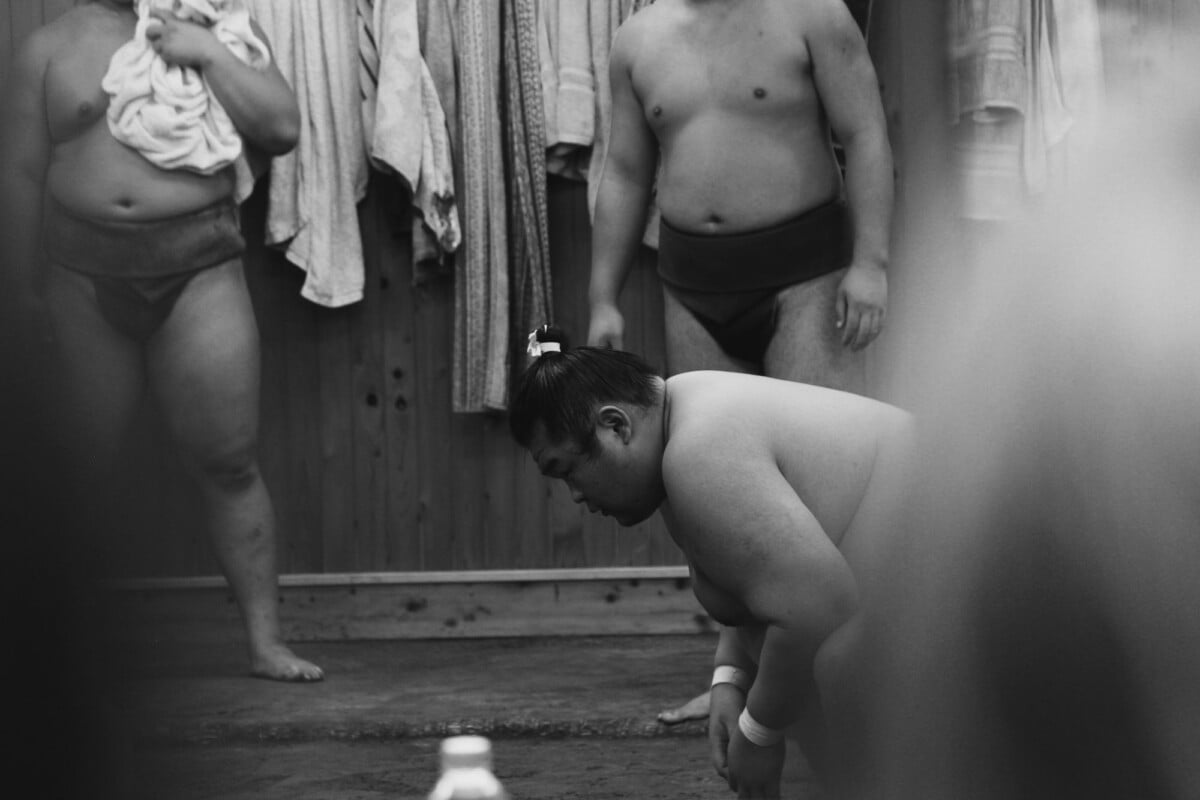
Doors open in the morning and lower-division bouts begin first. The programme builds through the afternoon, with the top makuuchi division appearing later and the final bouts usually ending around early evening. Exact timings are published for each tournament and can vary, so use the event-day schedule supplied by the organiser.
Arriving around mid-afternoon gives most first-time visitors enough time to find their seats, watch the arena fill up and see the top-ranked wrestlers. Arrive earlier if you want to watch the lower divisions, allow time for food and souvenirs, or have a floor-seat ticket that takes a little more settling into.
- Morning to early afternoon: lower divisions and a quieter arena.
- Mid-afternoon: second-tier jūryō wrestlers, growing crowds and more ceremony.
- Late afternoon to early evening: top-division bouts, entrances, major rivalries and the day’s closing match.
Each top-division contest can last only seconds, but the ceremonial build-up is part of the experience. Wrestlers enter, are introduced, perform rituals and may repeat the pre-bout routine several times. Leave room in your itinerary for it. Sumo does not rush for anyone’s dinner reservation.
Venue Rules and Sumo Etiquette
Sumo crowds are engaged and vocal, especially when a favourite wrestler steps into the ring, but they pay attention during the formal parts of the programme. Follow staff announcements and the printed conditions attached to your ticket.
- Do not use flash photography. Photography and video rules can differ by venue and event, so check current conditions before taking pictures.
- Stay seated during bouts and avoid blocking the view of people behind you.
- Follow staff directions around floor seating, aisles and exits.
- Remove your shoes if you have a box seat and follow the seating arrangement shown on your ticket.
- Check the venue’s current policy before bringing large bags, outside food or drink.
- Allow extra time at the end of the day, when a large crowd leaves at once.
A compact seat cushion can make a long session more comfortable in suitable seating areas, although it may not be allowed in every section. Check the ticket terms before packing one.
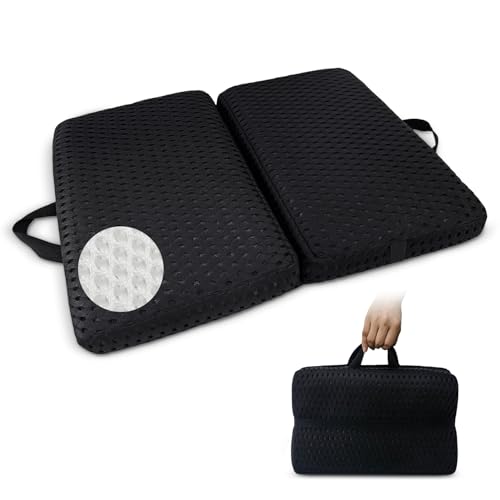
We earn a commission if you buy through this link, at no extra cost to you.
What To Wear and Pack for a Sumo Tournament
There is no formal dress code for standard spectator seating. Smart-casual clothes, comfortable layers and shoes that are easy to remove work well, particularly with a box seat. Arenas are indoors, but walks to stations and queues outside can be hot, wet or cold depending on the month.
- Your ticket confirmation, plus any passport or identification requested by the ticket provider
- A small power bank for tickets, maps and translation apps
- Cash or a payment card for food, drinks and souvenirs. These practical tips on carrying cash safely while travelling can help you keep it organised.
- A light layer for air-conditioned venues or cold Tokyo evenings
- Water and weather protection for the journey, subject to the venue’s entry rules
Keep luggage at your hotel or in a station locker where possible. Large cases add hassle on busy trains and are not much fun in narrow seating rows. If you are travelling with cabin baggage, our guide to organising your carry-on can help you keep tickets, identification, electronics and other tournament-day essentials accessible.
Alternatives If You Cannot Get Tournament Tickets
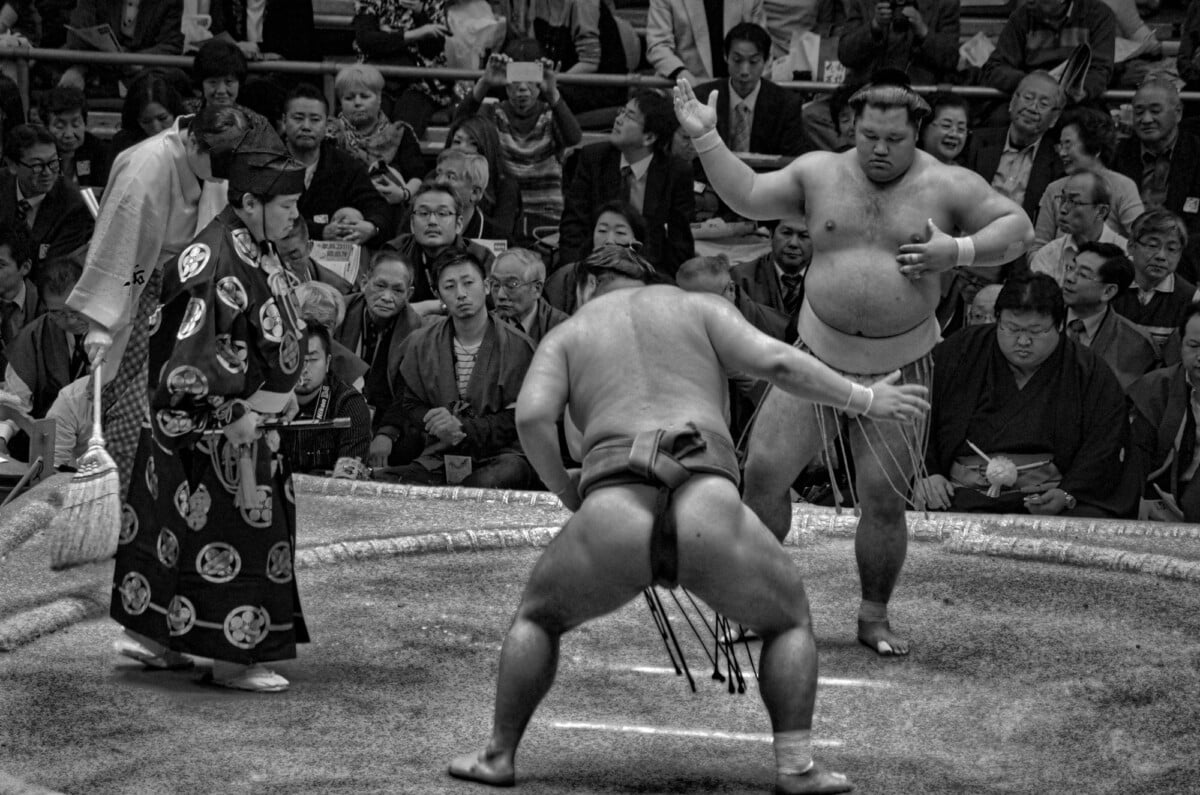
Grand Sumo Tournament tickets sell out for popular dates, but a tournament is not your only opportunity to see sumo in Japan.
Regional Sumo Tours
Professional wrestlers travel around Japan for regional exhibitions, called jungyō, outside the main tournament schedule. These events can include practice bouts, demonstrations and a more informal programme. Dates and locations vary each year, so check announcements through the Japan Sumo Association and the host venue.
Sumo Stable Practice
Some sumo stables accept spectators for morning practice by advance arrangement, often through specialist tour operators or accommodation providers. Access is limited, rules are strict and practice sessions can be cancelled or altered around tournaments. Treat a stable visit as a bonus, not the fixed centre of a Japan itinerary.
Sumo Restaurants and Cultural Shows
Some restaurants and visitor-focused shows use sumo themes, demonstrations or former wrestlers. They can be entertaining on dates when no professional tournament is running, but they are not the same as attending a sanctioned basho. Check exactly what is included before booking and keep expectations sensible.
How To Build Sumo Into a Japan Itinerary
For Tokyo, make the tournament your main afternoon and evening activity. Spend the morning in nearby Asakusa, Ueno or around the Sumida River, return to your hotel to drop bags if needed, then head to Ryōgoku well before the top division starts.
For Osaka, a tournament day works well after a quieter morning, particularly if you are arriving by train from Kyoto. In Nagoya or Fukuoka, choose accommodation near a subway or major rail connection so you are not crossing the city after the final bout.
If your route has room for more Japan beyond the tournament cities, our guide to Japan beyond the busiest tourist routes has ideas for adding a quieter stop to the itinerary.
Keep a little flexibility around the ticket sale. Book refundable accommodation where possible, and do not schedule a long-distance train journey for the same afternoon as a high-demand tournament ticket. The bout list may run to time, but getting across a busy city with luggage is another matter.
Frequently Asked Questions
How Far Ahead Should I Book Sumo Tickets in Japan?
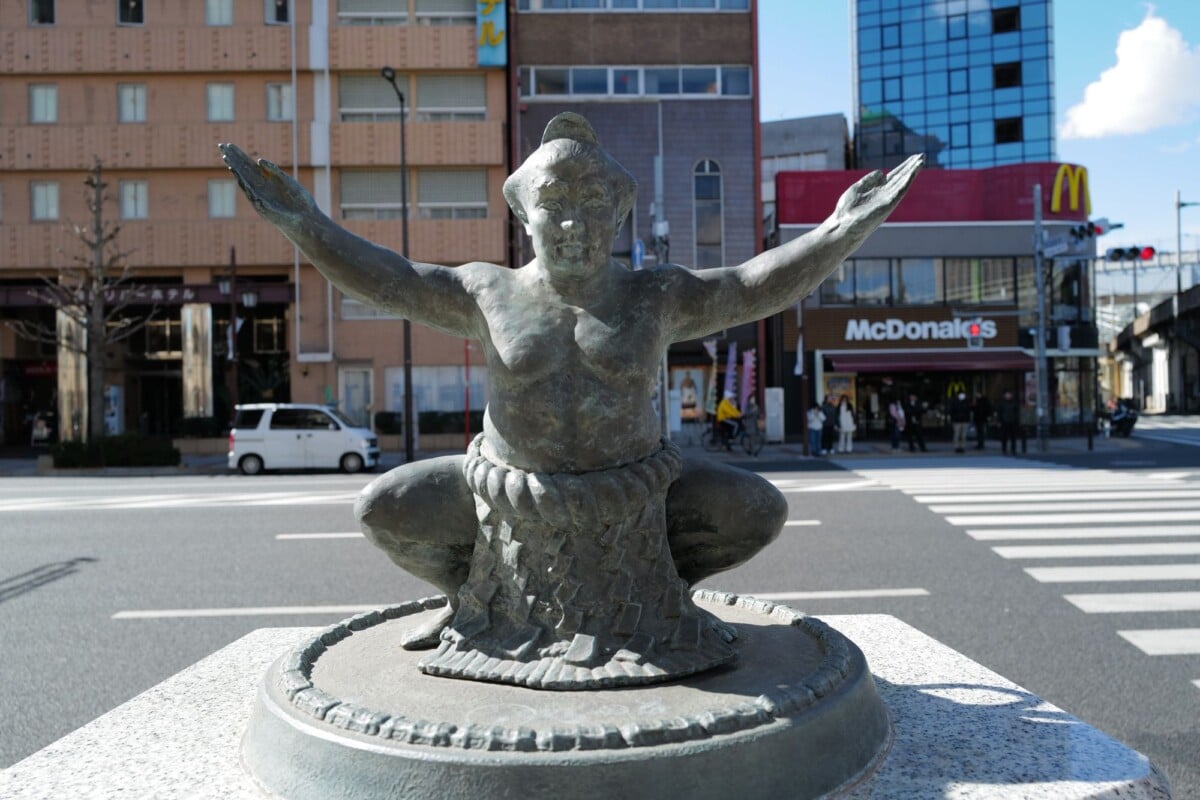
Check official ticket announcements several months before your trip and buy as soon as sales open for weekends, Tokyo tournaments and final days. Sales dates differ by basho, so the Japan Sumo Association’s current notice is the source to use.
Can You See a Sumo Tournament Without Speaking Japanese?
Yes. The action and ceremony are easy to follow visually, and the Japan Sumo Association provides English information online. Learn a few terms such as makuuchi, yokozuna and jūryō beforehand if you want more context.
How Long Does a Sumo Tournament Visit Take?
A full day can run from morning to early evening, while most first-time visitors spend three to five hours watching the upper divisions. Arrive earlier if you want to see lower-ranked wrestlers and a quieter arena.
Are Sumo Matches Suitable for Children?
Older children can enjoy the colour, ceremony and short bouts, especially from raised chair seating. Ringside floor seats may have restrictions and carry a risk from wrestlers leaving the ring, so check the official ticket conditions before booking. If sumo is part of a wider family trip, our guide to planning a family holiday in Japan and beyond includes advice on choosing manageable activities and leaving enough breathing room in the itinerary.
Can I Buy Food and Drink at a Sumo Tournament?
Food and drink options are commonly available at major tournament venues, but selection, payment methods and rules vary. Check venue information for your specific tournament and arrive early if eating before the busiest late-afternoon period.