
Not every European break needs a packed itinerary. Slow travel in Europe works best in places built for wandering, eating and soaking, and some now ask you to plan a little: since 1 January 2026, Madeira’s 2026 hiking rules require a reservation for every classified walking trail.
Below you will find five escapes that reward a gentler pace: lakeside walks in the Lake District, Madeira’s levadas, San Sebastián’s pintxos bars, Iceland’s Reykjanes Peninsula and the trulli of Alberobello, with what to book ahead for each.
Which Slow European Escape Should You Choose?
Each of these suits a different kind of slow day. Use the table to match the place to how you like to spend your time.
| Destination | Best for | Good base | Book or check ahead |
|---|---|---|---|
| Lake District, England | Lakeside walks and village pubs | Grasmere, Ambleside or Keswick | Walking conditions and waterproofs |
| Madeira, Portugal | Levada walks through laurel forest | A rural quinta or small guesthouse | SIMplifica trail reservation and fee |
| San Sebastián, Spain | Pintxos, beaches and long lunches | The Old Town or Gros | Three-star restaurant tables |
| Reykjanes Peninsula, Iceland | Geothermal bathing near the airport | Near Keflavík or Reykjavík | Blue Lagoon tickets and volcanic updates |
| Alberobello, Italy | Historic streets and trulli stays | A restored trullo in town | A night in town to see it after day-trippers |

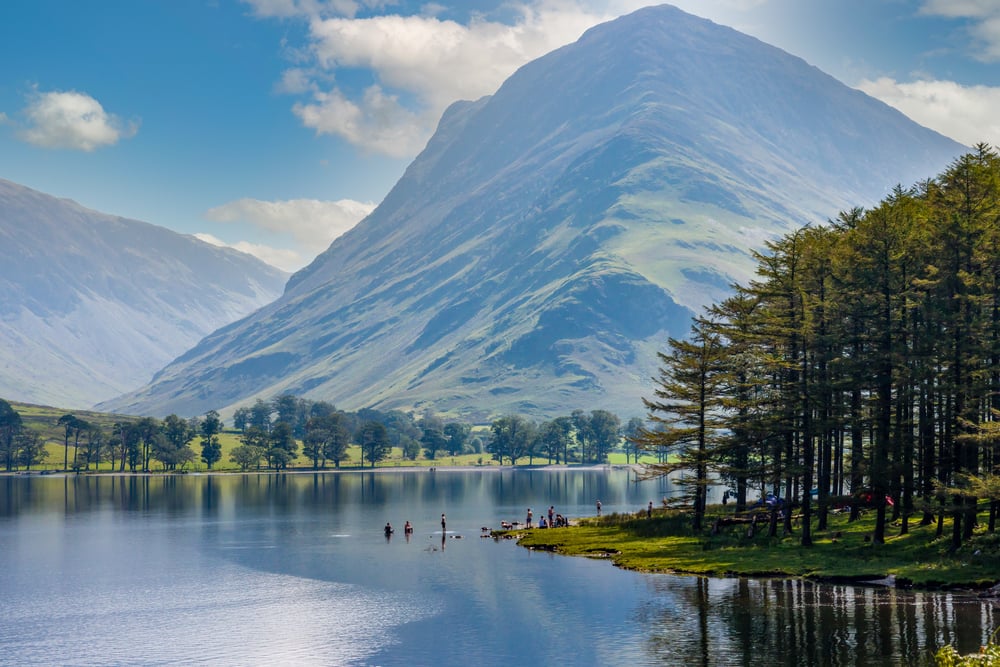
Lakeshores and Fells in the Lake District, England
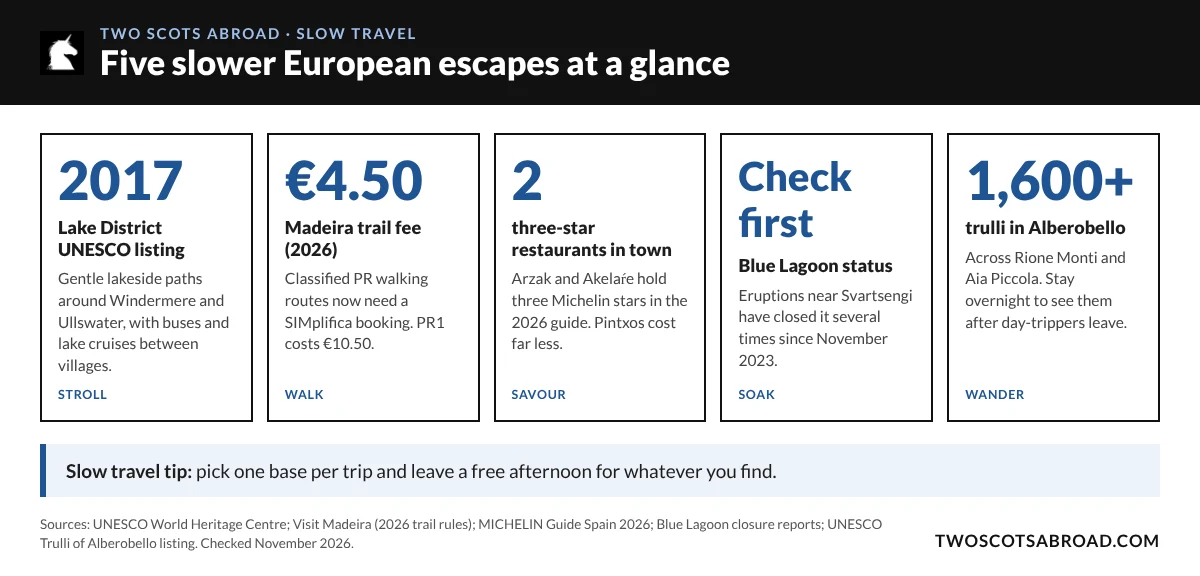
The Lake District in north-west England became a UNESCO World Heritage Site in 2017, and its lakes, fells and stone villages suit an unhurried holiday. Around Windermere and Ullswater, shorter lakeside paths give you the scenery without a mountain climb. Grasmere and Ambleside make good bases, with independent cafés, traditional pubs and trails close by.
Between walks, a boat trip on Derwentwater takes in wooded islands and fell views, with several landing stages for exploring the shore. In Grasmere, Dove Cottage was the home of William Wordsworth, and the village is known for its gingerbread.
Staying in a village cottage lets you set your own pace, and after a day on the lakeshore, unwinding in cottages with private hot tubs is an easy way to end the evening. The weather can change quickly even on easy routes, so pack waterproofs and check conditions before you set out. Local buses and lake cruises mean you don’t have to drive every day.
Levada Paths Through Laurel Forest in Madeira, Portugal
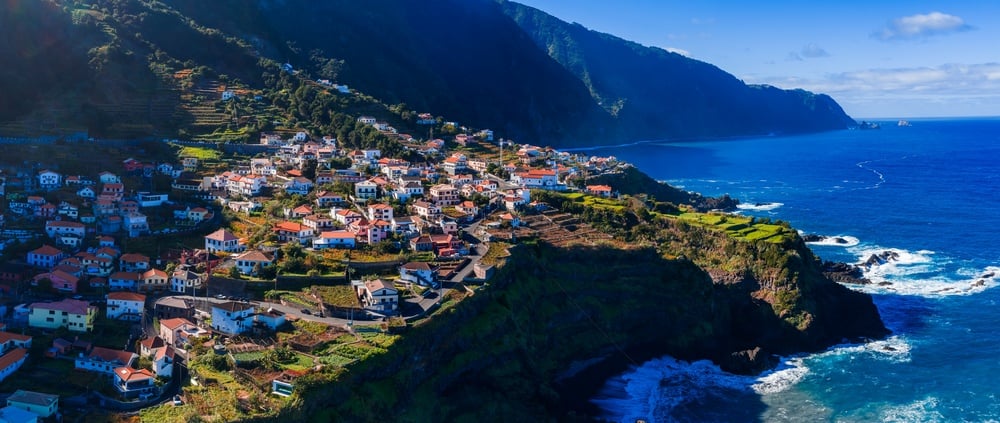
Madeira’s levadas are irrigation channels that have carried water across the island since the 15th century, and many have walking paths beside them. Some routes pass through the Laurisilva forest, a UNESCO World Heritage Site and the largest surviving area of the laurel forest that once covered much of southern Europe.
The Levada do Caldeirão Verde is one of the best-known walks, passing through tunnels and forested valleys to a waterfall below high cliffs. Shorter levadas offer mountain views without its length, tunnels or exposed sections. Afterwards, a café stop for a poncha (sugar cane spirit, honey and citrus juice) is a Madeiran tradition. Our guide to the Vereda do Larano coastal route covers another of the island’s walks.
Madeira Trail Rules for 2026
Many levadas have gentle gradients, but some have narrow paths, sheer drops and dark tunnels, so take a torch and check the trail status before you go.
| Rule | Detail |
|---|---|
| Reservation | Required for all classified PR trails, via the SIMplifica platform |
| Standard fee | €4.50 per person per classified trail |
| PR1 (Pico do Areeiro) | €10.50 per person |
| Residents of Madeira | No fee, but must still register |
| Walking without a booking | An infraction that can lead to a fine |
Fees and rules come from Visit Madeira’s travel FAQ, so check there before you book in case they change.
Pintxos and Three-Michelin-Star Menus in San Sebastián, Spain
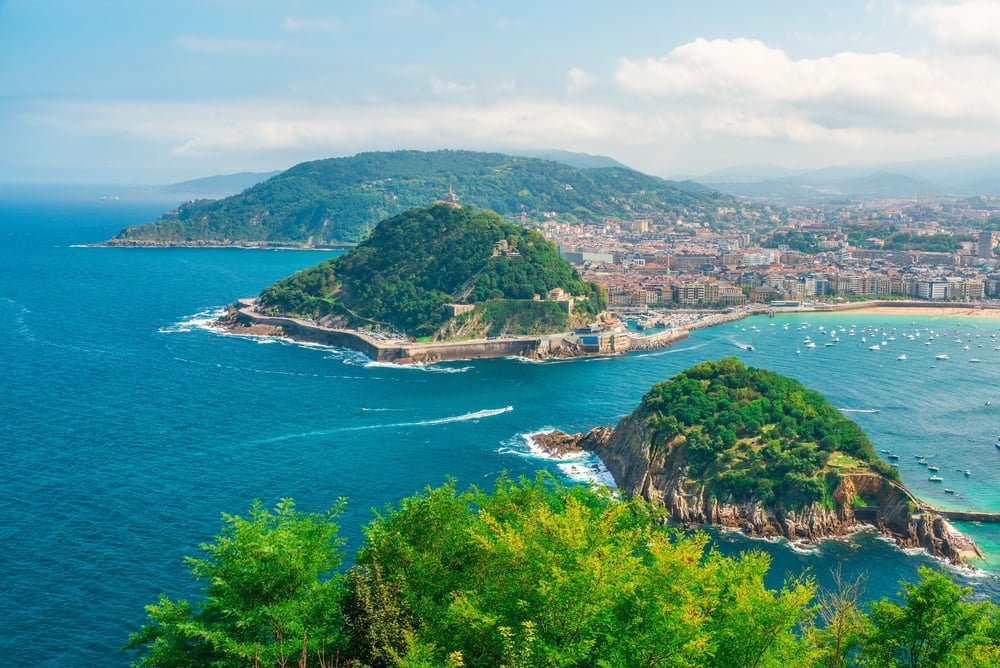
San Sebastián, on Spain’s northern coast, pairs excellent food with sandy beaches and a relaxed pace. The Old Town, or Parte Vieja, is packed with pintxos bars serving small bites topped with anchovies, cured ham or mushrooms. Spend an evening moving between a few bars, ordering one pintxo and a drink at each. For a special meal, Arzak and Akelaŕe both hold three stars in the MICHELIN Guide Spain 2026 list, so book well ahead.
Between meals, walk the La Concha promenade, which curves around one of the city’s best-known beaches. Gros has plenty of cafés, and nearby Zurriola Beach is popular with surfers. For views across the bay, ride the historic funicular up Mount Igueldo.
San Sebastián also works as a base when arranging tailor-made tours to Spain, especially for trips built around Basque food and wine, coastal towns and cider houses. The compact centre is easy to explore on your own, so allow at least two or three days. Our list of fun things to do in Spain has more ideas for the rest of the country.
Geothermal Waters in the Lava Fields of the Reykjanes Peninsula, Iceland
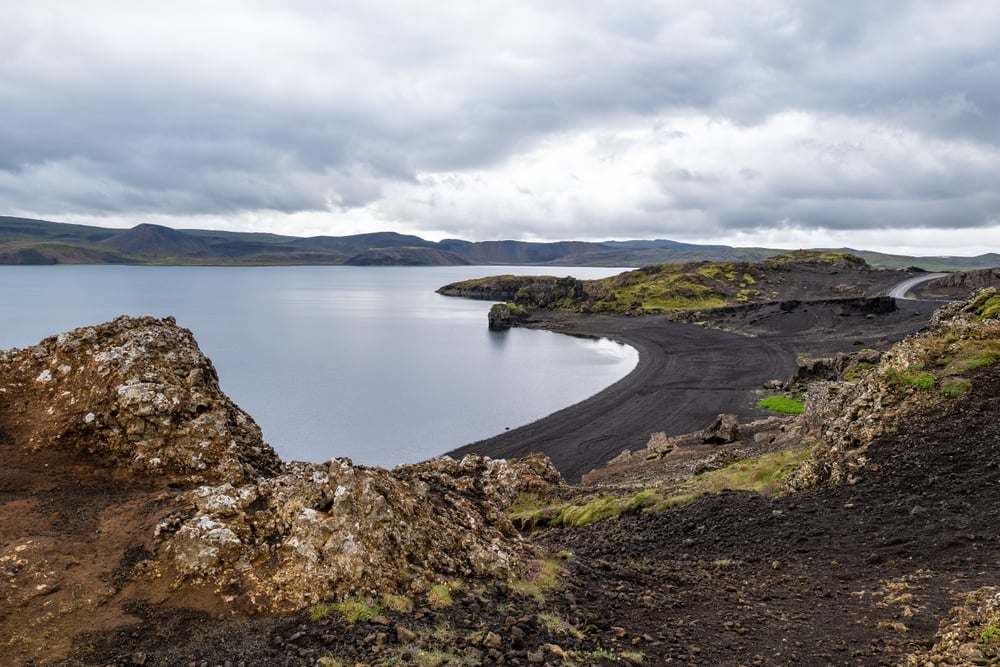
Iceland’s Reykjanes Peninsula is a landscape of lava fields, steaming ground and mineral-rich pools. The Blue Lagoon is its best-known sight, with milky-blue water set in black lava. It is man-made, filled with geothermal seawater from the nearby Svartsengi power plant, and a popular place to soak after a long flight.
There is more to the peninsula than bathing. At Seltún, in the Krýsuvík geothermal area, marked paths lead past bubbling mud pools, steam vents and coloured mineral deposits. Coastal roads pass cliffs, lighthouses and small fishing communities.
Reykjanes is close to Keflavík Airport, so it fits neatly at the start or end of a trip. Book the Blue Lagoon in advance, and check its website and official safety updates before you go: eruptions near Svartsengi have closed it several times since November 2023, and the nearby town of Grindavík has also been affected. Stay on marked paths in geothermal areas. Our 4-day Iceland itinerary shows how to fit it into a short trip.
Wandering Among the Trulli of Alberobello, Italy
Alberobello, in Puglia, is famous for its whitewashed limestone houses with distinctive conical roofs, known as trulli. According to the UNESCO listing for the Trulli of Alberobello, there are around 1,620 across the historic districts of Rione Monti and Aia Piccola.
Rione Monti’s narrow lanes are lined with trulli now used as shops, cafés and restaurants, while Aia Piccola is a quieter residential area. Wander between them, stop at a bakery, or try orecchiette with turnip greens. Several restored trulli take overnight guests, which makes a memorable change from a hotel.
The town is small enough to explore on foot, but the cobbles and steps call for comfortable shoes. Staying overnight lets you see it early or late, after the day-trippers leave. The surrounding Itria Valley has olive groves, dry-stone walls and towns such as Locorotondo for another day. Our southern Italy travel guide covers more of the region.
Still deciding? The picker below matches you to one of the five.
 Which Slow European Escape Suits You?
Pick what you most want from the trip, how much walking you fancy and how you plan to get around. We will match you with one of the five escapes in this guide and give you the main thing to book ahead.
1. Your perfect slow day
2. Walking
3. Getting around
Book or check ahead
Also consider
Slow Travel in Europe FAQ
What is slow travel?
Slow travel means staying longer in fewer places, so you spend more time enjoying a destination and less time packing and moving on.
Do I need to book Madeira levada walks in advance?
Yes, for classified PR trails. Since 1 January 2026, they need a SIMplifica reservation and a fee, usually €4.50 per person.
Is the Blue Lagoon open?
It has reopened after each eruption so far, but closures can happen at short notice. Check the Blue Lagoon website and official Icelandic updates before you travel.
How long should I spend in San Sebastián?
Two or three days lets you enjoy the pintxos bars, beaches and viewpoints without rushing.
Can you stay in a trullo in Alberobello?
Yes. Several restored trulli operate as guest accommodation, and staying overnight lets you see the town when it is quieter.