
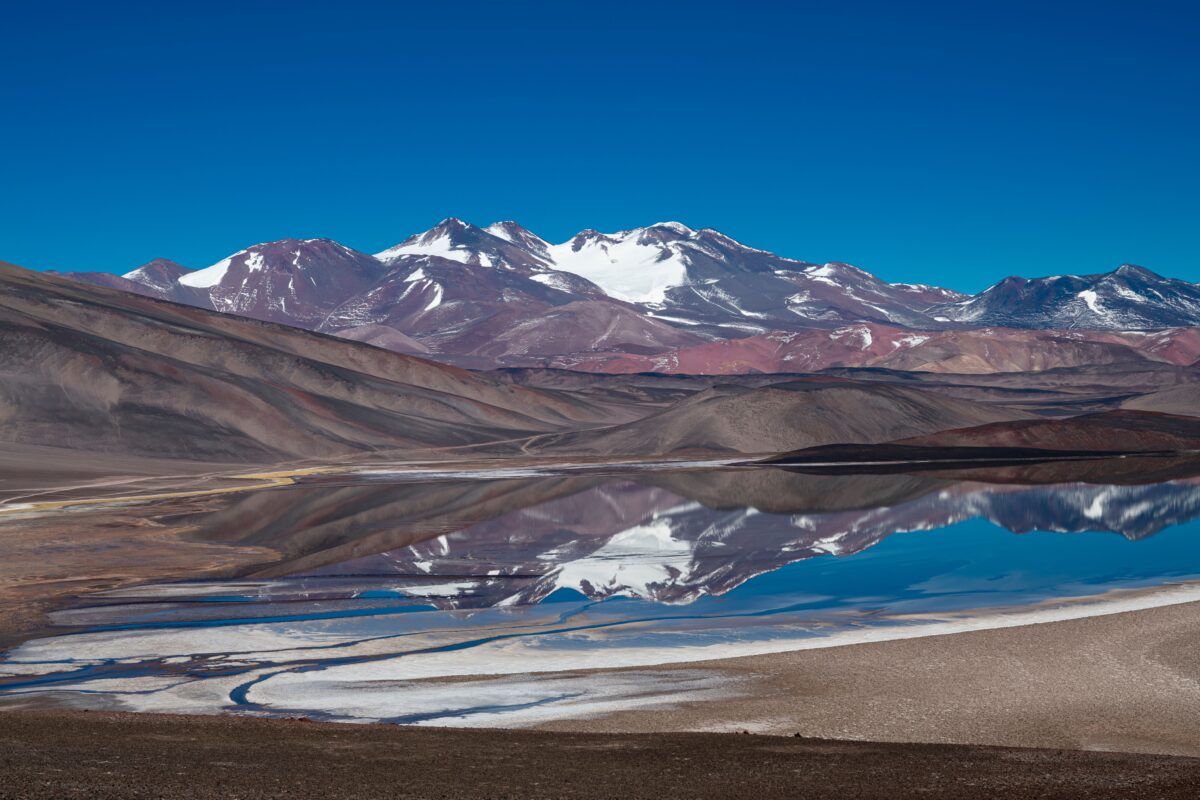
Ojos del Salado is the world’s highest active volcano, and it rises to 22,615 feet on the Chile-Argentina border, or about 6,893 meters if you prefer your altitude in numbers that look slightly less absurd.
That makes it a bucket-list target for high-altitude climbers, but this is not a casual scenic walk with a nice view at the end. The mountain is considered more accessible than Everest for experienced climbers, yet it still demands time, acclimatization, strong logistics, and a healthy respect for thin air. Summit success on commercial expeditions is often heavily tied to weather windows and how conservatively the itinerary handles altitude, which is a polite way of saying trying to rush this mountain is a bad bargain.
The payoff is big. Think Atacama Desert landscapes, crater features, salt-streaked slopes, a high-elevation lake, and approach routes that feel properly remote. In backpacker terms, this is less cheap weekend hike and more save-up-for-it expedition. If you already like stark places such as quiet dune landscapes on the Oregon coast, this is the Andes version after someone turned the altitude dial all the way up.
Where Ojos Del Salado Sits In The Andes
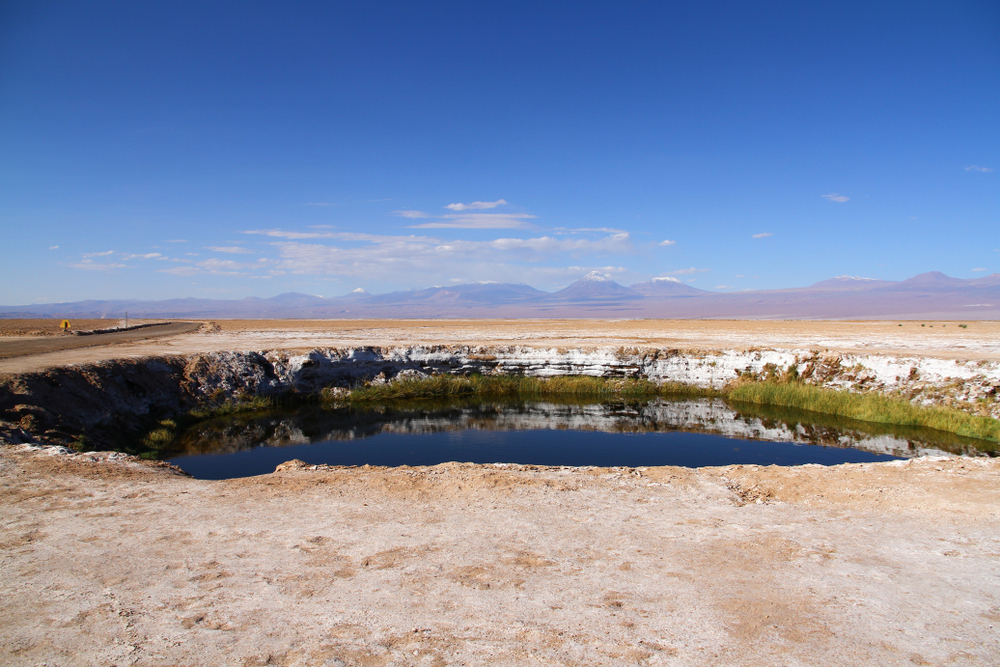
Ojos del Salado stands in the Andes between Chile and Argentina and is part of a complex stratovolcano system shaped by craters, lava domes, and old lava flows. Its name is tied to the area’s heavy salt deposits, with the salt and lagoons said to resemble eyes from above.
It is also considered a sacred site in Andean culture, with archaeological finds in the wider high Andes showing how seriously these mountains were woven into pre-Columbian ceremonial life. That gives the place a bit more weight than just another line on a peak-bagging spreadsheet.

We earn a commission if you buy through this link, at no extra cost to you.
Depending on the season, the summit can hold a sheet of snow above a stark desert landscape. That contrast is a large part of the draw. You are not getting soft green alpine meadows here. You are getting high, dry, exposed terrain that looks almost otherworldly. In the Atacama region, daytime sun can feel brutal while nights plunge well below freezing, so the scenery comes bundled with serious temperature swings.
How Hard The Climb Really Is
There is a reason Ojos del Salado is often described as relatively accessible for its height. Much of the route is nontechnical compared with heavily technical alpine objectives.
That does not mean easy. It means the climb is less dependent on advanced technical mountaineering for long sections, while still being brutally serious because of the extreme altitude, weather, and exposure.
The final summit section can involve scrambling or rope-assisted movement, often in strong winds. At more than 22,000 feet, even simple movement stops feeling simple. That is where many ambitious travel plans meet reality and start breathing very, very slowly. Crampons, helmets, and cold-weather boots are commonly required depending on conditions, and guides may adjust the final push if snow or ice turns the upper route nastier than expected.
The trek typically covers more than 30 miles with over 8,000 feet of elevation gain. Timelines vary, but the climb generally takes at least eight to 10 days, and many guided expeditions stretch to one or even two weeks to allow proper acclimatization. On shorter itineraries, the trade-off is obvious: less time usually means less margin.
Why Acclimatization Matters So Much Here
On a mountain like this, acclimatization is not a nice extra. It is the whole game. Spending longer on the approach gives climbers time to adjust to thinner air and build in rest stops before pushing higher.
Budget travelers eyeing the shortest itinerary should read that twice. A faster trip may sound efficient, but on a mountain this high, rushed altitude plans can become expensive mistakes. Headaches, nausea, poor sleep, and loss of appetite are common warning signs at altitude, and if symptoms worsen, the cheapest fix is often the oldest one in mountaineering: go back down.
Why Most Expeditions Start From Chile
You can approach Ojos del Salado from either country, but more than 90% of expeditions leave from the Chilean side. That route is generally considered shorter and easier, which explains the clear preference.
Most travelers heading in from Chile fly into Copiapó Airport, also known as Desierto de Atacama Airport, then continue by road toward the volcano. From Copiapó, the drive by 4×4 takes about five hours to reach the base area. Copiapó also works as the last practical place to sort fuel, snacks, cash, and gear gaps before the desert gets very empty, very fast.
For independent-minded travelers, this is the point where the fantasy of winging it usually starts to wobble. The region is remote, road conditions can matter a lot, and the climb itself is widely treated as one to do with an experienced guide. If your flights into Chile go sideways before you even get to the desert, it is worth knowing how to claim compensation for a delayed UK flight, because lost time on an acclimatization-heavy itinerary can sting more than usual.
What Guided Ojos Del Salado Expeditions Cost
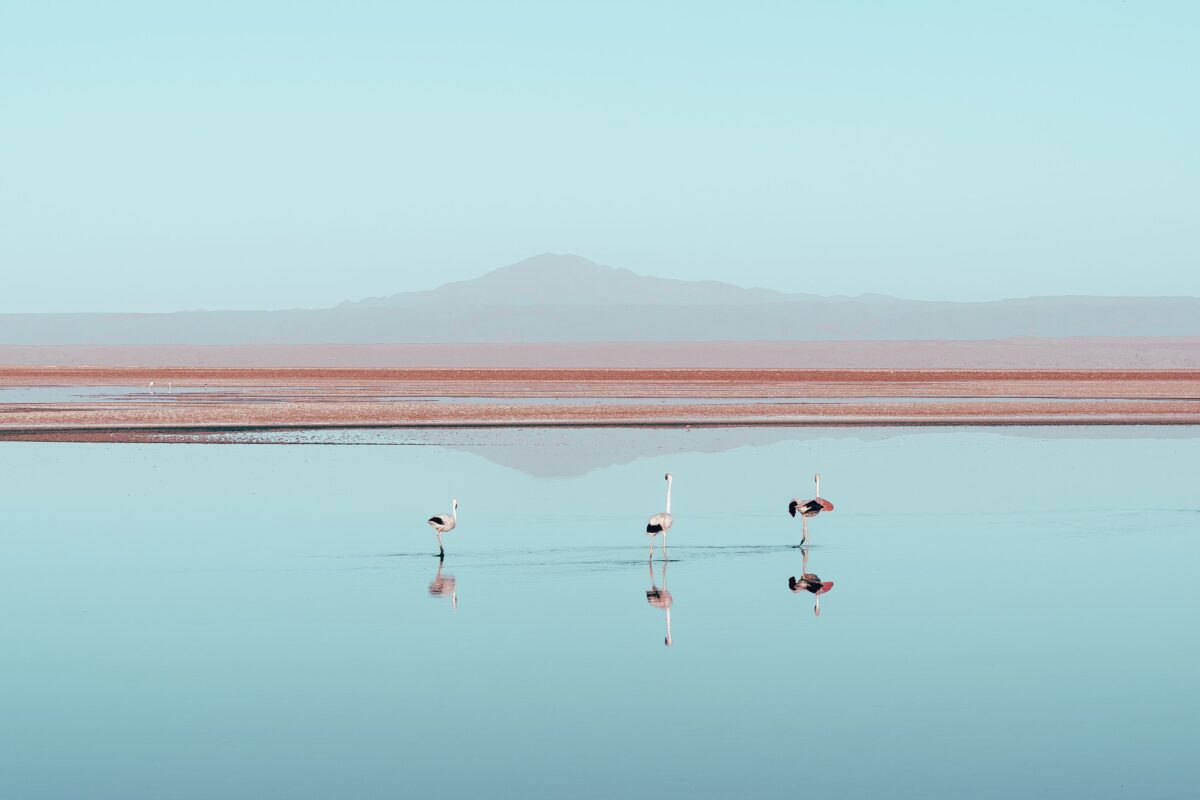
Prices vary sharply depending on operator, itinerary length, and how the trip handles acclimatization.
International mountaineering operators offer 12- to 15-day expeditions priced at roughly $8,000 to $10,000. Another option compresses the trip into nine days using pre-trip acclimatization conditioning with hypoxic training, at a similar price level.
A local operator offers 14-day expeditions around $4,000, which is a major difference if budget matters more than big-brand expedition packaging. That same company also offers a modular trekking setup that lets climbers choose and pay for specific peaks along the way. In many cases, the lower local price still includes core logistics such as transport, group gear, refuge stays, and meals in the mountain phase, but not always hotel nights in town, insurance, rental equipment, or emergency rescue cover, so the small print matters a lot.
| Expedition Style | Typical Length | Approximate Cost | Notable Detail |
|---|---|---|---|
| International guided expeditions | 12 to 15 days | $8,000 to $10,000 | Gradual pacing focused on acclimatization |
| Compressed guided expedition | 9 days | Similar pricing | Uses pre-trip hypoxic acclimatization training |
| Local guided expedition | 14 days | Around $4,000 | Lower price point and modular peak options |
That gap is worth noting. For backpackers and budget-focused adventure travelers, local operators may offer the most realistic entry point, though lower cost should still be weighed against guiding standards, inclusions, transport, and altitude support. Reviews of budget operators are often positive on logistics but mixed on comfort, food variety, and how polished the communication is before arrival, which is not shocking on a trip built around remote desert camps instead of spa robes.
What You Can See Without Attempting The Summit
Not every trip to Ojos del Salado has to end at 22,615 feet. Chile’s tourism planning includes a two-day base-area itinerary from Copiapó with stops that still deliver the mountain’s big scenery without the full expedition commitment.
Highlights include Laguna Verde, Refugio Tejos, and the Puna de Atacama. For travelers who want remote desert views and high-altitude drama without a summit push, that is the more sensible lane. If your wider South America trip already includes urban stops such as Medellín beyond the tourist clichés or beach time around sunny Santa Marta, this side trip is the opposite mood entirely: empty, cold, mineral, and gloriously harsh.
Laguna Verde Is More Than A Pretty Photo Stop
Laguna Verde stands out for its turquoise water, nearby hot springs, flamingoes, and wide mountain views. It is often used as an acclimatization stop on Chile-based expeditions, which makes it both scenic and practical. The lagoon sits at roughly 14,000 feet, so even the “easy” scenery day can leave people puffing on short walks.
That combination matters. On many high-altitude trips, acclimatization days can feel like logistical purgatory. Here, at least, the waiting room comes with serious views. The hot springs help, too, though nobody should confuse a soak with a medical altitude strategy.
Refugio Tejos Sits Near One Of The Highest Roads On Earth
Weather and road conditions permitting, travelers may also reach the road to Refugio Tejos, a mountain hut at about 19,000 feet. The road leading there is described as one of the highest motorable roads in the world.
That does not make it casual road-trip territory. It does mean the mountain serves up dramatic altitude access even before the final climbing stages begin. Vehicles can and do turn back when snow, wind, or rough surface conditions get ugly, so anyone building a tight schedule should leave room for the mountain to ignore those plans completely.
The World’s Highest-Altitude Lake Is Near The Summit
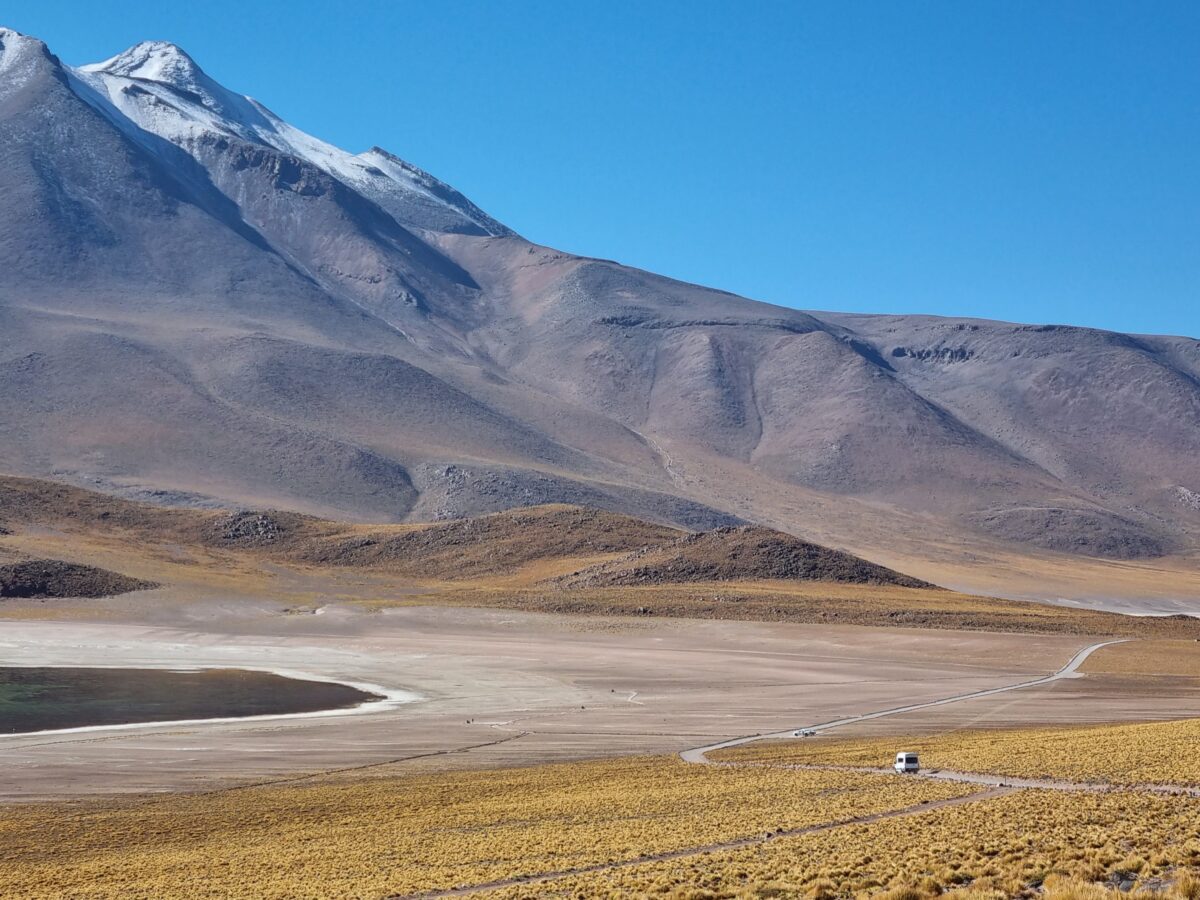
Ojos del Salado has another record attached to it. It is home to what is often cited as the world’s highest-altitude lake, a permanent crater lake sitting at 20,965 feet.
The lake is less than 350 feet wide, so this is not some giant sapphire basin dropped into the Andes. It is small, stark, and scientifically odd enough to be memorable. More importantly for travelers, it adds a rare bragging-rights detail to a mountain already overloaded with them. At that height, even taking a few photos can feel like a task completed under management review by your lungs.
It also sits roughly 1,600 feet below the summit, which says plenty about the scale of the place.
Why Ojos Del Salado Appeals To Adventure Travelers
This mountain sits in a sweet spot for a specific kind of traveler. It offers a world-record objective, huge landscapes, and a route that is considered more achievable than the very biggest Himalayan names, while still remaining a proper expedition.
That balance is the hook. Ojos del Salado is not cheap in absolute terms, and it is definitely not easy, but it can be a more realistic high-altitude goal than peaks that demand even more technical skill, risk, or spending. For climbers building toward bigger objectives, it often lands in the conversation as a serious altitude test without Everest-level bureaucracy.
For travelers already heading through northern Chile or northwestern Argentina, it also connects with broader regional appeal. Chile’s remote hiking landscapes and Argentina’s food-and-wine reputation mean the approach and recovery days do not have to feel like dead time. Just do not underestimate the desert logistics. This is not Bogotá, where a neighborhood debate like La Candelaria versus Chapinero can shape your trip. Out here, the bigger question is usually whether you packed enough water, layers, and patience.
Budget Realities Before You Start Dreaming About The Summit
For backpackers, the key point is simple: this is not a bargain adventure. Even the lower quoted guided pricing sits far above the usual budget-travel playbook.
Still, there are different ways to engage with the area:
- Summit expedition: Highest commitment in cost, time, and physical demands.
- Base-area exploration: Better fit for travelers who want the scenery and altitude atmosphere without a full climb.
- Longer regional trip: Pair northern Chile or the Argentine side with other Andes stops to spread transport costs across a bigger journey.
If you are comparing this with mainstream trekking trips, remember the hidden budget killer is not always the tour price. It is the combination of remote transport, extra days for acclimatization, and specialist guiding. Add possible gear rental, travel insurance that specifically covers high altitude, and weather buffers, and the final total can wander upward with alarming confidence.
Who Should Actually Put Ojos Del Salado On The List
Ojos del Salado makes the most sense for experienced high-altitude travelers, committed mountaineers, and adventure seekers who know that accessible does not mean forgiving.
For everyone else, the smarter move may be to explore the volcano’s lower-access highlights, take in Laguna Verde, and save the summit fantasy for a future trip with more training and a larger budget. No shame there. The mountain will still be enormous, dramatic, and entirely unimpressed by your itinerary.
Bottom line: Ojos del Salado combines a world-record volcano, a near-summit crater lake, and stark Andean desert scenery into one of South America’s most unusual adventure destinations. Just do not confuse more accessible than Everest with easy. At this altitude, the mountain still gets the final vote.