
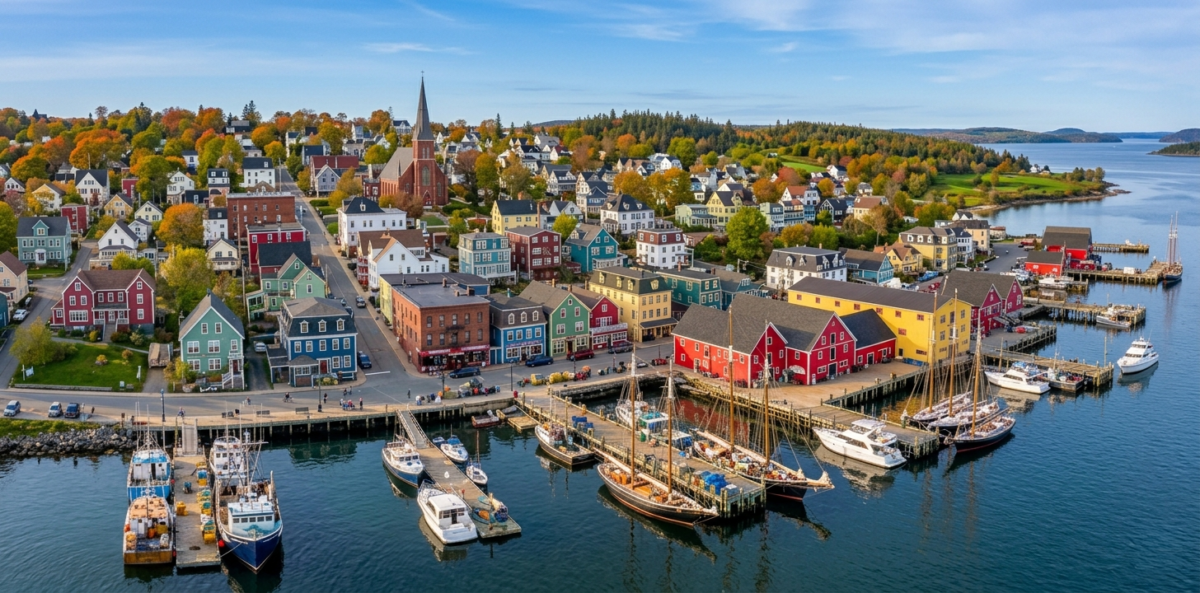
Lunenburg draws visitors for its colourful wooden architecture, working harbour and strong maritime tradition, and picking the right month changes what a visitor actually experiences. This guide explains when weather, daylight, crowd levels and prices line up for sightseeing, boat trips, and coastal walking.
Expect practical notes on travel times, typical costs, and what services run seasonally. The goal is to help travelers choose the best dates for either saving money, enjoying the best weather, or avoiding crowds around the harbour and museums.
Quick Summary: Best Overall, Budget and Weather Windows
Best Overall Time To Visit: late May to mid-June. This window balances mild weather, longer daylight and lower crowding than July and August. Expect more open services and local activities than early spring.
Best Budget Time To Visit: November to March. Winter sees the lowest accommodation prices and far fewer day visitors, though some seasonal businesses close and daylight is limited.

We earn a commission if you buy through this link, at no extra cost to you.
Best Weather Time To Visit: late June to early September. These months offer the warmest sea-influenced weather and the longest daylight, best for boat trips, outdoor dining and coastal walks.
Spring in Lunenburg (March to May)
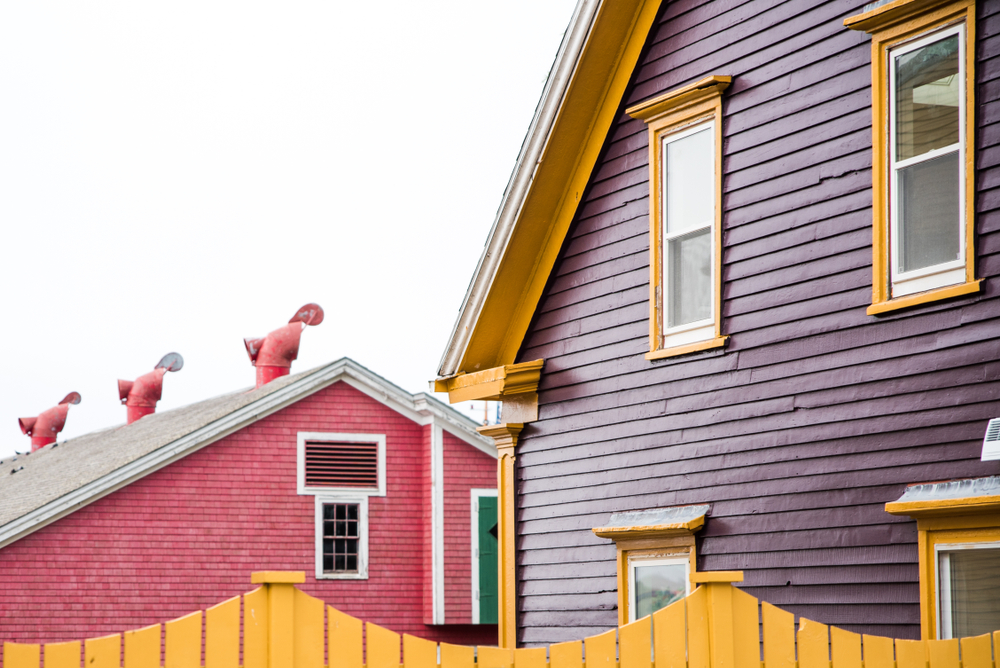
Overview: Spring moves slowly in Lunenburg. Early March can still feel wintery, while late May often brings comfortable conditions for walking the waterfront and photographing the colourful houses.
Temperatures and daylight: Daytime averages usually run from about 0 to 12°C (32 to 54°F) across spring. Days lengthen quickly: expect roughly 10–16 hours of daylight from early March to late May.
Crowds and prices: Spring is a shoulder season, with lower crowding and moderate accommodation prices. Many small tour operators and restaurants reopen in April and May, so check hours before you book.
What to expect: Visitors often find cool mornings, brisk sea breezes and occasional rain. Bring layers and a waterproof outer layer for harbour walks and island boat trips. Local ferry and tour schedules may still be limited in March and April.
Planning notes for spring
Reserve any weekend stays around late-May festivals or graduation weekends in nearby towns. Expect flexible public transport options, but seasonal timetables may reduce frequency; confirm with the operator.
Summer in Lunenburg (June to August)
Overview: Summer is peak visitor season, with the warmest temperatures and the greatest range of tours, galleries and boat trips operating on regular schedules.
Temperatures and daylight: Typical summer daytime highs range from 16 to 22°C (61 to 72°F), though coastal breezes keep it feeling cooler into the evening. Days peak around 15–17 hours of daylight in June. Right now in June 2026, expect temperatures around 59°F with overcast skies and higher humidity typical of the Atlantic coast (as of June 2026).
Crowds and prices: Expect the heaviest crowds in July and August, and highest accommodation prices. Booking at least 4–8 weeks in advance is common for popular weekends and harbourfront rooms.
What to expect: Most visitor services are fully open, including guided harbour tours and waterfront restaurants. Traffic for day-trippers increases on summer weekends, parking can be limited near the waterfront, and advanced reservations for popular boat trips are recommended.
Practical packing for summer: Pack light layers, a windproof jacket for nights near the water, and sun protection. If you want specific gear, consider a compact travel backpack for day trips and a lightweight waterproof jacket. Check out the best travel gear for other essentials.
Many travelers compare live accommodation rates before booking. Disclosure: This section may contain affiliate links. If you book through the map below, we may earn a commission at no extra cost to you.
[rtb_stay22_map city=”Lunenburg” region=”Nova Scotia” country=”Canada” venue=”Lunenburg” campaign=”twoscotsabroad_lunenburg_best-time-to-travel”]Booking and timing tips
For the best combination of availability and weather, target late June or early September, when daytime warmth remains but peak weekend crowds thin.
Autumn in Lunenburg (September to November)
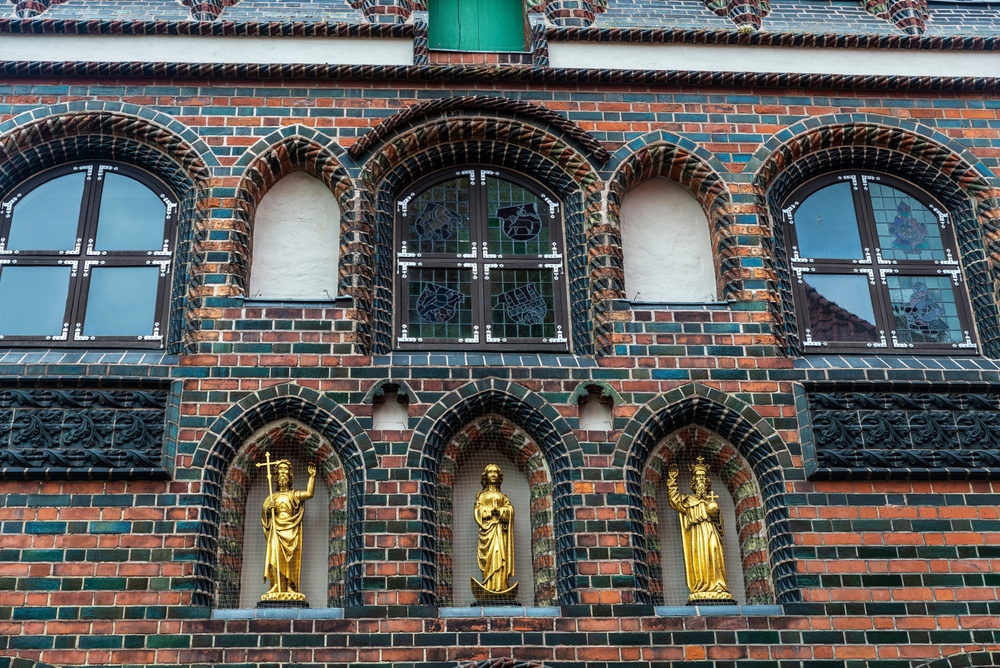
Overview: Autumn brings cooler air and clear, crisp days that many travelers find pleasant for walking and photography. The harbour takes on quieter rhythms after Labour Day.
Temperatures and daylight: Expect daytime averages around 5 to 16°C (41 to 61°F) in autumn, with daylight dropping from roughly 14 hours in September to about 9–10 hours by November.
Crowds and prices: Early autumn is shoulder season with moderate prices and far fewer crowds than summer. By late October and November, many tourism businesses reduce hours or close, which lowers operating costs but also limits activity options.
What to expect: The biggest weather risk is increased rain and wind as the season progresses. Maritime storms can appear in October and November; if you plan coastal walks or boat trips, check local forecasts and operator advisories.
Autumn advantages: Clear, sunny days after storms make for excellent harbour photos and quieter museums. Many travellers appreciate the calmer pace and easier parking.
Leaf season and events
Fall colours peak at different times depending on elevation and latitude; in Lunenburg, mid-September to early October usually displays the best mixed foliage.
Winter in Lunenburg (December to February)
Overview: Winter is the quietest time for visitor numbers. Some attractions operate limited hours and several seasonal businesses close entirely for the season.
Temperatures and daylight: Expect daytime averages around -5 to 2°C (23 to 36°F). Daylight is shortest in December and January, often under 9 hours.
Crowds and prices: Winter has the lowest crowds and cheapest accommodation rates, but you trade that for reduced services and shorter daylight. Road conditions and local transport schedules can lengthen travel times, so allow extra margin for connections.
What to expect: Visitors should plan for cold, wet or snowy weather and potential wind on exposed coastal stretches. Winter is suitable for quiet photography, seafood-focused dining at year-round restaurants, and travelers comfortable with driving in winter conditions.
Packing for winter: Include insulated base layers, waterproof footwear and a warm, waterproof jacket. For thermal layers suggestions, see the product shortcodes below.
Many winter travelers also pack waterproof gear to handle wet snow and slushy sidewalks. A recommended option is a lightweight, waterproof jacket for layering.

We earn a commission if you buy through this link, at no extra cost to you.
Thermal base layers help on colder days of walking along the waterfront.

We earn a commission if you buy through this link, at no extra cost to you.
Logistics in winter
Expect fewer public transport runs and confirm any planned tours well in advance. If driving, check Nova Scotia provincial road advisories for closures or chain recommendations.
Season comparison table
Use this table to compare seasons quickly.| Season | °C | °F | Crowds | Prices | Best For |
|---|---|---|---|---|---|
| Spring (Mar–May) | 0 to 12 | 32 to 54 | Low to Moderate | Moderate | Harbour walks, photography, shoulder-season savings |
| Summer (Jun–Aug) | 16 to 22 | 61 to 72 | High | High | Boat trips, outdoor dining, festivals |
| Autumn (Sep–Nov) | 5 to 16 | 41 to 61 | Moderate | Moderate | Photography, quieter museums, fall colours |
| Winter (Dec–Feb) | -5 to 2 | 23 to 36 | Very Low | Low | Budget travel, quiet harbour photography, year-round seafood |
Practical tips for choosing travel dates
Transport and access: Ferry and regional bus services change schedules seasonally, so always confirm timetables before booking connections. For airport transfers, check shuttle and rental-car availability for your dates.
Booking and costs: For summer weekends, expect to reserve accommodation 4–8 weeks ahead. Shoulder seasons usually require less lead time, but long weekends can still sell out. Understanding your daily costs and budget helps you pick the right season.
Daylight planning: If you prioritise long daylight for boat trips and hikes, choose late June through August for the longest days and warmest conditions.
Weather prep: Lunenburg is coastal, so pack for wind and variable conditions year-round. A daypack sized around 20–25 litres is useful for harbour walks and short excursions.
Gear suggestions: For day-to-day comfort, a lightweight travel backpack is handy for carrying layers and a camera. A suggested pick is a compact daypack appropriate for coastal walking.
No products found.
Safety and services: Many small businesses close outside summer; check opening days for museums and restaurants. Emergency services are reliable, but remote road delays can occur in winter; factor extra travel time.
Events and local calendars
Consult the official town calendar and the Fisheries Museum for seasonal events; these often concentrate visitor traffic and affect prices and availability.
Practical Travel Tips
- Book harbour-front accommodation early for July and August weekends, aim for 4–8 weeks ahead.
- Check seasonal schedules for tours and the Fisheries Museum of the Atlantic before you travel; hours change by season.