

Peru is having the sort of year budget travelers pay attention to
If you have been waiting for a destination that still feels adventurous without requiring a luxury budget, Peru is making a strong case in 2026. The country is pulling in more international visitors, and the reasons are the kind backpackers love: big landscapes, cultural depth, easier access, and more options that do not revolve around standing in one famous queue and calling it a holiday.
The shift is happening as more travelers steer away from overcrowded destinations and look for trips that feel more rewarding and less like an exercise in patience. Peru fits that mood neatly. It has long been a heavyweight for ruins, mountains, and food, but now it is also attracting travelers interested in sustainability, community tourism, and less obvious corners of the country.
According to Peru’s Ministry of Foreign Trade and Tourism, the country welcomed 823,863 international visitors between January and March 2026, up 3.5 percent from the same period last year. That growth was led mainly by visitors from Chile, the United States, and Ecuador. North America accounted for 22.5 percent of arrivals, with U.S. travelers making up 186,000 visitors.

Why Peru is getting more attention now
Part of Peru’s appeal is simple: it offers a lot of trip for the money. Cuzco still anchors many itineraries with its ruins, affordable food, and access to the Sacred Valley. Lima remains the big arrival point and a useful base for exploring the coast. For travelers watching their wallet, that combination matters. You can mix lower-cost cities, classic landmarks, and out-of-the-way experiences without constantly splurging.
There is also a broader shift in how people want to travel. The appetite for quieter, more meaningful trips has grown as overtourism makes some destinations feel less inviting. Peru is benefiting from that search for something more grounded, especially among so-called adventure travelers who want nature, active travel, and local culture in the same itinerary. Budget-conscious travelers often highlight that Peru remains genuinely affordable compared to other South American hotspots, with local meals costing just a few dollars and hostels in Cusco offering solid options without the markup you’d find in overtouristed capitals.
Lonely Planet ranked Peru among its best destinations for 2026, which will not surprise anyone who has tried to pack Machu Picchu, the Amazon, and serious food into one trip without blowing the budget. It is a country that rewards planning, but not in a miserable spreadsheet sort of way. More in the “pick your battles and get more out of the journey” sense.
Getting there is easier than it used to be
Peru’s rising popularity is not just about inspiration. Access matters too, and getting to the country has improved through airline co-marketing alliances and air service agreements. The article highlights Level’s direct routes connecting Barcelona to Lima, along with the bilateral South Pacific air services agreement with Australia.
For travelers, that kind of connectivity can translate into fewer awkward stopovers and more realistic route planning. That does not automatically mean cheap flights, because airfares like to behave badly, but it does widen the number of ways to build a trip.
| Travel factor | Why it matters for budget travelers |
|---|---|
| More international arrivals | Signals stronger interest, but also more competition for popular spots |
| Improved flight access | More routing options can make trip planning easier |
| Growing adventure travel | Supports cheaper, experience-led itineraries outside the main tourist circuit |
| Community-based tourism | Can offer more meaningful visits while spreading spending locally |
The Amazon is moving onto more itineraries
One of the biggest reasons Peru is drawing a different kind of visitor is the Amazon. Roughly two-thirds of the country is covered by rainforest, but historically only a small share of international tourists made it there. Limited infrastructure kept the region off many classic itineraries. That is changing.
Today, travelers can choose from a wider range of organized trips and cruises, including some certified for environmental and social sustainability by bodies such as the Rainforest Alliance. That will matter to travelers trying to make their money count beyond the usual tourism circuit. It also gives budget-conscious visitors more choice, from splurge-heavy cruises to simpler, land-based adventures.
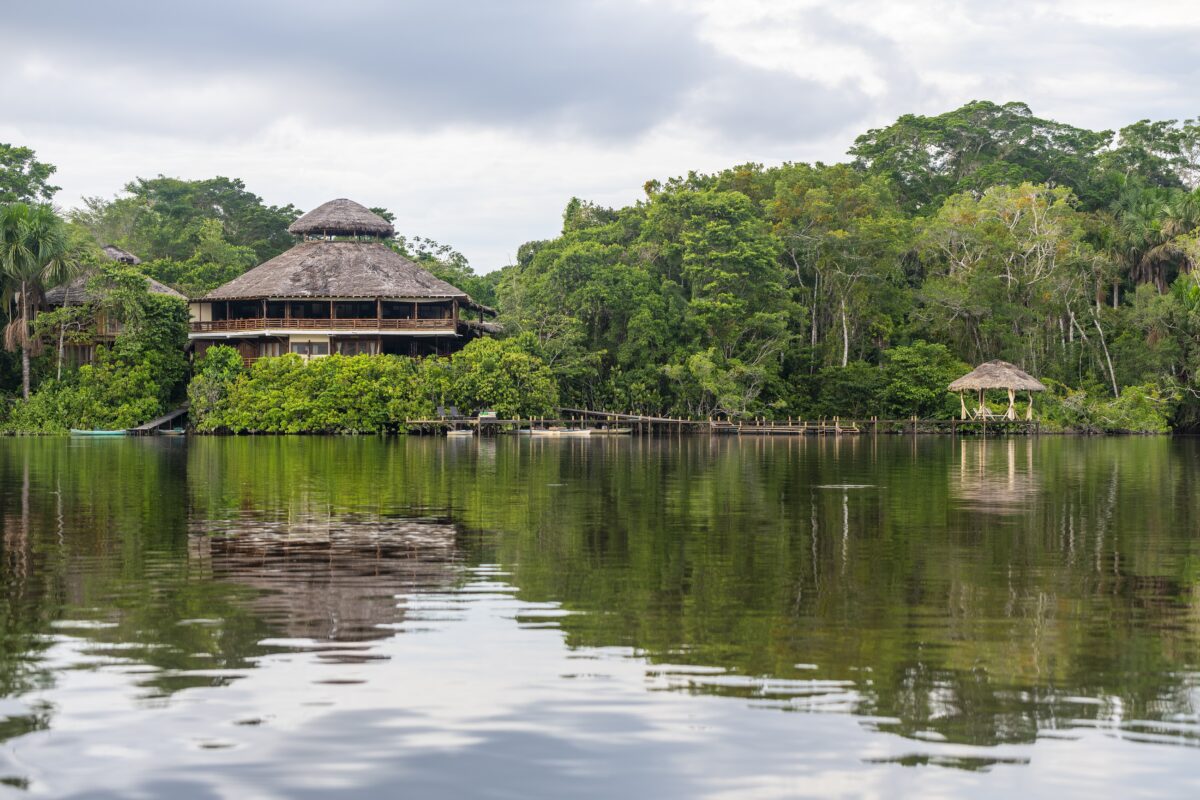
Iquitos is one of the main gateways. It is the world’s largest city that cannot be reached by road, which is either a logistical oddity or a very good travel flex, depending on who is asking. Short flights from Lima and Cuzco connect it to the rest of the country. From there, travelers can reach the Pacaya-Samiria National Reserve and explore the city’s rubber-boom architecture, open-air markets, and the Belén district, often described as the “Venice of the Amazon.” Wildlife trips may also include sightings of pink river dolphins.
Puerto Maldonado is another key gateway, linking travelers to the Manu-Tambopata Corridor, a protected area known for exceptional biodiversity. The region includes comfort-focused eco-lodges such as Posada Amazonas Lodge and Tambopata Research Center.
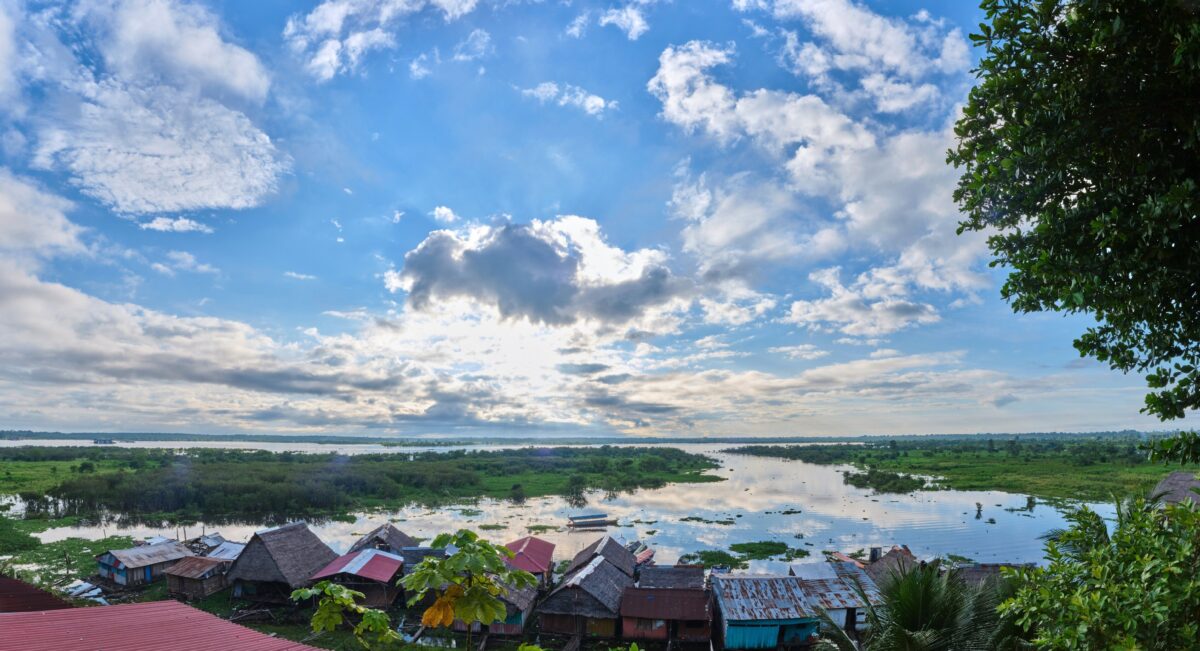
Amazon river flood in Peru, Iquitos, small huts in the foreground
Peru’s Amazon gateways at a glance
| Gateway | What it is known for | Best for |
|---|---|---|
| Iquitos | Access to Pacaya-Samiria, market culture, river travel, pink river dolphins | Rainforest trips, cruises, wildlife-focused itineraries |
| Puerto Maldonado | Entry point to the Manu-Tambopata Corridor and surrounding lodges | Eco-lodges, biodiversity trips, jungle stays |
Why community tourism is getting more visible
Peru is also leaning harder into tourism that spreads money beyond the most famous sites. That matters because places like Machu Picchu continue to feel pressure from large visitor numbers. Supporting other regions is not just a nice idea for postcards and guilt-free social media. It is increasingly part of how destinations keep tourism livable.
Several traditional settlements in Peru have been recognized through the United Nations Tourism Best Tourism Villages initiative for their role in sustainable rural development. That recognition helps spotlight communities where tourism revenue can stay more local.
Examples mentioned in the article include Weaving Experience in Patacancha, a Sacred Valley village about a 2.5-hour drive from Cuzco, where local artisans can earn from ancestral craftsmanship. Cusi Travel also offers day tours to an Andean village near Maras and Moray, with the goal of introducing visitors to Quechua culture through direct community contact. These experiences tend to be cheaper than group tours and put your money directly into local hands, which is honestly one of the best-kept budget travel secrets in the region.
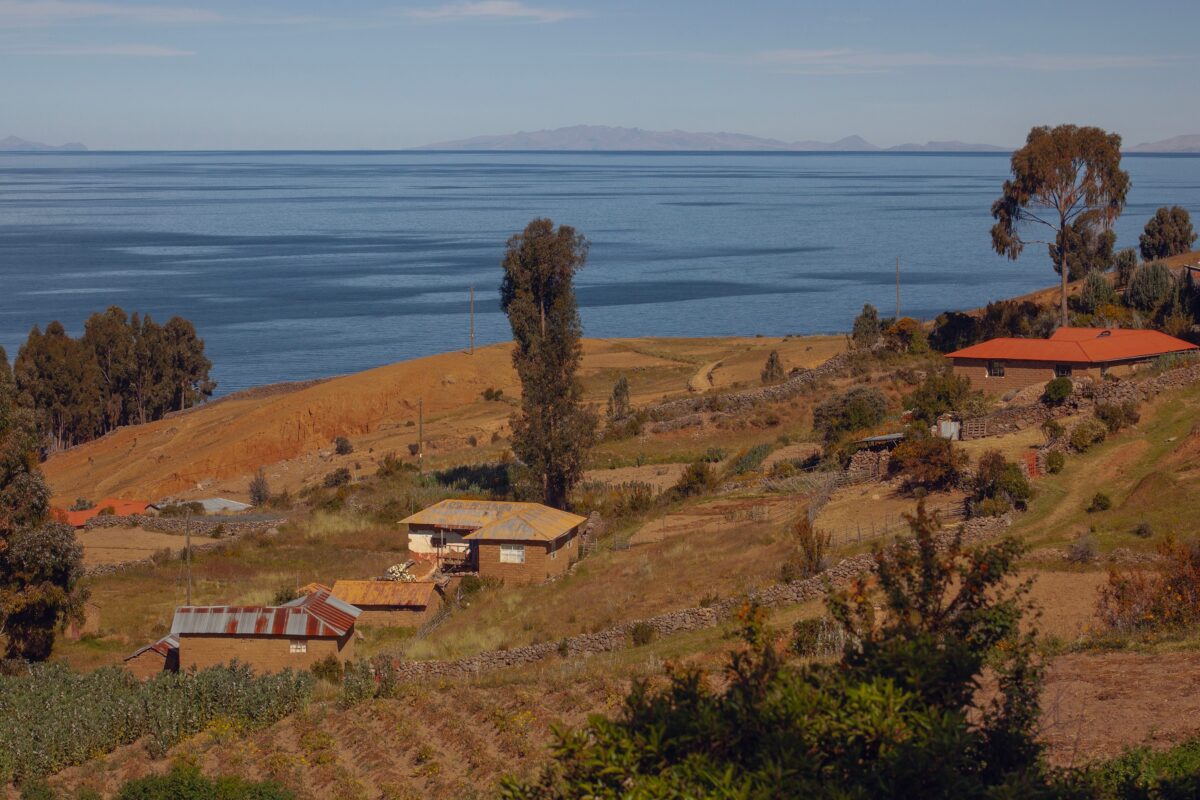
For backpackers and independent travelers, this is the part that can make Peru feel less like a checklist and more like a trip with actual texture. Instead of bouncing only between the famous stops, you can build in smaller community visits that put your spending into local hands. Homestays on Taquile Island offer another angle, letting you skip hotels altogether and stay with families for rates that rival hostels.
What this means if you are planning a Peru trip
If Peru is on your list for 2026, the practical takeaway is that the country now offers more ways to travel than the classic Machu Picchu route. That matters for both price and pace. You can keep things lean by focusing on major hubs like Lima and Cuzco, or stretch your itinerary into the Amazon and community-based experiences if your budget allows. Not gonna lie, the value for money is genuinely strong right now—you can eat well, sleep decently, and do quality experiences without feeling pinched.
- For first-timers: Lima and Cuzco still make sense as anchor cities. Budget roughly 30-50 USD per day for accommodation and meals if you are keeping it basic.
- For nature seekers: Iquitos and Puerto Maldonado open the door to rainforest trips. Amazon lodge stays vary wildly, but community-run options offer better value than luxury eco-resorts.
- For budget travelers: Mixing well-known stops with smaller community tours can keep the trip varied without needing luxury extras. This is where mountain biking in Peru and Paracas day trips can stretch your money further than the standard Machu Picchu package.
- For sustainability-minded visitors: Certified trips and local-run experiences are becoming easier to find and increasingly competitive on price.
Peru’s 2026 momentum is not just about being fashionable with travel editors. It is about a destination offering more variety, more access, and more reasons to go beyond the obvious route. For travelers who prefer a trip with substance over souvenir-shop choreography, that is good news.
