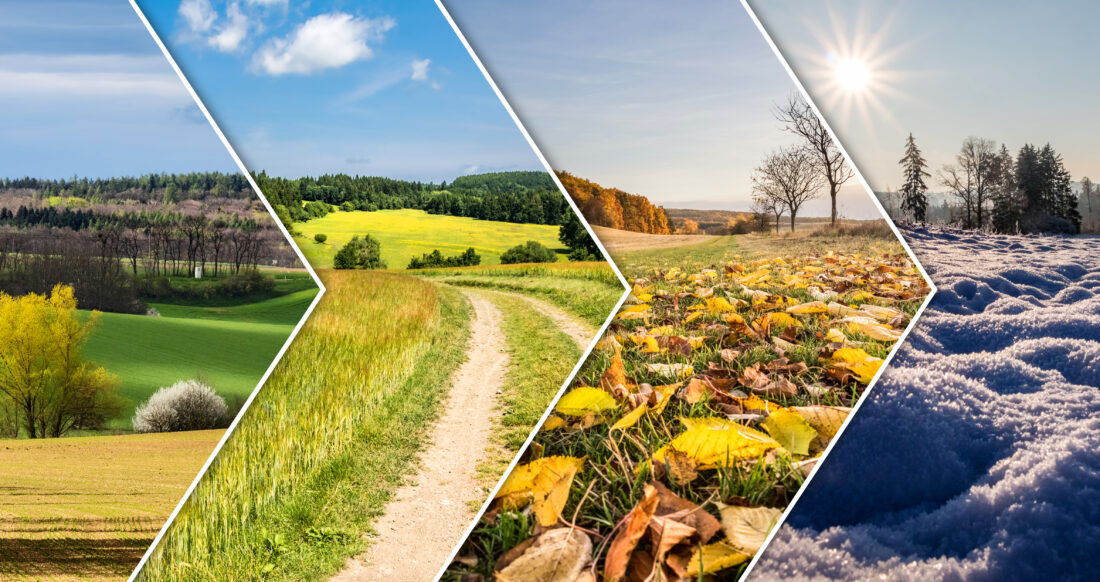
The best time to visit Vienna in 2026 is late April to June or September to October, when temperatures are generally comfortable for sightseeing and the city’s cultural calendar is busy without summer at its most intense.
December is the best alternative for Vienna’s Christmas markets, while January and February are colder, quieter months that suit museum-hopping, coffee-house afternoons and the traditional ball season. July and August bring long days, outdoor events and Danube swimming, but also the highest demand and occasional heatwaves.
Vienna has four distinct seasons, so there is no bad month to go. The useful question is what sort of city break you want: outdoor cafés and gardens, major festivals, Advent lights, opera, or a more affordable indoor-focused trip. Your choice of base also makes a difference; this guide to where to stay in Vienna for first-time visitors helps narrow down the most practical districts.
Vienna at a Glance: The Best Month for Each Type of Trip
| Travel priority | Best time in 2026 | What to expect |
|---|---|---|
| Walking, museums and culture | Late April to June; September to October | Mild days, full programming and manageable crowds. |
| Outdoor festivals and Danube time | June to August | Long daylight, warm weather and the busiest period for accommodation. |
| Christmas markets | Late November to December | Cold evenings, festive markets and high demand around Advent. |
| Ball season and lower demand | January to February | The coldest months, with Vienna’s formal ball calendar in full swing. |
| Autumn culture and wine season | September to October | Cooler air, autumn colour, the opera season and Vienna Design Week. |
Spring: Late April to June for the Best All-Round City Break
For most people, spring is Vienna’s sweet spot. April, May and June offer enough warmth for long walks around the Ringstrasse, outdoor tables at traditional coffee houses and time in the formal gardens around Schönbrunn, without the persistent heat that can arrive in July and August.
Long-term averages cited by the Vienna Tourist Board place average daytime highs at about 16.7°C in April and 20.6°C in May. June is warmer again, with an average high around 24.4°C. Rain is possible throughout the year, and late spring often brings sharp afternoon showers, so pack a light waterproof layer instead of gambling on a cloudless forecast. For a season-by-season reminder of what earns its place in your case, use this Vienna packing list.
Spring also has a busy events calendar. Easter markets usually bring seasonal stalls before the main summer season, while the Vienna City Marathon and the opening of the Vienna Festival add energy to the city. The Vienna Festival is a strong reason to choose late spring if you want performing arts alongside classic sights such as the Kunsthistorisches Museum and the Vienna State Opera.
The trade-off is that May and June are no secret. Demand rises as the weather improves, especially over long weekends. Booking transport and timed museum entries ahead is sensible if your plans centre on the Kunsthistorisches Museum or a performance at the Vienna State Opera.
Who Spring Suits Best
- First-time city breakers who want comfortable walking weather and a full programme of museums, concerts and cafés.
- Couples planning a culture-led weekend with gardens, grand architecture and evening performances.
- Families who would rather explore Prater in mild weather than during a midsummer heat spike.
Summer: June to August for Festivals, Long Evenings and the Danube
Summer is the liveliest time to be in Vienna. It is also the most crowded and usually the most expensive period for rooms. June is often a useful compromise: the city is warm and active, but July and August tend to bring the heaviest demand at headline attractions.
Average daytime highs sit around 24.4°C in June and 26.7°C in both July and August, according to climate figures published through the Vienna Tourist Board. Those averages do not rule out much hotter days. Vienna can experience heatwaves above 35°C, making an ambitious afternoon of pavement-heavy sightseeing feel less elegant than it sounded at breakfast.
Plan summer days around the cooler hours. Start with the Innere Stadt and the Ringstrasse in the morning, then move towards the water later on. The Alte Donau and Donauinsel are key warm-weather escapes, with swimming and a more relaxed local summer atmosphere than the formal centre.
Vienna’s open-air calendar is another draw. The city’s summer programme includes free outdoor celebrations, while Donauinselfest is one of the major reasons many people choose June. The 2026 listings also include Afrika Tage Wien on Danube Island from 14 to 24 August 2026, with African music, art, culture and food on the programme. Check the official Vienna events calendar before booking, as individual schedules and venues can change.
Summer works best when you build in pauses. A long lunch, an evening Heuriger wine tavern visit in one of Vienna’s outer districts, or time beside the Danube makes far more sense than trying to race through every palace and gallery in the hottest part of the day.
Autumn: September and October for Culture, Wine and Cooler Streets
September and October are arguably the best months for a return visit to Vienna. The summer rush starts to ease, days are typically less humid and the city’s cultural season gathers pace. September’s long-term average high is around 21.1°C, falling to about 15°C in October.
This is an especially good period for people who enjoy exhibitions, design and music. Vienna Design Week and art fairs contribute to the autumn programme, and the Vienna State Opera season begins again. October also brings changing leaves to the city and the Wienerwald, which is a practical nearby option for walking from May into early October.
September is associated with Vienna’s wine culture, so it is a natural time to pair central sights with an evening at a Heuriger. These traditional wine taverns are most closely associated with the outer districts and provide a slower counterpoint to the imperial centre.
Film fans should look at late October. The Viennale, Austria’s largest film festival, is scheduled for 22 October to 3 November 2026, with screenings in cinemas across Vienna. It is a useful reason to book early, particularly if your dates overlap its opening weekend.
Winter: December for Christmas Markets, January and February for Balls
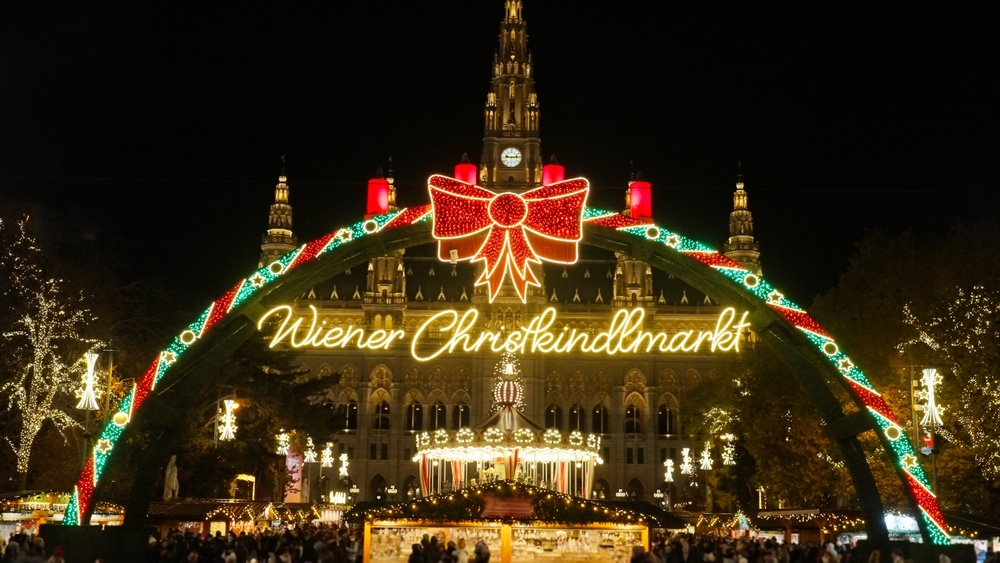
Vienna in winter is cold, often grey and occasionally snowy, but the city handles indoor days exceptionally well. The coffee-house culture, major museums and concert halls are not a backup plan here. They are much of the appeal.
Choose late November or December for the Christmas markets. Advent transforms central squares with wooden stalls, hot drinks, food and seasonal gifts, and the atmosphere is a major part of Vienna’s appeal at this time. Expect crowds, particularly in the evenings and on weekends, and book accommodation early if your trip falls close to Christmas or New Year.
For a quieter and potentially better-value visit, look at January or February once the New Year spike has passed. These are generally the coldest months, but they coincide with Vienna’s celebrated ball season, which runs from November into February. Formal events range from prestigious occasions such as the Vienna Opera Ball to themed balls across the city, though dates and ticket arrangements vary by organiser.
Winter is ideal for a slower itinerary: spend a morning at the Kunsthistorisches Museum, warm up over a Melange in a classic coffee house, then book a concert or opera for the evening. Keep expectations realistic about daylight and weather. Vienna is atmospheric in winter, but it is not built for all-day outdoor wandering without layers.
When to Avoid Vienna if You Dislike Crowds or Heat
Avoid July and August if you strongly dislike queues, high room rates and hot afternoons. They are popular for good reasons, including festivals, Prater rides and Danube swimming, but the central sights are at their busiest.
Avoid the main Advent weekends if your priority is quiet streets. Christmas market season is charming, but it is one of Vienna’s most popular periods. The same applies to New Year, when demand briefly rises before the lower-season lull of January.
November before the Christmas markets begin can be a quieter pocket, though the weather is often cool and subdued. It suits people who want galleries, cafés and indoor culture without the festive crowds, not those chasing outdoor dining or garden walks.
Practical Planning Tips for Vienna in 2026
- Book major cultural dates first. If the Vienna Festival, Afrika Tage Wien or Viennale is the reason for your trip, confirm the programme before committing to flights.
- Use the shoulder seasons for a balanced itinerary. Late April, May, September and October allow time for the Innere Stadt, the Ringstrasse, the Wienerwald and outdoor dining without peak-summer conditions.
- Pack for quick weather changes. Vienna’s continental climate can swing noticeably between morning and afternoon, especially in spring and autumn.
- Plan indoor anchors in every season. The Kunsthistorisches Museum, Vienna State Opera and the city’s coffee houses give a wet or cold day proper structure.
- Check official listings close to departure. The Vienna Tourist Board’s events calendar is the best place to verify dates, venues and any schedule changes.
Best Time to Visit Vienna (2026) FAQs
What is the best month to visit Vienna in 2026?
May and September are the best single-month choices for Vienna in 2026. Both usually offer pleasant conditions for walking, a strong culture programme and fewer peak-summer crowds than July and August.
Is Vienna worth visiting in December?
Yes. December is one of Vienna’s most atmospheric months because of the Christmas markets, seasonal food and evening lights, although it is cold and accommodation demand is high around Advent and New Year.
What is Vienna like in July and August?
July and August are warm, busy and festival-focused, with average highs around 26.7°C but possible heatwaves above 35°C. They are best for people who want outdoor events, Prater and time at the Alte Donau or Donauinsel.
Is January a good time to visit Vienna?
January is a good choice for lower demand after New Year, indoor attractions and the ball season. Expect cold weather and shorter days, so build your plans around museums, coffee houses, concerts and opera.
When are Vienna’s Christmas markets?
Vienna’s Christmas market season generally begins in mid-November and runs through late December, with some markets continuing for a few days beyond. Late November and December are therefore the best periods for a festive trip.
Final Verdict: Pick the Season That Fits Your Vienna
Late spring and early autumn are the safest choices for a first Vienna trip in 2026. You get comfortable sightseeing weather, a lively cultural calendar and a better chance of enjoying the city on foot without battling either winter cold or peak-summer heat.
Choose summer for Danube life and outdoor festivals. Choose December for Christmas markets. Choose January or February for ball season, museums and a quieter version of the Austrian capital. Vienna is unusually good at changing character with the seasons, which gives you a solid reason to go back when the first trip is done. For a second look at the timing, see our guide to the best time to travel to Vienna.
