
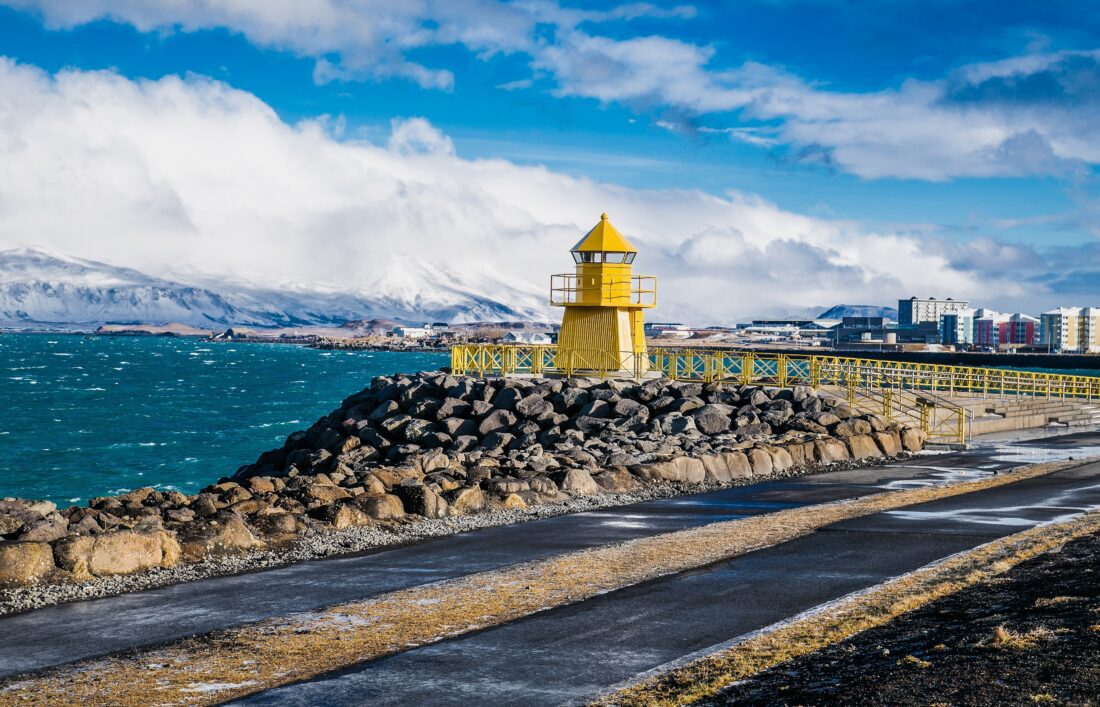
A January trip to Reykjavik might sound like a clever way to dodge crowds. Fewer tourists, lower prices, a quieter city. In reality, it comes with a trade-off that catches a lot of people off guard: the sun barely shows up. Expect daylight around 11am, fading again by 3pm, which turns sightseeing into a bit of a race against the clock.
The upside is that Reykjavik genuinely works in every season. There is no bad time to visit, only different versions of the experience. The key is knowing exactly what you are signing up for before booking.
Quick Answer: When Should You Visit Reykjavik?
- Best overall: June to August (midnight sun, warmest temps, everything open)
- Best for northern lights: November to March (peak aurora season, fewer crowds)
- Best for value + fewer crowds: April-May or September-October
- Avoid if you hate short days: Mid-October to mid-February (sun rises after 11am in December)
- Hotel prices: Expect to pay nearly double in summer compared to off-season
- Currency: Iceland uses the Icelandic króna (ISK). As of March 2027, £1 gets you roughly 166 ISK and $1 equals about 125 ISK, so £100 converts to around kr16,556. Card payments are accepted almost everywhere, but it’s still worth keeping track of the rate since things add up fast.
Summer in Reykjavik (June to August): The Peak for a Reason
June through August is when Reykjavik travel makes the most sense for most people, and the numbers back that up. Typical summer temperatures range from 10°C to 15°C (50°F to 59°F), though wind chill can drag that down considerably, so pack a layer regardless. In July and early August, it can occasionally push into the low 60s Fahrenheit, sometimes briefly touching 70°F.
The headline act is the midnight sun. From June 1 to July 15, the sun barely dips below the horizon at all. It never truly gets dark. This is wonderful for sightseeing and genuinely disorienting for sleep, bring an eye mask, no joke.
Summer is also when all the hiking trails are fully open, whale watching tours run daily with near-guaranteed sightings, and you can spot puffins at places like Puffin Island. The Golden Circle, the South Coast, all of it is accessible and operating at full capacity.
The cultural calendar fills up too. Summer events in Reykjavik include:
- Reykjavik Arts Festival
- Reykjavik Fringe Festival
- Reykjavik Jazz Festival
- Reykjavik Pride
- Reykjavik Culture Night
- Innipúkinn Music Festival
The catch is the price. Hotel rates during summer can be nearly double what you’d pay in the off-season. It’s the most crowded period by a significant margin. If you want to visit popular sites without queuing or elbowing past tour groups, go early in the morning or later in the evening, the light is there either way.
One note: during the Þjóðhátíð festival in August, a huge chunk of Icelanders head to the Westman Islands, which means Reykjavik itself can feel quieter than usual. Interesting timing if you want city space without sacrificing summer weather.

Reykjavik in the Summer
Autumn in Reykjavik (September to October): The Sweet Spot
September is genuinely underrated for visiting Reykjavik. You still catch the tail end of long daylight hours in early September, and by late September the northern lights season kicks in. Temperatures drop to between 3°C and 10°C (37°F to 50°F), crowds thin out, and hotel rates come back down from their summer highs.
Fall foliage adds something to the landscape too, subtle by most standards, but it changes the feel of the place. Migratory birds are still around, and whale watching runs through October.
The Reykjavik International Film Festival lands in late September to early October, and the Extreme Chill Festival also happens during this window.
October gets harsher. Snow becomes possible, roads outside the city can get slippery, and some remote areas start becoming inaccessible. If you’re planning anything beyond Reykjavik itself in October, check conditions carefully. Honestly, if October in Iceland sounds too dicey for you but you still want a December island escape, there are warmer options out there.
Winter in Reykjavik (November to March): Dark, Cold, and Worth It for the Right Person
Winter is a completely different trip. Temperatures average around 0°C (32°F), and the wind makes it feel significantly colder. Right now in March 2026, Reykjavik is sitting at 32°F with light snow and 74% humidity (as of March 2026), which is honestly pretty typical for this time of year. From mid-October to mid-February, days are short, in December, the sun rises after 11am and sightseeing is effectively over before dinner.
Driving the Ring Road in winter is inadvisable, and can be outright impossible. Bus trips to the Golden Circle and South Coast are generally still possible, but self-driving outside Reykjavik is genuinely risky. If you’ve done winter driving in somewhere like the Scottish Highlands on a road trip through Scotland, you’ll have some frame of reference, but Icelandic conditions are a step beyond that.
So why go? The northern lights. November through March is prime aurora season, with February and March seeing increased geomagnetic activity around the vernal equinox. Sightings are never guaranteed, that’s just the reality, but this is your best window. January is particularly quiet, which means less light pollution from crowds and better conditions for aurora photography.
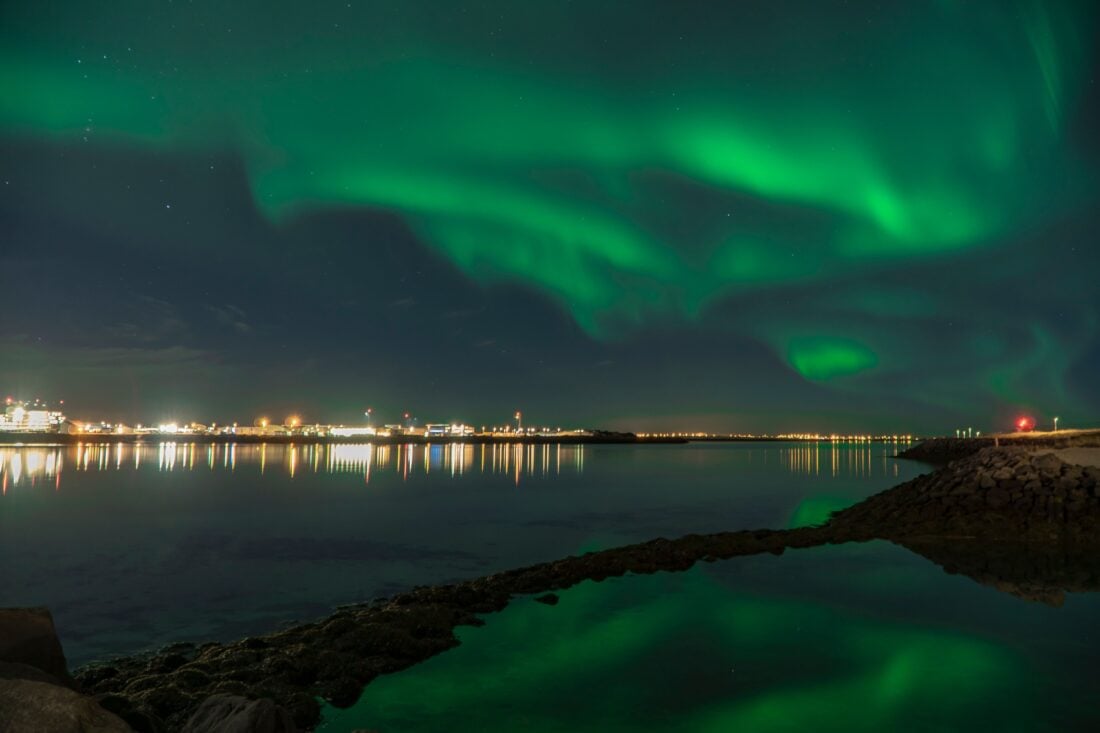
Winter also has snowshoeing, frozen waterfalls (Gullfoss and Skógafoss are extraordinary under ice), and a city that leans into the season rather than apologising for it.
The cultural calendar keeps things moving:
- Iceland Airwaves (November), live music across cafes and bars, with artists ranging from unknowns to headliners like Björk and John Grant
- Dark Music Days
- Winter Lights Festival
- Reykjavik Food and Fun Festival
- New Year’s Eve community bonfires and fireworks running from 10:30pm to 2am
Christmastime in Reykjavik has its own atmosphere, bonfires, fireworks on New Year’s Eve, and a city that genuinely celebrates rather than just decorating a shopping centre.
Prices are lower across the board in winter, except around Christmas and New Year when they spike again.
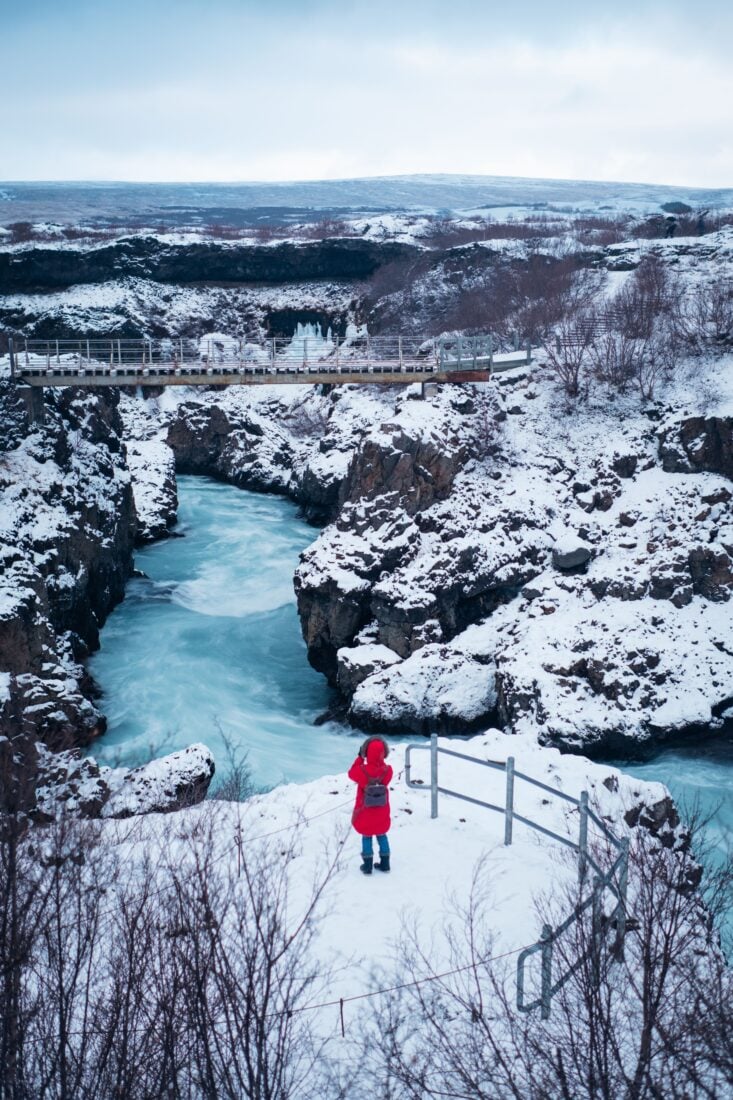
Spring in Reykjavik (April to May): Quiet and Underappreciated
April and May are the quietest months, and honestly that’s the appeal. Wildflowers start appearing, daylight hours are growing fast (May is bright thanks to the approaching solstice), and the weather is more stable than winter without the summer crowds or prices.
Average spring temperatures range from 1°C to 10°C (34°F to 50°F). It can still snow in April, and roads outside Reykjavik can be icy. But whale watching season opens in April, the Golden Circle is fully accessible, and Þingvellir National Park is worth the visit.
Spring events include DesignMarch and the Reykjavik Blues Festival. Not the biggest draws, but they’re there.
The northern lights become less likely as the days lengthen through May, if aurora viewing is your main goal, don’t leave it too late into spring.
Reykjavik Season Comparison at a Glance
| Season | Temp Range | Daylight | Northern Lights | Crowds | Cost |
|---|---|---|---|---|---|
| Summer (Jun-Aug) | 10-15°C (50-59°F) | Up to 24 hours | Very unlikely | High | High |
| Autumn (Sep-Oct) | 3-10°C (37-50°F) | Decreasing | Possible from Sept | Moderate | Moderate |
| Winter (Nov-Mar) | Around 0°C (32°F) | Very short | Best chance | Low | Low (except Dec) |
| Spring (Apr-May) | 1-10°C (34-50°F) | Increasing | Possible in April | Low | Moderate |
Practical Tips for Timing Your Reykjavik Trip
- Book accommodation early for summer. Rates nearly double and availability shrinks fast.
- Don’t drive outside Reykjavik in winter unless you have experience with icy roads and an appropriate vehicle.
- Eye mask for summer. Seriously. The midnight sun is magical and will absolutely ruin your sleep if you’re not prepared. Turns out, packing the right stuff matters more than you’d think, and if you need a refresher on what to actually bring for unpredictable weather, this packing guide for cold-weather city trips is a solid starting point.
- For northern lights, aim for February or March, geomagnetic activity tends to peak around the vernal equinox.
- Whale watching runs May through October, minke whales and dolphins are the main species you’ll see.
- September is the compromise month, decent weather, falling prices, early aurora chances, and the film festival if that’s your thing.
Reykjavik doesn’t really have a bad time to visit. It has different times, with different trade-offs. The question is what you actually want out of the trip, and now you know what each season delivers.
