
The Luxor Pass is worth the cost for travellers visiting a long list of temples, museums and tombs over five days, while the Cairo Pass usually pays off only on a packed Cairo and Giza itinerary. The Premium Luxor Pass can be particularly good value if the tombs of Seti I and Nefertari are already in your plan, because those two special-access tickets are expensive when bought separately.
Both passes need careful timing. They are valid for five consecutive days, cover government-managed archaeological sites and museums, and are sold in person. Admission rates, included attractions and sales procedures can change, so check the official Egyptian monuments ticketing platform and confirm the latest position at the pass sales office before handing over your money.
To put either pass in the context of the wider trip, use the same approach as this guide on calculating the real cost of a trip: list the places you will realistically enter, then compare their total with the pass price. A pass is not a saving if it sends you racing between ticket gates in the midday heat.
Luxor Pass and Cairo Pass Prices at a Glance
Published pass prices are quoted in US dollars, though payment arrangements can vary at the sales office. The following figures are the commonly published adult international visitor rates and should be treated as planning figures until confirmed locally.
| Pass | Published Price | Validity | Best For |
|---|---|---|---|
| Cairo Pass | US$130 | Five consecutive days | A full programme across Cairo, Giza, Saqqara and Dahshur |
| Luxor Pass Standard | US$130 | Five consecutive days | Several Luxor sites, without Seti I or Nefertari |
| Luxor Pass Premium | US$250 | Five consecutive days | Luxor itinerary including the tombs of Seti I and Nefertari |
Travellers who buy the Cairo Pass first may be eligible for a 50% reduction on a Luxor Pass. Under the published prices above, that takes the combined cost to about US$195 with a Standard Luxor Pass or US$255 with a Premium Luxor Pass. Bring the Cairo Pass, passport and purchase paperwork when buying the second pass, and ask about the current deadline and qualifying rules before relying on the discount.
What the Cairo Pass Includes
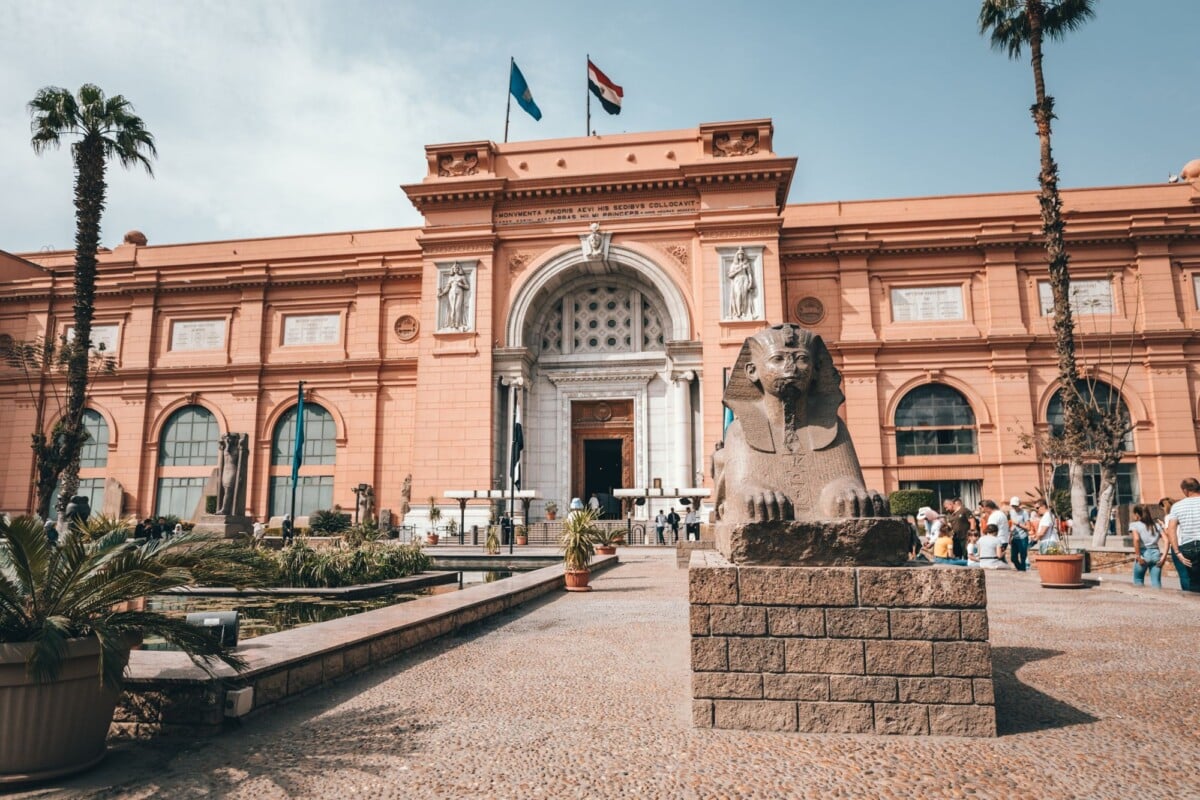
The Cairo Pass is designed for Ministry of Tourism and Antiquities sites in Cairo and Giza. A sensible five-day plan could include the Giza Plateau, the Egyptian Museum in Tahrir Square, the National Museum of Egyptian Civilization, the Citadel, the Coptic Museum, Saqqara and Dahshur.
The exact list matters more than the headline. Special-entry areas and separately ticketed experiences may sit outside the pass, including pyramid interiors, special tombs and temporary exhibitions. The Grand Egyptian Museum has its own arrangements and should never be assumed to be included without confirmation.
For current site listings, individual admission prices and online tickets where available, check the official Egyptian monuments platform before building an itinerary. It is more useful than relying on an old screenshot of a ticket board, which has a short shelf life in Egypt.
What the Luxor Pass Includes
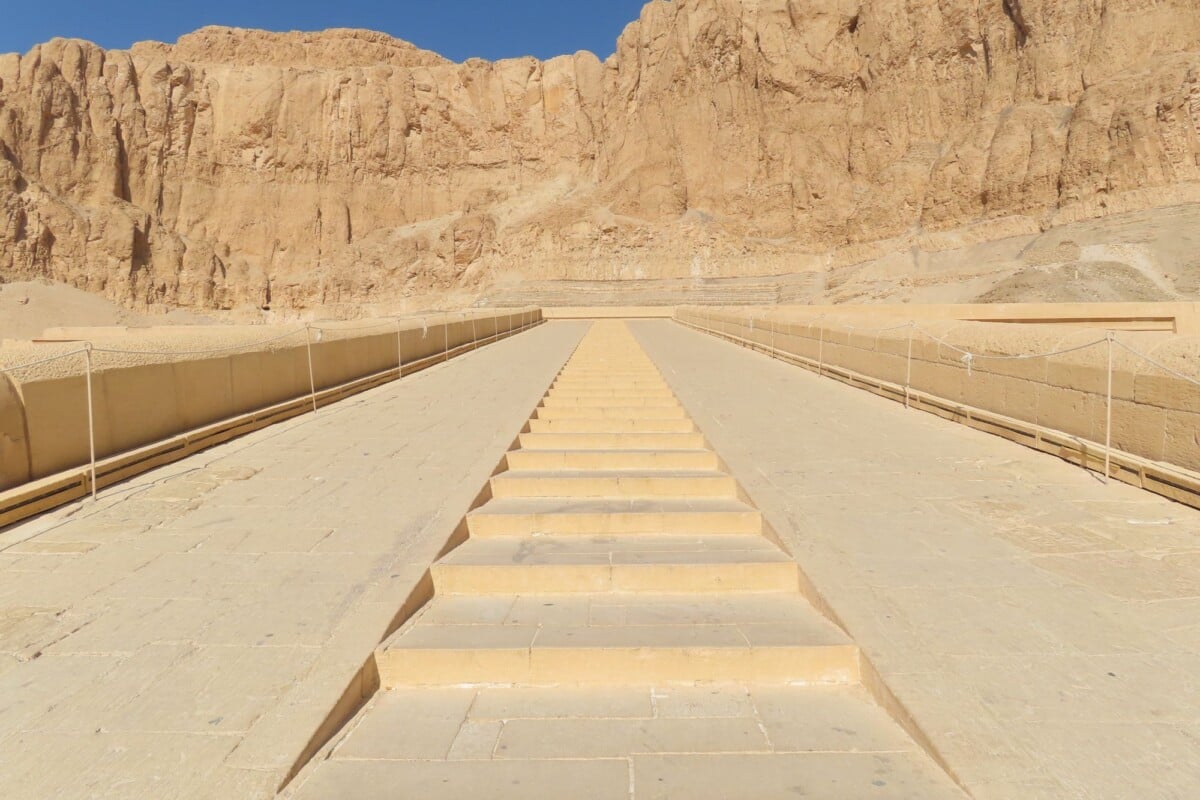
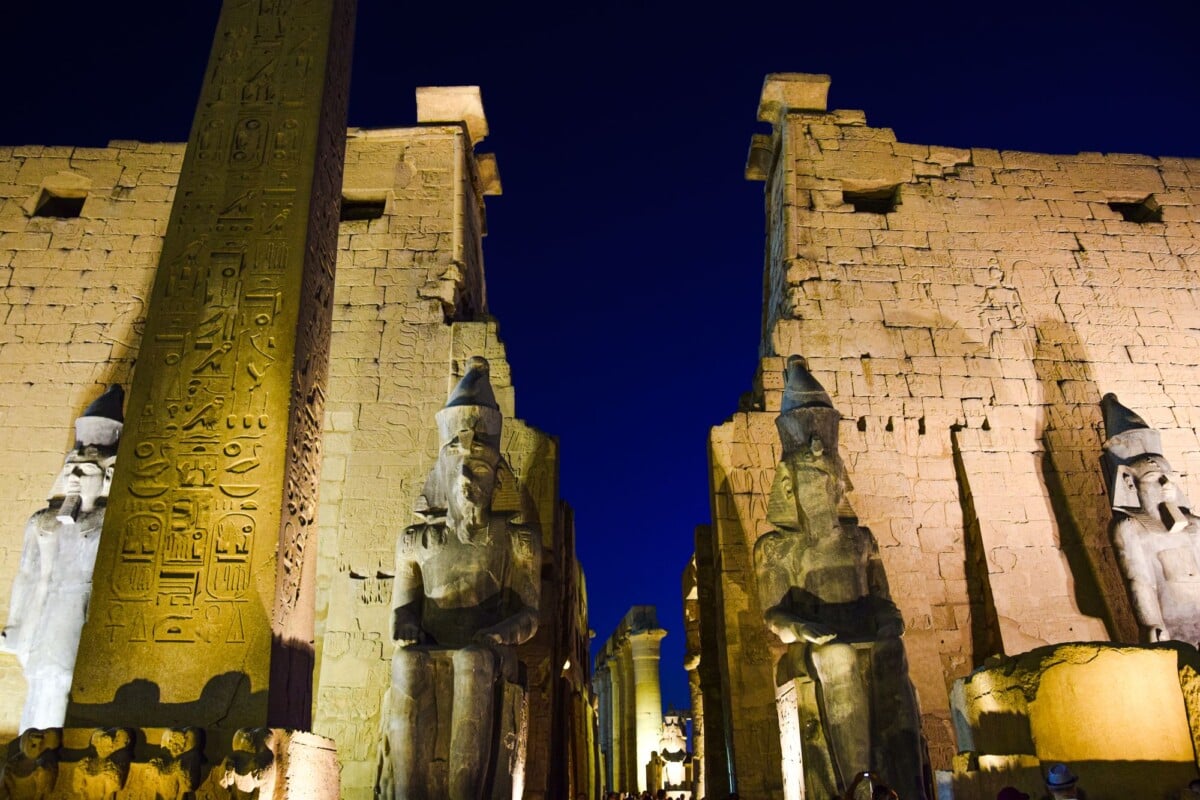
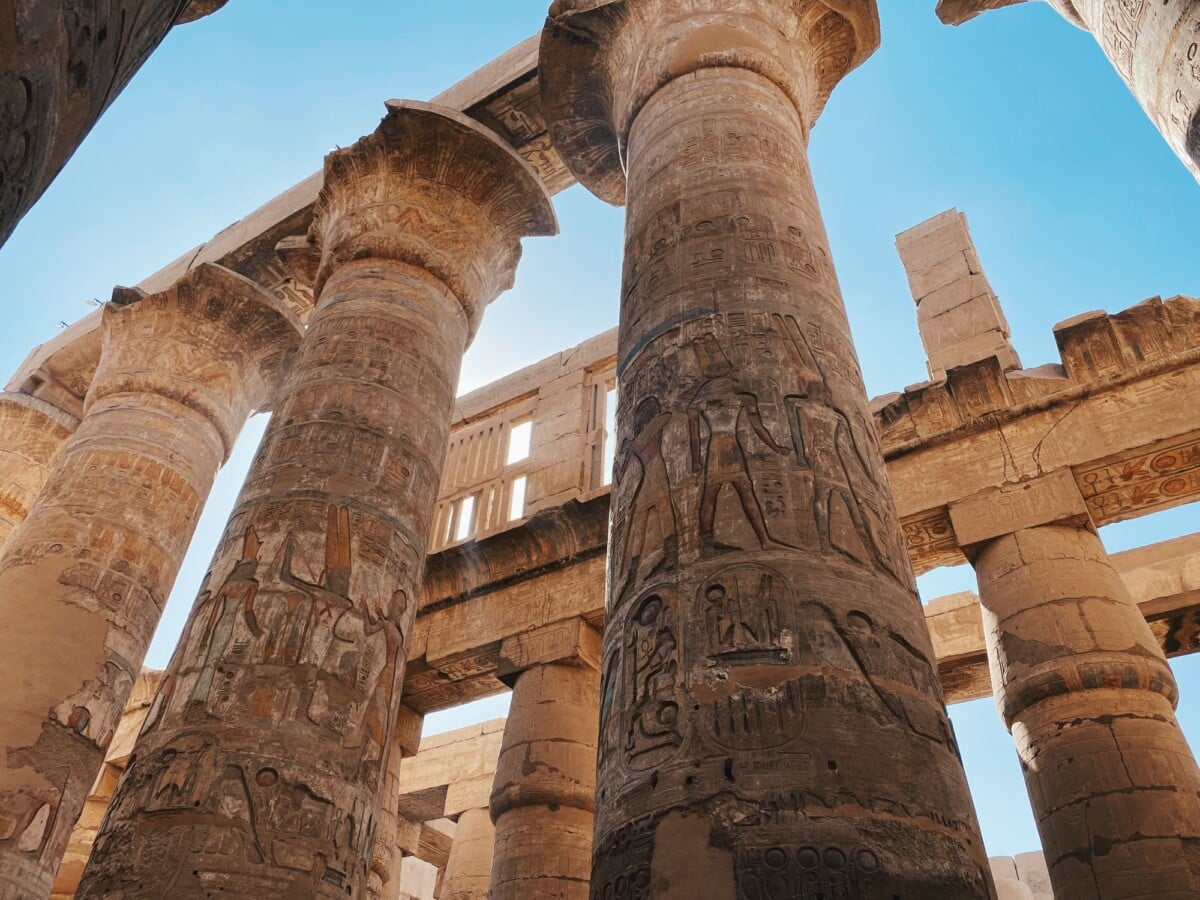
The Luxor Pass covers a broad run of state-managed sites on both banks of the Nile. For most itineraries, that includes the Karnak Temple Complex, Luxor Temple, Luxor Museum, the Valley of the Kings, Hatshepsut Temple, Medinet Habu, the Ramesseum, Deir el-Medina, the Valley of the Queens and other archaeological areas with ordinary admission.
The key difference is at the Valley of the Kings and Valley of the Queens. The Standard Luxor Pass excludes the tomb of Seti I and the tomb of Nefertari. The Premium Luxor Pass includes both, subject to site opening rules and any visitor-management limits on the day.
Those exclusions explain the large gap between the two Luxor Passes. Seti I and Nefertari are generally sold as high-priced special tickets, so the Premium pass can reach break-even quickly for a traveller who wants both tombs. For anyone who is happy with the standard tomb rotation, paying the Premium price makes little sense.
When the Cairo Pass Is Worth It
The Cairo Pass works best when you have at least three full sightseeing days and plan to visit a mix of museums, Islamic Cairo, Coptic Cairo, Giza and the ancient necropolises south of the city. It is most useful for independent travellers with a car, driver or guide who can link geographically sensible stops.
A Cairo Pass Can Make Sense If You Plan To Visit
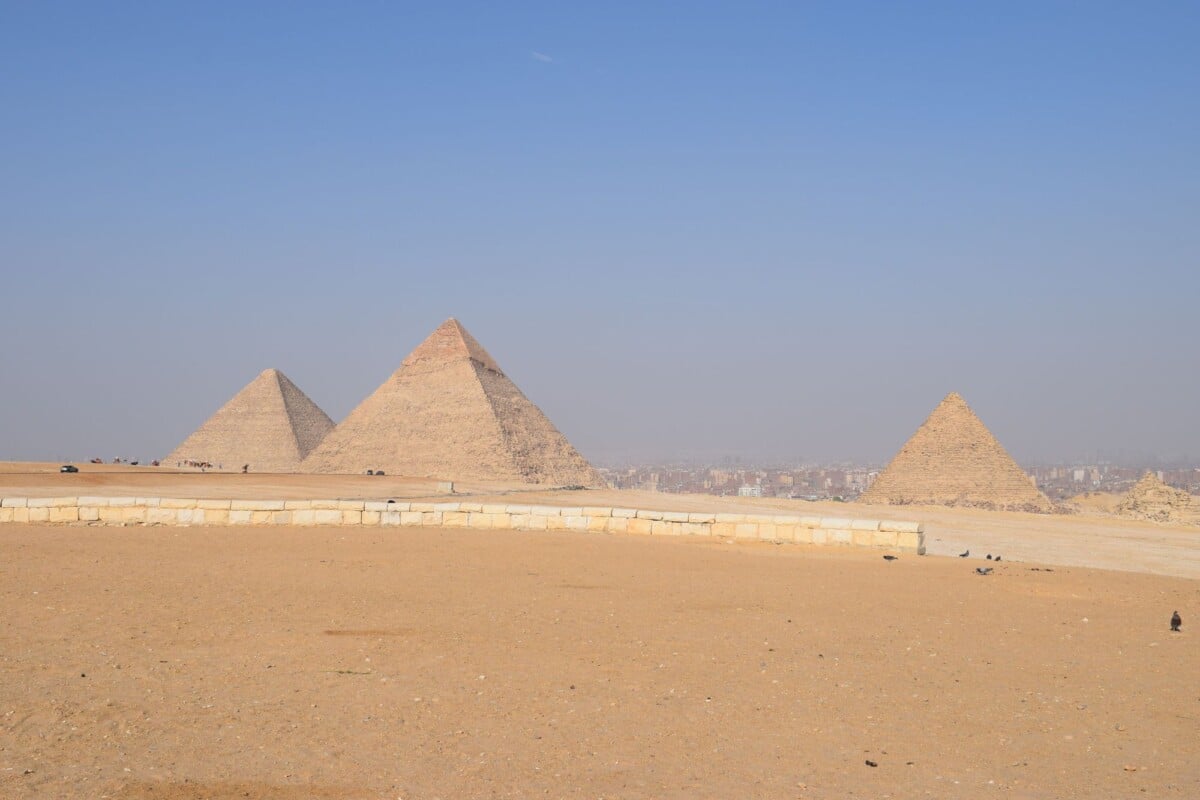
- Giza and at least one paid interior or nearby museum.
- The Egyptian Museum in Tahrir and the National Museum of Egyptian Civilization.
- The Citadel and Coptic Museum.
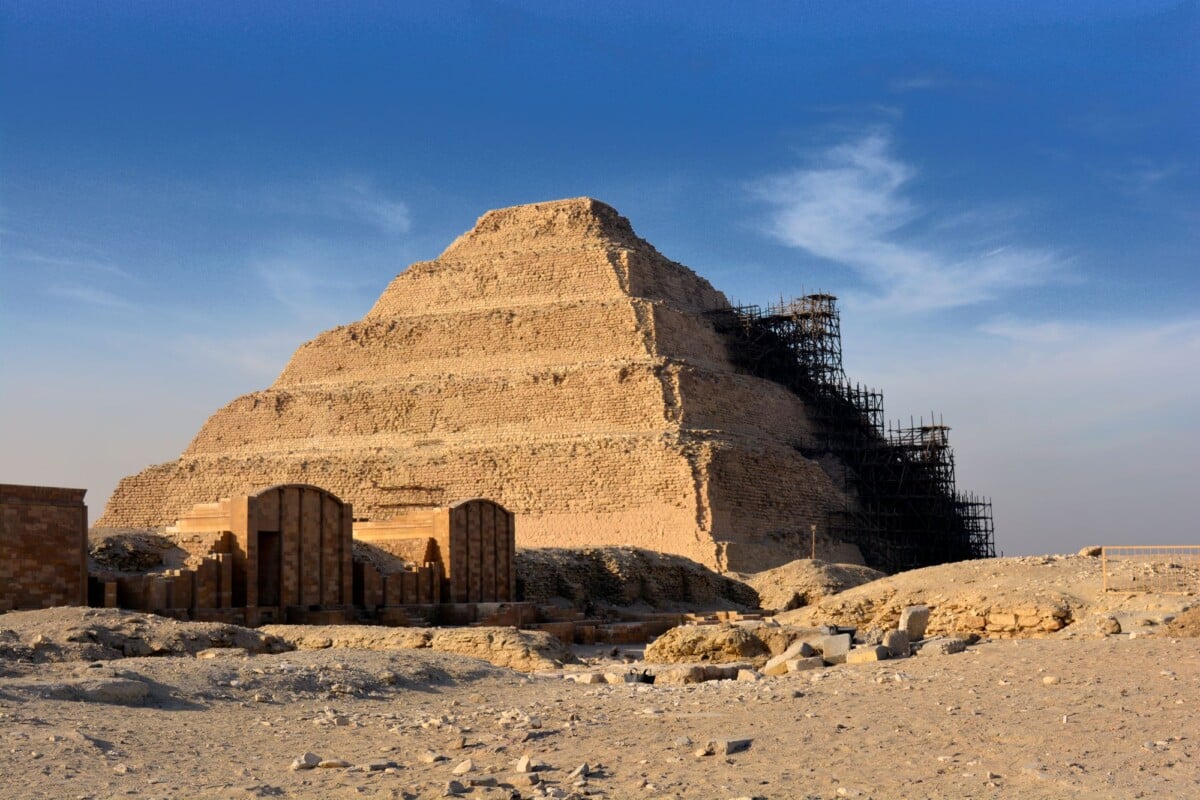
- Saqqara, including the Step Pyramid complex, and Dahshur.
- Several smaller museums or historic sites over the same five-day period.
As a rough rule, the pass needs around US$130 of ordinary entry fees to break even. A conventional two-day Cairo stay with Giza, one museum and the Citadel will often fall short. Paying site by site is usually cheaper and leaves room for a slower schedule, a long lunch or a proper rest after a red-eye flight.
The pass becomes more attractive when it supports the Luxor Pass discount. A Cairo itinerary that comes close to break-even on its own may still be worth buying if a discounted Premium Luxor Pass is already part of the trip.
When the Luxor Pass Is Worth It
The Standard Luxor Pass needs a busy programme. Karnak, Luxor Temple, the Valley of the Kings, Hatshepsut Temple and one or two West Bank sites create a worthwhile total, but a relaxed two-day stay often will not reach US$130 in normal entry fees.
Standard Luxor Pass Break-Even Scenario
A traveller who visits Karnak, Luxor Temple, Luxor Museum, the Valley of the Kings, Hatshepsut, Medinet Habu, Deir el-Medina, the Valley of the Queens and the Ramesseum has a realistic chance of passing the Standard Luxor Pass price. This is a full itinerary, usually spread across three to five days, with East and West Bank transport organised in advance.
Premium Luxor Pass Break-Even Scenario
The Premium Pass is easier to justify when both special tombs are non-negotiable. Add Seti I and Nefertari to the main temples and valleys, and the individual-ticket total can exceed the US$250 pass price. Visitors who only want one of these tombs should add up the current special-ticket price and compare it with the Standard Pass plus that single extra ticket.
Opening hours, restoration work and daily visitor limits can affect special tomb access. Plan the Premium Pass around confirmed availability, not a hopeful list saved to your phone six months earlier.
How To Buy the Passes and Use Them
Passes are generally purchased in person at designated Ministry of Tourism and Antiquities offices or ticket locations. Ask your hotel, licensed guide or local operator for the current sales point because procedures can move. Do not expect every attraction ticket window to sell them.
- Prepare your passport, passport photocopies and passport-sized photographs. Requirements have commonly included photographs, but confirm the current number before travelling.
- Write down every site you expect to visit and total the current entry fees.
- Buy the Cairo Pass first if you plan to seek the combined-pass discount.
- Check the printed dates immediately. The five-day clock runs consecutively, including days when you are travelling or taking a break.
- Carry the pass and passport each day, since admission staff may check both.
Keep some cash and a backup plan. Egyptian ticketing arrangements can change, and a card machine or a sales office is not something to build a tightly timed day around.
Passes Do Not Cover Transport, Guides or Tipping
Neither pass pays for a taxi, private driver, ferry, guide, food, photography permissions, hotel or domestic flight. On the West Bank, transport between widely spaced sites is often a larger practical issue than the entrance fees themselves.
A paper guide can help you decide which tombs and temples deserve your limited time before you commit to a pass.

We earn a commission if you buy through this link, at no extra cost to you.
The same principle applies to other attraction passes. This comparison of whether a U.S. National Park Pass is worth it uses a similar calculation: count the places you will actually visit, then factor in the time window and exclusions.
Where To Stay for a Cairo Pass Itinerary
Stay in central Cairo for the Egyptian Museum, Citadel and Coptic Cairo, or near Giza if the pyramids are your priority. Saqqara and Dahshur are day trips from either base, and the route is much easier with pre-arranged transport. Splitting nights between Cairo and Giza can reduce travel time, though it does mean another hotel change.
Our Verdict: Which Egypt Pass Should You Buy?
Buy the Premium Luxor Pass if Seti I and Nefertari are firm priorities and you will also see the major temples, museums and valleys. It is the clearest money-saving option for a packed Luxor stay.
Buy the Standard Luxor Pass if you have three to five sightseeing days and a long list of ordinary-access sites. Skip it for a short Luxor visit focused on Karnak, Luxor Temple and the Valley of the Kings.
Buy the Cairo Pass if you have a packed five-day sightseeing plan across multiple paid sites, especially if it qualifies you for the reduced Luxor Pass. For a typical two- or three-day first visit, individual tickets are usually the more realistic choice.
Frequently Asked Questions
Can You Buy the Cairo Pass and Luxor Pass Online?
These passes have generally been sold in person rather than through the standard online ticket system. Check the official Egyptian monuments ticketing platform and confirm locally before travelling, since sales procedures can change.
How Long Are the Cairo Pass and Luxor Pass Valid?
Both passes are generally valid for five consecutive days from the date shown on the pass. Buy them close to your main sightseeing days, not on an arrival day or a transfer day.
Does the Luxor Pass Include the Tomb of Nefertari?
The Premium Luxor Pass includes the tomb of Nefertari, while the Standard Luxor Pass does not. Site access remains subject to opening arrangements and visitor limits.
Does the Cairo Pass Include the Grand Egyptian Museum?
Do not assume that the Cairo Pass includes the Grand Egyptian Museum. The museum and special exhibitions can have separate ticketing, so check the current official terms before buying a pass around that visit.
Can Children Use the Same Pass as Adults?
Passes are personal and cannot be shared. Ask the sales office about current child, student or resident pricing because eligibility and discounts may differ from the international adult pass rates.
