
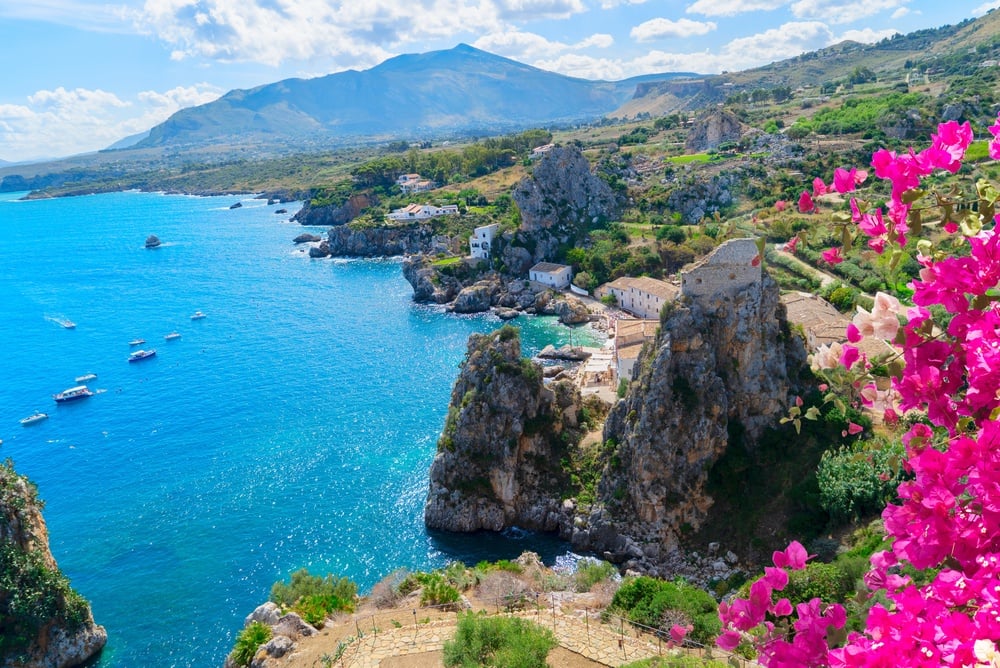
From dramatic coastlines and colourful seaside towns to ancient ruins, incredible food, and laid-back Mediterranean charm, it’s easy to see why so many fall in love with Southern Italy.
Whether you’re dreaming of sipping limoncello overlooking the sea, exploring historic cities, wandering through archaeological sites, or spending an afternoon over a long Italian lunch, Southern Italy offers a mix of experiences that suit almost every type of traveller.
The biggest challenge for a first visit is deciding where to go. Naples, the Amalfi Coast, Puglia, Basilicata, Calabria, and Sicily can easily fill separate trips, so trying to see everything at once usually means spending too much of your holiday in transit.

Southern Italy at a Glance
| Destination | Best For | Don’t Miss | Suggested Stay |
|---|---|---|---|
| Naples | Food and city culture | Historic centre, pizza and museums | 2-3 days |
| Amalfi Coast | Coastal scenery | Positano, Amalfi and Ravello | 3-4 days |
| Puglia | Road trips and slower travel | Alberobello, Ostuni and the coast | 4-7 days |
| Basilicata | History and quieter destinations | Matera | 1-3 days |
| Sicily | Food, beaches and ancient history | Palermo, Catania, Mount Etna and archaeological sites | 7+ days |
| Calabria | Beaches and fewer crowds | Tropea and the Tyrrhenian coast | 3-5 days |
Regions That Match Your Travel Style
Southern Italy covers considerable ground, and each region offers a distinctly different experience. The Amalfi Coast is perfect for travellers who want spectacular scenery and coastal walks. Puglia is known for its whitewashed towns and relaxed atmosphere, offering a quieter alternative for those looking to escape the crowds.
Sicily appeals to history lovers and food enthusiasts, with layers of Greek, Roman, Arab, Norman, and other influences visible across the island. Naples is ideal for those seeking culture, architecture, street life, and some of the country’s most famous cuisine, including the pizza for which the city is renowned.
Matera in Basilicata offers something completely different again. Famous for its ancient cave dwellings and dramatic stone landscape, the city makes an excellent addition to a Puglia itinerary.
Deciding which region suits you best often comes down to whether you’re chasing scenery, history, beaches, food, or some combination of all four.
- For dramatic scenery: Choose the Amalfi Coast.
- For food and city life: Spend time in Naples.
- For a road trip: Explore Puglia and Basilicata.
- For history and variety: Give Sicily at least a week.
- For beaches with fewer international crowds: Consider Calabria.
Don’t Underestimate the Amalfi Coast
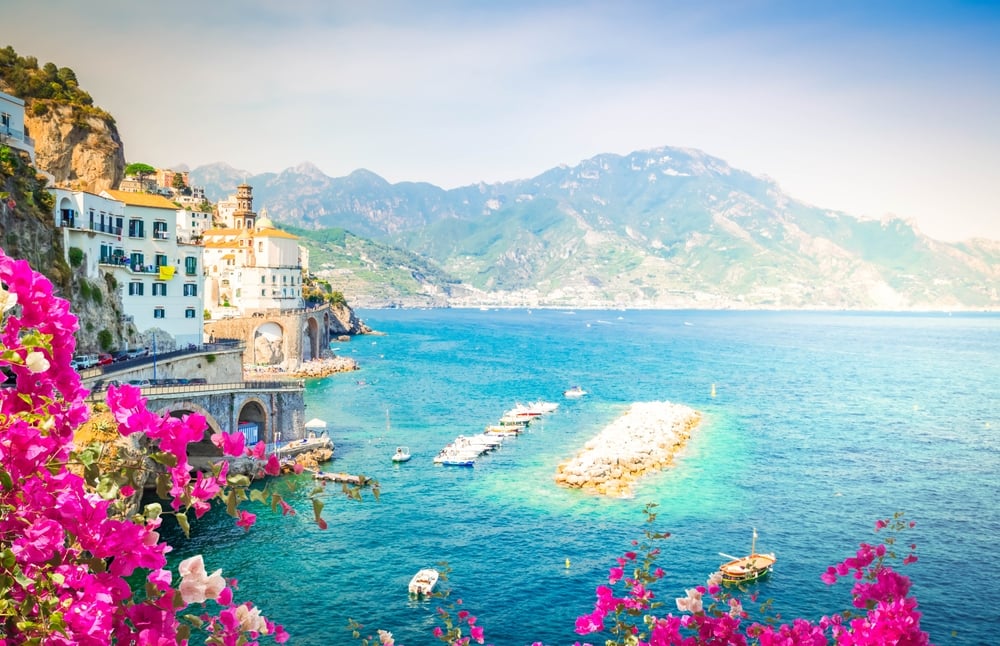
With colourful towns perched above the sea, winding coastal roads, and breathtaking viewpoints around seemingly every corner, the Amalfi Coast is understandably one of the highlights of many Southern Italy itineraries.
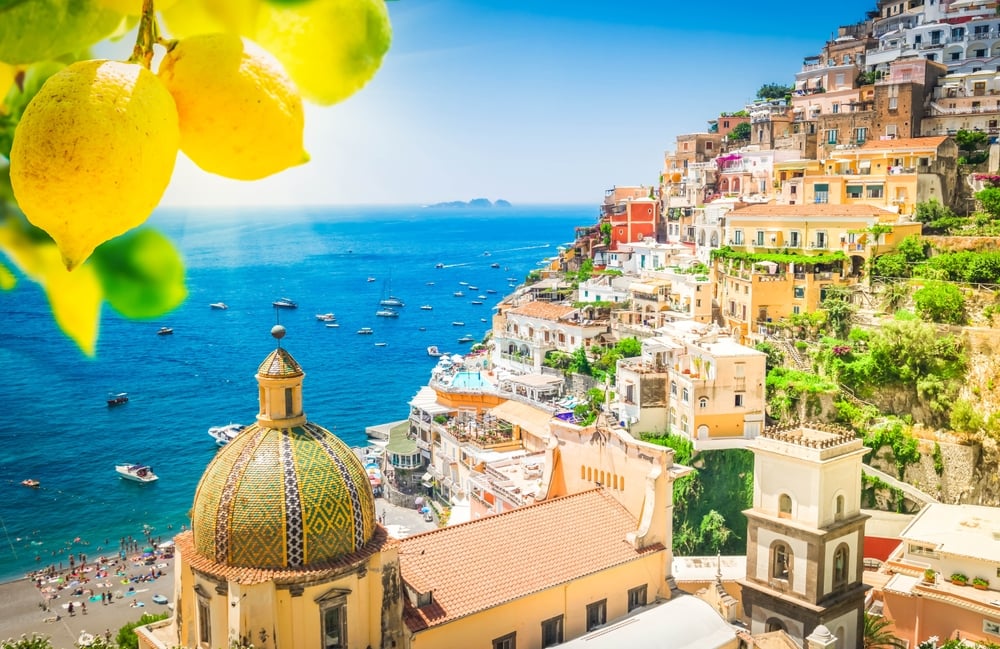
Positano is the famous postcard view, while Amalfi combines coastal scenery with an attractive historic centre. Ravello sits higher above the coastline and offers a different perspective, particularly from its gardens and terraces.
However, distances on a map can be misleading. Travelling between coastal towns can take longer than expected, particularly during the busiest months when buses, ferries, and roads are crowded.
For those looking for an easy way to explore the region’s most famous villages and hiking routes, organised Amalfi Coast tours can help take the stress out of planning, particularly given how narrow and busy the coastal roads can become during peak season.
If you prefer to organise the trip yourself, consider using ferries and public transport rather than automatically hiring a car. The official Italia.it guide to Campania is also a useful starting point for researching destinations and attractions throughout the wider region.
Make Time for Naples and Pompeii
Naples is sometimes treated purely as a gateway to the Amalfi Coast, but first-time visitors should consider giving the city at least a couple of days of its own.
Its historic centre is packed with churches, narrow streets, cafés, pizzerias, markets, and layers of history. It also makes a convenient base for visiting Pompeii and other archaeological sites around the Bay of Naples.
Pompeii deserves more than a rushed stop between destinations. The archaeological park is enormous, and comfortable shoes, water, sun protection, and several hours are advisable. Before visiting, check current opening information and ticket options directly with the official Archaeological Park of Pompeii.
If historic cities are a major part of your travels, our guide to spending three days in Rome can also help if you’re combining Southern Italy with the Italian capital.
Leave Room for the Food Experiences
Southern Italy is a destination that’s best enjoyed slowly, especially when it comes to food. Fresh seafood, handmade pasta, local wines, wood-fired pizza, and traditional family-run restaurants are all part of the experience, and rushing through meals tends to miss the point entirely.
The food also changes considerably as you travel. Naples is synonymous with pizza, Puglia is famous for dishes such as orecchiette, while Sicily has its own distinctive culinary identity, including arancini, cannoli, granita, seafood, and dishes shaped by the island’s long multicultural history.
A long, unhurried lunch overlooking the sea or tucked into a quiet piazza often turns out to be one of the most memorable parts of the trip, far more so than any single attraction.
When Is the Best Time to Visit Southern Italy?
For many travellers, late spring and early autumn offer the best balance between pleasant weather and manageable crowds.
- April to May: Good for sightseeing and walking before the hottest summer weather arrives.
- June: Warmer beach weather, with crowds generally building as summer approaches.
- July and August: Hot, busy, and popular in coastal destinations. Book accommodation and transport well ahead.
- September to October: Often an excellent combination of warm weather, sightseeing, and fewer peak-season crowds.
- November to March: Better suited to cities and cultural trips, with quieter tourist areas but reduced seasonal services in some coastal destinations.
If you are visiting during the hotter months, our Europe summer packing list covers many of the essentials you’ll want for long sightseeing days and time on the coast.
Getting Around Southern Italy
The best way to travel depends heavily on your itinerary. Trains are particularly useful between major cities, while buses and ferries become more important along parts of the coast.
A rental car can be useful in Puglia, Basilicata, Sicily, and Calabria, especially if you want to explore smaller towns or rural areas. On the Amalfi Coast, however, narrow roads, limited parking, and heavy seasonal traffic can make driving more stressful than helpful.
- Train: Best for travelling between major cities and transport hubs.
- Ferry: Useful for coastal journeys and island connections during the operating season.
- Bus: Important for destinations without direct rail connections.
- Rental car: Most useful for rural Puglia, Sicily, Calabria, and multi-stop road trips.
How Long Do You Need in Southern Italy?
A week is enough for a focused first trip, but not enough to see all of Southern Italy properly. Instead of trying to cover the entire region, choose destinations that work naturally together.
| Trip Length | Example Itinerary |
|---|---|
| 5 days | Naples + Pompeii + Amalfi Coast |
| 7 days | Naples + Pompeii + Amalfi Coast |
| 7 days | Puglia + Matera |
| 7-10 days | Focused Sicily road trip |
| 10-14 days | Naples + Amalfi Coast + Puglia + Matera |
Trying to combine Naples, Amalfi, Puglia, and Sicily in seven days may look possible when plotting the destinations on a map, but the transfers quickly eat into valuable sightseeing time.
What to Pack for Southern Italy
Pack for the season and the type of trip you’re taking, but remember that Southern Italy often involves plenty of walking, uneven historic streets, stairs, and time outdoors.
- Comfortable walking shoes
- Lightweight, breathable clothing in summer
- Sun hat and sunglasses
- Reusable water bottle
- Swimwear for coastal destinations
- Light layer for evenings and air-conditioned transport
- Portable phone charger
- Small day bag
- Clothing suitable for visiting churches and religious sites
Travelling light can make a multi-destination Italian trip considerably easier, particularly when using trains and ferries. Our guides on packing have practical tips for reducing what you carry without leaving the essentials behind.
Embrace the Unexpected
It’s tempting to squeeze Naples, Pompeii, the Amalfi Coast, Puglia, Sicily, and countless other attractions into one trip, but Southern Italy rewards slow travel. Rather than rushing between destinations, focus on a few key locations and allow yourself time to wander.
Some of the region’s greatest experiences come from exploring quiet side streets, discovering local markets, chatting with residents, or finding an empty viewpoint overlooking the sea. These moments rarely make it into a rigid itinerary but often end up being what travellers remember most.
Leave a little flexibility in your schedule for a beach you hadn’t planned to visit, a restaurant recommendation, a ferry trip, or simply another hour sitting in a piazza. Southern Italy is one destination where slowing down is very much part of the experience.
Southern Italy Travel Tips for First-Time Visitors
- Don’t try to see everything: Two or three bases usually make for a better week-long trip.
- Book popular attractions ahead: This is particularly important during the summer season.
- Expect plenty of walking: Historic centres and coastal towns often involve hills, stairs, and uneven surfaces.
- Check transport schedules: Ferry and bus frequencies can vary by season.
- Start early: Popular archaeological sites and coastal towns are generally more comfortable before the busiest part of the day.
- Leave room for food: Don’t schedule every meal around sightseeing. Eating well is part of the trip.
- Stay flexible: Weather, transport, and spontaneous discoveries can all change your plans.
Is Southern Italy Worth Visiting?
Absolutely. Southern Italy combines some of Europe’s most recognisable coastal scenery with ancient history, distinctive regional cuisines, beaches, lively cities, and small towns where slowing down feels natural.
For a first visit, resist the urge to turn the trip into a checklist. Choose a region or a small group of destinations that work well together, give yourself enough time to explore them properly, and leave some space for the experiences you didn’t plan.
You can always come back for the places you missed, and in Southern Italy, there’s a very good chance you’ll want to.
