
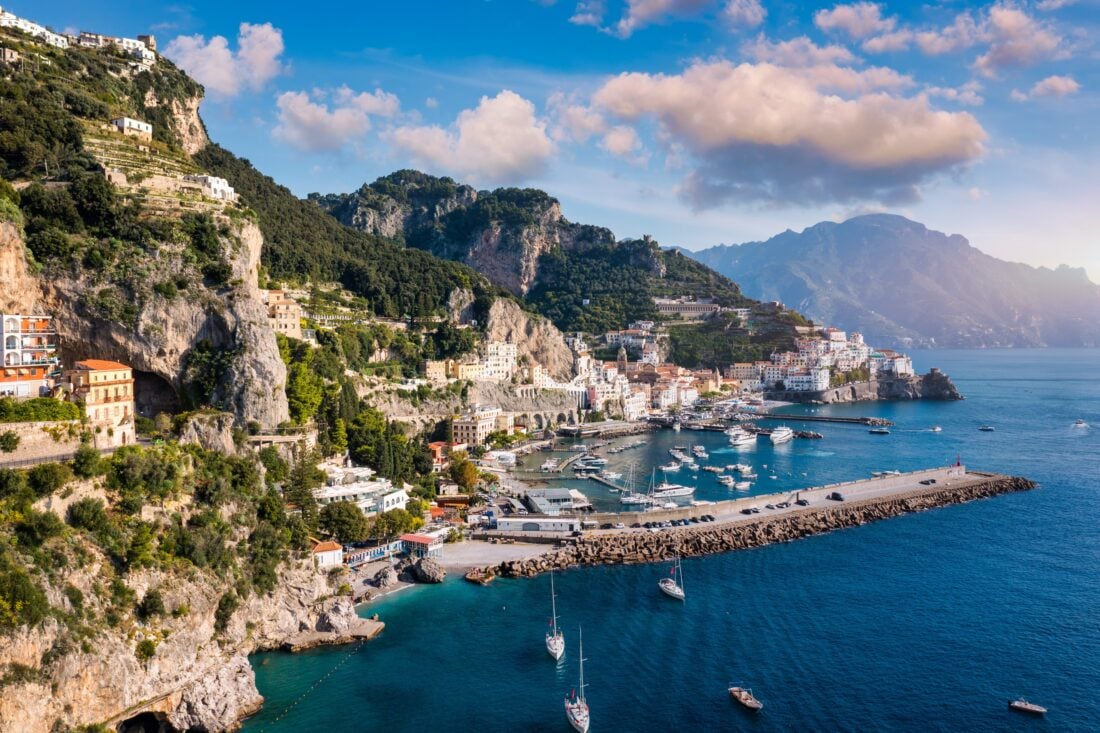
November on the Amalfi Coast is cool, wet, and quiet. Daytime temperatures reach 17°C to 20°C, nights drop to 8°C to 13°C, and rainfall averages around 130mm across roughly 10 rainy days. It is the rainiest month of the year. Ferries stop running, many businesses close after All Saints Day (November 1) and do not reopen until Easter, and beach conditions are poor. That said, crowds are minimal and prices drop by around 30% compared to peak season.
Interestingly, Google Trends data shows that search interest for “Amalfi Coast travel” actually peaks in January, February, and December, with the trend rising year on year. That tells you people are planning their summer trips months in advance, so if you’re eyeing a November visit for the savings, you’re genuinely going against the grain.
Quick-Answer: Amalfi Coast November Weather at a Glance
| Metric | November Figure |
|---|---|
| Average high temperature | 17°C to 20°C |
| Average low temperature | 8°C to 13°C |
| Rainfall | Approx. 130mm |
| Rainy days | Around 10 |
| Chance of rain | 35% |
| Chance of clouds | 45% |
| Daily sunshine | Around 5 hours |
| Daylight hours | Around 10 hours |
| Sea temperature | Approx. 19°C |
| Humidity | Around 70% |
| Average wind speed | 10 km/h |
How Warm Is the Amalfi Coast in November?
Daytime temperatures on the Amalfi Coast in November sit between 17°C and 20°C, feeling mild enough for walking and sightseeing. By evening, temperatures fall to around 10°C, and coastal winds make it feel colder. Overnight lows range from 8°C to 13°C depending on where you are in the month, with early November warmer and late November noticeably cooler.
This is not beach weather, but it is comfortable for hiking and exploring towns on foot. Italy runs on UTC+01:00, so sunset comes early and you’ll want to make the most of morning light.
How Much Rain Falls on the Amalfi Coast in November?
November is the wettest month of the year on the Amalfi Coast. Expect around 130mm of rain spread across approximately 10 days. Showers range from light drizzle to heavy downpours, so flexible plans and waterproof gear are essential. Cloud cover sits at about 45% on average, and you will get around 5 hours of sunshine per day when skies clear.
The 35% chance of rain on any given day means you will have plenty of dry days, but you should not count on a full week without rain.
Is the Sea Warm Enough to Swim in November?
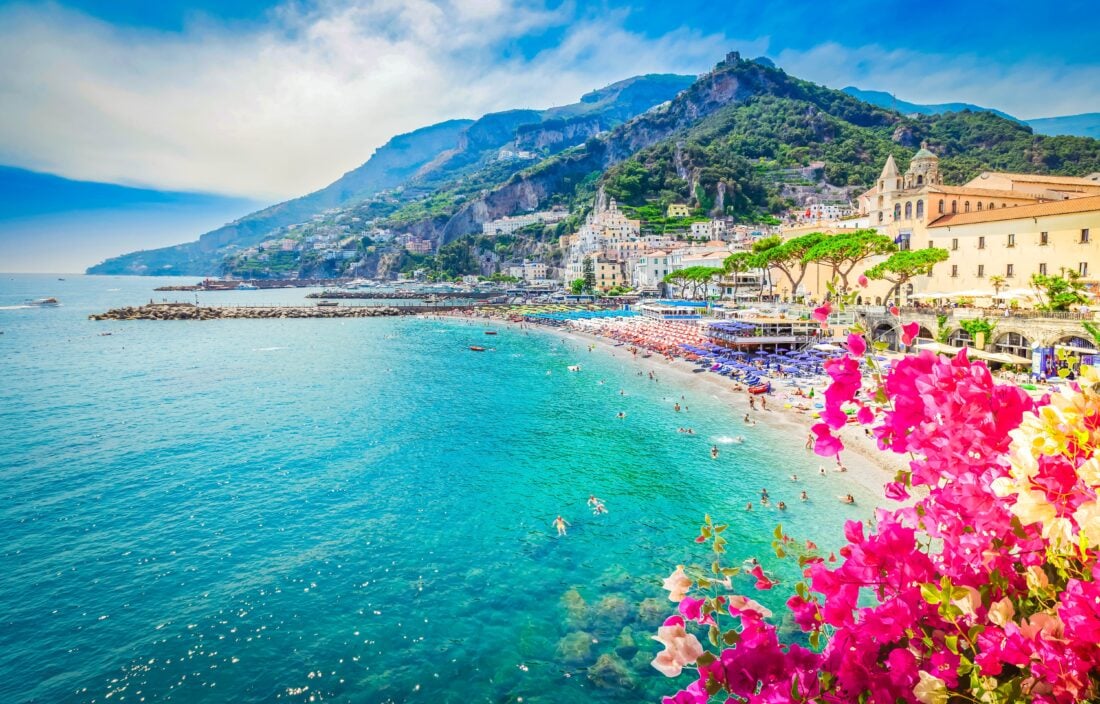
The sea temperature averages 19°C in November, but choppy conditions and cool air make swimming or sunbathing unappealing. Ferry services between Positano and Amalfi also stop running during this period due to rough seas and low demand. The coastline is still dramatic and worth seeing, but plan around land-based activities. If you’re craving warm water and sunshine in the off-season, you might be better off looking at the best islands to visit in December instead.
What Are the Pros and Cons of Visiting in November?
Pros:
- Prices for accommodation, food, and activities are roughly 30% lower than peak season
- Far fewer crowds in towns like Positano, Amalfi, and Ravello
- Driving the coast road is easier, with lighter traffic and available parking
- Buses run without summer congestion
- Fall produce including chestnuts and truffles features in local markets
Cons:
- Highest rainfall of the year
- Many restaurants and businesses close from November 1 and do not reopen until Easter
- No ferry services
- Sea conditions rule out beach and water activities
- Short daylight hours (around 10 hours, with only 5 of sunshine)
November is not recommended for first-time visitors to the Amalfi Coast, largely because of business closures. Honestly, the closures are the bigger issue here, not the weather itself.
Where Should You Stay in November?
Sorrento is the best base for a November visit. Most of its hotels, shops, and restaurants stay open year-round, unlike many businesses elsewhere on the coast that shut after All Saints Day. From Sorrento, you can make day trips to Positano, Amalfi, and Ravello on clear days, and fall back on Naples on rainy ones.
What Can You Do on the Amalfi Coast in November?
On dry days
- Walk through Positano, Amalfi, and Ravello without summer crowds
- Hike through lush autumn landscapes along the coast
- Browse local markets and seasonal produce
- Drive or take the bus along the coast road without traffic delays
On rainy days
- In Amalfi: visit the Amalfi Cathedral complex, the paper museum, or stop at Pasticceria Pansa for pastries and espresso
- In Sorrento: explore the Correale Museum or the Inlaid Wood Museum
- In Naples: visit churches and museums, and try Neapolitan pizza
Amalfi town has the most rainy-day options of any stop on the coast itself.
What to Pack for the Amalfi Coast in November
- Warm layers (temperatures swing between 10°C and 20°C across the day)
- A waterproof jacket
- An umbrella
- Comfortable walking shoes (not sandals)
- A reusable water bottle
Swap summer clothes for sweaters and light jackets. Sundresses and linen trousers are not practical for this time of year. If you’re the type who always gets packing wrong (same), having a solid checklist matters. I put together a Vienna packing list for a similar cool, shoulder-season climate that might give you a useful starting point.
November vs. Other Months: How Does It Compare?
November sits at the wetter, cooler end of the Amalfi Coast calendar. October averages 18°C with 29mm of rain, noticeably drier. December drops to 11°C. If you want mild weather with far less rain, October is a better choice. If you want the lowest prices and smallest crowds and are happy to work around the weather, November delivers.
For context on planning around seasons in other European cities, the same logic applies to figuring out the best time to travel to Vienna, where shoulder months offer a similar trade-off between weather and crowds.
Is November a Good Time to Visit the Amalfi Coast?
For most visitors, no, especially if it is your first trip. Business closures are significant, ferry transport is unavailable, and the weather is genuinely unpredictable. But if you have already seen the coast in summer and want a quieter, cheaper return visit focused on towns, food, and walking rather than beaches, November works well. Base yourself in Sorrento, keep your itinerary flexible, and pack for rain. The euro (€) is the currency across Italy, so at least you won’t be juggling exchange rates if you’re coming from another eurozone country.
