
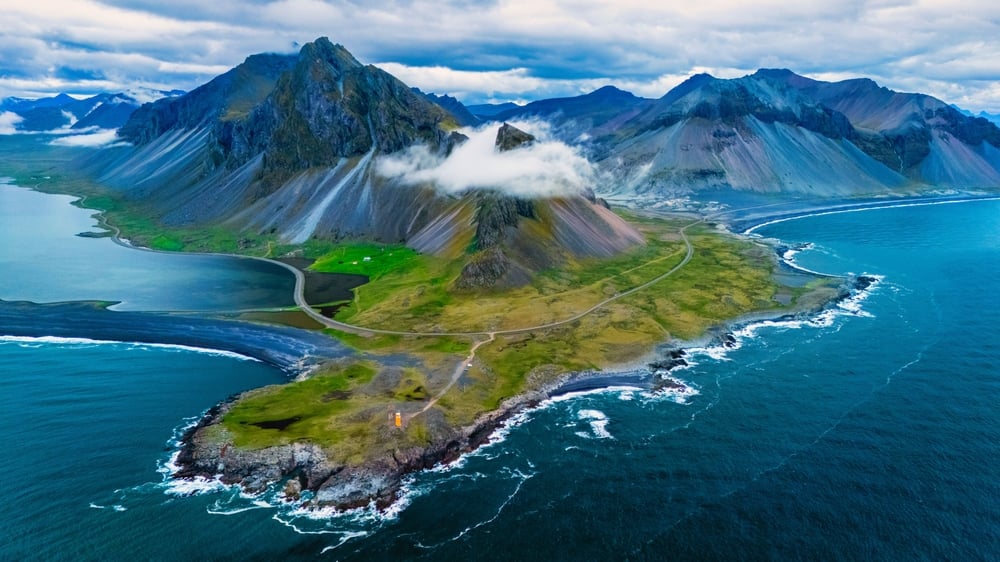
Iceland has a knack for making even a short trip feel like a genuine adventure. You can watch geysers erupt beneath wide-open skies, walk beside thundering waterfalls, see enormous glaciers and find black-sand beaches where Atlantic waves crash against volcanic shores.
In summer, long daylight hours give you more time to explore, while the darker months bring the possibility of seeing the Northern Lights. A well-paced first visit lets you appreciate just how exciting this island really is without spending the entire trip rushing from one attraction to another.
The challenge is deciding what deserves a place on your itinerary. Iceland has enough waterfalls, volcanoes, hot springs, glaciers and coastal landscapes to fill several trips, so first-time visitors are usually better focusing on Reykjavík, the Golden Circle and the South Coast rather than trying to circle the entire country.
Iceland Bucket List at a Glance
| Place | Best For | Suggested Time |
|---|---|---|
| Reykjavík | Food, culture and city sightseeing | 1-2 days |
| Golden Circle | Geysers, waterfalls and geology | 1 day |
| South Coast | Waterfalls and black-sand beaches | 1-2 days |
| Jökulsárlón | Glaciers and icebergs | Half to full day |
| Diamond Beach | Photography and glacial ice | 1-2 hours |
| Snæfellsnes Peninsula | Road trips and varied landscapes | 1 day |
| Geothermal Spa | Relaxation | 2-4 hours |
| Northern Lights | Winter night skies | Evening |

Explore the Famous Golden Circle
The Golden Circle gives you an excellent introduction to Iceland’s geology and landscapes, especially if you base yourself in Reykjavík. The roughly 300-kilometre circuit usually takes a full day once you allow time for stops.
Start early and travel to Þingvellir National Park, where you can walk through a dramatic rift valley created by geological forces along the boundary between the North American and Eurasian tectonic plates. The area is also one of Iceland’s most important historic sites.
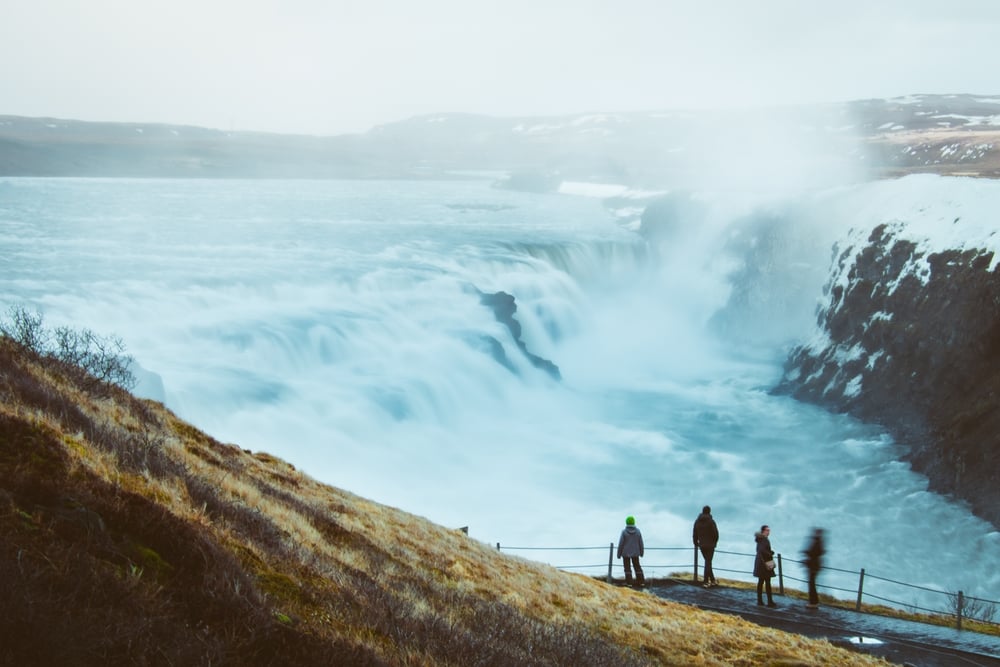
From there, continue to the Geysir geothermal area to watch Strokkur shoot hot water into the air every few minutes. Gullfoss completes the classic route, with glacial water plunging through a rugged canyon in two powerful stages.
- Þingvellir National Park: Geology, walking trails and Icelandic history.
- Geysir geothermal area: See the regularly erupting Strokkur geyser.
- Gullfoss: One of Iceland’s most impressive and accessible waterfalls.
- Kerið: A volcanic crater lake that can be added to many self-drive routes.
If you are driving yourself, avoid packing too many additional stops into the route. The Golden Circle looks compact on a map, but stopping for viewpoints, walks and meals can easily turn it into a full-day experience.
Chase Waterfalls Along the South Coast
Iceland’s South Coast packs several striking landscapes into a relatively manageable drive. Seljalandsfoss offers an unusual perspective as the path runs behind the waterfall, although the spray can make the rocks slippery.
Around 30 kilometres further east, Skógafoss drops about 60 metres from former sea cliffs. You can climb the staircase beside it for a broader view across the surrounding landscape.
Both waterfalls are easily accessible from Iceland’s Route 1, making them natural stops on the journey towards Vík.
Walk on the Black Sand at Reynisfjara
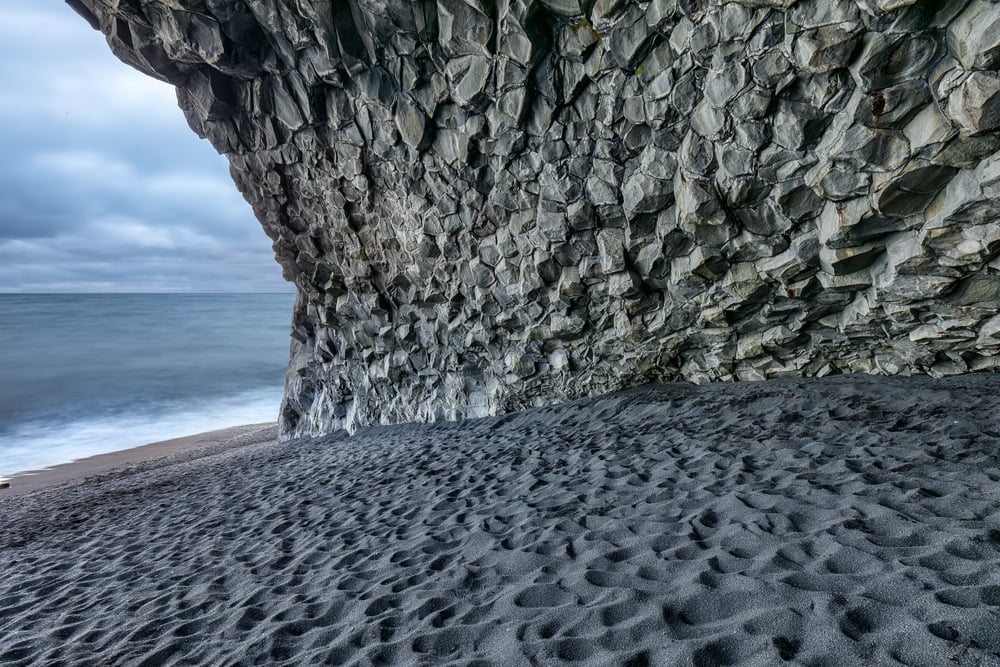
Continue towards Vík to reach Reynisfjara, where geometric basalt columns rise above a striking stretch of black volcanic sand. Offshore, the Reynisdrangar sea stacks make the landscape even more dramatic.
The beach is beautiful, but it also requires caution. Powerful sneaker waves can travel unexpectedly far up the shore, so never assume the water is safe simply because previous waves stopped farther away.
Pay attention to signs and local conditions and keep well back from the sea. Iceland’s official SafeTravel service provides current travel alerts and safety information that is worth checking throughout your trip.
Experience Iceland’s Coastal Landscapes
Iceland’s coastline reveals another side of the country, from steep fjords and remote fishing communities to cliffs filled with seabirds during the breeding season.
An Iceland cruise can help you experience these landscapes without repeatedly retracing long road routes, particularly if you want to visit isolated coastal regions.
When you go ashore, local excursions can take you closer to volcanic scenery, wildlife habitats and small settlements. Check how much time you have in each port before booking activities, then choose trips that return comfortably before your scheduled departure.
For independent travellers, Iceland’s coastal regions can also form part of a longer road trip. Just remember that distances become much greater once you venture beyond the Reykjavík, Golden Circle and South Coast areas.
See Jökulsárlón Glacier Lagoon and Diamond Beach
Jökulsárlón deserves extra time because the lagoon changes constantly as ice breaks away from Breiðamerkurjökull glacier. Icebergs drift across the water before the current carries them towards the Atlantic, creating a landscape that can look different within hours.
Walk from the lagoon to nearby Diamond Beach, where waves scatter pieces of glacial ice across black sand. Visit early in the morning or later in the day when possible, as softer light can make the ice especially striking and popular viewing areas may feel quieter.
Since Jökulsárlón sits roughly five hours by car from Reykjavík in good conditions, you should plan an overnight stay along the South Coast rather than squeezing the return journey into one exhausting day.
Vík can work as one stopping point, while staying farther east makes it easier to reach the glacier lagoon without spending most of your day behind the wheel.
Spend Some Time in Reykjavík
Iceland’s landscapes understandably get most of the attention, but don’t treat Reykjavík purely as somewhere to sleep after your flight.
The compact capital is easy to explore on foot and has colourful streets, museums, restaurants, bars, cafés and one of the country’s most recognisable landmarks, Hallgrímskirkja church.
A day is enough to see the central highlights, although two days gives you more time to enjoy the city without rushing. Reykjavík also makes a convenient base for Golden Circle excursions, whale-watching trips and Northern Lights tours.
Relax in Iceland’s Geothermal Water
Swimming and bathing in geothermal water is an important part of Icelandic culture, and adding a pool or geothermal spa to your itinerary provides a welcome break between long driving and sightseeing days.
The Blue Lagoon is the internationally famous option and is conveniently located on the Reykjanes Peninsula between Keflavík International Airport and Reykjavík. However, it isn’t your only choice. Reykjavík has public geothermal swimming pools, while other commercial lagoons and hot-spring experiences can be found around the country.
If you choose a major commercial lagoon, book ahead where possible, particularly during busy travel periods.
See the Northern Lights
Seeing the aurora borealis is high on many Iceland bucket lists, but it is important to remember that the Northern Lights are a natural phenomenon and sightings are never guaranteed.
You need darkness, sufficiently clear skies and suitable aurora activity. That makes the darker part of the year the time to plan a Northern Lights-focused trip rather than Iceland’s bright summer months.
- Get away from strong city lights when possible.
- Check cloud cover before travelling long distances.
- Give yourself several nights rather than relying on one evening.
- Dress for standing outside in cold conditions.
- Keep your itinerary flexible enough to take advantage of clearer nights.
Take a Snæfellsnes Peninsula Road Trip
If you have an extra day beyond the Golden Circle and South Coast, the Snæfellsnes Peninsula is one of the easiest ways to add another distinctly Icelandic landscape to your itinerary.
The peninsula combines mountains, lava fields, fishing villages, cliffs and beaches within a relatively concentrated area. Kirkjufell, with its distinctive shape and nearby waterfall, is one of its best-known landmarks.
It can be visited as a long day trip from Reykjavík, although staying overnight gives you much more time to explore without constantly watching the clock.
When Is the Best Time to Visit Iceland?
There isn’t one universally perfect month to visit Iceland because the experience changes considerably with the seasons. Your priorities should determine when you travel.
| Season | Best For | What to Expect |
|---|---|---|
| Summer | Road trips and long sightseeing days | Very long daylight hours and peak visitor numbers |
| Autumn | Scenery and increasing darkness | Changing weather and potential aurora opportunities |
| Winter | Northern Lights and snowy landscapes | Short daylight hours and more challenging road conditions |
| Spring | Shoulder-season trips | Increasing daylight with variable weather |
Summer is usually easier for first-time road trips because the extended daylight provides more flexibility. Winter can be spectacular, but snow, ice, wind and limited daylight require more careful planning.
Driving in Iceland
Renting a car gives you considerable freedom, particularly along the Golden Circle and South Coast, but Iceland isn’t a destination where you should judge journey times purely by distance.
Weather can change quickly, and wind, snow, ice or road closures can alter your plans. Before driving each day, check the official Icelandic Road and Coastal Administration road information service alongside current weather and SafeTravel alerts.
- Check road and weather conditions before setting out.
- Allow more time than your navigation app suggests.
- Don’t stop your vehicle in the road for photographs.
- Keep your fuel level topped up outside major population centres.
- Don’t drive onto roads that are closed.
- Never drive off-road.
- Be especially cautious when strong wind warnings are in effect.
If you’re planning a self-drive holiday, our road trip tips and hacks can help with packing, organisation and making long days on the road more comfortable.
How Many Days Do You Need in Iceland?
For a first visit, five to seven days gives you enough time to experience several of Iceland’s signature landscapes without turning every day into a marathon drive.
| Trip Length | Suggested Focus |
|---|---|
| 3 days | Reykjavík + Golden Circle + South Coast highlights |
| 5 days | Reykjavík + Golden Circle + South Coast + Vík |
| 7 days | Golden Circle + South Coast + Jökulsárlón + Reykjavík |
| 10 days | Add Snæfellsnes or explore farther along Route 1 |
| 14+ days | More realistic for a comprehensive Ring Road trip |
A Simple 7-Day Iceland Itinerary for First-Time Visitors
- Day 1: Arrive, explore Reykjavík and recover from your flight.
- Day 2: Drive or tour the Golden Circle.
- Day 3: Visit Seljalandsfoss and Skógafoss before continuing to Vík and Reynisfjara.
- Day 4: Continue east towards Jökulsárlón Glacier Lagoon and Diamond Beach.
- Day 5: Explore more of the South Coast while gradually returning west.
- Day 6: Spend another day in Reykjavík or take a Snæfellsnes Peninsula day trip.
- Day 7: Enjoy a geothermal pool or spa before departure.
In winter, keep this itinerary deliberately flexible. A weather warning or road closure may mean swapping activities between days.
What to Pack for Iceland
Icelandic weather can change quickly, so layers are generally more useful than relying on one extremely heavy piece of clothing. Waterproof gear is particularly valuable around waterfalls and during wet or windy weather.
- Waterproof outer jacket
- Waterproof or water-resistant trousers for outdoor activities
- Warm insulating layers
- Comfortable waterproof footwear
- Hat and gloves
- Reusable water bottle
- Swimsuit for geothermal pools and spas
- Portable phone charger
- Day backpack
- Sleep mask for summer’s very long daylight hours
Our Reykjavik packing list goes into more detail on what to bring for the country’s unpredictable conditions.
First-Time Iceland Travel Tips
- Don’t underestimate distances: A location that looks close on a map may require several hours of driving.
- Check conditions every day: Weather and road conditions can change quickly.
- Don’t overpack your itinerary: Waterfalls, viewpoints and unexpected stops inevitably take longer than expected.
- Bring waterproof clothing: Even clear mornings can turn wet and windy.
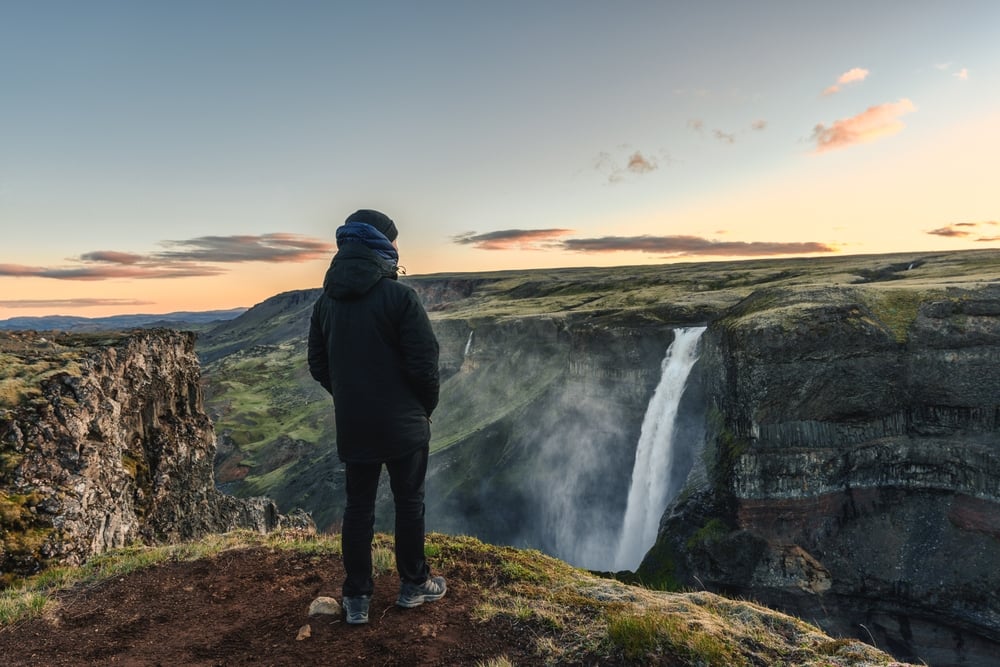
- Respect safety barriers: Iceland’s natural attractions can involve powerful waves, geothermal areas, cliffs and rapidly changing weather.
- Book major experiences ahead: Rental cars, popular spas and accommodation can sell out during busy periods.
- Stay flexible: Being willing to change your route can make the difference between a stressful trip and a memorable one.
Is Iceland Worth Visiting?
Absolutely. Few destinations combine waterfalls, glaciers, volcanoes, geothermal landscapes, black-sand beaches and dramatic coastlines within such a relatively compact area.
For first-time visitors, the key is resisting the temptation to see everything. Reykjavík, the Golden Circle and South Coast already provide an extraordinary introduction to the country, while a longer trip gives you room to reach Jökulsárlón, Snæfellsnes and more remote regions.
Give yourself enough time, stay flexible around the weather, and leave space for the unplanned stops. In Iceland, the waterfall, viewpoint or empty stretch of coastline you didn’t expect to find can easily become the highlight of the entire trip.
