
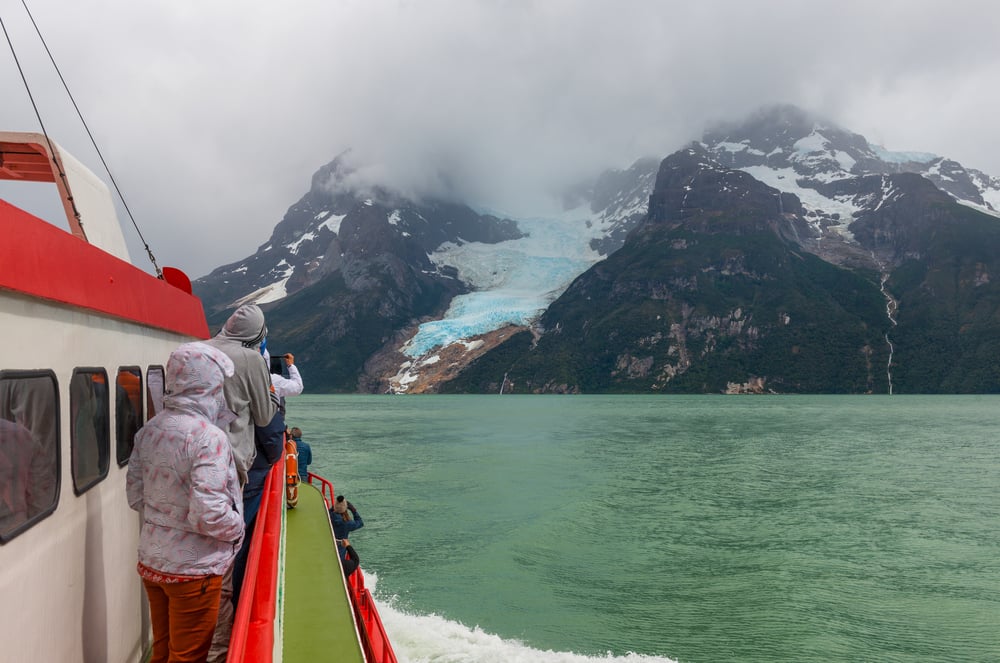
A Patagonia to Antarctica cruise can bring mountain hikes, glaciers and penguin colonies into one trip, but the name can describe very different holidays. Some packages combine several nights exploring Patagonia with an Antarctic expedition. Others include little more than an overnight stay in the departure city.
Start with the journey south: do you want to sail across the Drake Passage, fly over it, or combine the two? Then build your Patagonia stay around that choice. This guide focuses on Antarctic Peninsula voyages from southern South America, with practical advice on timing, ships, packing and connections.
Choose Your Route to Antarctica First
Ushuaia, Argentina, is a common departure point for Antarctic expedition cruises. Ships sail through the Beagle Channel before crossing the Drake Passage towards the South Shetland Islands and Antarctic Peninsula. The crossing typically takes around two days each way, although conditions and the vessel affect the schedule.
A different option is a fly-cruise from Punta Arenas, Chile. A charter flight of approximately two hours reaches King George Island, where passengers transfer to an expedition ship. Flying can replace a sea crossing, but flights depend on suitable weather and may be delayed or cancelled.

| Route | What it involves | Main consideration |
|---|---|---|
| Sail both ways | Cross the Drake Passage to and from Antarctica, commonly from Ushuaia | More sea days, with the possibility of rough conditions on either crossing |
| Fly both ways | Fly between Punta Arenas and King George Island, joining the ship in Antarctica | Weather-dependent flights, charter baggage limits and contingency arrangements |
| Fly one way and sail the other | Combine an Antarctic charter flight with one Drake Passage crossing | The trip may start and finish in different cities, affecting your onward travel |
If you would like both parts arranged together, Quasar offers a Patagonia Antarctica cruise combining private exploration around Torres del Paine with an Antarctic fly-cruise from Punta Arenas. Compare the specific departure, land itinerary and inclusions before booking. A combined package may simplify the planning, but it is not automatically cheaper than arranging the components separately.
Whichever route you choose, count the days scheduled for exploring Antarctica, not just the headline trip length. Arrival nights, briefings, flights and sea crossings can all form part of the advertised itinerary.
When to Take a Patagonia to Antarctica Cruise
Most Antarctic Peninsula expedition visits take place between November and March, during the southern summer. Some longer voyages depart South America in October before reaching Antarctica in November. Your preferred wildlife encounters and the route matter more than finding one supposedly perfect week.
| Period | Seasonal highlights | What to keep in mind |
|---|---|---|
| November to early December | Snow-covered scenery and penguin courtship and nest-building | Sea ice can limit access to particular areas |
| December and January | Long daylight hours and opportunities to see hatching or young penguin chicks | Breeding dates vary by species and colony; compare availability early for fixed dates |
| February and March | Often rewarding whale watching and growing penguin chicks earlier in this period | Daylight decreases and snow retreats at many coastal sites |
These are broad seasonal patterns, not promises. Early-season travel is not a poor choice for wildlife: busy penguin colonies can be a highlight. No month guarantees calm seas, clear skies or a particular animal encounter.
Give Patagonia Its Own Time in the Itinerary
Patagonia is a large region spanning Argentina and Chile. Torres del Paine, El Chaltén and Ushuaia are not interchangeable bases, and moving between them can consume days you hoped to spend outdoors.
- Before an Ushuaia sailing, consider extra nights locally for Tierra del Fuego National Park and time around the town.
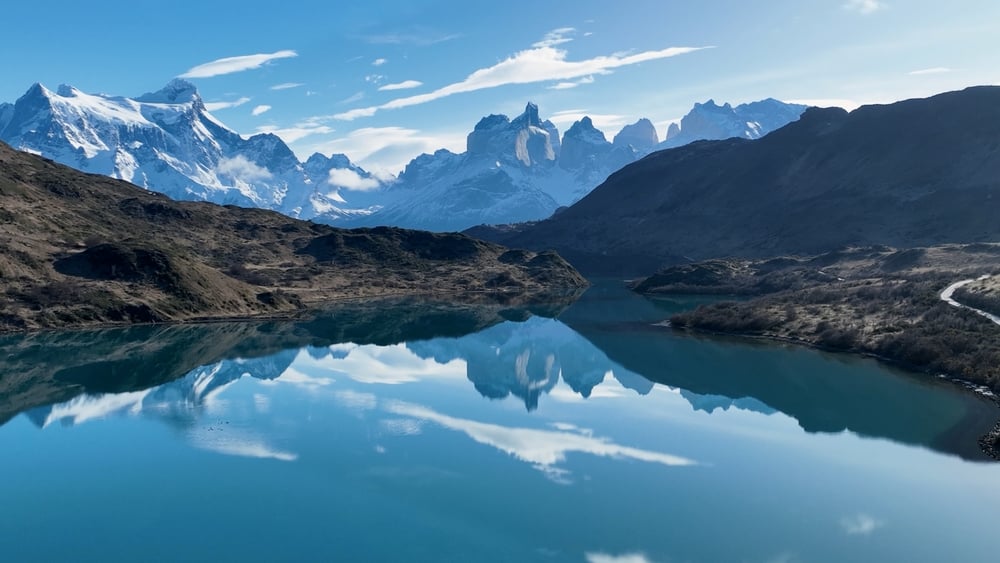
- For a Punta Arenas departure, a Torres del Paine stay can work as a separate land extension. Allow dedicated transfer time between the park and your expedition meeting point.
- If El Calafate or El Chaltén is a priority, plan the onward transport carefully. Neither is a quick sightseeing detour from Ushuaia.
Choose walks that match your fitness, the forecast and current trail conditions. A day hike can still involve steep ground, strong wind and a long return. Our guide to planning a trip itinerary can help you put travel days, outdoor days and a little breathing room on the same calendar.
Understand Ship Size and Landing Rules
Check whether the voyage includes shore landings before comparing cabin upgrades. Under the Antarctic visitor guidelines published by the International Association of Antarctica Tour Operators, vessels carrying more than 500 passengers must not make landings in Antarctica.
A maximum of 100 passengers from a vessel may be ashore at once, and some sites allow fewer. Ships carrying 201 to 500 passengers can still offer landings, subject to the applicable restrictions. Look at the passenger number for your departure, rather than relying only on the ship’s total berth capacity.
A smaller group can simplify landing rotations, but it does not guarantee longer visits. Weather, landing-site limits and the expedition plan still matter. Ask how shore groups and Zodiac excursions are organised, and whether optional activities require advance booking or extra payment.
Also discuss accessibility before paying a deposit. Boarding a small inflatable boat and stepping onto an uneven shoreline can be very different from walking down a cruise-terminal gangway. Research-station visits and particular landing sites should be treated as possibilities, not guaranteed stops.
Prepare for the Drake Passage
The Drake can be calm, rough or somewhere in between. Nicknames such as “Drake Lake” and “Drake Shake” describe the experience, but they are not forecasts. Choose your route on the assumption that uncomfortable conditions are possible.
If you are prone to motion sickness, ask a pharmacist or clinician about suitable prevention before departure, including timing and side effects. Do not assume the ship will supply your preferred medication. The CDC’s motion-sickness guidance notes that evidence for ginger is weak and inconsistent, while acupressure bands have not outperformed placebo in laboratory trials.
Even a fly-cruise involves time aboard a ship and small boats, so it does not eliminate seasickness risk. Follow crew instructions, use handrails and secure loose belongings before a rough crossing. Your camera should not get its own expedition across the cabin floor.
Pack for Hikes, Wet Landings and Life on Board
Start with the operator’s equipment list. Confirm whether waterproof landing boots and a parka are supplied, whether they are loaned or yours to keep, and what sizes are available. Charter-flight baggage limits may differ from your international airline’s allowance.
- Pack moisture-wicking base layers, insulating layers, waterproof outerwear and waterproof trousers.
- Bring warm socks, gloves, a hat, sunglasses and sunscreen.
- Use a dry bag or waterproof protection for cameras and phones during boat transfers.
- Include binoculars, suitable Patagonia walking footwear and comfortable shoes for inside the ship.
Our hiking gear packing list can help with the Patagonia portion. Keep essential medication, travel documents and a change of clothes accessible during flights; our guide to organising your carry-on covers that part of the packing.
Clean footwear, bags and outdoor clothing after your Patagonia walks, removing soil and seeds before boarding. Follow the expedition team’s cleaning procedures and wildlife instructions throughout the voyage. A favourite pair of hiking boots can travel with you; the mud should stay behind.
Check Connections, Insurance and the Full Cost
Leave a buffer around the expedition. Confirm the required arrival time for briefings and embarkation, then avoid connections that depend on everything running perfectly. For fly-cruises, read the written contingency plan: what happens if flights are delayed, how long the operator will wait and which costs remain yours?
Compare quotes with the same inclusions: flights, hotel nights, transfers, park entry, equipment, gratuities and optional excursions. Check cancellation terms and single-cabin supplements where relevant. A shorter trip is not necessarily a less expensive one.
Insurance should explicitly cover Antarctica, your planned activities and appropriate medical evacuation costs. Discuss relevant health conditions and the ship’s medical facilities before booking. The UK government’s Antarctic health advice explains why limited medical facilities and potentially slow evacuation need to be part of the decision.
Once those arrangements are settled, keep the sightseeing plan flexible. Wind, ice and wildlife-protection measures can change the day’s route. Give Patagonia enough time to feel like a destination in its own right, then let the expedition team work with the conditions in Antarctica.