
This guide gives clear, practical Douglas travel tips safety so first-time visitors can decide when to walk, when to catch a tram, what to watch for at the waterfront, how much cash to carry, and how to access help if needed. Expect concrete costs ranges, transport times, crowd advice, and realistic safety precautions aimed at budget travellers and solo explorers. For a deeper dive into what to expect financially, check out our Douglas travel budget guide.
Safety Reality Check for Douglas Visitors
Douglas is generally regarded as a low-crime, small-town destination, but that does not mean visitors should be casual about basic precautions. Expect the usual petty-theft risks in crowded areas and occasional nighttime anti-social incidents in entertainment districts.
Interpret local safety information this way: if official sources show no travel warnings, focus on personal safeguards, since most incidents affecting tourists are opportunistic rather than targeted. Keep an eye on weather notices for coastal paths and tram services during storms, because wet weather and strong winds affect both walking conditions and public transport reliability.
What most visitors worry about
Most concerns are about walking at night, tram platforms near the promenade, and getting help quickly if something goes wrong. For budget travellers, losing a phone or wallet is a bigger trip-ruiner than the rare aggressive incident, so prevention is practical. The good news: Douglas is not an expensive destination to visit, so your money goes further if you’re careful about where you spend it.
Getting Around: Trams, Buses, Walking, and Taxis
The Manx Electric Railway and Douglas bay tram services are not only tourist attractions, they are functional transport. Trams run along the promenade and towards nearby towns; expect short hop times and informal boarding at designated platforms. Buses cover the island interior and run from central Douglas.
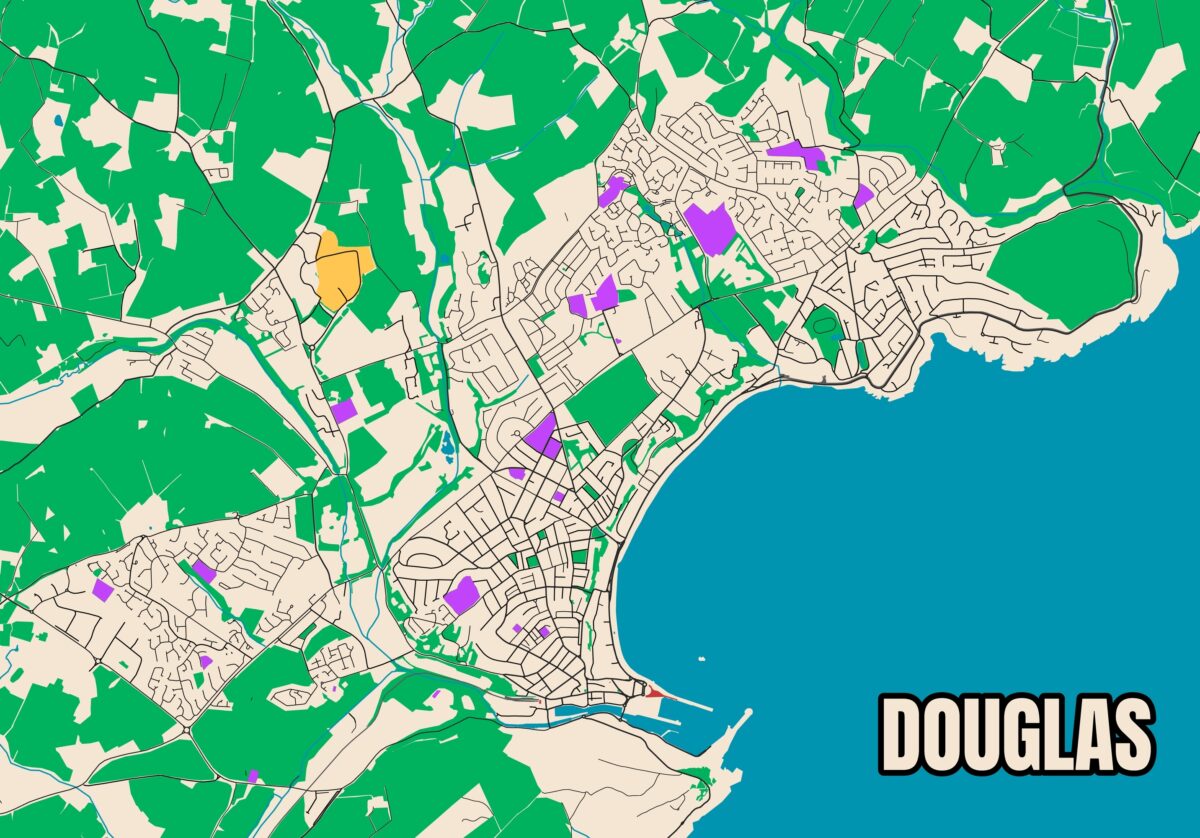
For short distances in town, walking is efficient: streets are compact and most attractions are within a 20 minute walk of the promenade. During busy summer days, allow extra time for pedestrian traffic on the seafront.
Taxis are available but can be pricier after late-night events; flagging one in the street is common, and there are local taxi apps and phone lines listed on official transport pages.
Practical tram and bus tips
Buy tickets at kiosks or directly from drivers where offered; keep small change handy. If you plan multiple journeys, look for day tickets or multi-ride options on the official transport website to save money and time. Pay attention to seasonal timetables, because frequency drops outside peak season. Budget travellers swear by day passes, which often pay for themselves after just two or three journeys.
When to walk instead of taking public transport
Choose walking when distances are under 30 minutes on foot, when the weather is fair, and when the path is along the promenade. Take a tram or bus if carrying heavy luggage, in persistent rain, or for early starts and late returns when pedestrian lighting is limited.
Common Safety Issues and How to Avoid Them
Pickpocketing risk rises in crowded ferry and rail platforms and on busy promenade days. Use a front-pocket phone or a slim money pouch under clothing to reduce risk. After dark, stick to well-lit sections of the promenade and main streets. Avoid poorly lit lanes and parks if alone.
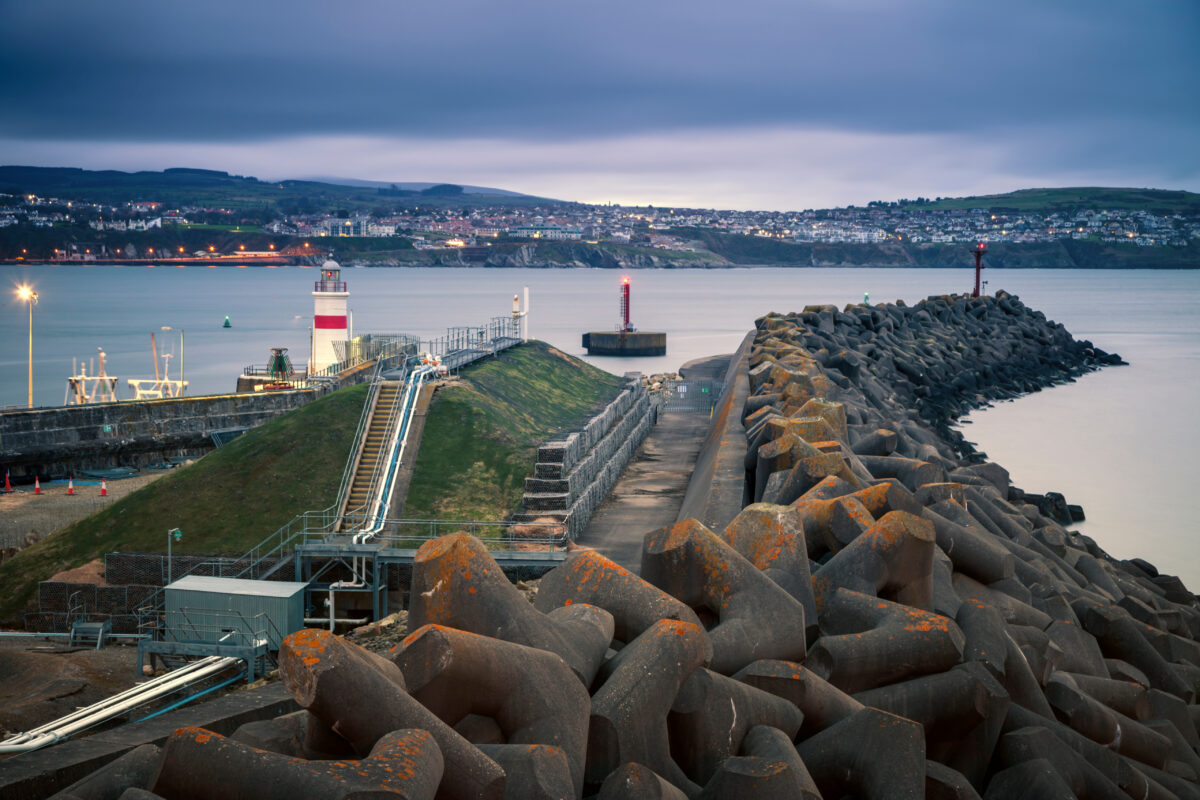
Coastal safety matters: tidal changes and slippery rocks can turn a short shore walk dangerous. Respect warning signs at the harbour and do not climb sea walls during high winds. If planning coastal walks outside the promenade, check local tide and weather information first.
Night-time safety
Stick to main streets and the main promenade; late-night buses and taxis are the reliable options to leave entertainment areas. Keep someone updated on plans if travelling solo; many low-cost accommodations will provide quick local advice on late-night transport. Honestly, most budget hostels and guesthouses have staff who know exactly where it’s safe to walk at any hour.
Money and valuables
Carry enough cash for small purchases but avoid displaying large sums. Use contactless payments where accepted to reduce handling cash. Store backups of important documents electronically and keep a copy of your passport separate from the original.
Local Customs, Practical Etiquette, and Useful Sources
Politeness and low-key behaviour are appreciated. Everyday etiquette: small talk at pubs is common but respect groups that seem private. Tipping in cafes and casual eateries is modest; rounding up or leaving around 5-10% is typical where service is not included.
For up-to-date notices about transport, health, or local events, consult official sources such as the Isle of Man Government site and the transport operator pages. These sites provide legitimate timetable, permit, and safety notices.
Where to check official information
Use the Isle of Man Government pages for public advisories, and the official island transport pages for tram and bus timetables. Local tourism or council pages list seasonal events that may affect crowds and transport.
Where to Stay and Comparing Neighbourhoods
Douglas has a compact centre with budget guesthouses, small B&Bs, and a few mid-range hotels near the promenade. Staying within a 10 to 20 minute walk of the seafront simplifies transport, reduces taxi needs, and keeps you close to main services.
Disclosure: This section may contain affiliate links. If you book through the map below, we may earn a commission at no extra cost to you.
[rtb_stay22_map city=”Douglas” region=”Douglas” country=”Isle of Man” venue=”Douglas” campaign=”twoscotsabroad_douglas_travel-tips-is-it-safe”]Neighbourhood trade-offs
Choose the promenade area for convenience and evening atmosphere, the town centre for budget options and supermarkets, and quieter streets a little inland for cheaper, calmer nights. Check recent guest reviews for noise and cleanliness before booking. Want local insight on where to stay? Locals advice for a better Douglas visit has solid recommendations from people who know the area inside out.
Budget and Typical Costs
Douglas can be managed on a modest budget if choices are deliberate. Expect basic meals at casual cafes to cost between 7 and 12 pounds, with pub meals often more budget-friendly than sit-down restaurants. Short tram or bus rides typically run 2 to 4 pounds individually; a day ticket may be the best value if using transport several times. Not gonna lie, a day pass will save you money fast if you’re hopping around the promenade and exploring inland areas.
Look for small grocery stores and market stalls to save on meals. Avoid pricey taxi trips by planning tram and bus journeys around event schedules. Budget accommodation ranges from around 40 to 70 pounds per night for basic rooms, with mid-range options around 80 to 120 pounds. The question “Is Douglas expensive?” pops up a lot, and honestly, it depends on your choices. Stick to self-catering or casual eateries and public transport, and you’ll spend far less than relying on restaurants and taxis.
Money-saving tips
Bring a refillable water bottle to avoid frequent shop purchases, use contactless where possible to reduce small-cash handling, and combine errands into one trip to save on fares. Pick up groceries at supermarkets instead of tourist-area cafes, book accommodation slightly inland instead of beachfront, and ask your guesthouse owner about free or low-cost local activities. Many budget visitors find that staying in quieter streets saves 15 to 25 pounds per night compared to promenade rates.
Emergency Contacts, Health, and Insurance Advice
Know how to get help: local emergency numbers and the nearest hospital should be listed before arrival. For non-emergency medical help, identify the local walk-in clinic or pharmacy that can advise on minor issues.
Travel insurance is strongly recommended, especially for medical evacuation or emergency repatriation coverage. Confirm that your policy covers activities you plan, such as coastal walking or cycling. How to stay protected when traveling abroad without overpaying breaks down affordable options that don’t skimp on cover.
How to access health services
If urgent, use the island emergency number; for minor illness, pharmacies and local GPs offer advice and appointments. Keep receipts and medical records for any treatment to support insurance claims.
Suggested Itineraries and Time-Saving Tips
A one-day schedule should prioritise the promenade, a short tram ride, and a compact town-centre loop; two days lets you add a longer coastal walk or a museum visit. To save time, book transport passes in the morning and check return tram departures if relying on scenic lines.
Allow extra time for ferry or seasonal transport delays, and schedule indoor options for rainy afternoons.
Sample 24-hour plan
Morning: promenade walk and short tram hop. Afternoon: town centre markets or museum. Evening: pub meal and a short, well-lit walk back to accommodation.
Practical Travel Tips
- Keep a small cross-body bag or money pouch under clothing to reduce pickpocket risk in crowds.
- Check tram and bus timetables the night before travel; services change seasonally.
- Avoid walking on exposed sea walls during high winds; check local weather alerts first.
- Carry a photocopy or digital image of passport and travel insurance policy separate from originals.
- Buy a day or multi-ride ticket if you plan three or more public transport trips in one day.
- Note the location of the nearest pharmacy and the main hospital on arrival.
- Use contactless payments to limit cash handling; carry small change for kiosks that may not accept cards.
- If arriving late, pre-book a taxi or confirm the last bus times to avoid waiting in quiet areas.
- Respect private property signs near coastal paths; many cliffs and foreshore areas are privately managed.
- Ask staff at your accommodation about local quiet hours and recommended walking routes after dark.
Frequently Asked Questions
Is Douglas safe to walk around at night?
Douglas is generally safe, but take normal precautions: stick to well-lit streets and the promenade, avoid poorly lit lanes, and use taxis for late returns from bars or events.
Do I need travel insurance for visiting Douglas?
Yes, travel insurance is recommended to cover medical care,
