
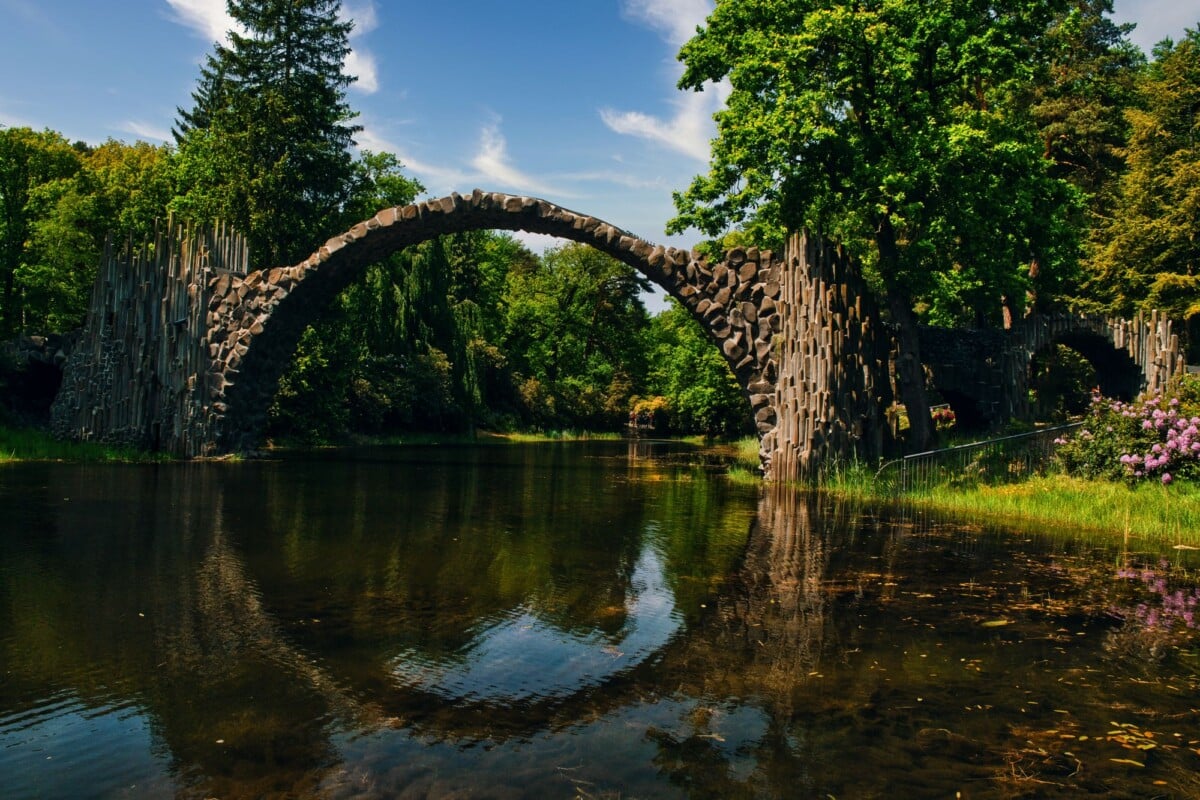
A Rakotzbrücke Bridge day trip is easiest by car, with a short walk through the Azalea and Rhododendron Park Kromlau to reach the bridge. Allow one to two hours for the park, or most of a day if you add Bad Muskau and the UNESCO-listed Muskauer Park.
Rakotzbrücke is near Gablenz in eastern Saxony, close to the Polish border and well placed for a stop between Dresden, Berlin, Wrocław and the Lusatian Lake District. Build the visit into your wider route using this trip-planning guide and free itinerary spreadsheet, as the bridge alone is a short visit rather than a full-day attraction.
What To Know Before Visiting Rakotzbrücke
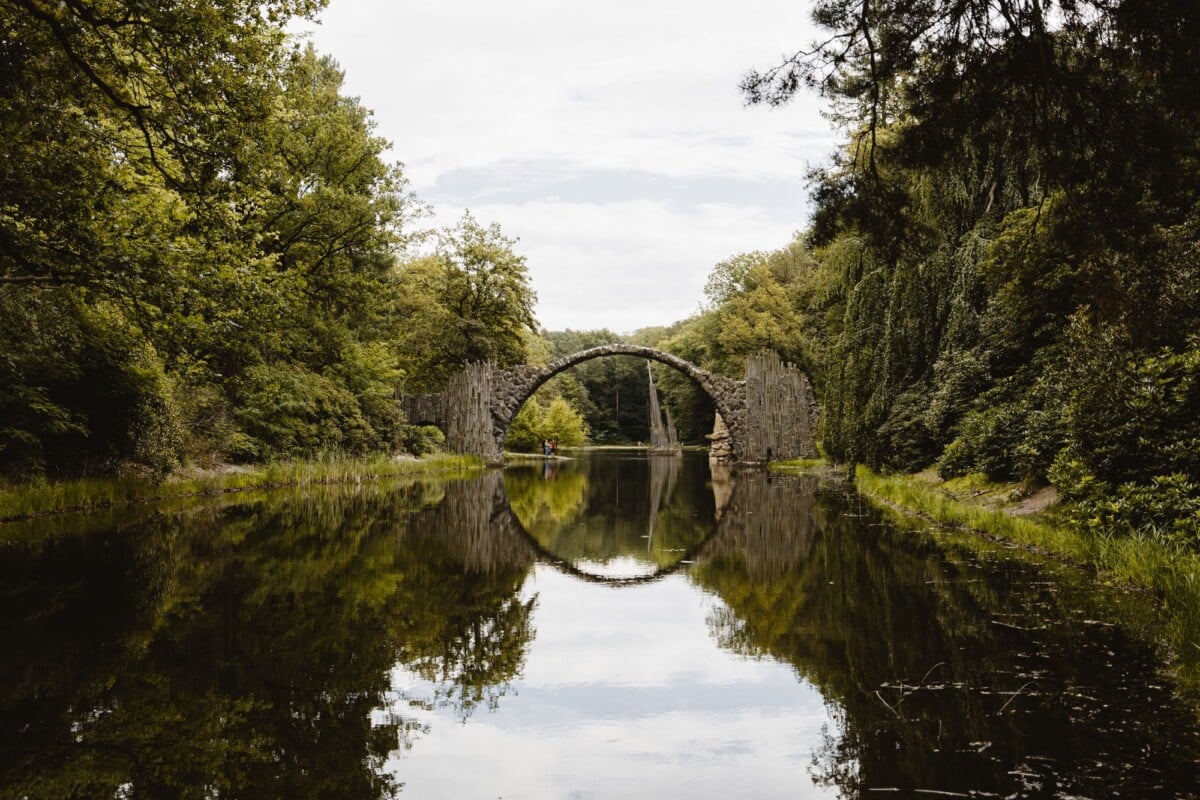
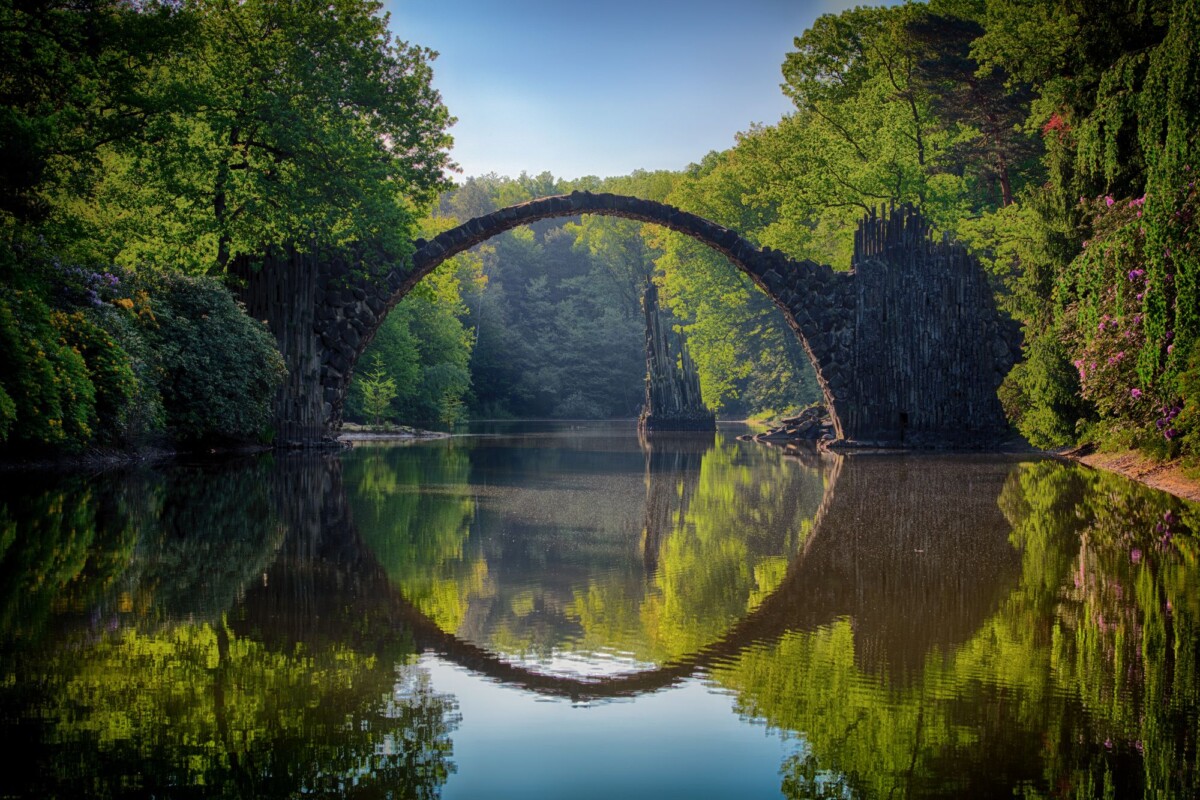
Rakotzbrücke, often called the Devil’s Bridge, is a 19th-century stone bridge in Kromlau’s landscaped park. Its sharply curved arch and reflection in Rakotzsee can form a complete circle in still water, which explains the crowds of cameras when conditions cooperate.
Do not plan to walk across the bridge. Access restrictions have applied because of the bridge’s condition and conservation work, and visitors should stay on marked paths and obey all barriers and signs on arrival. The Municipality of Gablenz publishes visitor information and is the right place to check for current access arrangements before setting out.
The famous circular reflection is never guaranteed. Wind, rain, low water, leaves and other visitors can all change the view. A grey morning can still make for atmospheric photographs, though it is less forgiving if the only plan was a perfectly mirrored shot for social media.
Where Is Rakotzbrücke?
Rakotzbrücke stands in the Azalea and Rhododendron Park Kromlau, in the village of Kromlau within the municipality of Gablenz, Saxony. It is in Germany’s far east, around a short drive north-west of Bad Muskau and its border crossing with Poland.
For navigation, search for “Azaleen- und Rhododendronpark Kromlau” or “Rakotzbrücke, Gablenz” rather than using a vague search for Devil’s Bridge. Several European bridges share that nickname, which is not ideal when you are already halfway down a rural road.
How To Get to Rakotzbrücke
Driving and Parking
Driving is the most practical option, particularly if Rakotzbrücke is one stop on a Saxony, southern Poland or eastern Germany road trip. Follow local signs for the Kromlau park and use designated visitor parking rather than stopping on park approaches or verges.
Parking arrangements, availability and charges can change with events, maintenance and seasonal demand. Check the Municipality of Gablenz website before travel, and arrive earlier in the day during weekends, school holidays and the rhododendron flowering period.
If this stop is part of a longer self-drive holiday, this list of road trip essentials to pack is useful for the unglamorous but helpful items: water, layers, a power bank and footwear that can cope with damp paths.
By Train and Bus
Public transport takes more planning but can work if you are staying in the region. Weißwasser/Oberlausitz is the most useful rail hub, with regional rail connections, and local buses serve the Kromlau area on selected services.
Check the journey close to departure using the Deutsche Bahn journey planner and the regional transport operator’s timetable, because bus frequencies are limited and can vary by day. A missed rural bus can turn a tidy day trip into a long wait with very little nearby to do.
A taxi from Weißwasser may be a more workable choice for travellers without a car, especially for a group. Arrange the return journey in advance, as there is no reason to assume a taxi will be waiting by the park entrance.
By Bike
Cycling can suit travellers already exploring the Lusatian region, but treat Rakotzbrücke as a park stop rather than a destination with full touring facilities. Lock bicycles only where permitted, keep them off pedestrian paths and allow extra time for the final walk through the grounds.
How Long Does a Rakotzbrücke Visit Take?
A focused visit usually takes 60 to 90 minutes: time to park, walk to the bridge, see it from several angles and return without rushing. Allow up to two hours if you want to explore more of Kromlau Park, wait for calmer water or visit during a busy period.
| Available Time | Realistic Plan |
|---|---|
| 1 hour | Walk from the car park, see Rakotzbrücke, take photographs and return. |
| 2 hours | Visit the bridge and take a slower loop through the park’s paths and landscaped features. |
| Half day | Combine Kromlau with a meal or a short visit in Bad Muskau. |
| Full day | Visit Kromlau in the morning, then explore Bad Muskau and Muskauer Park. |
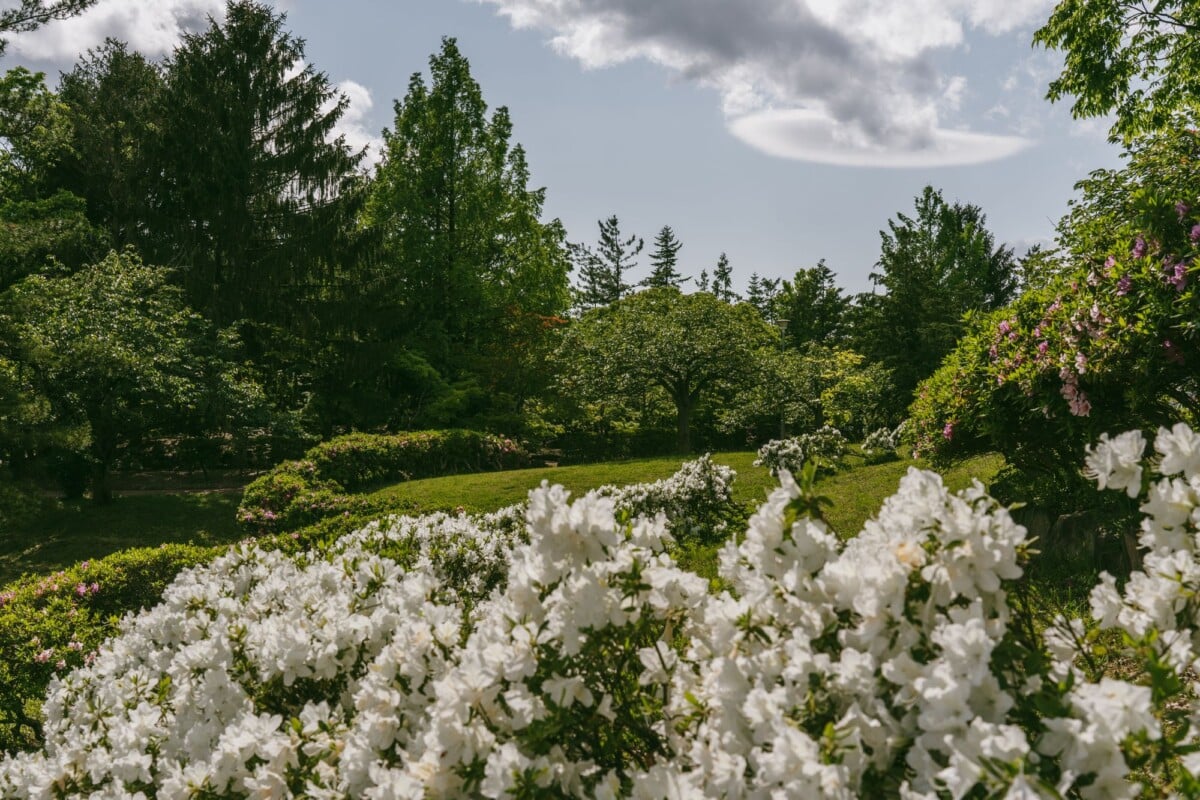
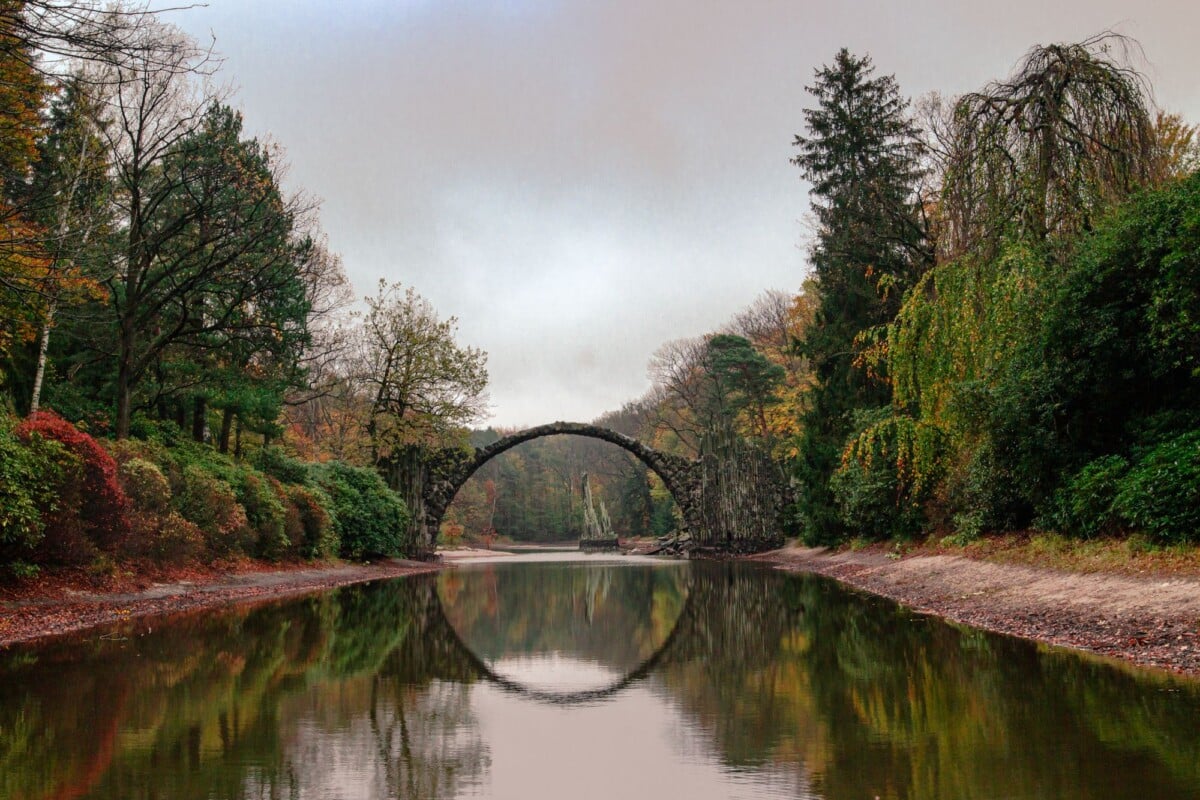
Give yourself more time in spring, when the park’s azaleas and rhododendrons are a major draw, and in autumn, when coloured leaves can make the paths slower and more photogenic. Winter visits can be quiet but bring shorter daylight hours, mud, ice and a greater chance that paths are unpleasant underfoot.
Walking Access and What the Paths Are Like
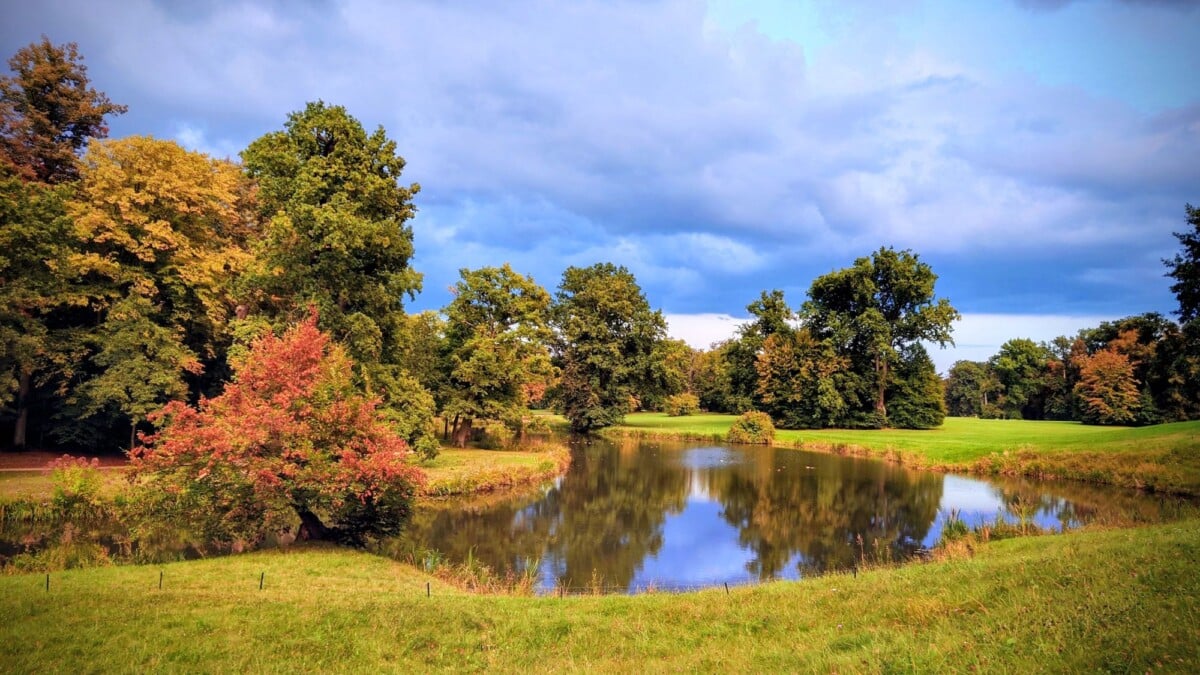
The bridge is reached on foot through a public landscaped park. The walk is manageable for most visitors, but it is not an urban pavement: expect compacted earth, gravel, roots, slopes and puddles after rain. Wear shoes with grip and keep a close eye on young children near water and uneven ground.
Stay on signed paths around Rakotzsee. The bridge, water’s edge and planted areas are part of a protected historic landscape, and climbing barriers for a different photo angle risks damage as well as a very ordinary holiday injury.
Mobility access may be limited by the surface and changing seasonal conditions. Travellers using wheelchairs, buggies or mobility aids should contact Gablenz directly before travel for the most current information on accessible routes, parking and toilets.

We earn a commission if you buy through this link, at no extra cost to you.
When Is the Best Time To Visit Rakotzbrücke?
Early morning is usually the best time for a quieter walk and a better chance of still water. Late afternoon can also be pleasant, but tree cover and the season affect how much light reaches the bridge and lake.
- Spring: Best for flowering azaleas and rhododendrons, though weekends can be busy and paths may be wet.
- Summer: Long daylight hours and fuller greenery, with the highest chance of crowding around the bridge.
- Autumn: Good for foliage and a quieter atmosphere outside school holidays; bring waterproof layers.
- Winter: Least busy, but daylight is brief and icy or muddy conditions are possible.
For photographs, calm weather is more useful than bright sunshine. Check the forecast for wind as well as rain, then arrive with enough time to wait a few minutes for the lake surface to settle.
A Realistic Rakotzbrücke Day Trip Itinerary
- Arrive in Kromlau in the morning. Park in an official visitor area and check any notices at the entrance.
- Walk to Rakotzbrücke first. The bridge is the main reason most visitors come, and doing it early gives you more flexibility if the paths become busier.
- Explore the surrounding park. Take a relaxed loop through the grounds, keeping to marked routes and allowing for uneven surfaces.
- Stop for lunch in Bad Muskau or Weißwasser. Do not rely on finding a full choice of food beside the bridge.
- Visit Muskauer Park in the afternoon. The park extends across Germany and Poland and is listed by UNESCO as the Muskauer Park / Park Mużakowski cultural landscape.
- Leave before dark. The park is much less straightforward once paths are poorly lit, especially after rain.
Nearby Sights Worth Adding to the Day
Muskauer Park and Bad Muskau
Muskauer Park is the strongest addition to a Rakotzbrücke visit. This vast 19th-century landscape park crosses the German-Polish border and offers a very different scale of walking, open views and formal parkland. It is a sensible choice if you have a car and want the day to feel more substantial.
Bad Muskau also gives you more options for food, supplies and accommodation than Kromlau itself. Check opening times separately for any palace or museum visit, as seasonal hours can change.
Łęknica, Poland
Łęknica sits on the Polish side of Muskauer Park. EU and Schengen travel rules make cross-border movement straightforward for many visitors, but carry the travel documents required for your nationality and check current border guidance before the trip.
Weißwasser/Oberlausitz
Weißwasser is useful for rail connections, supermarkets and practical services. It makes a sensible overnight base for travellers arriving by public transport, though a car still gives far more freedom for combining Kromlau with other regional sights.
What To Pack for a Visit
- Waterproof outer layer: rain can arrive quickly and the tree cover means paths dry slowly.
- Walking shoes with grip: especially useful after rain or during autumn and winter.
- Water and a snack: bring supplies if you are arriving by bus or planning a longer park walk.
- Charged phone and offline map: rural signal and battery life are poor things to leave to chance.
- Camera cloth: a small dry cloth is useful for rain spots and condensation on a phone or lens.
A small daypack is enough for most visits. Keep belongings compact, as narrow paths and viewing spots are easier to navigate without a large bag knocking into fellow visitors and low branches.
Common Mistakes To Avoid

- Assuming you can cross Rakotzbrücke. Check current restrictions, then follow the signs on site.
- Planning only 15 minutes. Parking and the park walk take time, even before photographs enter the equation.
- Using public transport without checking the return. Rural bus schedules are not built around a spontaneous change of plan.
- Arriving in sandals after rain. The park is prettier when you are not trying to avoid every muddy patch.
- Ignoring the rest of the area. Pairing Kromlau with Muskauer Park turns a quick photo stop into a satisfying day out.
Frequently Asked Questions
Can You Walk Across Rakotzbrücke?
Do not assume that crossing Rakotzbrücke is allowed. The bridge has had access restrictions because of its condition and conservation needs, so follow current on-site signs and check Gablenz visitor information before travelling.
Is Rakotzbrücke Free To Visit?
Access to the Kromlau park grounds is generally treated as a public park visit, but parking, special events and practical arrangements can change. Check the Municipality of Gablenz’s current visitor information for any charges or restrictions before departure.
How Far Is Rakotzbrücke From Berlin?
Rakotzbrücke is a long day trip from Berlin by public transport and more manageable by car, but it is better suited to an overnight stay or a wider eastern Germany road trip. Travel times depend heavily on the route, traffic and limited local bus connections.
Is Rakotzbrücke Worth Visiting in Winter?
Rakotzbrücke can be worth visiting in winter for a quieter walk and moody photographs, provided conditions are safe. Expect short days, possible ice or mud and less reliable reflections on the lake.
What Is the Nearest Town to Rakotzbrücke?
Rakotzbrücke is in Kromlau, within the municipality of Gablenz. Bad Muskau and Weißwasser/Oberlausitz are the most useful nearby towns for meals, services, transport connections and accommodation.