
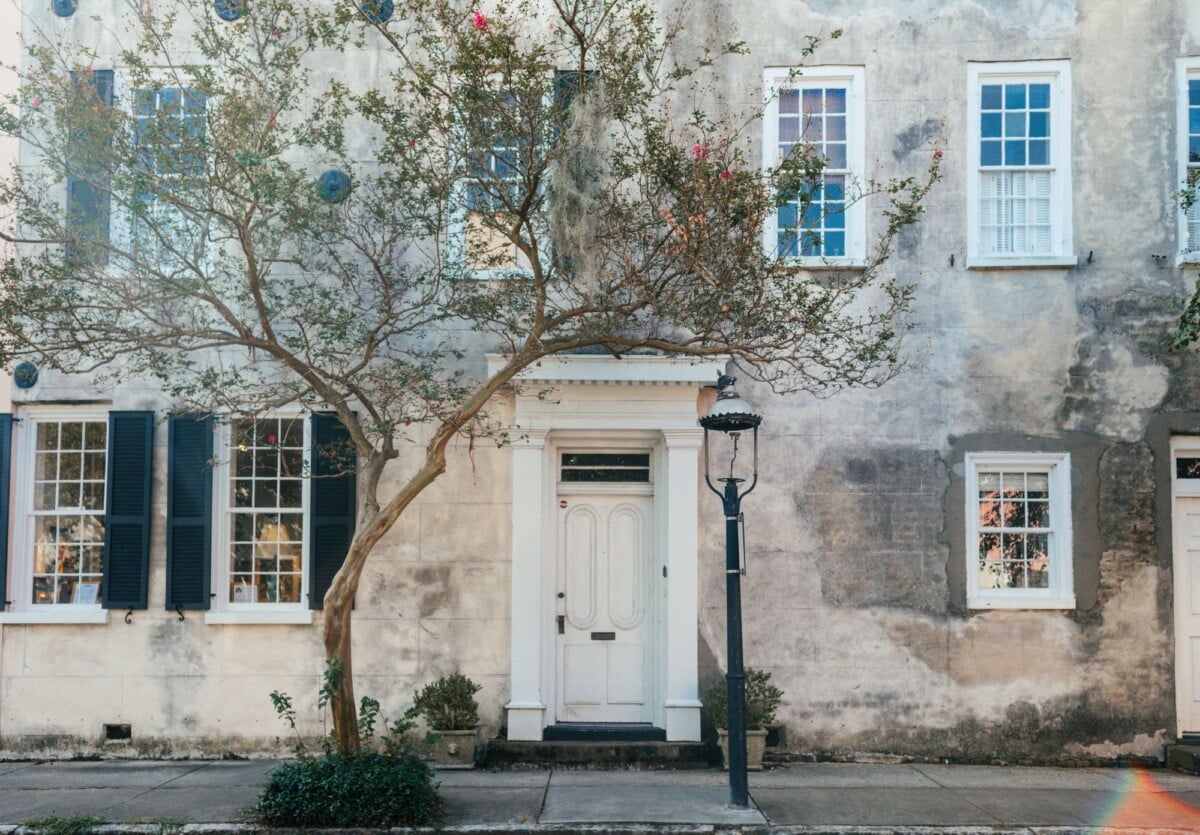
Charleston’s Historic District is the easiest area for a first dinner, Upper King suits lively nights out, and Cannonborough-Elliotborough is usually the better pick for casual, food-led meals. Your choice will also shape the bill, how far you walk after sightseeing and how early you need to book, especially on Friday and Saturday nights.
Charleston has serious range for a compact city: Lowcountry cooking, oysters and seafood, barbecue, Italian, French-influenced dining, bakeries and small neighbourhood restaurants all sit within a short taxi ride. The awkward part is that a restaurant can look close on a map but feel much less convenient after a full day around the waterfront in humid weather. Plan dining around the part of town where you will already be spending the evening.
For a wider trip budget that includes meals, transport and accommodation, use our guide on how to calculate the real cost of a trip before reserving several high-end dinners.
Charleston Dining Areas at a Glance
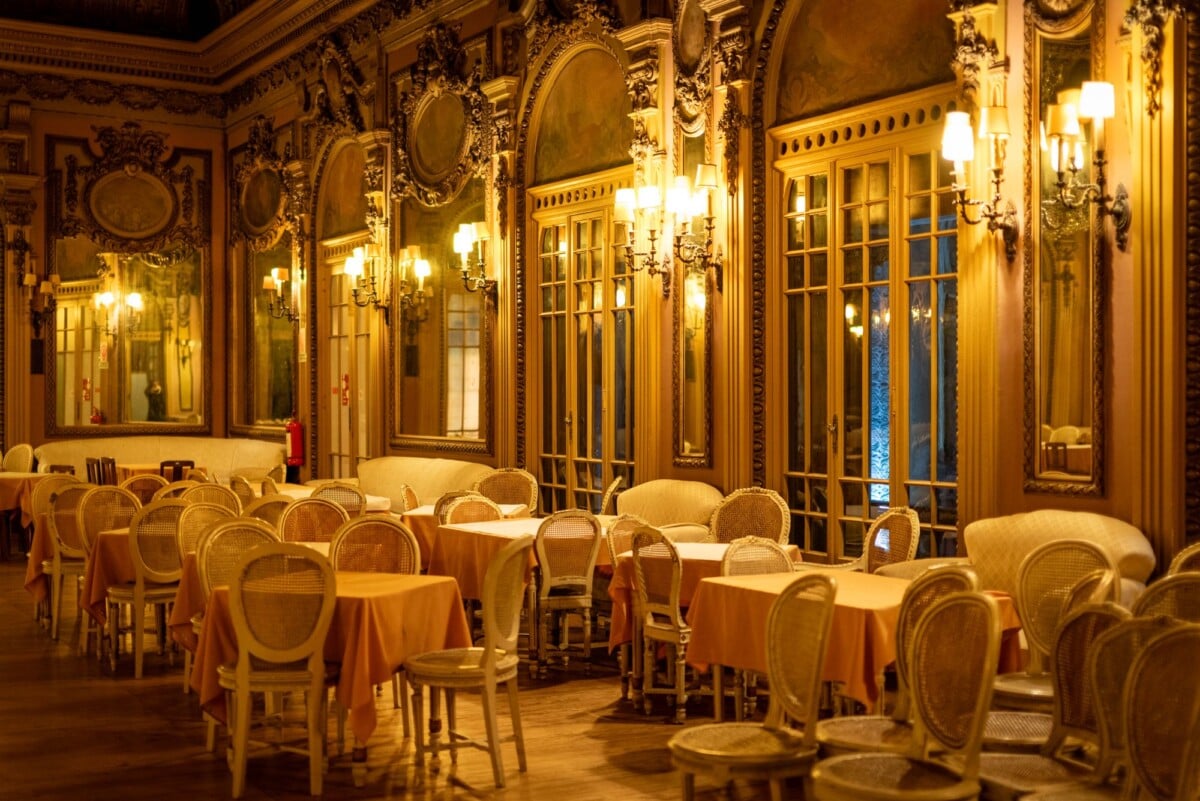
| Area | Best For | Typical Food Style | Cost Level | Location for Visitors |
|---|---|---|---|---|
| Historic District and French Quarter | First-time visitors and special dinners | Lowcountry, Southern, seafood, French and Italian | Moderate to high | Walkable from the Market, Waterfront Park and major hotels |
| Upper King Street | Groups, cocktails and late plans | Seafood, steakhouses, Italian, bars and modern American menus | Moderate to high | North of the main historic sights; easy taxi or longer walk |
| Cannonborough-Elliotborough | Relaxed lunches and casual dinners | Seafood, Asian-inspired plates, cafés and bakeries | Low to moderate | About 15 to 25 minutes on foot from the City Market area |
| East Bay and South of Broad | Waterfront walks and formal meals | Seafood, Southern cooking and classic dining rooms | High | Close to Waterfront Park, Rainbow Row and The Battery |
| Mount Pleasant and Shem Creek | Water views and seafood-focused meals | Seafood, fish, casual waterfront restaurants | Moderate to high | Across the Ravenel Bridge; taxi or car needed |
Cost levels are relative to Charleston dining, before tax, tip and drinks. Charleston County’s restaurant tax and customary gratuities can make the final total noticeably higher than the menu subtotal, so treat a listed entree price as the starting point, not the complete cost of the meal.
Historic District and French Quarter: Best for a First Charleston Dinner
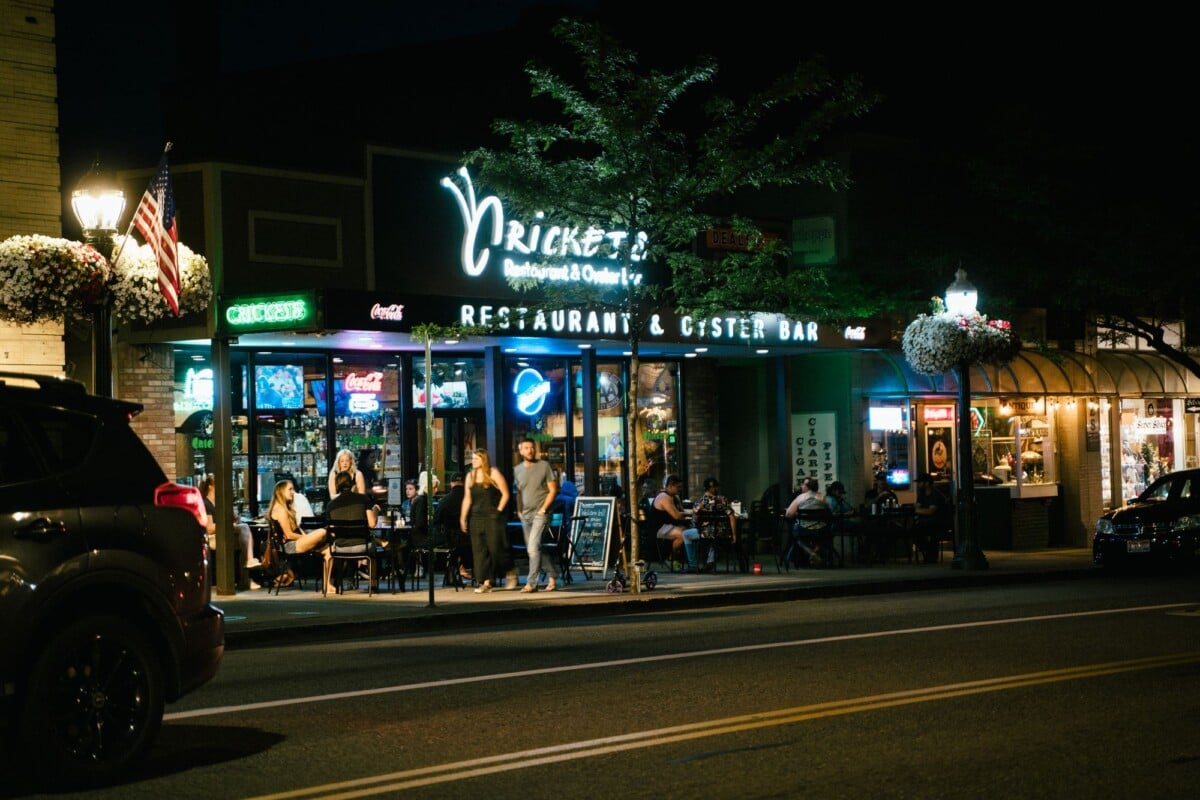
The Historic District is the most convenient dining base for short stays. It covers the streets around King Street, Meeting Street, Broad Street, the French Quarter and the City Market, putting you close to the city’s central visitor sights and a broad selection of polished restaurants.
Choose this area if you want classic Charleston dishes on the same evening as a walk through the French Quarter or along the harbour. Shrimp and grits, she-crab soup, local fish, oysters and seasonal Southern cooking are easy to find here, alongside Italian and French-influenced menus.
Fine-dining reservations are concentrated here. FIG’s published menus, for example, show a seasonal, ingredient-led approach, while Husk Charleston focuses its menu on Southern ingredients. Both illustrate the sort of meal that works well when dinner itself is a main event.
- Best for: couples, first visits, anniversary meals and one planned splurge.
- Food to seek out: refined Lowcountry cooking, oyster service, seasonal seafood and formal Southern dining.
- Budget: expect the highest average spend where you add starters, wine or cocktails.
- Booking: reserve well ahead for recognised restaurants, particularly at weekends and during popular holiday periods.
The trade-off is price and planning. You can certainly eat casually in this part of town, but prime-table restaurants and hotel bars make it easy for a relaxed evening to become an expensive one. A lighter lunch and one well-chosen dinner is often a more realistic balance for a city break.
Upper King Street: Best for Groups, Drinks and a Livelier Evening
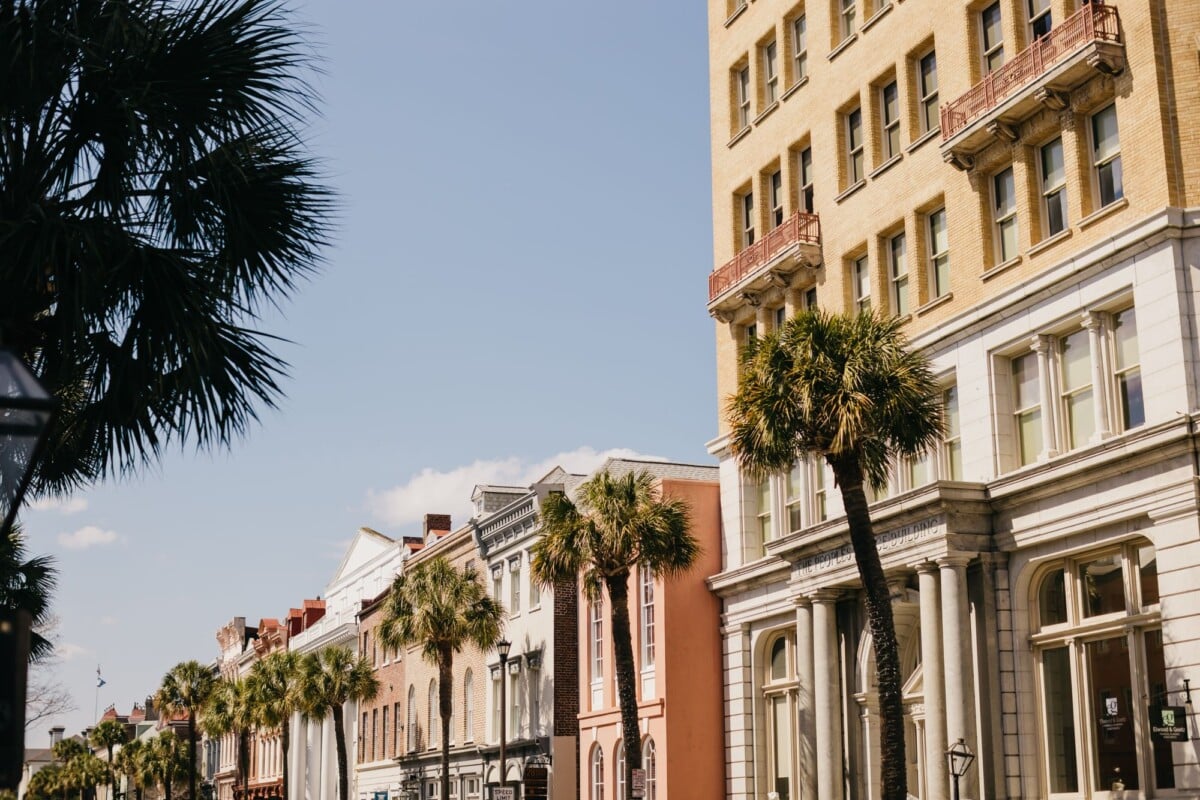
Upper King Street generally means the stretch north of the historic shopping core, around King Street and its side streets. It has a denser mix of restaurants, rooftop venues, cocktail bars and nightlife than the quieter streets south of Broad.
This is a useful choice when your group has mixed priorities. One person can order oysters, another can go for pasta or steak, and the evening can continue after dinner without arranging another ride. The area has more energy after dark, along with more street noise and busier pavements.
Seafood is still a strong choice. The Ordinary publishes its food and drink offerings online and is a useful reference point for the area’s more polished seafood dining. Check the restaurant’s current hours and reservation policy before making plans, as service days and menus can change seasonally.
- Best for: friends travelling together, birthday dinners and visitors who want cocktails after eating.
- Food to seek out: raw bars, contemporary American cooking, Italian, steak and shareable plates.
- Budget: a flexible range, though drinks and late-night ordering can push the spend upward quickly.
- Getting there: walkable from many central hotels, though the walk can feel long after an afternoon at The Battery or Waterfront Park.
Upper King works best when you book dinner for an early or sensible time and leave room for the evening to develop. Charleston’s summer heat can make a long walk back to a hotel feel far less charming than it looked on a map.
Cannonborough-Elliotborough: Best for Casual Food and Lower-Cost Meals
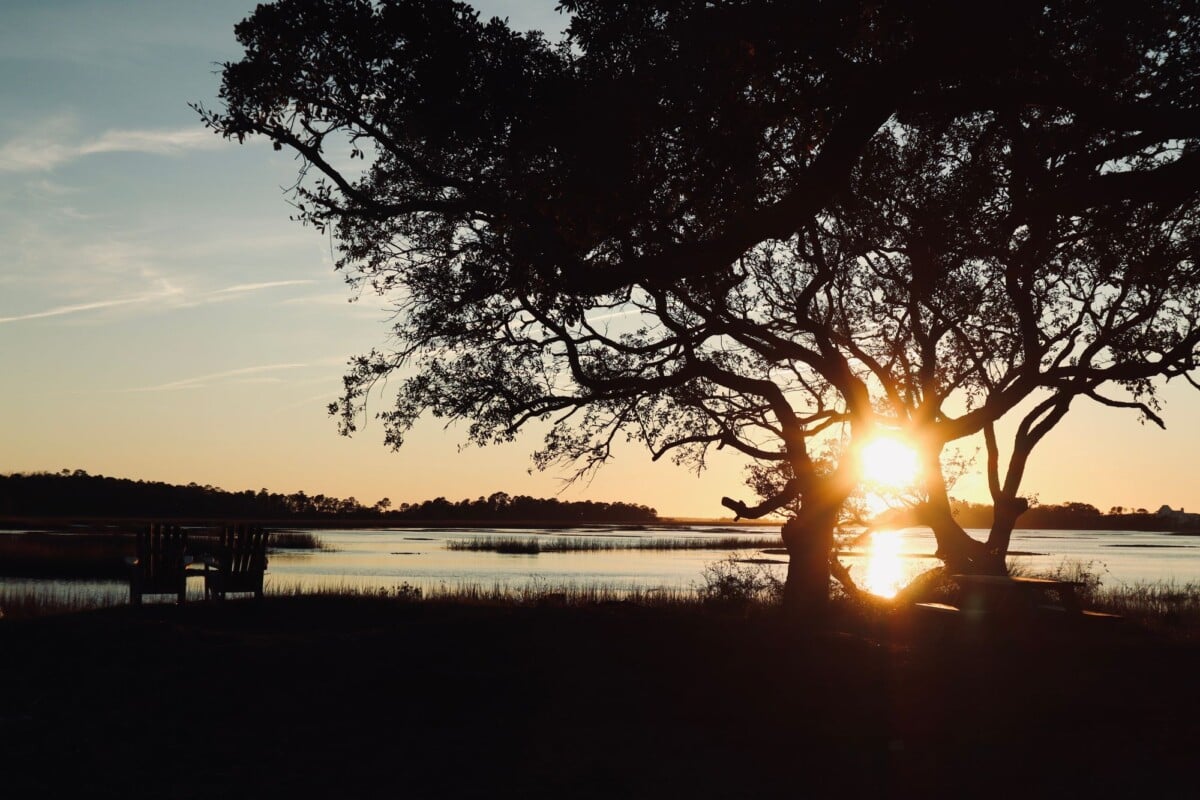
Cannonborough-Elliotborough sits just west of King Street and north-west of the Historic District. It is one of the better areas for travellers who want food with personality but do not need white tablecloths, a formal reservation or a three-hour dinner.
The restaurant mix includes small seafood spots, bakeries, coffee shops, casual restaurants and globally influenced cooking. It is particularly useful for breakfast, lunch or an unplanned evening when the best-known downtown tables have already been booked.
For a sense of the neighbourhood’s informal seafood style, 167 Raw’s Charleston menu shows dishes built around oysters, lobster rolls and seafood plates. It is a popular stop, so casual does not always mean immediate availability. Arrive early or confirm the restaurant’s current waitlist approach.
- Best for: food-focused travellers, solo diners, lunch plans and lower-key dates.
- Food to seek out: oysters, sandwiches, baked goods, rice dishes, noodles and small plates.
- Budget: usually easier to control than a downtown tasting-menu meal, especially at lunch.
- Getting there: manageable on foot from Upper King; use a rideshare after dark if you do not fancy the walk.
Do not treat this as a cheap-eats district in the old-fashioned sense. Charleston has become an expensive city to visit, and popular independent restaurants can still command premium prices. The advantage is more choice at a casual level and less pressure to build the whole night around one reservation.
East Bay and South of Broad: Best for Waterfront Sightseeing and Formal Dining
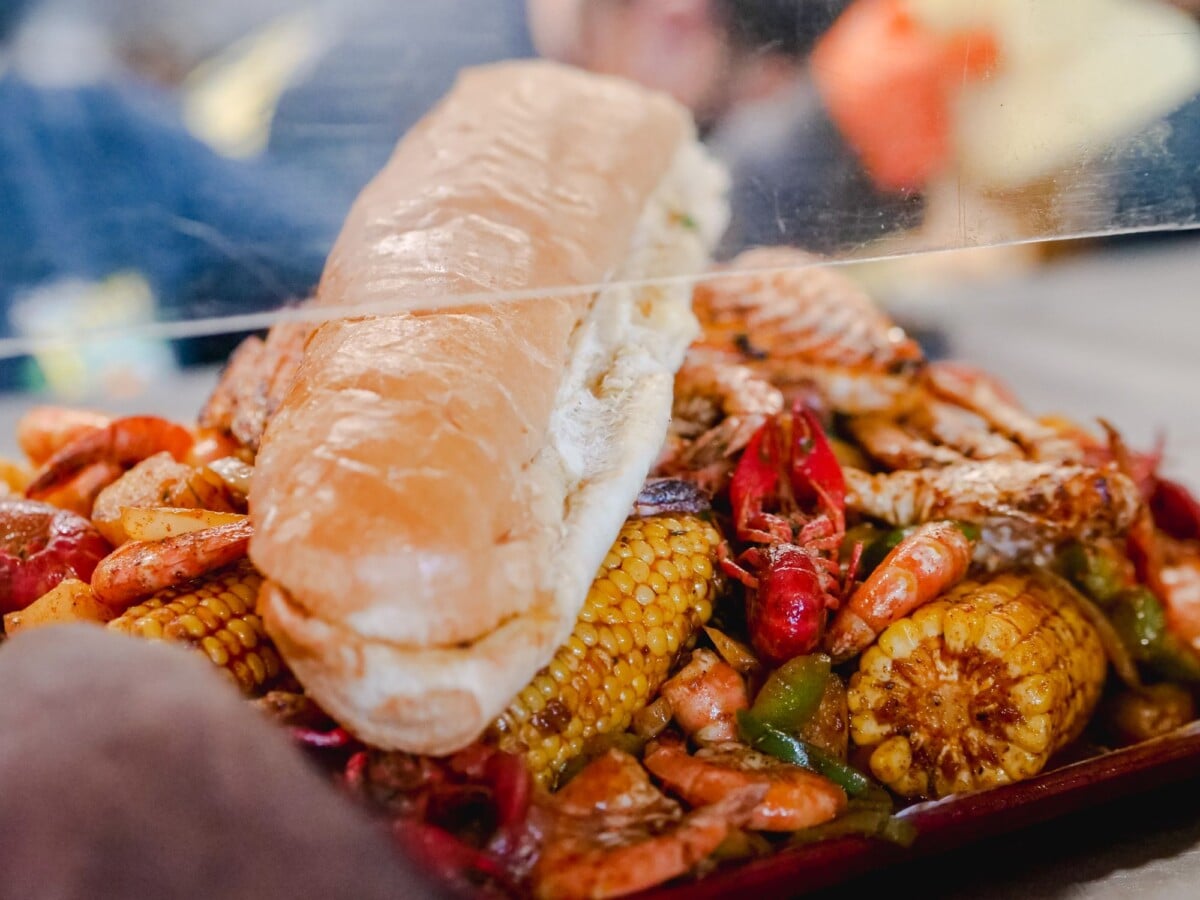
East Bay Street, South of Broad and the streets leading to The Battery suit a slower evening around Charleston’s most recognisable historic sights. This is where a dinner reservation combines easily with Waterfront Park, Rainbow Row and a pre-dinner stroll near the harbour.
Dining here tends toward traditional service, established dining rooms, seafood and Southern menus. It makes sense for a special-occasion meal, particularly if you are staying near the Market or in one of the central historic hotels.
Book this area for atmosphere and location, then check the menu closely before confirming. Some restaurants offer a la carte dining while others centre the experience on multi-course menus, tasting options or higher-priced seafood. The difference matters if your Charleston budget also needs to cover tours, museum entries and transport.
The main limitation is variety at lower price points. You will find cafés and casual choices nearby, but visitors hoping for quick, inexpensive dinner options often have an easier time around Upper King or Cannonborough-Elliotborough.
Mount Pleasant and Shem Creek: Best for Waterfront Seafood
Mount Pleasant sits across the Arthur Ravenel Jr. Bridge from downtown Charleston. Shem Creek is its best-known dining area, with restaurants facing the water and a strong emphasis on seafood, outdoor seating and sunset timing.
This area is a good fit if the waterfront setting is a major part of the plan or if you have a rental car. It is less convenient for a short city break based in the Historic District because walking across the bridge is not a practical dinner plan for most visitors, particularly after dark or in hot weather.
- Best for: seafood dinners, families, sunset drinks and visitors staying in Mount Pleasant.
- Food to seek out: fish, shrimp, crab, oysters and casual coastal cooking.
- Budget: moderate to high, with waterfront seating and drinks affecting the total.
- Transport: arrange a car, taxi or rideshare both ways before settling in for the evening.
Shem Creek can be a sensible alternative on a longer Charleston trip, but it should not displace downtown dining on a first one- or two-night stay. The journey eats into time that could be spent exploring central Charleston.
How to Choose the Right Charleston Dining Area

Pick the dining area that fits the shape of your day, not simply the restaurant with the most impressive online photos. Charleston’s central core is walkable, but the accumulated distance between sights, hotel and dinner soon adds up.
- Match dinner to your base. Stay near the Historic District and choose central Charleston for your first evening. A short walk home is valuable after a large dinner and a couple of drinks.
- Decide where the food fits in the budget. A tasting menu or polished seafood dinner can be the main spend of the day. Balance it with bakery breakfasts, counter-service lunches or a simpler second dinner.
- Reserve one priority restaurant. Keep the rest of the trip loose enough to take advantage of a good bar menu, lunch special or cancellation.
- Check current opening hours on the restaurant’s own site. Many independent restaurants close one or two days weekly, and Sunday or late-night service can differ from the rest of the week.
- Allow for weather. Summer humidity and sudden rain make outdoor seating less predictable. Ask about covered seating if it is important to your plan.
If a high-end meal is the main reason for visiting, compare the bill with the wider context in our guide to the most expensive restaurants in the U.S.. Charleston has premium dining, though you do not need to spend at that level to eat well in the city.
What to Pack for Charleston Restaurant Plans
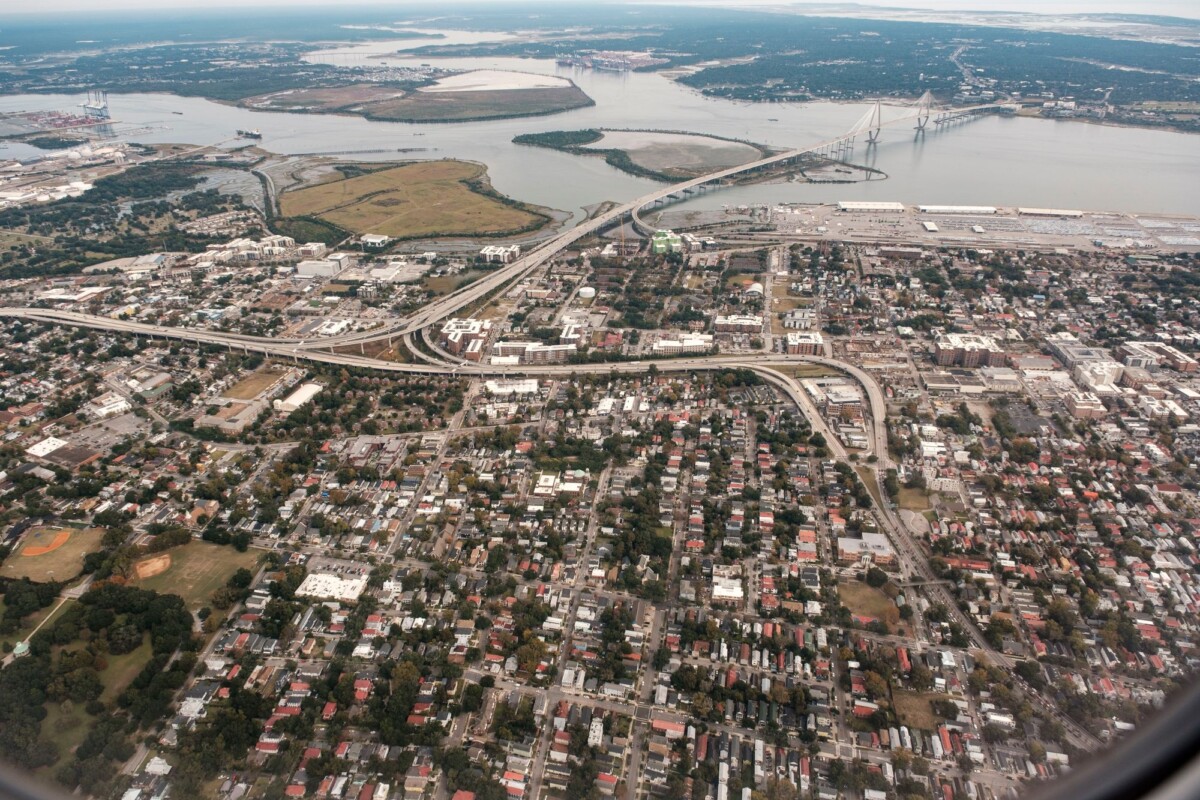
Charleston restaurants do not generally require formal clothing, but smart casual is a safe choice for dinner in the Historic District, East Bay or an upscale Upper King venue. Comfortable shoes remain useful because cobbles, uneven pavements and several blocks between drinks and dinner are common.
- A lightweight layer for heavily air-conditioned dining rooms.
- Comfortable shoes that still work for a smarter dinner.
- A compact umbrella or light rain jacket for humid-weather showers.
- A small cross-body bag or pocket that keeps your phone and reservation details handy.

We earn a commission if you buy through this link, at no extra cost to you.
Frequently Asked Questions
What Is the Best Area for Restaurants in Charleston?
The Historic District is the best all-round area for a first Charleston visit because it combines major sights, central hotels and a broad choice of Southern, seafood and special-occasion restaurants. Upper King is better for a livelier evening, while Cannonborough-Elliotborough is stronger for casual, food-led meals.
Where Should I Eat in Charleston on a Budget?
Cannonborough-Elliotborough and parts of Upper King offer more casual menus, bakeries and lunch-friendly options than East Bay or South of Broad. Keep costs down by making lunch your bigger meal, ordering tap water and checking menu prices before booking.
Do Charleston Restaurants Need Reservations?
Charleston’s most sought-after restaurants often need reservations, especially for Friday and Saturday dinner. Reserve a priority meal in advance, then keep at least one evening open for a casual restaurant, bar food or a last-minute table.
Is Shem Creek Close to Downtown Charleston?
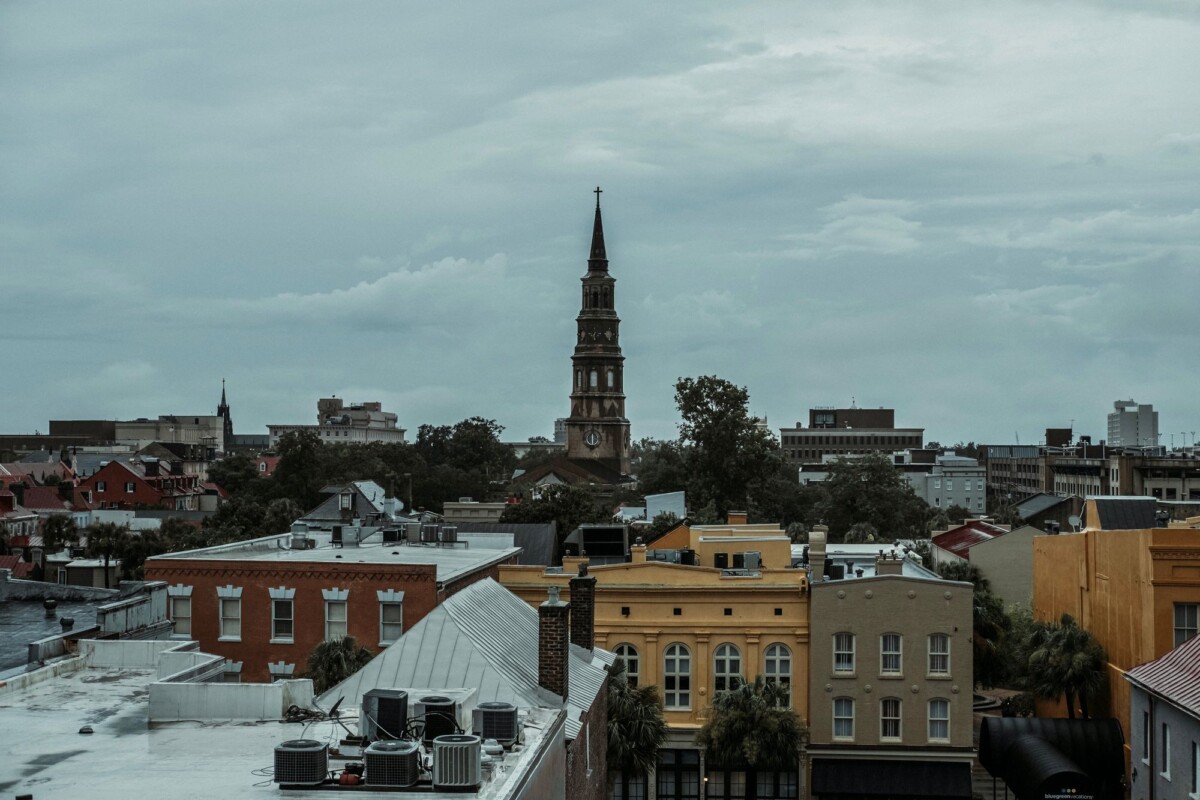
Shem Creek is in Mount Pleasant, across the Ravenel Bridge from downtown Charleston. It is close by car or rideshare but is not a convenient walk from the Historic District, so allow transport time and cost for a dinner there.
What Time Do Restaurants Serve Dinner in Charleston?
Dinner service hours vary by restaurant and day, with some independent restaurants closing on selected weekdays or stopping service earlier than visitors expect. Check the restaurant’s official website on the day you plan to go, particularly for Sunday, holiday and late-evening dining.