
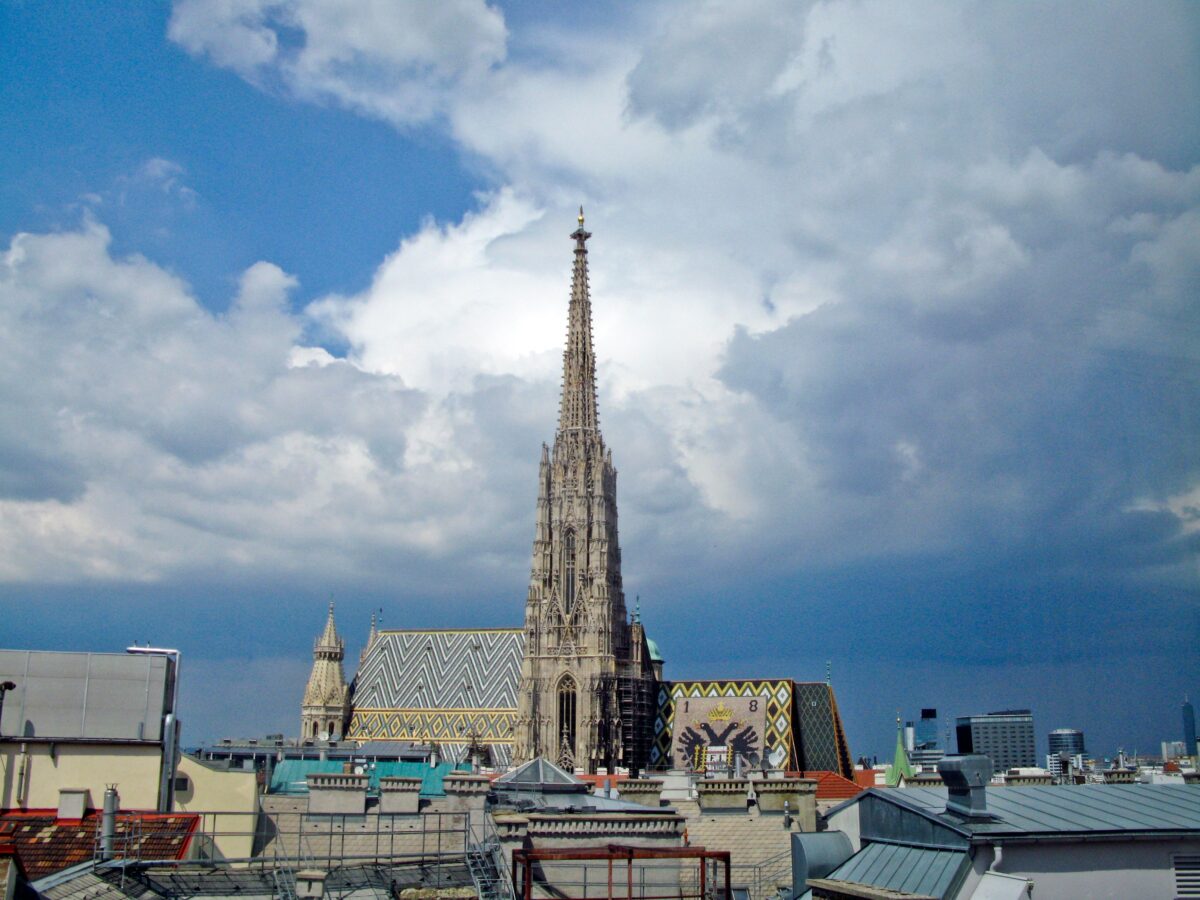
If you are visiting for the first time, Innere Stadt is the easiest base for major sights, while Mariahilf and Neubau give you the best balance of location, atmosphere and price. Vienna is spread across 23 districts, but for a short first trip you only need a handful on your shortlist.
This guide to Where to Stay in Vienna: Best Neighbourhoods for First-Timers (2026) focuses on the areas that make sightseeing simple, nights out easy, and transport painless. We have kept it practical, with who each neighbourhood suits, what you can reach on foot, and real hotel names to start your search. If you want a hotel-by-hotel shortlist as well, the companion guide to where to stay in Vienna hotels is useful once you have picked your district.
One extra 2026 note before you book: prices climb sharply in December for the Christmas markets and again during Eurovision Song Contest week, 12 to 16 May 2026. If your dates line up with either, book earlier than you think you need to. Central hotels can sell out surprisingly fast for market weekends, and the best-value rooms usually disappear first.
Quick Answer: Best Areas to Stay in Vienna for First-Timers
If you want the short version, these are the strongest picks.
- Innere Stadt (1st District): Best for first-timers who want to walk to Stephansdom, the Hofburg, the Albertina and the State Opera.
- Mariahilf (6th District): Best for shopping, bars, cafés and a central base that usually feels less formal than the 1st.
- Neubau (7th District): Best for museums, creative streets and a stylish stay without paying old-town prices.
- Wieden (4th District): Best for food, local atmosphere and staying close to Karlsplatz and the Belvedere area.
- Landstraße (3rd District): Best for a quieter base near the Belvedere and easy rail links.
- Leopoldstadt (2nd District): Best for park access and a bit more breathing room while staying close to the centre.
How Vienna’s Districts Work
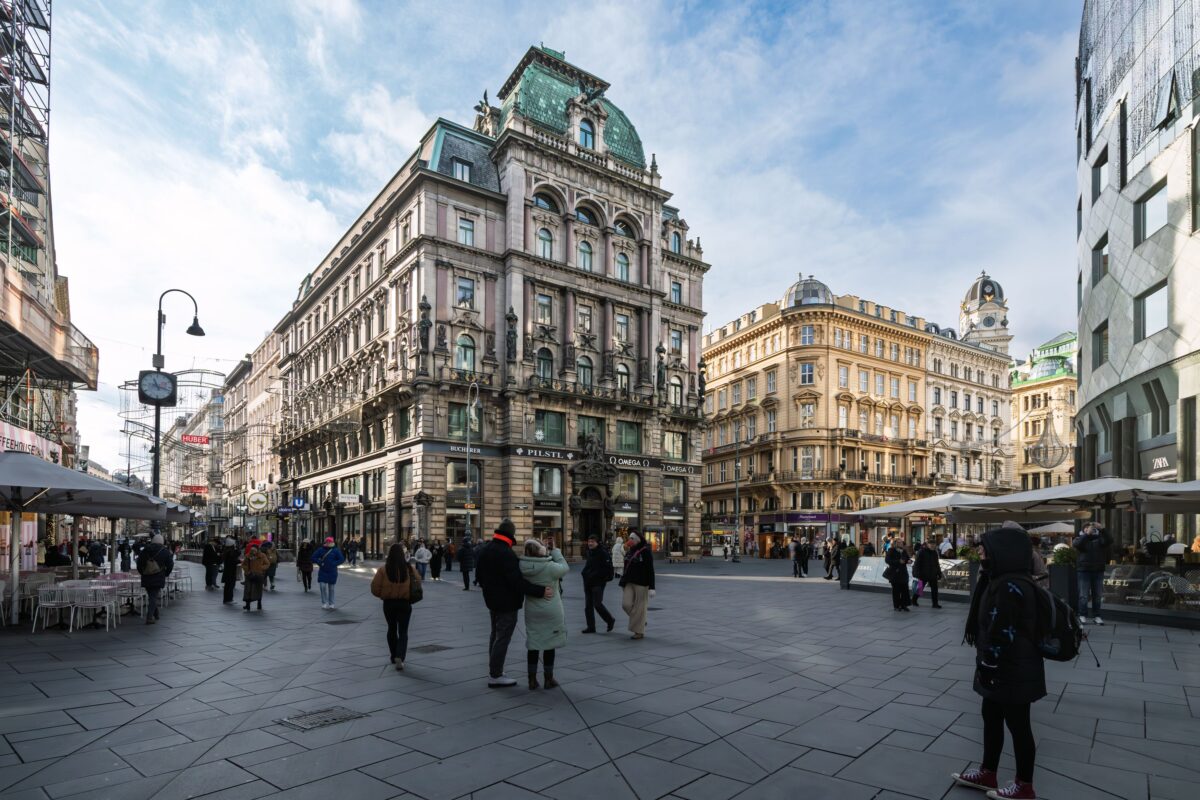
Vienna is arranged around the 1st District, Innere Stadt, which is encircled by the Ringstraße. That is the historic core and the area most people picture before they arrive: imperial buildings, grand streets, famous cafés and the dense cluster of headline sights.
For a first trip, you do not need to overcomplicate things. Public transport is excellent, with U-Bahn, tram, bus and S-Bahn connections making most central districts easy to use. Stations such as Stephansplatz, Karlsplatz and Herrengasse are especially handy if you want to keep transfers to a minimum. Vienna’s network runs late, is easy to read once you have used it once or twice, and saves you from spending half the trip wondering which tram goes where.
If you are only in town for a few days, staying central saves time and shoe leather. If you are trying to stretch the budget, moving one or two districts out often gets you more space and a more local street scene without making life difficult.
Innere Stadt: Best for Classic First-Time Vienna
Innere Stadt is the safest first pick if your priority is seeing the big sights with as little planning as possible. This is Vienna’s historic heart, and the area puts Stephansdom, the Hofburg Imperial Palace, the Albertina, Graben and Kohlmarkt within easy walking distance.
You are paying for position here. Mid-range and luxury rates are typically higher than elsewhere, with research on 2026 pricing putting the area broadly around €180 to €350 a night for mid-range to luxury stays. That sounds steep, and often is, but if you are only in Vienna for two or three nights the convenience can justify it. During Advent weekends, rates in the 1st can jump well beyond that range.
The transport setup is also hard to beat. Stephansplatz (U1/U3), Karlsplatz (U1/U2/U4) and Herrengasse (U3) connect you neatly to the rest of the city. If you are arriving with limited time and zero desire to decipher tram maps after a flight, this district behaves itself.
Hotel names worth a look here include The Guesthouse Vienna, which is a short walk from the Vienna State Opera and the Albertina, O11 Boutique Hotel Vienna near the Opera, and Rosewood Vienna if you are leaning luxury.
The downside is simple. This is the priciest and busiest part of Vienna, and some streets feel polished to within an inch of their life. If you like a bit more personality outside your front door, look just beyond the 1st.
Mariahilf: Best for Location Without Full Old-Town Prices
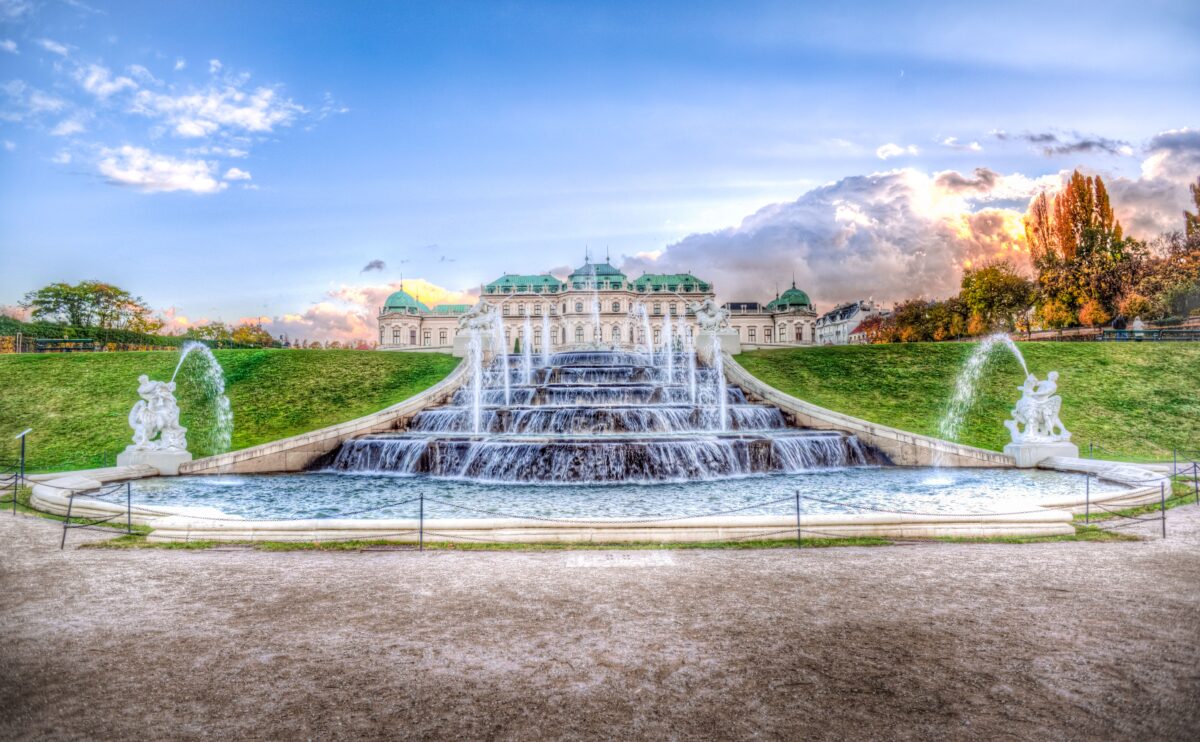
Mariahilf is one of the smartest first-time bases if you want central Vienna without paying peak Innere Stadt rates. It is close to the centre, well connected, and has a more everyday rhythm once you step off the main shopping streets.
This district is best known for Mariahilfer Straße, one of Vienna’s main shopping drags, but that undersells it a bit. It also works well for evenings out, casual dining and café-hopping, and you can reach the old centre quickly by U-Bahn or on foot depending on where you stay. The stretch around Neubaugasse and Gumpendorfer Straße tends to feel especially handy for people who want restaurants and bars nearby without sleeping above the busiest old-town streets.
For many people, Mariahilf is the sweet spot. You still get a central base, but the neighbourhood feels less ceremonial than the 1st District. After a day of palace interiors and chandeliers, that can be a relief.
Hotels to check here include Jaz in the City Vienna, which gets attention for its rooftop bar, and MOOONS Vienna, often picked for its modern feel and strong breakfast. If you are comparing several areas, this is where the value-versus-location maths often starts to look sensible. If you have been weighing up other easy European city-break bases such as the best areas to stay in Rome or where to stay in Amsterdam, Mariahilf is the kind of district that usually wins people over.
Mariahilf suits couples, first-time city breakers and anyone who wants nightlife nearby without staying in the middle of the postcard zone.
Neubau: Best for Museums, Style and a More Local Feel
Right next door to Mariahilf, Neubau has much of the same convenience but often feels a touch more creative and residential. If you like design hotels, independent shops and streets that feel lived-in after dark, this district deserves a proper look.
It is also a strong option for museum-heavy itineraries. The area sits well for the MuseumsQuartier, and you are not far from the centre. That makes Neubau a practical choice if your Vienna wish list includes art museums by day and a wine bar or late dinner afterwards. Spittelberg, on the district’s edge, is especially popular for its small streets, bars and seasonal market atmosphere.
For first-timers, the appeal is balance. You are close to the big sights but not surrounded by them every minute. That usually means a nicer sense of arriving back into a neighbourhood rather than a stage set.
Neubau works especially well for younger couples, solo travellers and repeat city-break people who still want convenience but do not need to sleep beside Stephansdom. When guides point to the 6th and 7th districts as the best mix of price, atmosphere and location, this is the logic behind it. It also shares some of the same appeal as areas people like in where to stay in Budapest hotels: central enough to stay efficient, but with more personality than the most obvious address.
Wieden: Best for Cafés, Restaurants and a Slightly Slower Pace
Wieden, Vienna’s 4th District, is a very good first-trip alternative if you want to stay central but not ultra-central. It has a local feel, plenty of food options, and easy access to key areas around Karlsplatz.
This district also works well if Belvedere Palace is high on your list, or if you fancy staying near the kind of streets where breakfast can turn into a long coffee stop without anyone rushing you out the door. Vienna is good at that in general, but Wieden leans into it nicely. The Naschmarkt edge is nearby too, which helps if snacks and low-effort lunches are part of your city-break strategy.
Parts of Wieden connect well with the Freihausviertel area, known for restaurants, bars and cafés. That gives the district a good evening scene without the fussier feel of the city centre.
Wieden suits food-focused trips, couples, and people who like walking but do not need to be on the most famous square. If Innere Stadt feels a bit too polished and outer districts feel a bit too far, this is the compromise pick.
Landstraße: Best for Belvedere and a Quieter Base
Landstraße, the 3rd District, is a solid first-time choice if you want something calmer and more residential while staying close to major sights. Several guides flag it as more of a lived-in district, which can be a relief if you are not keen on round-the-clock crowds.
It is particularly handy for the Belvedere Palace area and still close enough to the centre that sightseeing remains straightforward. The district also benefits from strong transport connections, which matters if you are arriving by rail or planning a few journeys beyond the inner core. Wien Mitte is one of the city’s most useful transport hubs, so parts of Landstraße are especially practical for airport transfers and regional trains.
If your idea of a good city break is busy days, quiet nights and a hotel room with a little more breathing room, Landstraße makes sense. It is less about buzzy streets and more about practical comfort.
The Hoxton Vienna is one hotel name associated with this part of the city, and it often comes up for people looking for a stylish stay outside the most expensive central patch.
Leopoldstadt: Best for Parks and More Space
Leopoldstadt gives you a different side of central Vienna. It sits in the 2nd District and is often suggested for people who want a bit more space, easier access to green areas and a neighbourhood that feels less tightly packed than the old centre.
One of its strengths is parkland. If you like the idea of balancing museums and coffee houses with long walks, this district is useful. The Prater and its huge green spaces are the obvious draw, and they are genuinely handy if you are travelling with children or simply want a break from church domes and museum floors. It is also close enough to the centre that you are not signing up for long commutes every day.
For first-timers, Leopoldstadt is best if you are staying a little longer, travelling with family, or simply prefer a calmer base. It is not the obvious postcard pick, but that is part of the appeal.
Some travel guides now also point to Leopoldstadt for its emerging creative scene, so it is not only about parks and peace and quiet. Around Karmelitermarkt especially, you get a more local, less polished side of central Vienna, which some people love and some find a bit quieter than they hoped.
How Much Does It Cost to Stay in Vienna in 2026?
You can still do Vienna on different budgets, but location changes the numbers fast. Broad 2026 averages from current travel guides put hostels around €30 to €50, mid-range hotels around €90 to €130, and luxury stays from €250 to €500+.
Innere Stadt usually sits above the city average. Mariahilf, Neubau, Wieden and Landstraße often offer better value, especially if you book well ahead. December is one of the most expensive periods because of Christmas market demand. Summer weekends and major convention dates can push prices up too, though usually not as sharply as December.
The other big date to watch is 12 to 16 May 2026, when Vienna hosts Eurovision Song Contest. If your trip overlaps that week, expect reduced availability and noticeably higher rates across central districts, not only near the venue areas.
Best Vienna Neighbourhood by Travel Style
- Best for first-ever Vienna trip: Innere Stadt
- Best mix of value and location: Mariahilf or Neubau
- Best for museums and creative streets: Neubau
- Best for cafés and evenings out: Wieden
- Best for quieter nights: Landstraße
- Best for families or longer stays: Leopoldstadt
- Best for luxury: Innere Stadt
Areas Most First-Timers Can Skip
Vienna is easy to get around, but for a short first trip we would not over-prioritise districts that sit farther out unless the hotel deal is unusually good or you have a specific reason to stay there. The city has 23 districts, and not all of them improve a first visit.
Budget-focused guides sometimes mention Margareten (5th District) and Favoriten (10th District) for value, especially near the main station. Those can work if price is the deciding factor, but for a classic first-time experience most people will be happier staying closer to the 1st, 4th, 6th or 7th districts. Favoriten in particular is practical rather than charming, and while some people are perfectly happy there, others find it too far removed from the Vienna they pictured.
Booking Tips for First-Time Visitors
- Book early for December and May 2026. Christmas markets and Eurovision week push prices up fast.
- Check the nearest U-Bahn station before booking. Stephansplatz, Karlsplatz and Herrengasse are especially convenient for a first trip.
- Decide how much walking you want to do at night. Innere Stadt wins for easy strolls home. Mariahilf and Neubau usually trade a little distance for better value and atmosphere.
- Do not judge by district alone. Vienna’s districts are large enough that one hotel can feel brilliantly central while another in the same district feels less handy.
- If you only have two or three nights, prioritise location. Saving a little on the room can be false economy if you spend the trip commuting.
Our Verdict on Where to Stay in Vienna for First-Timers
If you want the simplest answer, stay in Innere Stadt. It is the most convenient area for a first trip and puts Vienna’s headline sights on your doorstep.
If you want a better blend of price, atmosphere and location, book Mariahilf or Neubau. Those are the districts we would point most people towards after the 1st, especially for a city break of three nights or so.
Wieden and Landstraße are excellent alternatives if you prefer a more local feel, while Leopoldstadt makes sense for longer stays, families or anyone who likes green space close at hand. Vienna is one of the easier capitals to get right, which is convenient because no one wants their grand imperial weekend derailed by a bad hotel postcode.
