
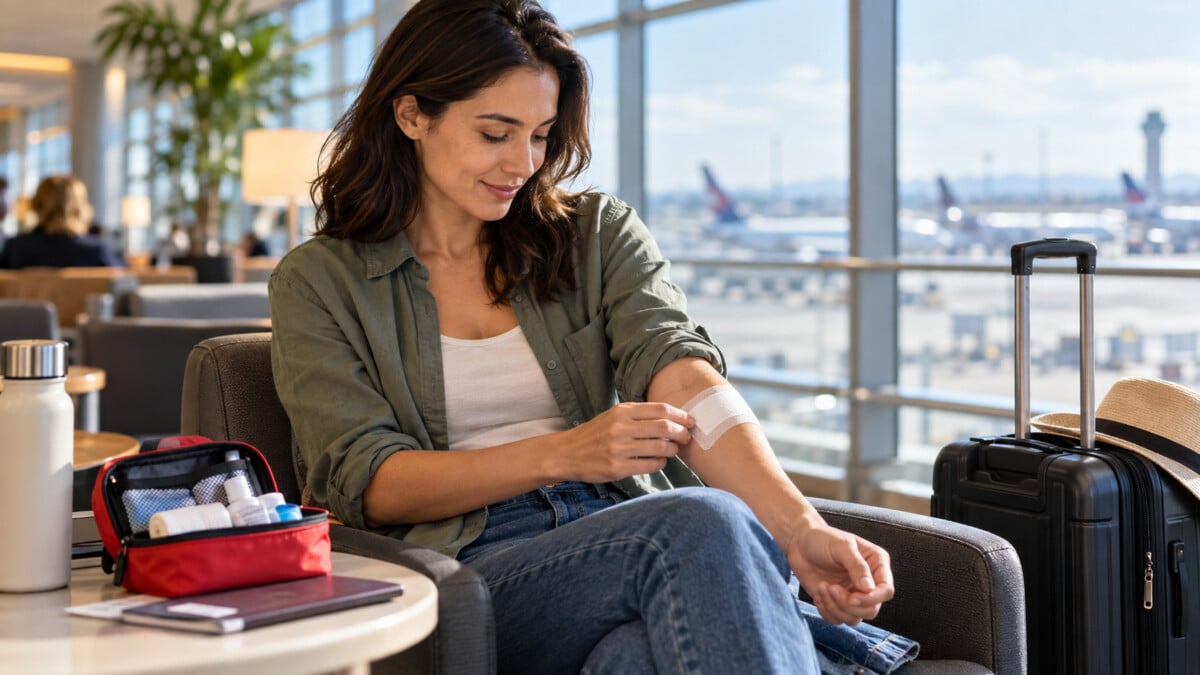
A sore heel can change a walking holiday. A cut that needs regular dressings can complicate a beach break. If you are travelling with a wound, the useful questions start well before you zip up the suitcase: is it improving, can you manage its care away from home, and which activities might need to change?
Minor cuts and more complex wounds need different approaches. This guide focuses on preparing for a trip, packing suitable supplies and knowing when to get medical help, whether you are still at home or already on holiday.
Check a Slow-Healing Wound Before You Travel
If a wound is not improving as expected, arrange a clinical assessment before departure. Healing depends on the injury, its location and your health, so a fixed deadline cannot tell you whether it is safe to wait. A flight next week is a good reason to discuss your plans, rather than hoping the problem will settle once you arrive.
Do not wait until you get home if a wound is worsening. The symptoms below can help you decide how urgently to seek care, but they are not a diagnosis or a complete list of warning signs.

| What You Notice | What to Do |
|---|---|
| Bleeding you cannot stop, a very deep or large wound, or loss of feeling or movement near the injury. | Get emergency medical care now. Use the local emergency number if you need an ambulance. |
| Confusion or difficulty breathing alongside a possible infection. | Call local emergency services immediately. |
| Rapidly spreading redness, or wound symptoms accompanied by fever or chills. | Seek medical attention immediately. |
| Increasing pain, warmth, swelling or pus from the wound. | Arrange an urgent, same-day medical assessment. |
| A new foot cut, blister or sore when you have diabetes. | Contact your doctor or foot care team straight away, even if it does not hurt. |
| A wound that is not improving as expected, without the urgent symptoms above. | Arrange a review before travelling and ask what follow-up and activity limits you need. |
The NHS guidance on cuts and grazes explains which injuries need urgent or emergency treatment. If a surgical wound opens or stitches come out early, contact your treating team promptly.
Arrange Any Ongoing Wound Care Before Departure
A GP or other primary care clinician can assess healing and help decide whether specialist care is needed. Wounds that remain open or repeatedly break down may need investigation for problems such as poor circulation, pressure or infection. A wound care team can also help organise an ongoing dressing and treatment plan.
For travellers arranging care in the United States, Healogics provides a centre directory for people searching for an “experienced wound specialist near me”. If specialist follow-up is recommended, check appointment availability, referral requirements and insurance arrangements before leaving. This is a US directory, so arrange local care separately for trips elsewhere.
Ask who will change dressings, how often reviews are needed and what would mean postponing the trip. If you have recently had surgery, discuss the journey itself with your surgical team. Appearance alone cannot confirm that a wound is ready for a long flight, a hike or a swim.
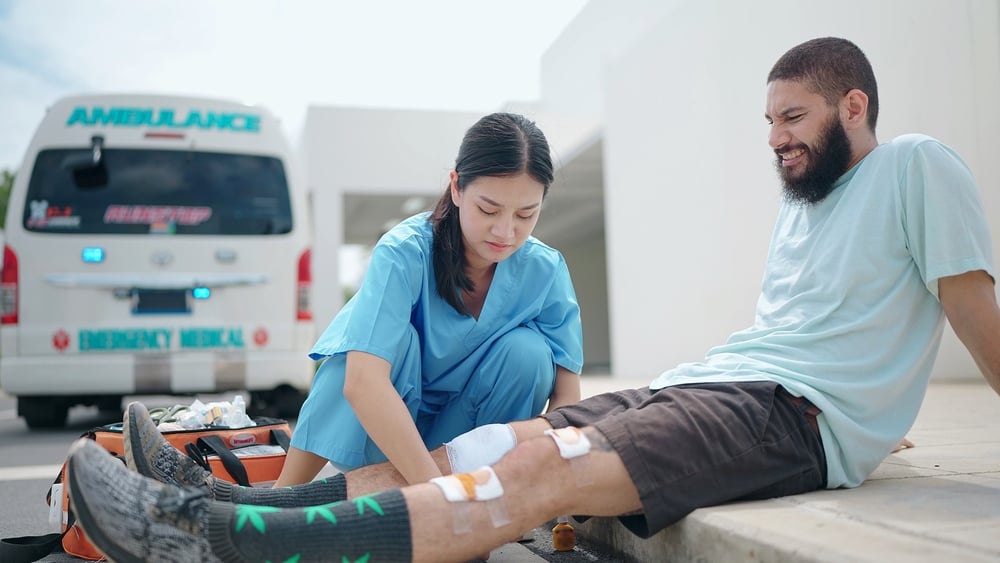
Build the Itinerary Around What You Can Comfortably Do
A hotel described as “close to everything” can still involve plenty of walking. Look at actual distances to transport, restaurants and your room, including stairs. Leave space for dressing changes and any appointments, and choose bookings you can alter where possible.
Ask your clinician how much walking or pressure the wound can tolerate. If you have been given instructions to keep weight off a foot or use protective equipment, follow them during the trip. Replacing a hill walk with a shorter outing only helps if that outing fits your treatment plan.
Our guide to planning a trip itinerary can help you organise manageable days and alternatives. If walking is appropriate, use the hiking gear packing list to prepare your footwear and day bag. A holiday is a poor time to discover that your new boots rub.
The CDC’s diabetes foot care guidance recommends checking your feet every day. Nerve damage can make a cut or blister less noticeable, so a painless foot is not proof that everything is fine. Contact your care team promptly about new sores rather than continuing to walk on them.
Rethink Swimming and Beach Activities
An open wound needs particular thought on a holiday built around pools, hot tubs or the sea. The CDC’s swimming safety guidance advises staying out of the water with an open cut or wound. Check with your treating clinician about when you can return to swimming, especially after surgery or with a wound that is slow to heal.
The CDC also advises protecting open wounds from coastal water, including while wading, because bacteria can enter through broken skin. A waterproof dressing does not make every water activity suitable. If a wound is exposed to seawater, wash it promptly with soap and clean running water. Seek medical attention if symptoms develop or worsen, and mention the water exposure.

Pack a Small, Accessible Wound Care Kit
For an existing wound, ask your treating team which supplies to bring and how much you will need. Include a reserve for delays. Keep items in their original packaging where practical, and protect dressings from moisture and dirt.
| What to Pack | Why It Helps |
|---|---|
| The dressings recommended for your wound. | Lets you continue the agreed care routine without relying on finding an identical product abroad. |
| Sterile gauze, non-stick dressings and suitable medical tape. | Useful basic supplies for minor injuries; use specialist products as instructed. |
| Sterile saline or access to clean drinking-quality water. | For cleaning minor cuts, following any specific instructions for an existing wound. |
| Disposable gloves and supplies for cleaning your hands. | Help you prepare for handling dressings hygienically. |
| Prescribed medicines, a medication list and written care instructions. | Help you maintain treatment and explain it if you need care elsewhere. |
| Clinician contacts, insurance details and local healthcare information. | Keep useful information available when you need assistance. |
Keep essential supplies accessible during the journey. Our carry-on packing guide can help you organise a separate pouch for items you may need in transit. Check airport rules for liquids and equipment, plus destination rules for medicines.
Know What to Do With a Minor Cut on Holiday
For a small, uncomplicated cut, wash your hands and stop bleeding with firm pressure from a clean dressing. Once bleeding stops, rinse with drinking-quality water, cover with a sterile dressing and replace it if wet or dirty. Follow your clinician’s instructions for wounds already under treatment.
Get prompt medical help for a wound that remains dirty, an animal or human bite, or any warning signs listed above. Do not remove a deeply embedded object yourself. A clinician can assess whether further cleaning, closure, tetanus protection or other treatment is needed.
Know Where to Get Help Away From Home
Before departure, identify nearby healthcare facilities and save your destination’s emergency number offline. If your wound needs regular professional care, arrange that care in advance rather than assuming a walk-in clinic can provide every treatment.
Check your travel insurance and disclose existing conditions, pending investigations and treatment as required by the policy. Ask specifically about your wound and planned activities. The UK government’s travel insurance guidance explains why declaring medical conditions matters.
Your insurer’s assistance service may help you find appropriate care, but do not delay emergency treatment while sorting paperwork. If you are treated abroad, keep the medical notes, receipts and updated care instructions for follow-up.
Planning for a wound may mean a different hotel, fewer walking days or postponing part of the trip. Make those decisions with your treating clinician before committing to activities, so your holiday arrangements support the care you need.
This article provides general travel and health information, not a diagnosis or personalised medical advice. Follow your treating clinician’s instructions and seek urgent help for concerning symptoms.
