
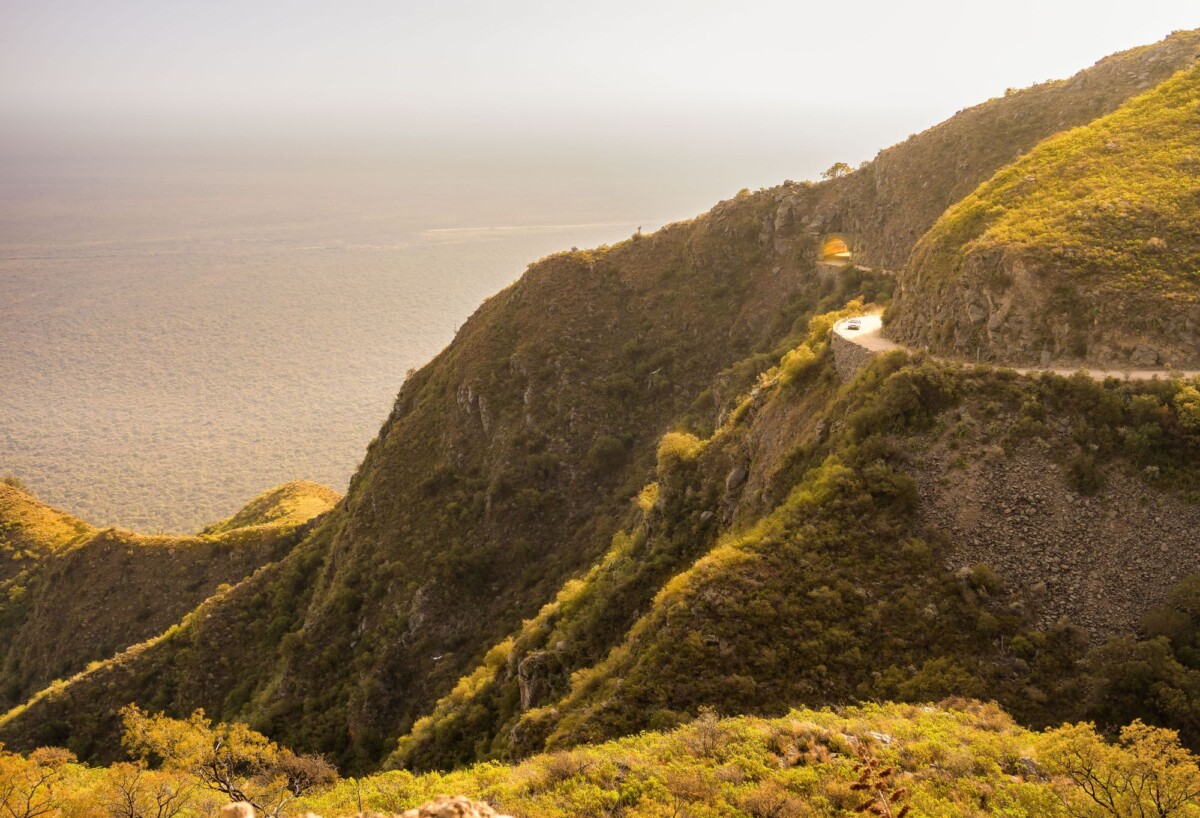
The Santiago to Mendoza drive usually takes five to six hours of moving time, but you should plan a full day because the Los Libertadores border crossing can add anything from a short stop to several hours. The 360km-ish route over the Andes is spectacular but demanding: it includes steep mountain roads, a high-altitude tunnel and a border that can close for snow, wind or poor visibility.
It is a very manageable self-drive route in fair weather if you start early, have your vehicle documents ready and keep the plan flexible. The same common-sense preparation applies to any international road trip, including rental-car, insurance and route checks.
Route Overview: Santiago to Mendoza Via Los Libertadores
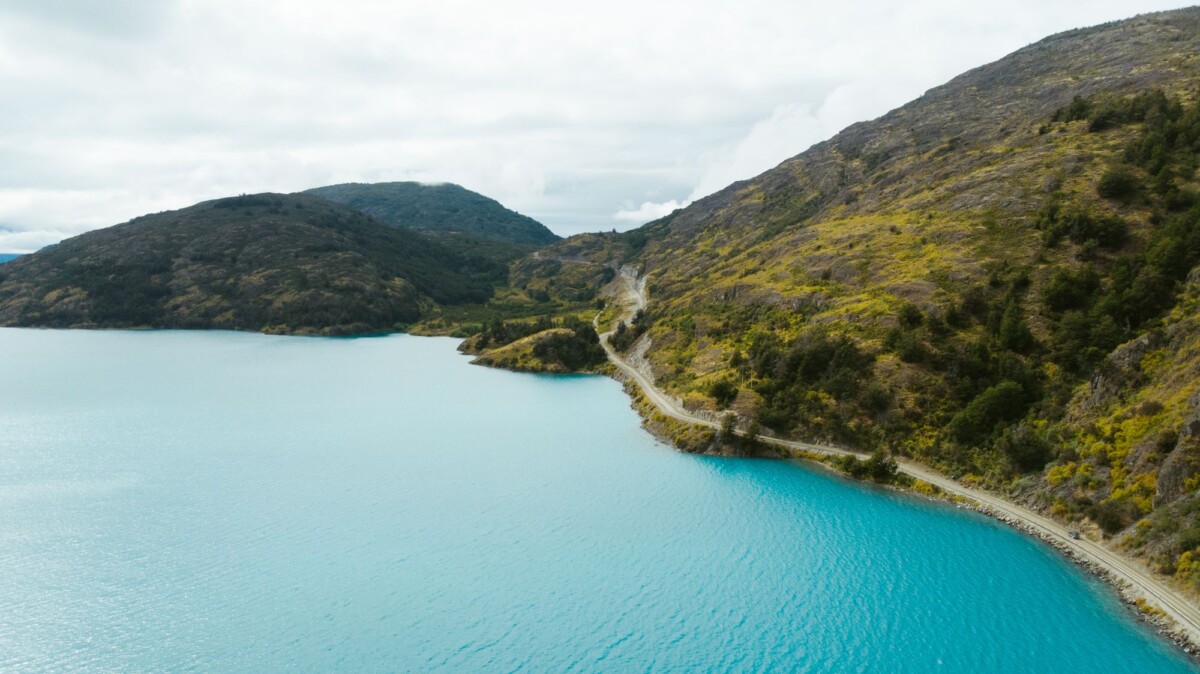
The main route follows Chile’s Ruta 60 east through Los Andes and the Los Libertadores complex, then Argentina’s Ruta Nacional 7 through Uspallata and the Andes foothills to Mendoza. It is the principal paved road link between the two cities and the practical choice for most drivers.
| Section | Route | Planning Time |
|---|---|---|
| Santiago to Los Andes | Ruta 57 / Ruta 60 | About 1.5 to 2 hours, depending on traffic |
| Los Andes to Los Libertadores border complex | Ruta 60 | About 1 to 1.5 hours |
| Border to Uspallata | Ruta Nacional 7 | About 1 hour |
| Uspallata to Mendoza | Ruta Nacional 7 | About 2 to 2.5 hours |
For a same-day transfer, allow eight to 10 hours door to door. That gives you a realistic buffer for fuel, food, mountain traffic and immigration. On busy holiday weekends or after a weather closure, crossing queues can take much longer, so avoid booking an inflexible Mendoza dinner, tour or onward bus connection.
Most navigation apps will suggest this route, but do not treat their arrival estimate as a border forecast. The apps calculate road travel, while the crossing has its own timetable and its own moods.
Check the Los Libertadores Border Before You Leave
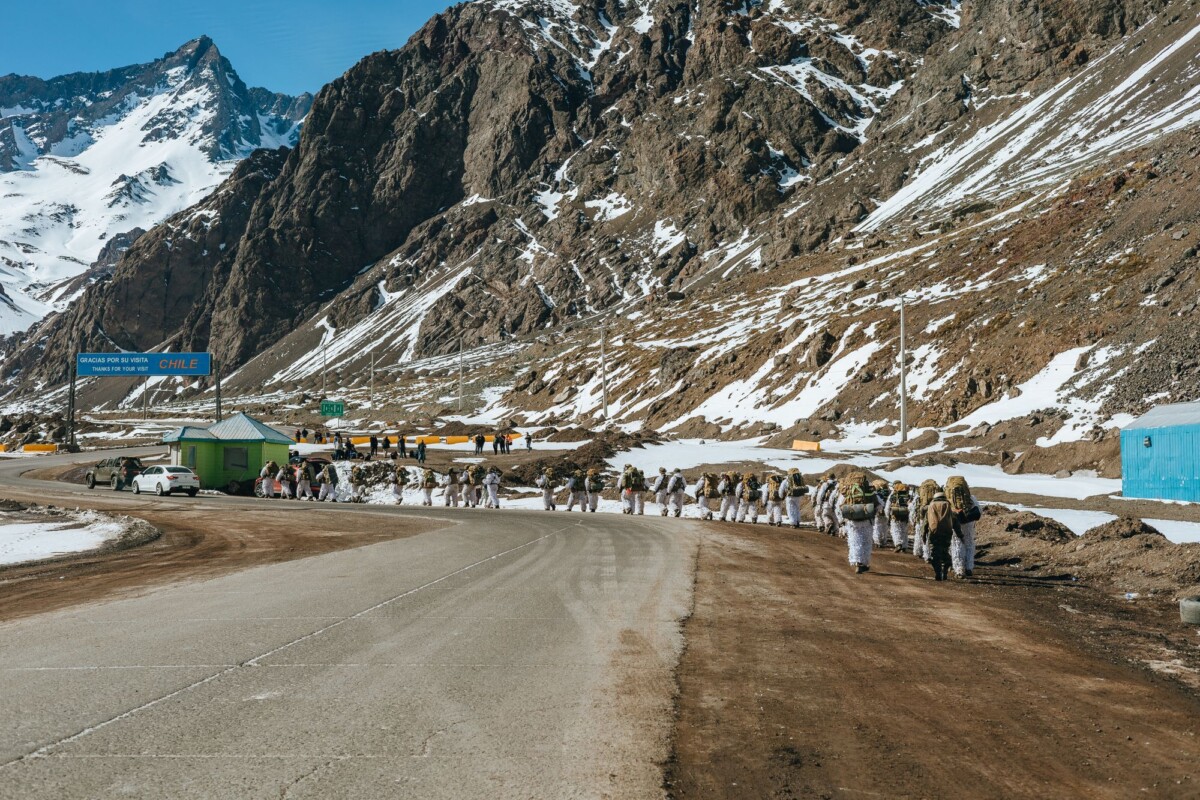
Los Libertadores, called Cristo Redentor on the Argentine side, is the crossing to use for this drive. It generally operates around the clock when conditions allow, but mountain weather can lead to temporary closures, convoy controls or a requirement for snow chains.
Check Chile’s official Paso Fronterizo Los Libertadores status service on the morning of travel and again before leaving Los Andes. It publishes opening status, weather notices and chain requirements. Argentina’s road authority and local news can add useful context, but the border-status service is the decision-maker.
- Winter usually brings the greatest disruption, particularly between June and September, when snow and ice affect the high road.
- Summer storms, strong wind and maintenance work can also slow the route or close it temporarily.
- Freight traffic is common. Leave plenty of room, stay patient on climbs and use proper passing lanes only when they are clear.
- Do not begin the mountain section late in the day if a closure looks possible. Accommodation and services are much easier to find in Los Andes or Uspallata than on the pass.
The road reaches serious altitude near the border. The Cristo Redentor tunnel is at roughly 3,200 metres above sea level, and the approach is higher in places. Drink water, take things slowly and be alert for headache, nausea or dizziness. Severe symptoms need medical help, not a heroic attempt to continue driving.
Documents Needed to Drive Across the Chile-Argentina Border
Every traveller needs a valid passport and must meet the entry rules for both countries based on nationality. Check entry requirements directly with the relevant embassy or official immigration authority before travel, as visa and reciprocity rules can change.
Drivers also need the documents proving that they may take the vehicle across an international border. Argentina’s National Directorate for Migration publishes immigration information, while vehicle and customs rules are handled separately at the border.
- Passport for each person in the vehicle.
- Driving licence accepted for use in Chile and Argentina. An International Driving Permit can be useful alongside your domestic licence, particularly if the licence is not in Spanish or uses a non-Roman alphabet.
- Vehicle registration document, or the paperwork supplied by the rental company.
- Written cross-border authorisation from the rental company if the vehicle is hired. A standard rental agreement rarely gives automatic permission to take a car into Argentina.
- Insurance proof valid in both countries. Confirm the policy’s territorial coverage in writing before collecting the car.
- Any required temporary vehicle import paperwork issued at the border.
Hire-car rules are often the trip-stopper. Ask the company before booking if it permits travel into Argentina, how much the authorisation costs, how long it takes to prepare and whether one-way drop-off is allowed. Some companies do not permit cross-border travel, while others require advance notice and original signed documents. A screenshot of an email is not a substitute for the paperwork the border officer expects.
Food, Plants and Animal Products
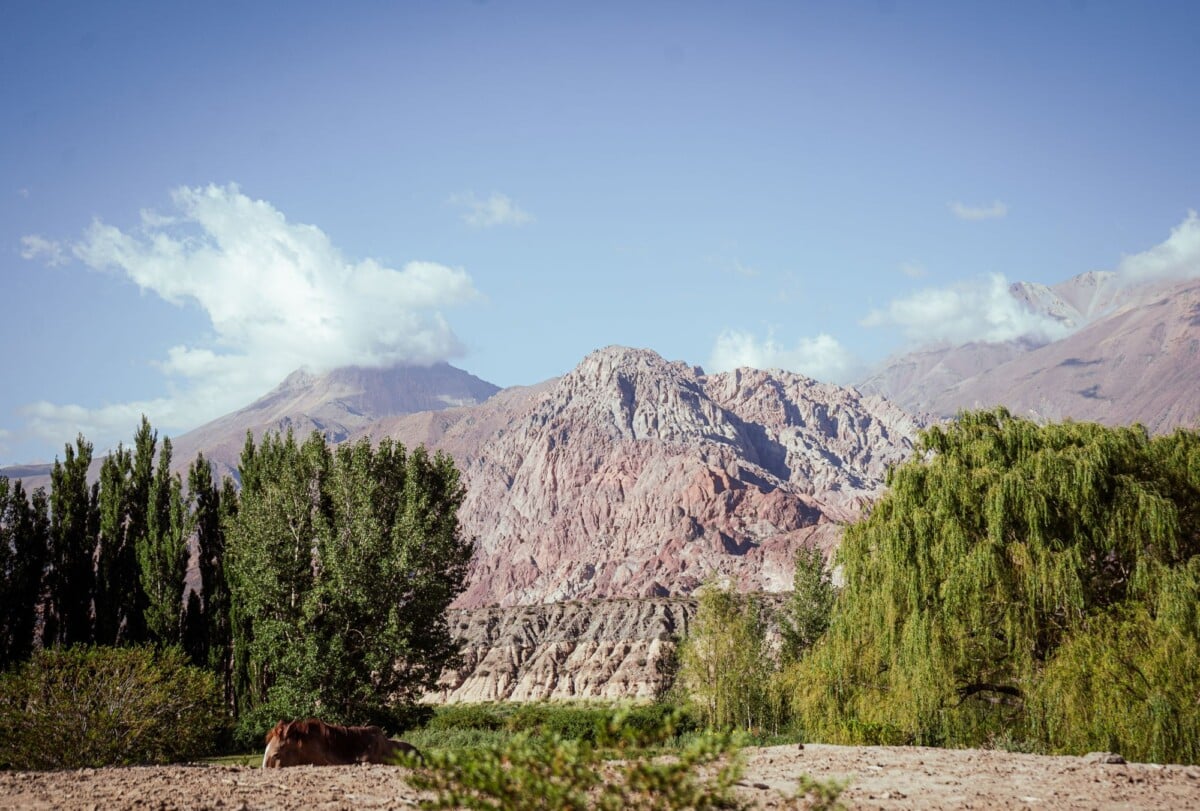
Chile has strict agricultural controls. All travellers must complete the declaration for Chile’s Agricultural and Livestock Service, known as SAG, on entry to Chile, and the agency expects visitors to declare food, plant material and animal products. Read the current SAG declaration guidance before the return journey.
For the drive east into Argentina, keep fresh produce, meat, dairy and unpackaged food to a minimum and declare anything requested. Border rules are designed to protect agriculture, and a picnic bag can turn into an unexpectedly long conversation at inspection.
What the Mountain Road Is Like
The Chilean approach is the section most drivers remember. Ruta 60 climbs through the Andes, passing Portillo and a famous sequence of tightly packed switchbacks known as Los Caracoles. The road is paved, but it has steep gradients, tight bends, heavy lorries and rapidly changing weather.
Drive it in daylight if possible. Use a low gear on descents, avoid overtaking unless the road markings and visibility clearly allow it, and keep a large gap behind vehicles. Brakes do not enjoy repeated downhill punishment any more than passengers do.
On the Argentine side, Ruta Nacional 7 descends through broad mountain valleys. It is generally less twisty after Uspallata, though wind, roadworks and lorry traffic can still affect progress. Fuel and food options improve as you approach Mendoza.
When Snow Chains Are Required
Carry chains during the snow season if you are driving a rental car, and confirm that they fit the tyres supplied. Authorities may require chains before allowing vehicles beyond a control point, even if the road initially looks clear. Practise fitting them or ask the rental company for a demonstration before setting off.
Do not assume four-wheel drive removes the need for chains. Local controls apply to the road condition on the day, and a suitable vehicle still needs a careful driver.

We earn a commission if you buy through this link, at no extra cost to you.
Fuel, Cash and Mobile Signal
Fill the tank in Santiago or Los Andes, then top up again in Uspallata if needed. Fuel stations become sparse around the high pass, and an unexpected border delay is a poor time to be watching the fuel gauge slide down.
Credit and debit cards are widely useful in both countries, but carrying a modest amount of Chilean pesos and Argentine pesos helps with smaller purchases, toilets and places where card terminals are unreliable. Exchange rates and payment methods in Argentina can change quickly, so check current advice shortly before travel.
Download offline maps for the whole route and save key documents on your phone as backups. Mobile coverage can be patchy in the mountains, and an offline map is more useful than a spinning loading icon at 3,000 metres.
Best Stops Between Santiago and Mendoza
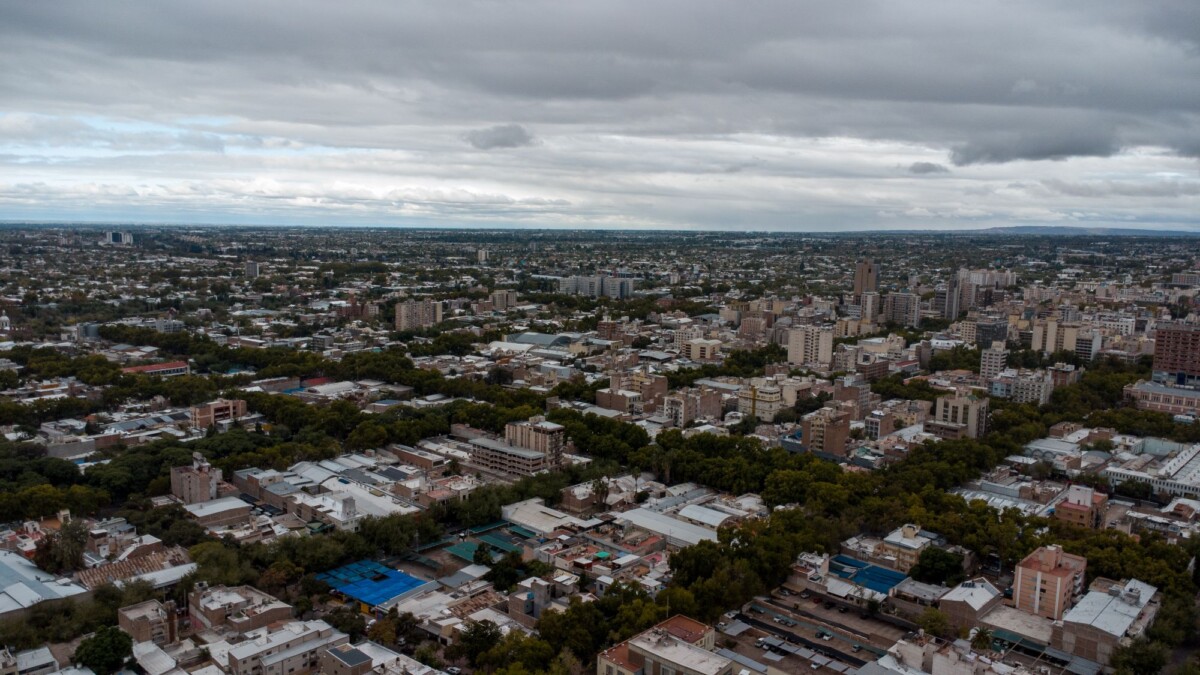
A direct drive is possible in a day, but a few short stops make the route more comfortable. Keep them flexible because border timing should dictate the day.
Los Andes, Chile
Los Andes is the last sensible place for fuel, supplies, cash and a proper meal before the climb. It is also the best point to turn back or stay overnight if weather warnings make the pass uncertain. A recent reading in Los was 41F with broken clouds and 89% humidity (as of September 2026), which is a useful reminder to keep warm layers handy before heading uphill.
Portillo and Laguna del Inca
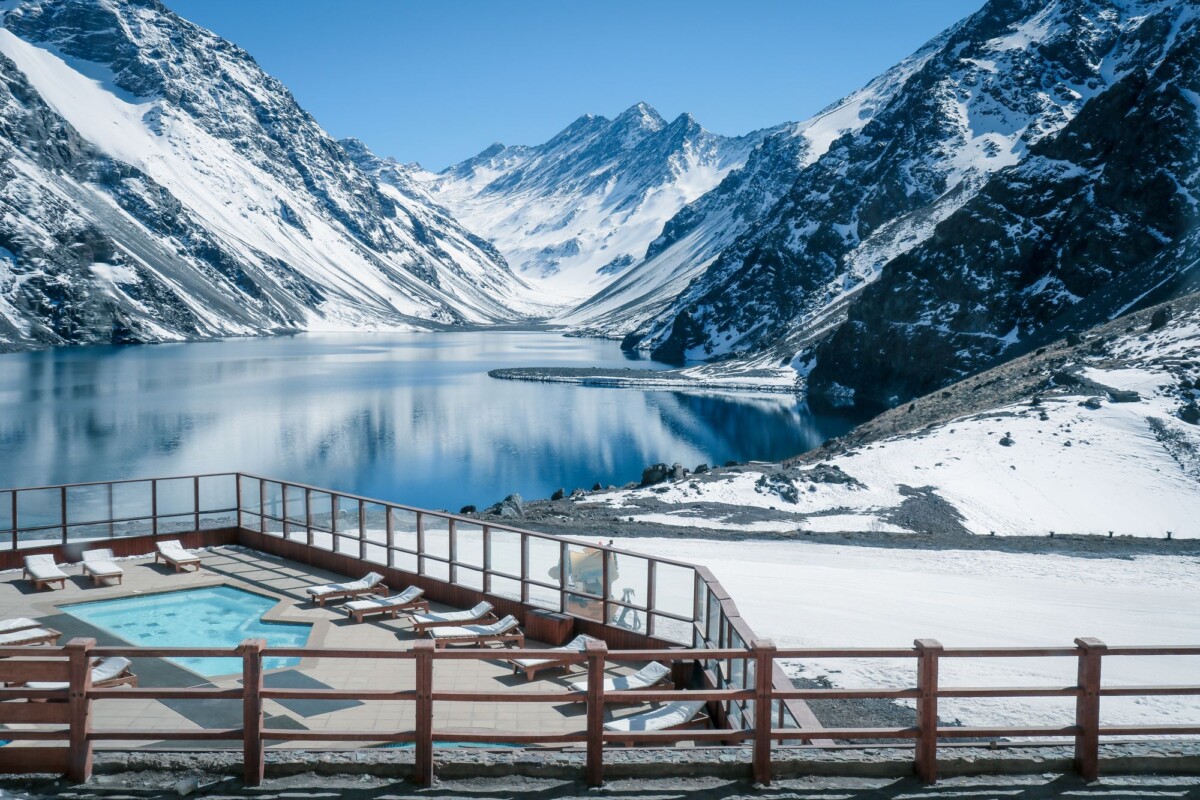
Portillo sits beside Ruta 60 high in the Andes, with views towards Laguna del Inca when conditions and access allow. Treat it as a scenic pause, not a lengthy detour, and follow any parking or access restrictions around the ski area.
Uspallata, Argentina
Uspallata is the most useful post-border stop. The town has fuel, cafés, basic services and accommodation, making it a sensible overnight base if you do not want to push on to Mendoza after a long crossing day.
Puente del Inca and Aconcagua
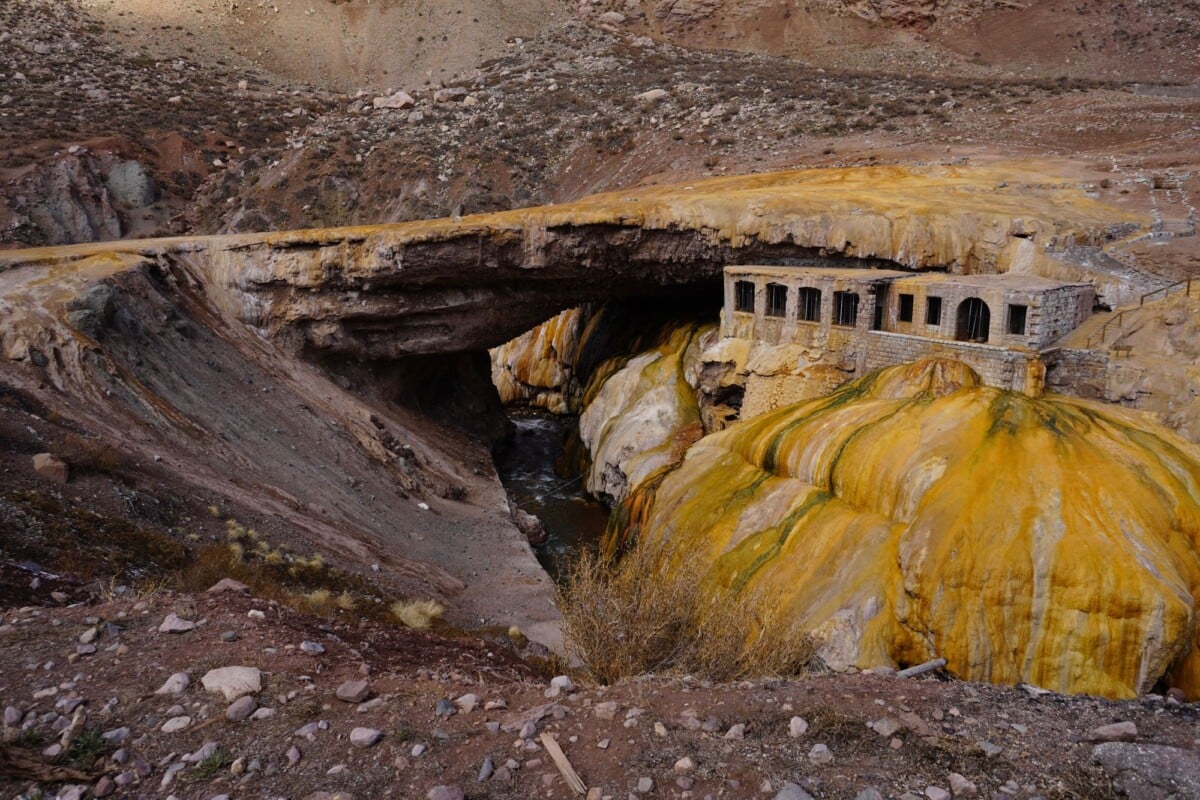
Near the Argentine approach, Puente del Inca is a distinctive mineral formation beside Ruta 7, while Aconcagua Provincial Park offers views towards the highest mountain in the Americas. Park access, trails and opening arrangements are managed by Mendoza Province, so review the official Aconcagua Provincial Park information before building it into the itinerary.
These stops work best if the border has been quick and daylight remains. If queues have already eaten into the afternoon, carry on to Uspallata or Mendoza and save the sightseeing for a separate day trip.
Should You Drive It in One Day?
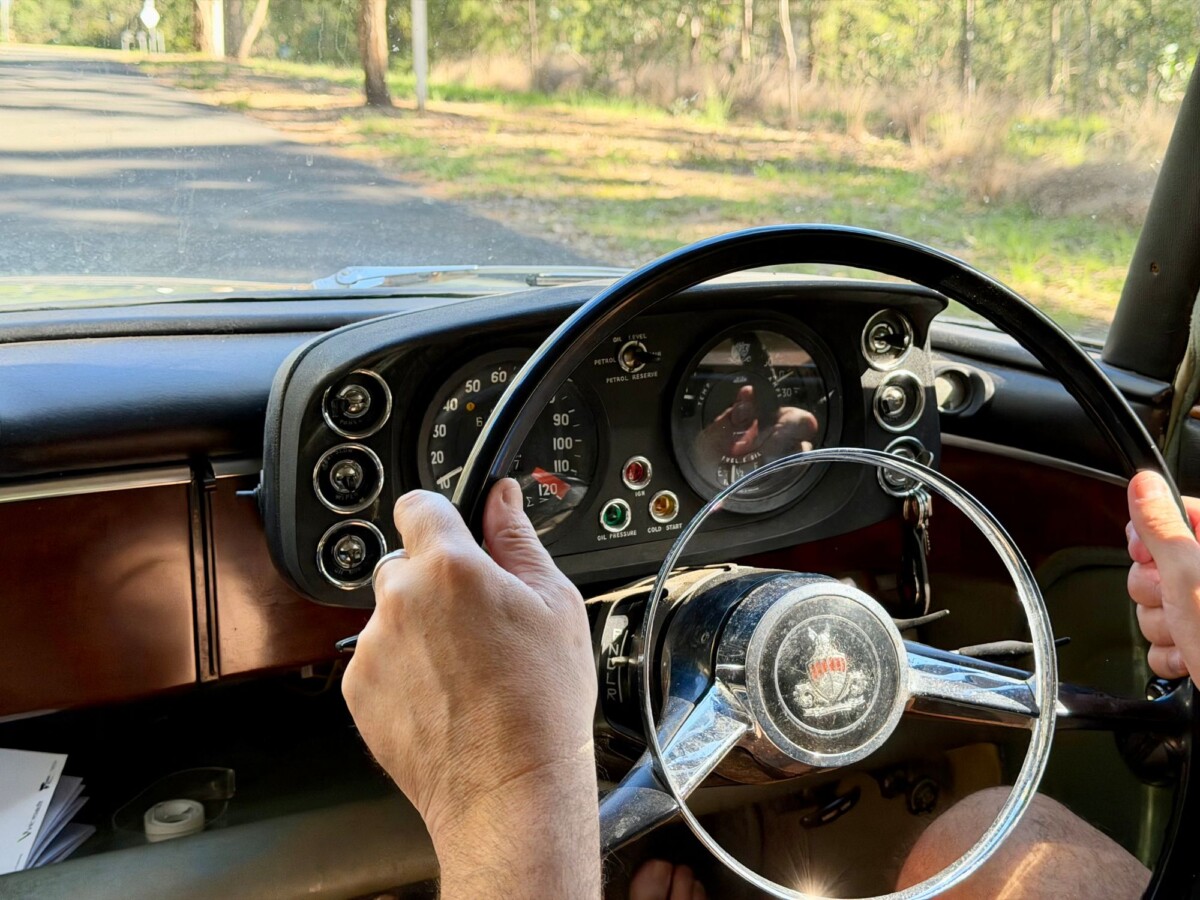
Yes, a one-day Santiago to Mendoza drive works well during stable weather if you leave early and have a flexible arrival plan. Start before the Santiago rush hour, fuel up before Los Andes and aim to reach the border complex well before midday.
Split the drive with an overnight in Los Andes or Uspallata if you are travelling with young children, are nervous on mountain roads, have an early winter departure or want time for Aconcagua and Puente del Inca. It costs an extra night, but it removes the pressure to drive difficult roads in darkness.
A Practical Santiago to Mendoza Driving Checklist
- Confirm that your rental company permits Chile-Argentina travel and arrange its written authorisation well ahead of collection.
- Check passports, entry requirements, driving licences, registration papers and insurance coverage.
- Check the official Los Libertadores border status the evening before and on departure morning.
- Fill the tank before Los Andes and download offline maps.
- Pack water, snacks, warm layers, sunglasses and medication you may need during a long delay.
- Carry chains in winter and follow every control instruction.
- Keep food restrictions in mind and complete all declarations honestly.
- Leave Mendoza accommodation and onward plans flexible on the crossing day.
Pack layers within easy reach, not buried at the bottom of a suitcase. Mountain temperatures can be far colder than Santiago or Mendoza, even when both cities are warm.

We earn a commission if you buy through this link, at no extra cost to you.
Frequently Asked Questions
How Long Does It Take to Drive From Santiago to Mendoza?
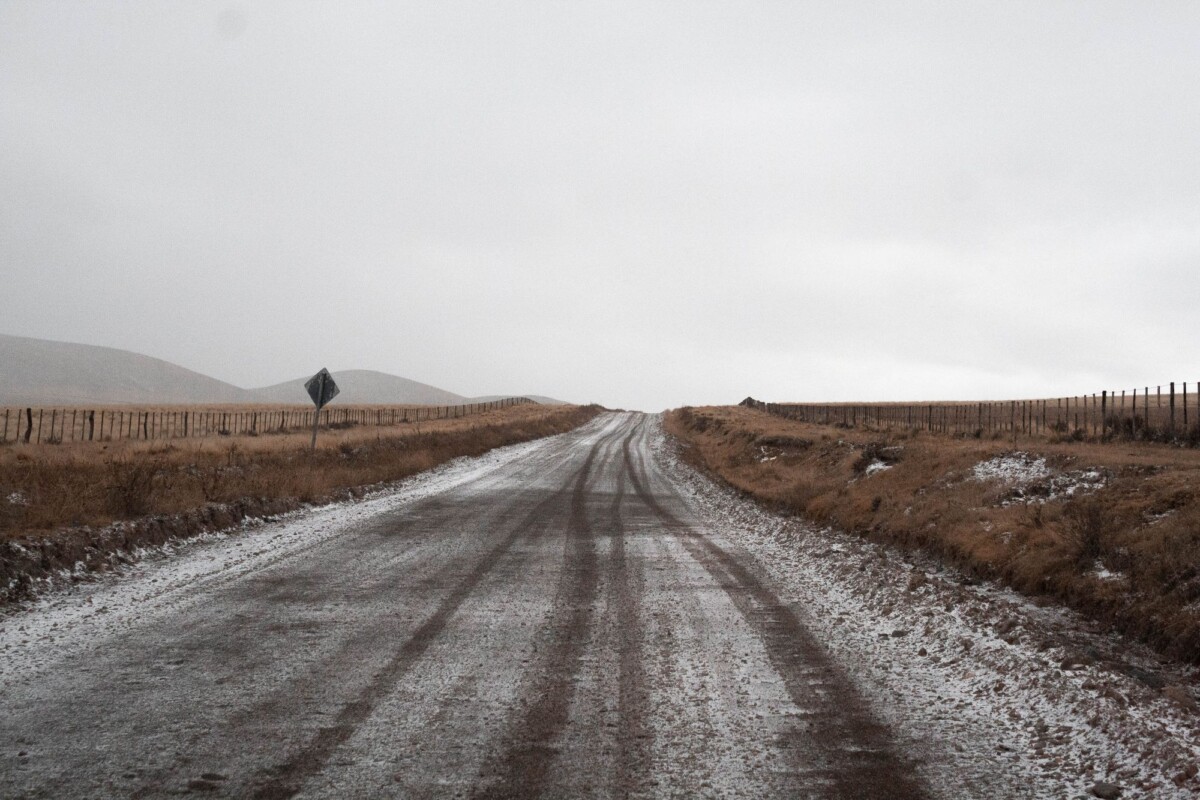
The road journey typically takes five to six hours without extended stops or border delays. Plan eight to 10 hours for a realistic same-day trip, and keep additional time available during winter or holiday periods.
Can You Take a Rental Car From Santiago to Mendoza?
Many rental companies allow it only with advance permission, cross-border documents and insurance valid in Argentina. Confirm the policy before booking, as some vehicles and rental contracts are excluded from international travel.
Is the Santiago to Mendoza Road Open All Year?
The Los Libertadores crossing can operate year-round, but snow, wind and poor visibility can cause temporary closures or chain controls. Check the official crossing status on the day because conditions can change quickly.
Do You Need Snow Chains for Los Libertadores?
Snow chains may be required during winter conditions, including for some vehicles with four-wheel drive. Carry compatible chains in the snow season and follow the instructions issued at road controls.
Where Is the Best Place to Stop Overnight?
Los Andes is practical before the border if weather is uncertain, while Uspallata is the best useful stop after entering Argentina. Mendoza suits drivers who have crossed early and want to finish the journey the same day.