
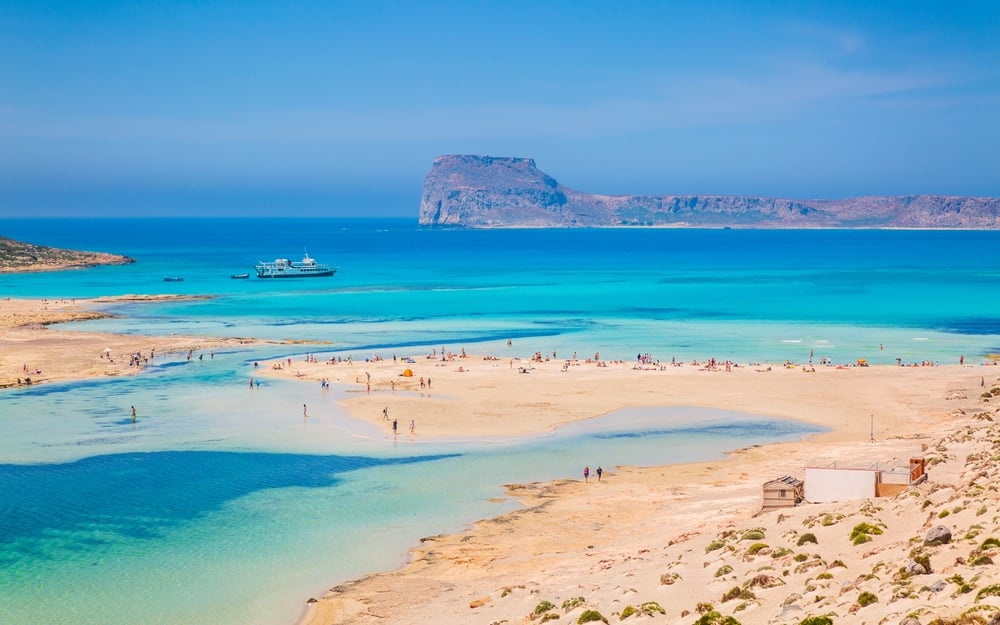
A beach holiday doesn’t have to mean spending every day on a sun lounger. For some travelers, the ideal coastal trip mixes a few lazy afternoons by the water with historic towns, local food, archaeological sites, hiking or day trips.
That opens up plenty of possibilities around the Mediterranean and Adriatic. Greece, Croatia, Turkey, Cyprus and Montenegro all have established beach destinations, but each offers quite a different experience once you leave the resort or shoreline.
None is necessarily better than the others. The right choice depends on whether you’d rather spend your non-beach days exploring ancient ruins, walking through old towns, heading into the mountains or hopping between islands.
Choosing a beach holiday with more to explore
Before booking, think about what you actually want to do when you’re not at the beach. A destination packed with archaeological sites might sound appealing, but it won’t add much to your holiday if you’d really rather be hiking or taking boat trips.
- For ancient history: Greece and Turkey have particularly strong options.
- For historic coastal towns: Croatia and Montenegro are worth considering.
- For a mix of beaches and easy excursions: Cyprus can work well.
- For island hopping: Greece gives you an enormous range of routes and islands.
- For hiking and mountain scenery: Montenegro combines its coastline with a dramatic interior.
Five coastal destinations to consider
| Destination | Beach experience | Beyond the beach | Worth considering for |
|---|---|---|---|
| Greece | Islands, coves and long sandy beaches | Ancient sites, villages and island hopping | Variety |
| Croatia | Adriatic beaches and clear-water coves | Historic towns, islands and boat trips | Coast and culture |
| Turkey | Mediterranean and Aegean resorts | Archaeology, markets and local cuisine | History |
| Cyprus | Sandy beaches and resort areas | Villages, archaeological sites and mountains | Easy-going exploration |
| Montenegro | Compact Adriatic coastline | Old towns, mountains and hiking | Scenery |

1. Greece: Island-Hopping With History Along the Way
Greece is an obvious place to start if you want to combine beach time with sightseeing, largely because there are so many different islands to choose from. Crete, Rhodes and Corfu, for example, each offer established coastal areas alongside historic towns, archaeological sites and traditional villages.
Its enduring pull is no secret: Greece welcomed a record 37.98 million visitors in 2025. That popularity also means choosing the right island and time of year can make a noticeable difference to the experience.
If you’re still deciding where to go, this guide to the most beautiful Greek islands compares options including Santorini, Milos, Naxos, Corfu and Crete. Some are better suited to beaches and nightlife, while others make it easier to mix swimming with hiking, villages and historic sites.
Crete is particularly useful if you don’t want to keep changing hotels. It’s large enough to combine beaches with mountain landscapes, traditional villages and archaeological attractions. Smaller islands can work better for travelers who like the idea of moving between several destinations by ferry.
The official Visit Greece tourism portal is useful when researching regions, islands and practical travel information before settling on an itinerary.
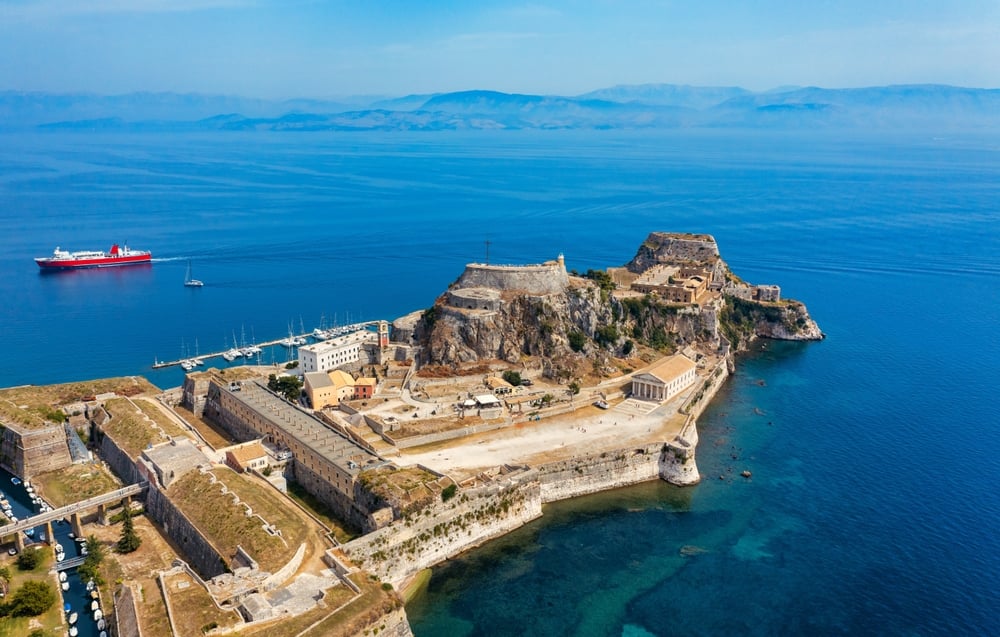
2. Croatia: Historic Towns and Clear Adriatic Water
Croatia’s Adriatic coastline makes it relatively easy to alternate between sightseeing and time by the water. Dubrovnik and Split are the obvious historic centres, but islands and smaller coastal towns give you plenty of options if you’d prefer a slower itinerary.
Dubrovnik is a good example of why Croatia works for this type of holiday. You can spend the morning exploring the Old Town and city walls before getting out onto the Adriatic later in the day. Boat trips, swimming spots and nearby islands mean you don’t have to choose between a city break and a coastal one.
Two Scots Abroad’s two-week Croatia itinerary shows how destinations including Dubrovnik can be combined as part of a longer trip. If you’re staying around Dubrovnik, even a shorter coastal excursion such as a boat trip can provide a change from sightseeing in the Old Town.
Peak summer can be extremely busy, particularly in Dubrovnik when cruise visitors and overnight tourists overlap. Travelling in late spring or early autumn can be worth considering if your dates are flexible.
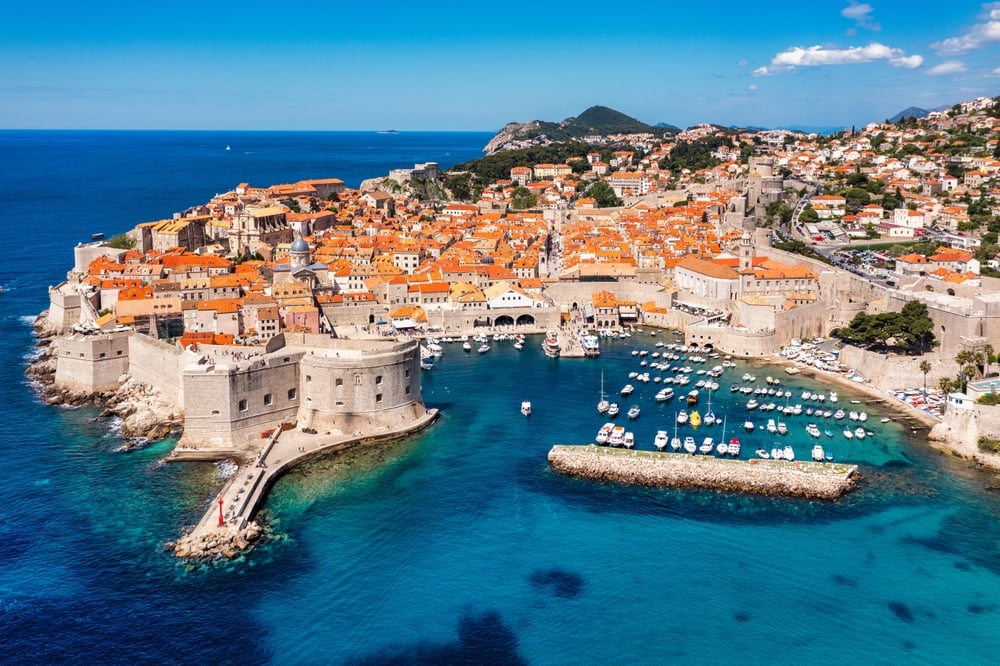
3. Turkey: Beaches Alongside Ancient Sites
Turkey’s Aegean and Mediterranean coastlines give travelers plenty of opportunities to combine a conventional beach holiday with archaeological and cultural excursions.
You might spend one day wandering the marble streets of Ephesus, which drew around 2.5 million visitors in 2025, and another taking a boat trip, visiting a coastal town or simply staying by the water.
Ephesus is particularly interesting if history is one of the main reasons you’re travelling. The archaeological site contains the remains of streets, public buildings, temples and other structures from a city that became an important centre during the Roman period.
The UNESCO World Heritage listing for Ephesus provides useful background on the site’s significance and development over several historical periods.
Turkey can also appeal to travelers whose idea of culture is less about archaeological sites and more about everyday experiences. Local markets, regional food and smaller towns can all be worked into a coastal itinerary without turning every day into a sightseeing marathon.
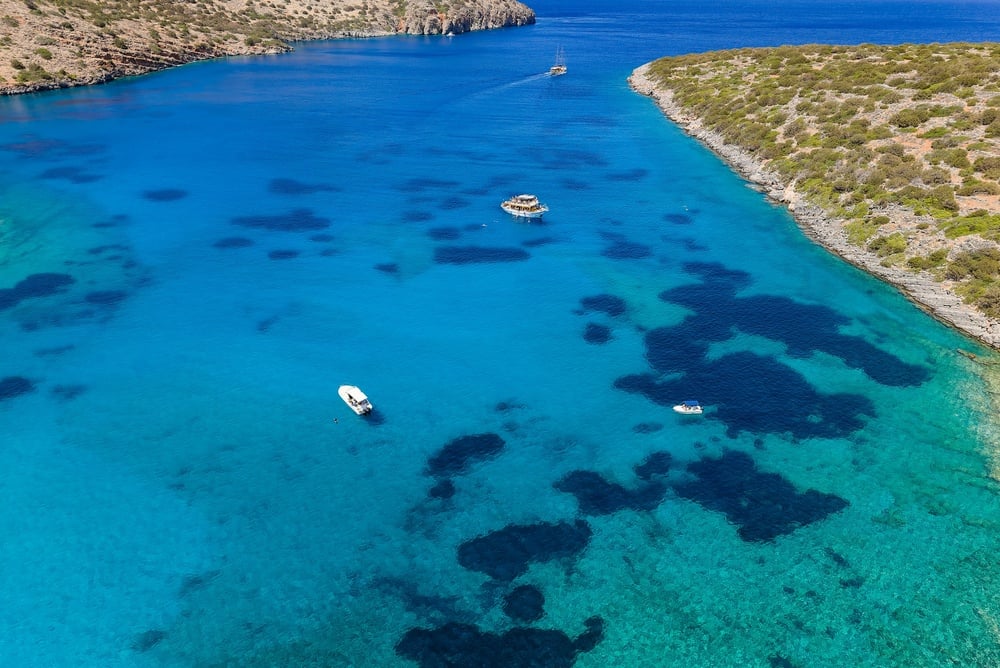
4. Cyprus: Relaxation With Plenty to Discover
Cyprus can suit travelers looking for a fairly straightforward beach holiday while still having the option to explore beyond the resort. Alongside its sandy beaches are mountain villages, archaeological parks, coastal walking routes and small harbours.
The island’s size also makes day trips relatively practical. You don’t necessarily have to move accommodation every couple of nights to see a different side of the country.
If you’re considering the island, these reasons to visit Cyprus cover beaches alongside food, history and some of the other experiences available away from the pool.
For those keen to simplify the planning while still leaving room for excursions, an all-inclusive holiday can be a great option, allowing you to enjoy a more relaxed, stress-free stay without giving up the chance to get out and see the island.
That setup won’t appeal to everyone, of course. Independent hotels, apartments and road trips can make more sense if exploring different parts of Cyprus is going to be the main focus of your holiday.

5. Montenegro: Coastline With a Mountain Backdrop
Montenegro is another option if you’d like to combine the Adriatic with old towns and dramatic landscapes. Its coastline is much smaller than neighbouring Croatia’s, but that can make it relatively manageable for travelers who want to see several places during one trip.
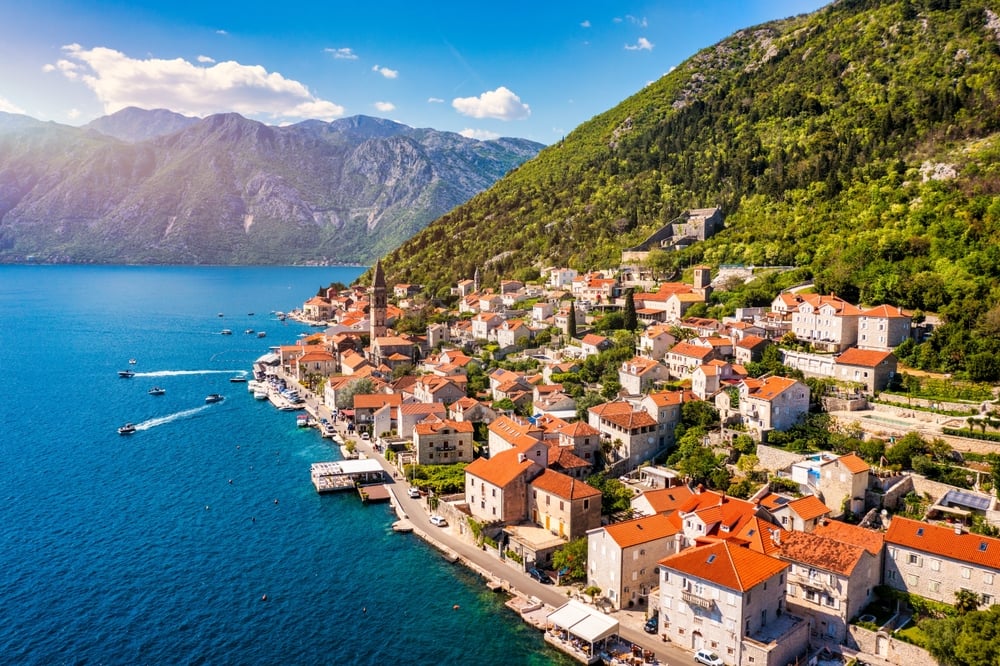
The Bay of Kotor is the obvious starting point. Mountains rise steeply around the bay, while historic settlements including Kotor and Perast provide plenty to explore away from the water.
Kotor itself can become busy when cruise ships are in port, so staying overnight rather than visiting for only a few hours can give you more flexibility. Early mornings and evenings can feel quite different from the busiest parts of the day.
Montenegro also works particularly well if you’d rather be active than spend an entire week beside the sea. Hiking, viewpoints, mountain drives and boat trips can all be incorporated into a coastal stay.
Making a beach holiday more varied
You don’t need to fill every day with excursions to get more from a beach trip. Even choosing one or two activities can change the pace of a week away.
- Spend a morning exploring a historic centre before heading to the beach.
- Take a boat trip to a nearby island or quieter swimming spot.
- Visit an archaeological site early in the day before temperatures rise.
- Plan one inland day for villages, mountains or hiking.
- Leave some days completely unplanned so the holiday still feels like a holiday.
It’s also worth packing with both sides of the trip in mind. Comfortable walking shoes can be just as useful as sandals if you’re exploring cobbled old towns or archaeological sites. Two Scots Abroad’s beach packing list covers the practical basics for days spent by the sea.
Ultimately, the appeal of destinations like Greece, Croatia, Turkey, Cyprus and Montenegro is that the beach doesn’t have to dictate the entire itinerary. You can spend plenty of time swimming and relaxing while still making room for history, food, landscapes and local culture.
For travelers who tend to get restless after a couple of uninterrupted days on a sun lounger, that balance can make a coastal holiday considerably more interesting.
