
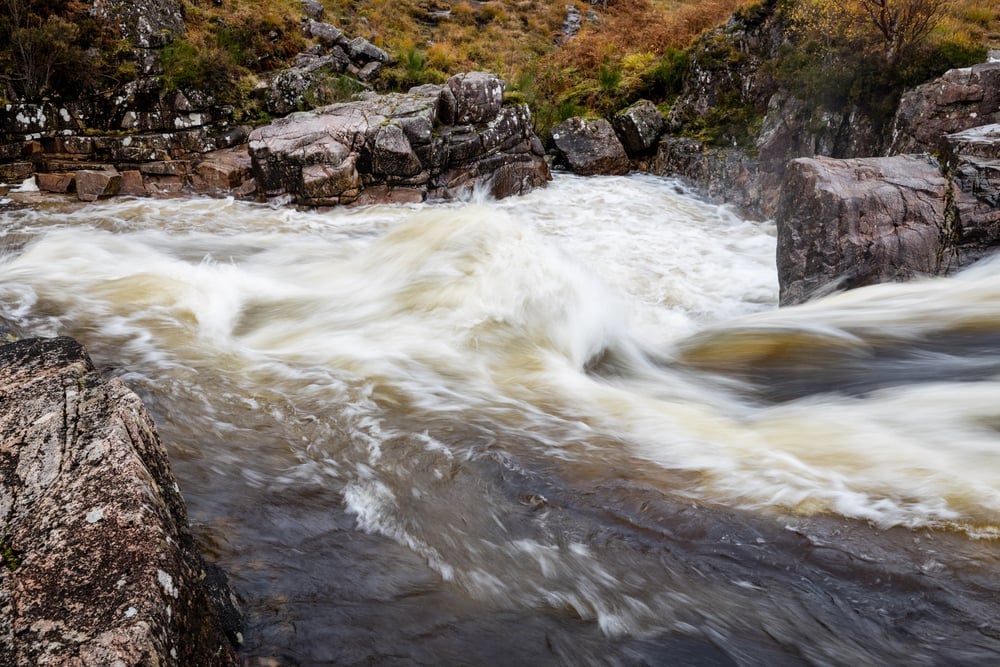
I was standing at the edge of a loch in Glencoe, congratulating myself on finally making it to one of the most dramatic landscapes in Scotland, when I noticed the cloud. Not a weather cloud. A midge cloud. Hovering at head height, moving with me, entirely unimpressed by my Smidge application from four hours earlier.
Past-me had done a lot of research before that trip. Past-me had not packed a midge net.
If you’re planning a trip to the Scottish Highlands, this is the one practical topic worth actually reading up on. Not because midges are dangerous, they’re not, but because they can genuinely ruin an otherwise brilliant day out if you’re in the wrong place at the wrong time. For a broader overview of what to expect, our complete Scotland guide covers the essentials.
Quick Answer: Where Are Midges Worst in Scotland?
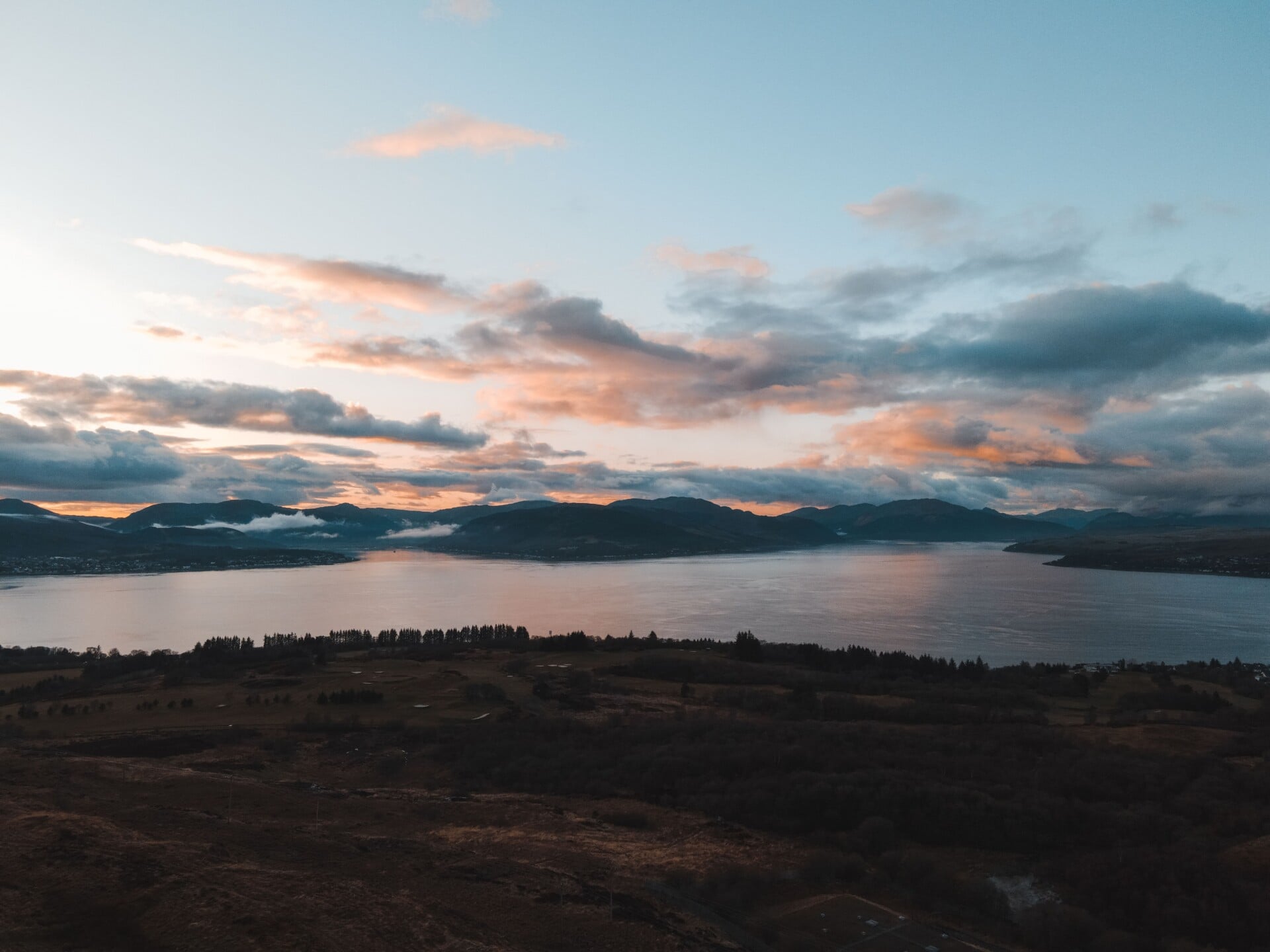
The northwest Highlands and parts of Argyll and Bute are the worst places for midges in Scotland, particularly in calm, damp and sheltered places beside lochs, woodland or boggy ground. The usual trouble spots include Glen Coe, Fort William, the Great Glen, Torridon, the Isle of Skye, Loch Lomond and The Trossachs National Park, and parts of the Cairngorms National Park.
| Area | Why it can be a midge hotspot | Best practical move |
|---|---|---|
| Argyll and Bute | Lochs, woodland and frequently damp west-coast conditions provide classic midge habitat. | Choose exposed coastal stops and avoid still evenings beside freshwater. |
| Loch Lomond and The Trossachs National Park | Woodland, sheltered loch shores and humid evenings can produce intense swarms. | Plan waterside walks earlier in the day and keep an evening indoor option. |
| Fort William and Glencoe | Highland glens can be sheltered from wind, particularly after rain. | Keep moving on walks and avoid standing in a calm glen at dusk. |
| Isle of Skye | Skye has exposed coast, but inland and sheltered locations can be very midge-prone. | Use the coast and breezy viewpoints to your advantage. |
| Cairngorms National Park | Wet woodland areas are more troublesome than open, windy upland ground. | Check conditions before choosing a low-level woodland route. |
| Perthshire | Wooded countryside and lochside ground can be uncomfortable in still, damp weather. | Save relaxed outdoor meals for breezier afternoons. |
The key distinction is not simply west versus east. A breezy Skye clifftop can be fine while a sheltered inland car park or loch shore can be brutal. Likewise, the Cairngorms are not one giant midge zone: open, higher ground is usually far less troublesome than wet woodland below.
Why the West Highlands Are So Bad for Midges
It comes down to what midges need to breed: wet soil. Scotland’s west coast and Highland interior have it in abundance: damp moss, boggy ground, and sheltered glens with minimal wind. Female midges (the ones that bite, for the record) lay eggs in wet soil, and the Western Highlands is basically a luxury midge nursery.
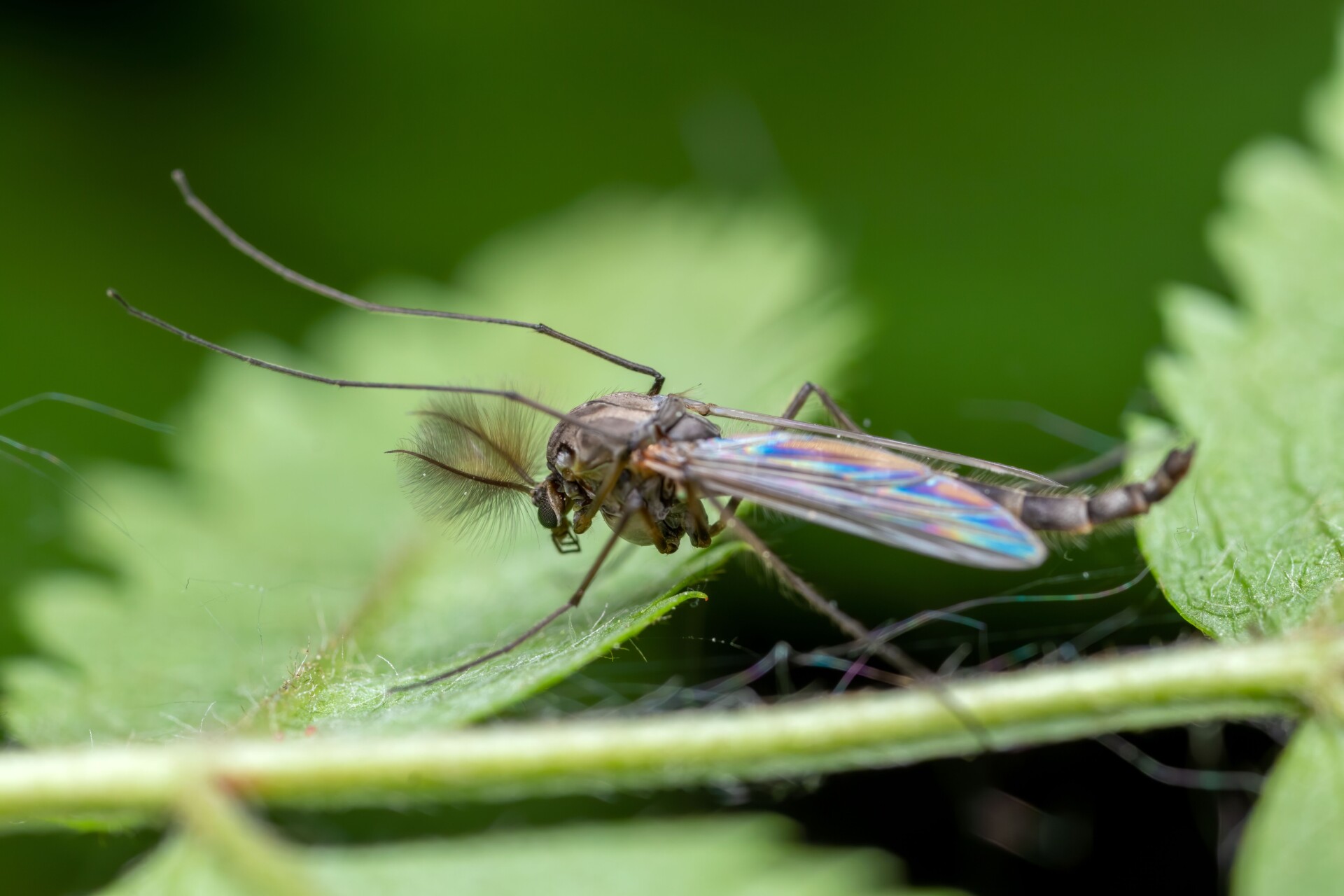
The species responsible is Culicoides impunctatus, the Highland midge. They’re tiny, around 1–3mm, usually grey, and they find you by detecting the carbon dioxide you’re breathing out. You cannot win by holding your breath. I’ve tried (briefly).
The conditions they love are specific: overcast, humid, mild, and completely still. A bright windy day? You’ll barely see one. A grey, damp evening in July with no breeze in a sheltered glen? That’s their moment.
The Worst Locations in Scotland for Midges
These are the Scottish areas where visitors are most likely to run into serious midge activity in season:
- Northwest Highlands, especially inland, sheltered areas
- Argyll and Bute
- Glen Coe and the surrounding area
- Fort William and the Great Glen
- Torridon
- Isle of Skye
- Loch Lomond and The Trossachs National Park
- Cairngorms National Park, especially wet woodland areas
- Parts of the North Coast 500 route
What all of these share: sheltered, boggy, wet Highland terrain with limited wind exposure. If a place is famous for dramatic scenery and moody weather, it’s probably also famous for midges. If you’re planning a road trip through these areas, our North Coast 500 planning tips cover logistics and timing that can help you dodge the worst of it. For the wider west-coast route, see our West Coast Scotland guide.
Midge head nets are not glamorous. They are extremely effective. Don’t be like me and leave yours at home. Pick one with fine mesh that fits over a cap or brimmed hat, so it stays off your face.
Midge Season: When Is It Actually Bad?
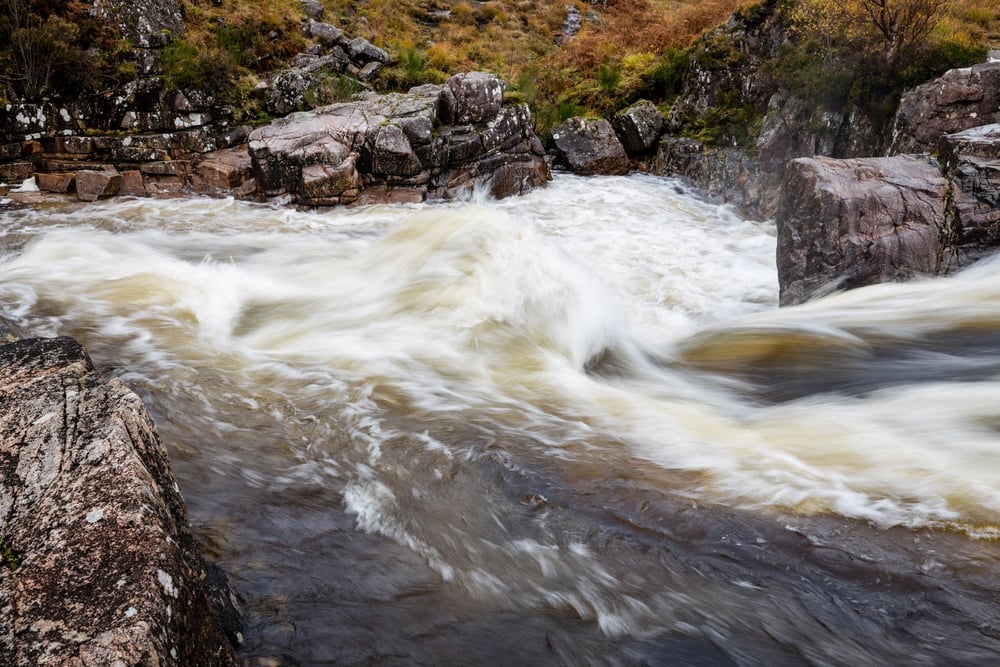
Midge season in Scotland generally runs from May to September, with peak activity usually in July and August. October through March you’re generally fine; cold conditions keep biting activity very low. The exact start and finish change with the weather, so late May and early September are not automatic get-out-of-midges-free cards.
Within a given day, midges are most active at dawn and dusk. Midday, especially if it’s sunny and breezy, is usually manageable. Plan your outdoor time accordingly.
Scotland Midge Calendar: January to December
Midge activity is concentrated in the warmer part of the year. The main season is commonly described as running from late spring into early autumn, with the strongest activity generally in July and August. Weather can shift the start, peak and finish.
| Month | Typical risk | What to expect |
|---|---|---|
| January | Very low | Cold conditions make biting midge activity unlikely. |
| February | Very low | Still well outside the usual active period. |
| March | Very low | Generally a low-risk month for midge planning. |
| April | Low | Often a good time for Highland trips if avoiding midges is a priority. |
| May | Low to moderate | Activity can begin in warmer, damp places, particularly later in the month. |
| June | Moderate to high | Numbers build, with sheltered western areas worth watching. |
| July | High | Peak-season conditions are common, especially after rain. |
| August | High | Another peak month for swarms in calm, humid weather. |
| September | Low to moderate | Numbers usually taper as temperatures drop, though early September can still be active. |
| October | Low | Risk reduces substantially as autumn conditions take hold. |
| November | Very low | Outside the normal midge season. |
| December | Very low | Not a typical midge month. |
Where to Go If You Want to Avoid Midges
Not everywhere in Scotland is a midge hellscape. The lowest-risk choices are usually the more urban, eastern and wind-exposed parts of the country:
- Edinburgh and the Central Belt
- Glasgow, Lanarkshire and Ayrshire
- Dumfries and Galloway and the Scottish Borders
- Fife, Dundee, St Andrews and the northeast coast
- Orkney and Shetland, where coastal wind is often on your side
Windy coastal regions and open, exposed areas tend to be much lower risk. Midges cannot fly well in wind, so anywhere with a consistent sea breeze is a sensible bet. St Andrews, for example, is a useful east-coast escape if your Highland itinerary has become a bit too bitey.
Higher altitude also helps. Above around 700 metres, conditions are less hospitable for them, though getting there is not necessarily the easy option. If Ben Nevis is on the plan, our Ben Nevis guide for first-time visitors covers the practical side of the walk.
Dawn, Daytime and Dusk Risk
Dawn and dusk are the periods to take most seriously. Midges are especially active in the early morning and late evening, which is why an otherwise good day can turn irritating around breakfast outdoors or a post-dinner walk.
- Dawn: High risk in calm, damp and shaded places, particularly near woodland and freshwater.
- Daytime: Often lower risk when there is sunshine, a breeze or steady movement. Still, sheltered and overcast conditions can keep them active.
- Dusk: Frequently the most frustrating time for sitting outdoors, camping, barbecues and lochside stops.
Weather That Makes Midges Worse
Midges favour still, overcast, humid and damp conditions. Rain can contribute to a stronger midge experience afterwards, particularly when the air settles and temperatures remain mild. Sheltered ground beside water, boggy areas and woodland edges are the places to be most cautious.
Wind is your friend. Even a light breeze can disrupt a swarm, so exposed coastal places and open higher ground are often more comfortable than a protected glen.
How to Survive Midges If You’re Going Anyway
You’ve booked Skye in August. Good luck. Here’s what actually helps:
Repellents:
- Smidge contains 20% Picaridin, which helps stop midges finding exposed skin. This is the one most Scottish outdoor types swear by.
- Avon Skin So Soft dry oil spray has a long-running anecdotal reputation as a midge deterrent. DEET-free.
- DEET-based repellents are also used, though they can damage certain materials. Follow the product directions.
- Lotions containing bog myrtle are also used.
Clothing and gear:
- Midge head nets. Not glamorous. Extremely effective. Don’t be like me and leave yours at home.
- Long sleeves and trousers.
- Light-coloured clothing.
Behavioural adjustments:
- Stay indoors at dawn and dusk if conditions are calm.
- Keep moving. Midges struggle to land on a moving target.
- Seek out open, breezy spots rather than sheltered hollows.
- Avoid camping near long vegetation or marshy ground.
- A small portable fan can help at a campsite.
Check local conditions: A weather forecast tells you a lot: look for wind speed, rain, humidity and evening conditions, then adjust the plan. On a still damp day, have a breezy coastal stop, a museum or a pub in reserve instead of committing to a long lochside picnic.
What About Other Biting Insects?
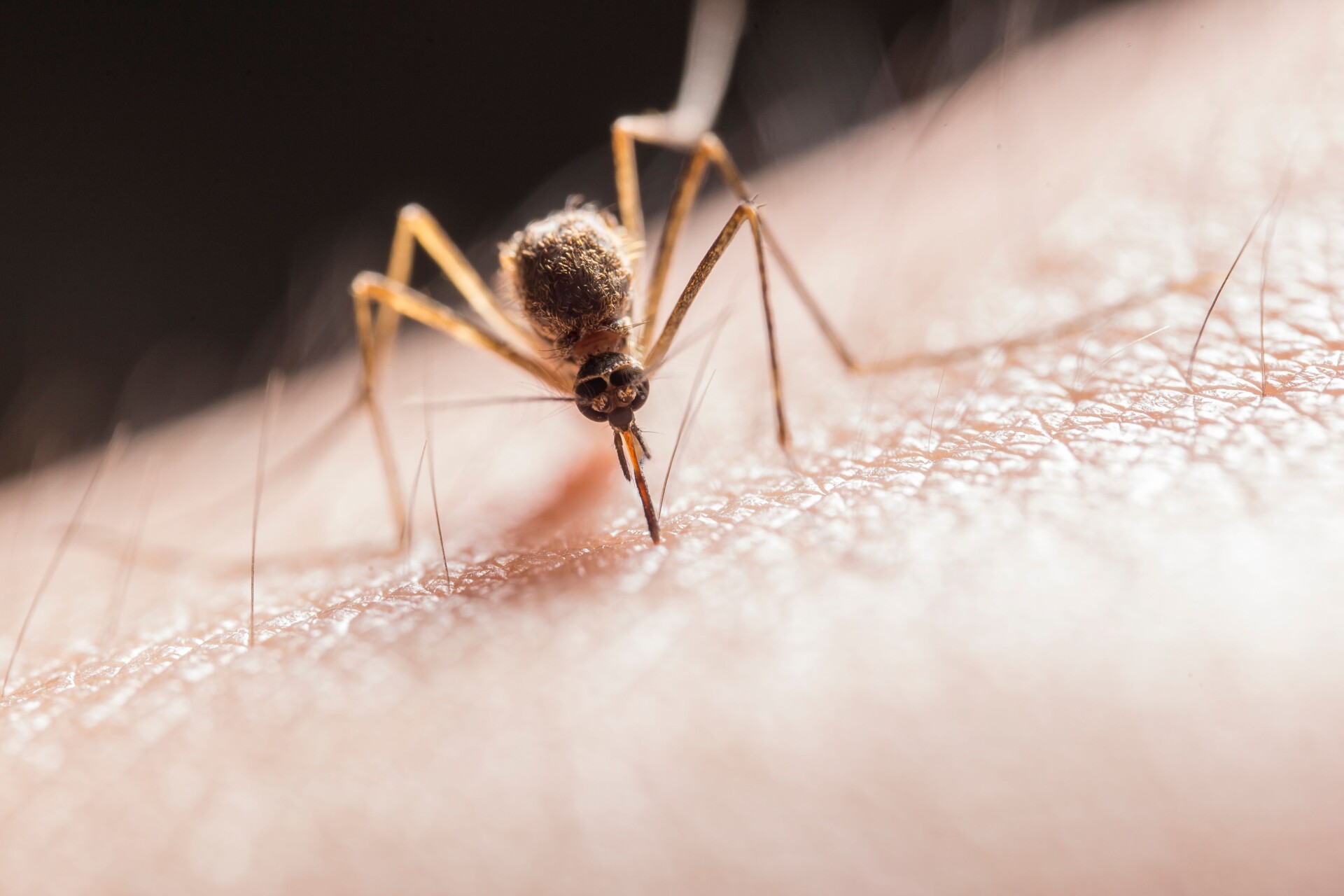
Midges get all the press, but they’re not the only thing out to get you.
Scottish clegs (horseflies) are larger, less numerous, and bite without you noticing until it’s too late. Worse bite than a midge, honestly.
Ticks are present in Highland areas too, particularly in long grass and bracken. They can carry infections including Lyme disease, so carry a tick remover on any hill walk and check yourself after. If you’re heading out on a Munro or any serious hill walk, a tick check at the end of the day should be routine.
Midge Forecast Ratings at a Glance
There is no fixed midge rating for an entire Scottish region: wind, rain, temperature, shelter and time of day can change the experience completely. But this is a useful planning shorthand.
| Risk | Areas | What to expect |
|---|---|---|
| Lower | Edinburgh, Central Belt, East Coast, Borders, exposed islands | Minimal to low midge activity is more likely, especially in breezy places. |
| Variable | Parts of Aberdeenshire, Perthshire and the Cairngorms | Risk rises around wet woodland, freshwater and sheltered ground. |
| High | Northwest Highland coasts, Argyll and Bute, sheltered Skye locations | Take precautions in season, particularly at dawn and dusk. |
| Highest | Inland northwest Highlands, sheltered glens and lochside areas | Peak midge conditions are possible in warm, humid and windless weather. |
The Honest Summary
The worst places for midges in Scotland are inland parts of the northwest Highlands, particularly around Glen Coe, Fort William, Torridon and the Great Glen, with the Isle of Skye and Argyll and Bute not far behind. July and August are generally the cruelest months. Dawn and dusk are the cruelest hours.
None of this means you shouldn’t go. These are some of the best landscapes in the country, and a midge net plus a decent repellent makes a real difference. Just don’t do what I did and assume you’ll be fine without either.
Frequently Asked Questions
What month are midges worst in Scotland?
July and August are generally the worst months for midges in Scotland. Numbers often rise from late May, build through June and begin to decline during September as temperatures fall.
Are midges bad on the Isle of Skye?
Midges can be bad on Skye in sheltered, damp and calm places, especially around dawn and dusk. Exposed coastal locations with a breeze are usually much more comfortable.
Can midges bite through clothes?
Loose, light-coloured long sleeves and trousers provide useful protection, though thin or tight fabric may not stop every bite. Covering exposed skin is especially helpful during still evening conditions.
Do Scottish midges carry disease?
The Highland midge is mainly known for causing itchy, irritating bites. The nuisance comes from swarms and skin reactions, not the disease risk associated with some mosquito species elsewhere.
Is September a good time to visit Scotland to avoid midges?
September is usually a better choice than July or August, particularly later in the month. Early September can still bring active midges in warm, damp weather, so check the weather and plan exposed outdoor stops where possible.