
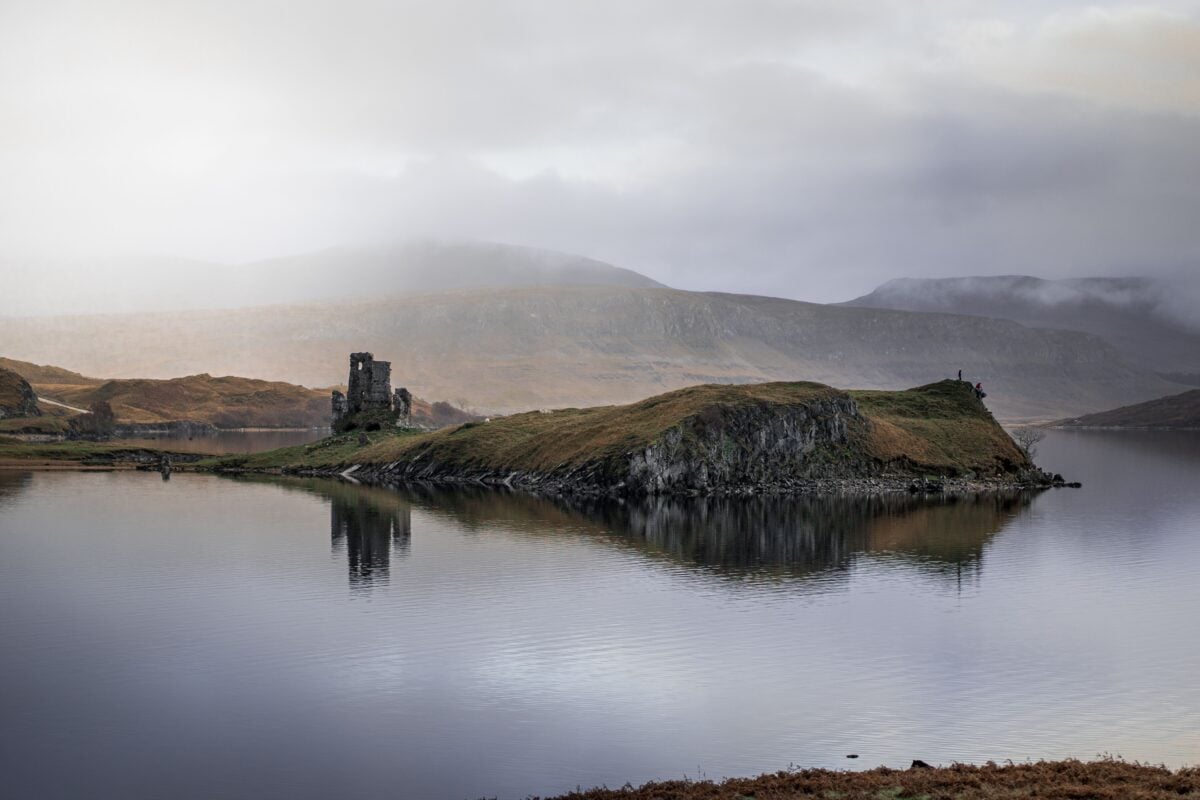
Scotland has existed as a recognisable kingdom for roughly 1,180 years, traditionally dating from AD 843. The fuller answer depends on which Scotland you mean: the land contains rocks around 3 billion years old, people arrived after the last Ice Age, and the country joined England in a political union in 1707.
So, how old is Scotland? For a quick quiz answer, say around 1,180 years old as a kingdom. For a proper answer, pull up a chair, because Scotland has several perfectly valid birthdays and none involves a cake large enough for the Highlands.
For more practical context around the country behind the dates, start with our Scotland travel guide.
The Short Answer: Scotland Has More Than One Age
Scotland’s age changes according to the subject under discussion. Geologists date parts of the Scottish landscape in billions of years. Archaeologists trace human presence back to around 12,000 BC. Historians commonly use the ninth century, and especially the traditional date of AD 843, for the emergence of the Kingdom of Scotland. Constitutional history points to 1707, when the Acts of Union created Great Britain.
| What You Mean by Scotland | Useful Date or Age | What It Describes |
|---|---|---|
| The oldest land | About 3 billion years | Some of Scotland’s oldest rocks, especially in the north-west |
| First people | About 12,000 BC | Post-Ice-Age occupation by hunter-gatherers |
| The Kingdom of Scotland | Traditionally AD 843 | The conventional starting point for a united Scottish kingdom |
| Scotland in Great Britain | 1707 | The union of the Scottish and English parliaments |
| Devolved government | 1999 | The Scottish Parliament first met after devolution |
The table explains why a single number can sound both right and incomplete. A country is a landscape, a population, a set of institutions and an identity. Those things do not arrive on the same Tuesday morning.
How Old Is Scotland as a Kingdom?
The conventional answer is that Scotland began in AD 843. That is the traditional date associated with Kenneth MacAlpin, often described in later accounts as the first king to unite the Picts and Scots.
Modern historians are cautious about treating 843 as a tidy founding day. Kingdoms developed through shifting alliances, warfare, inheritance and control of territory. The area ruled by early kings was not identical to modern Scotland, and the people involved did not all share one language or identity.
Still, the ninth century is a useful marker. The Kingdom of Alba emerged in the east and expanded over time. By the medieval period, Scotland had developed durable institutions, its own monarchy, law and political identity. That is why estimates of 1,000 to 1,200 years are the sensible shorthand for Scotland as a nation.
How Old Is Scotland’s Land?
If your question is about geology, Scotland is spectacularly old. Parts of the north-western landscape contain rocks dating to around 3 billion years ago, far older than the country’s castles, clans or human history.
Scotland’s geology also explains why the map looks so gloriously unruly. The Highlands were once connected to land that is now part of North America. Ancient continental movements, mountain-building and erosion shaped the different terrains of the Highlands, Lowlands and islands over immense spans of time.
The collision linked to the Caledonian Orogeny helped form the mountain belt that runs through present-day Scotland. Later ice sheets carved glens, lochs and sea lochs. The landscape you see around Glencoe, Skye and the Cairngorms is ancient, but it has not been sitting still politely for all those years.
A Scotland geological map is useful if you are planning a road trip around the Highlands or want to make more sense of the abrupt changes between coastal cliffs, red sandstone and rugged mountains.
William Smith 1815 geological map of England, Wales & part of Scotland (reproduction) (Folded)
When Did People First Live in Scotland?
People first occupied Scotland around 12,000 BC, during the Paleolithic era, according to the National Trust for Scotland’s historical timeline. These early groups were hunter-gatherers living in a landscape still changing after the last Ice Age.
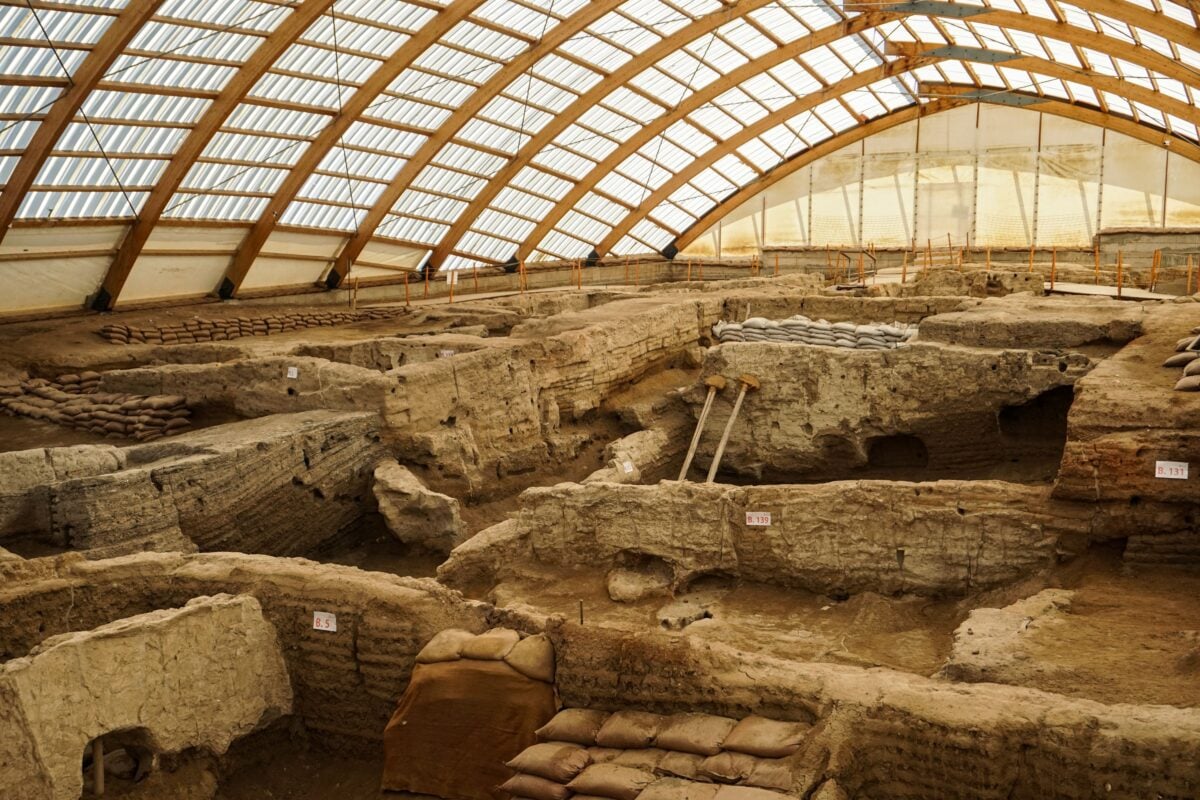
By about 4000 BC, communities in the Neolithic period were cultivating land, building more permanent homes, making pottery and constructing tombs. The survival of sites such as the Knap of Howar on Papa Westray makes this era feel less abstract. Historic Environment Scotland describes it as having been occupied around 5,000 years ago.
Jarlshof in Shetland is another excellent place to put the long timeline into perspective. The site contains more than 4,000 years of settlement, including Bronze Age houses, an Iron Age broch, Norse buildings and later homes. It is a rare reminder that Scottish history did not begin with kilts, castles or a battle scene in a film.
Did Scotland Begin With the Romans?
No. Scotland had long been inhabited before Roman forces reached Britain. Roman arrival does, however, mark the beginning of substantial written records about the peoples north of the Roman frontier.
Roman control did not extend permanently across what is now Scotland. Their northern frontier was eventually marked by Hadrian’s Wall, south of the modern Scottish border, while campaigns and forts reached further north at various times. The Roman accounts used broad labels for communities that were far more varied on the ground.
The centuries after Rome are often called early medieval Scotland. This was the period of Pictish kingdoms, Gaelic-speaking Dál Riata in western Scotland and Norse settlement in parts of the Northern and Western Isles. The country formed from these overlapping worlds, not from one single tribe appearing fully formed with a flag.
How Old Is Scotland Within the United Kingdom?
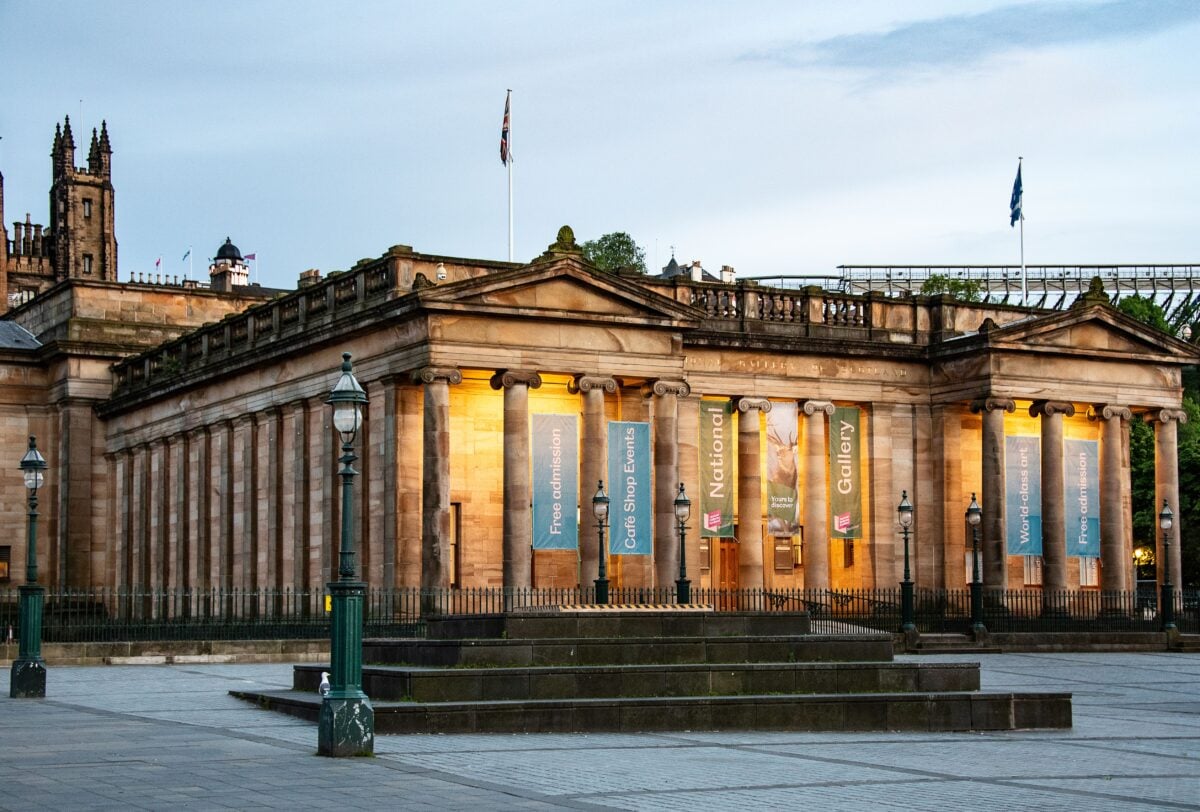
Scotland has been part of the United Kingdom’s political framework since 1707. The Acts of Union joined the parliaments of Scotland and England, creating the Kingdom of Great Britain on 1 May 1707.
Union did not erase every Scottish institution. Scotland retained its separate legal system, known as Scots law, and its distinct education system. Those continuities explain why Scotland can be both a country within the United Kingdom and a nation with deeply rooted institutions of its own.
Devolution added another important date. The Scotland Act received Royal Assent in 1998, and the Scottish Parliament first met at Holyrood in Edinburgh in 1999. It handles many domestic areas of policy, while the UK Parliament at Westminster retains responsibility for reserved matters.
A Simple Scotland Timeline
- About 3 billion years ago: Some of Scotland’s oldest rocks formed.
- About 12,000 BC: The first known people occupied Scotland after the last Ice Age.
- About 4000 BC: Neolithic farming communities began cultivating land and building permanent settlements.
- AD 843: Traditional date for the formation of a united Kingdom of Scotland under Kenneth MacAlpin.
- 1328: The Treaty of Edinburgh-Northampton recognised Scotland’s independence from England.
- 1707: The Acts of Union created Great Britain.
- 1999: The devolved Scottish Parliament first met.
Where To See Scotland’s Age for Yourself
You do not need a history degree to see the different layers of Scotland, though a good Scottish history guidebook can make a rainy train journey much more entertaining. The National Museum of Scotland on Chambers Street in Edinburgh is a sensible first stop for a broad sweep of the country’s archaeology, culture and history.

Scottish Placenames (Traditional Scotland)
For prehistoric Scotland, head north to Orkney. The Knap of Howar and Jarlshof show that island communities were building, farming and adapting to coastal life thousands of years before the medieval kingdom took shape. Historic Environment Scotland provides background for both places, including the long sequence of settlement at Jarlshof.
For the natural timescale, the North West Highlands offer the strongest sense of deep time. The road through Assynt is famous for its exposed geology and distinctive mountains, while the wider Highland landscape shows the effects of ancient rock formation and later glaciation. A visit works best when you give yourself time to stop safely and read the landscape, not simply chase the next photo point.
Planning a Scotland History Trip
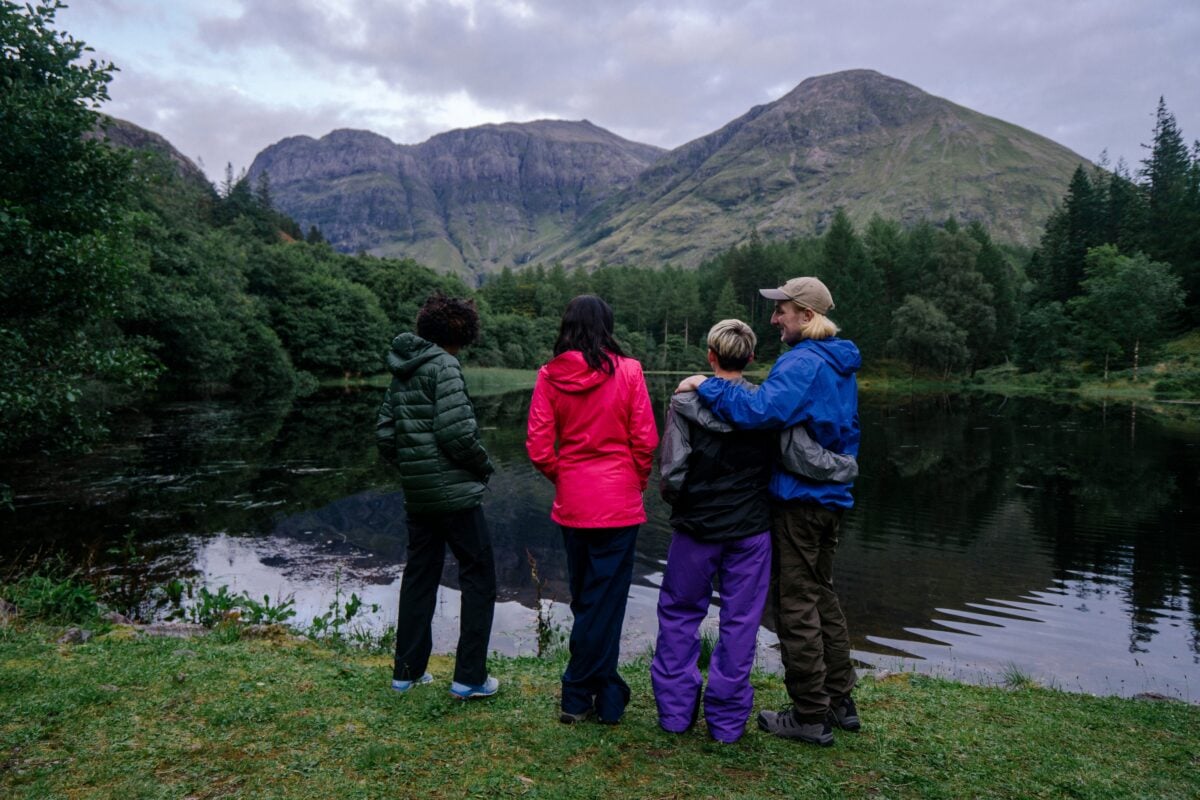
Edinburgh is the easiest base for a first history-focused visit because the National Museum of Scotland, the Scottish Parliament and many major historic streets are close together. Orkney and Shetland reward extra planning, particularly if prehistoric sites are your priority, as reaching the islands usually involves a flight or ferry connection.
For a first trip, pairing Edinburgh with a Highlands route gives you a useful contrast: national institutions and medieval history in the capital, then much older landscapes outside it. A Scotland road trip makes it easier to connect those stops at your own pace, especially if you want to include Glencoe, Assynt or the Cairngorms.
For a closer look at Scotland’s mountains, our Ben Nevis guide for first-time walkers covers the country’s highest peak, where the views come with a fair amount of weather and effort.
Frequently Asked Questions
Is Scotland older than England?
Both places have ancient landscapes and long histories of settlement. Scotland is traditionally dated as a kingdom to AD 843, while England developed through several Anglo-Saxon kingdoms before political unification in the 10th century.
How old is Scotland in 2026?
Using the traditional founding date of AD 843, Scotland is about 1,183 years old in 2026. This figure refers to Scotland as a kingdom, not to its geological age or its time within Great Britain.
When did Scotland become a country?
Scotland developed gradually as a medieval kingdom. AD 843 is the traditional date used for its formation, though historians treat the process as more complex than a single founding event.
How old are the oldest rocks in Scotland?
Some of the oldest rocks in Scotland are around 3 billion years old. They are found principally in the north-west of the country and are vastly older than human settlement.
Was Scotland ever an independent country?
Yes. Scotland was an independent kingdom before the 1707 Acts of Union. The Treaty of Edinburgh-Northampton in 1328 formally recognised Scottish independence from England.
So, What Is the Best Answer?
If someone asks how old Scotland is, say it is around 1,180 years old as a kingdom. Add that its rocks are about 3 billion years old in places, its first people arrived around 12,000 BC, and its union with England dates to 1707.
That answer gets the date right without flattening a very long, complicated and often surprising story into one number. Scotland has had plenty of time to collect a few.