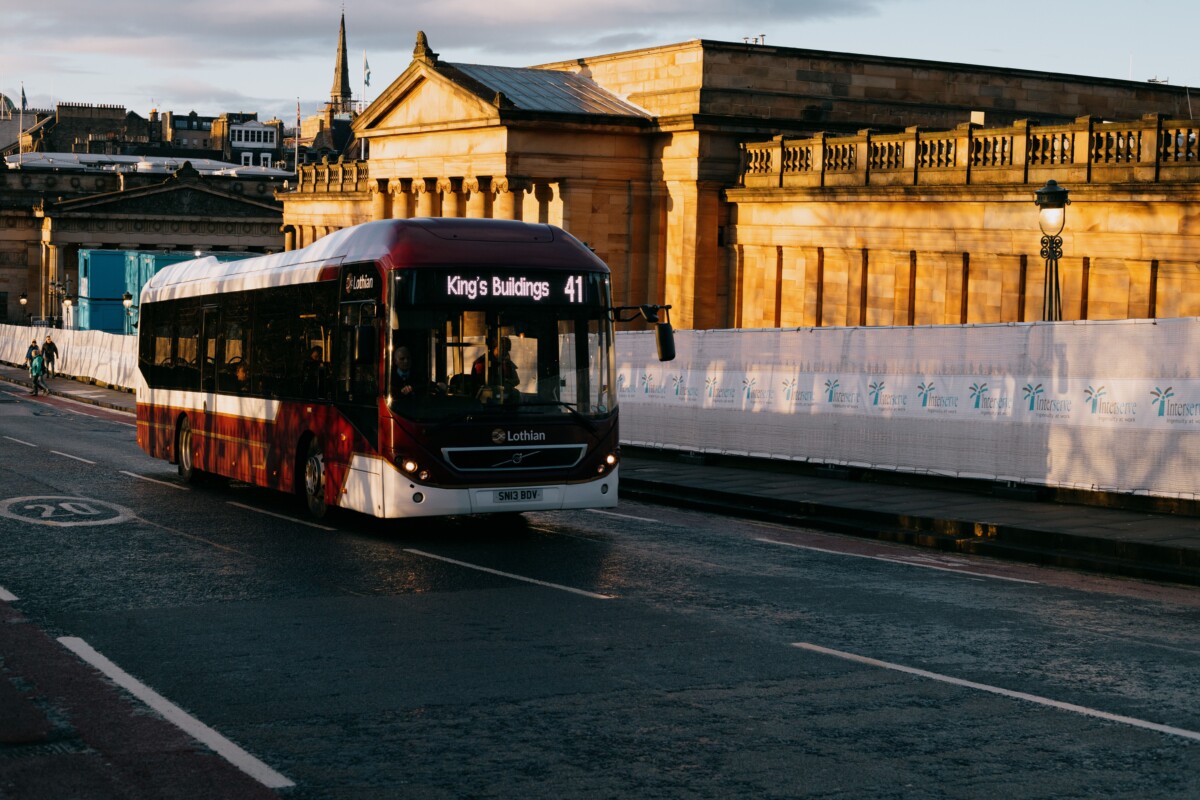
Eligible single bus journeys in Glasgow and the west of Scotland will be capped at £2 from 7 September 2026 under the expanding Scottish Government fare-cap programme. First Minister John Swinney said the rollout would cover Glasgow, Renfrewshire, Ayrshire, Dunbartonshire, Lanarkshire and Inverclyde, following the scheme’s introduction in the Highlands and Islands. The cap does not automatically apply to every ticket or every form of public transport. Travellers should check the operator running each part of their journey, confirm that the service is participating, and review any route-specific conditions before boarding.
What the £2 Bus Fare Cap Means in the West of Scotland
The programme caps the price of an eligible single bus journey at £2 when the normal fare would otherwise be higher. If the usual single fare is already below £2, passengers continue to pay the lower amount. There is no residency requirement for eligible journeys. The western rollout was announced by First Minister John Swinney as the next stage of a planned expansion beyond the Highlands and Islands. Operators participate in the programme, so exact ticketing arrangements can differ by company. The cap applies to qualifying single fares rather than day, weekly, monthly, multi-operator or multimodal tickets. Concessionary passengers who already travel free with a valid National Entitlement Card should continue using it as normal.
When Does the West of Scotland Rollout Start?
The west of Scotland rollout begins on Monday, 7 September 2026. First Bus has confirmed that eligible single journeys on its services across Glasgow and the surrounding areas will cost no more than £2 from that date. Passengers using another operator should check that company’s current fare information before travelling. Participation is operator-based, and route or ticket details may not be identical across every company serving the region.
Which Journeys Are Most Likely To Benefit?
The biggest savings will usually be on journeys where an ordinary single fare previously cost more than £2. A short journey priced below £2 should remain at the lower fare because the cap is a maximum, not a new minimum.
- Longer local journeys between suburbs, town centres and transport hubs may produce the clearest savings.
- Visitors making one-way sightseeing trips or returning from a walk may avoid a higher walk-up single fare.
- Occasional commuters who do not travel often enough to justify a pass may benefit from cheaper individual journeys.
- Families and groups should still compare individual fares with any available day, family or group products.
The cap applies per eligible journey. Changing buses normally means beginning another journey and may require another fare. Multi-operator and multimodal products such as ZoneCard, PLUSBUS and Tripper are separate products and are not converted into £2 tickets by the scheme.
Where the Scheme Has Rolled Out Elsewhere in Scotland
The original £2 Bus Fare Cap Pilot was introduced in phases across the Highlands and Islands:
- Shetland from 30 January 2026
- The Western Isles from 23 February 2026
- Orkney from 9 March 2026
- Highland, Moray and most of Argyll and Bute from 23 March 2026
Those earlier stages brought participating operators and regional transport partnerships into a publicly funded pilot designed to make bus travel more affordable and easier to understand. The Glasgow and west of Scotland rollout extends the policy to a much larger urban and suburban population. The phased structure also means passengers should not assume that the £2 cap is already universal across Scotland. The Scottish Government has committed to a national rollout, but areas outside the live pilot regions continue to follow their existing fares until further expansion is announced.
What Scottish Travellers Should Check Before Boarding
Check the company named on the timetable, journey planner or vehicle, then review that operator’s current fare information. Do not assume that a fare notice published by one operator applies to another.
- Identify the operator for every bus you expect to use.
- Confirm that the service and journey are included in the £2 cap.
- Check how that operator sells the capped fare.
- Compare singles with day, weekly or group products when making several journeys.
- Review route-specific exclusions or boundary rules before relying on the cap for a connection.
Payment arrangements can differ. For example, First Bus says its £2 single can be purchased onboard, including through Tap On, Tap Off, but the capped single will not be sold through the First Bus app. Passengers buying onboard should tell the driver their destination or follow the operator’s tap-on and tap-off instructions.
Limits of the £2 Fare Cap
The cap reduces eligible single bus fares; it does not cover trains, the Glasgow Subway or ferries. Multi-operator and multimodal tickets retain their own prices, and day, weekly and longer-term products are priced separately. Airport services should not be treated as universally excluded. First Bus specifically confirms that the Glasgow Airport Express is included, although travellers using other airport or express services should check with the relevant operator. The scheme also does not address service frequency, evening and Sunday timetables, missed connections or gaps in rural coverage. A lower fare helps with affordability, but passengers still need to confirm that a practical return service is available.
How Visitors Can Use the Cap Sensibly
Visitors can use eligible capped fares without applying or proving that they live locally. For a Glasgow-based trip, the cap may be useful for reaching neighbourhoods, transport hubs and attractions that do not justify hiring a car or purchasing an unlimited travel product. On First Bus, even an eligible single journey on the Glasgow Airport Express is capped at £2. However, a rail, Subway or ferry connection must be paid for separately unless the traveller holds another ticket covering those services. Travellers should also compare the cost of several £2 singles with the appropriate day or multi-journey ticket. The cheapest option depends on the number of journeys, the operators involved and the transport modes being used.
Because Inverclyde is part of the rollout, the cap can also make a day out down the Clyde cheaper. Our guide to things to do in Greenock covers the town, the Greenock Cut walk and the ferries from nearby Gourock.
What To Expect After 7 September
Operators may refine their passenger information after launch as the scheme settles in. Check official operator pages for current route coverage, payment instructions and ticket changes, particularly when travelling across an operator boundary. First Bus has announced several related changes from 7 September. Its standard return tickets will be withdrawn, meaning passengers making a simple return journey will generally buy two singles. Day, weekly, monthly and other longer-term First Bus tickets will remain available and may still be better value for frequent travellers. Full details appear in the operator’s September fare update. The longer-term value of the programme will depend on operator participation, continued public funding and how consistently passengers can identify eligible journeys. For now, travellers should treat it as a cap on qualifying single bus fares in participating areas rather than a universal £2 ticket for every journey in Scotland.
Frequently Asked Questions
Is Every Bus Fare in the West of Scotland Capped at £2?
No. The scheme applies to eligible single journeys operated by participating companies. Other ticket products and nonparticipating services retain their own prices.
When Does the West of Scotland £2 Fare Cap Start?
The rollout starts on Monday, 7 September 2026.
Are Return and Day Tickets Included?
No. The cap applies to eligible single journeys. Day, weekly, group and multi-journey tickets remain separate products. First Bus is withdrawing its return tickets from 7 September, although other operators may have different arrangements.
Does the Cap Include the Glasgow Airport Express?
Yes. First Bus confirms that eligible single journeys on the Glasgow Airport Express are included in its £2 fare cap.
Can Visitors to Scotland Use the £2 Bus Fare Cap?
Yes. There is no requirement to live locally. Visitors can buy an eligible single fare in the same way as other passengers.
Can I Buy the £2 Fare Through the First Bus App?
No. First Bus says the capped single is available onboard, including through Tap On, Tap Off, but is not sold through its app.
Does the £2 Cap Cover Trains, the Glasgow Subway or Ferries?
No. It is a bus-fare programme. Rail, Subway and ferry journeys follow their own fares unless they are covered by a separate multimodal ticket.