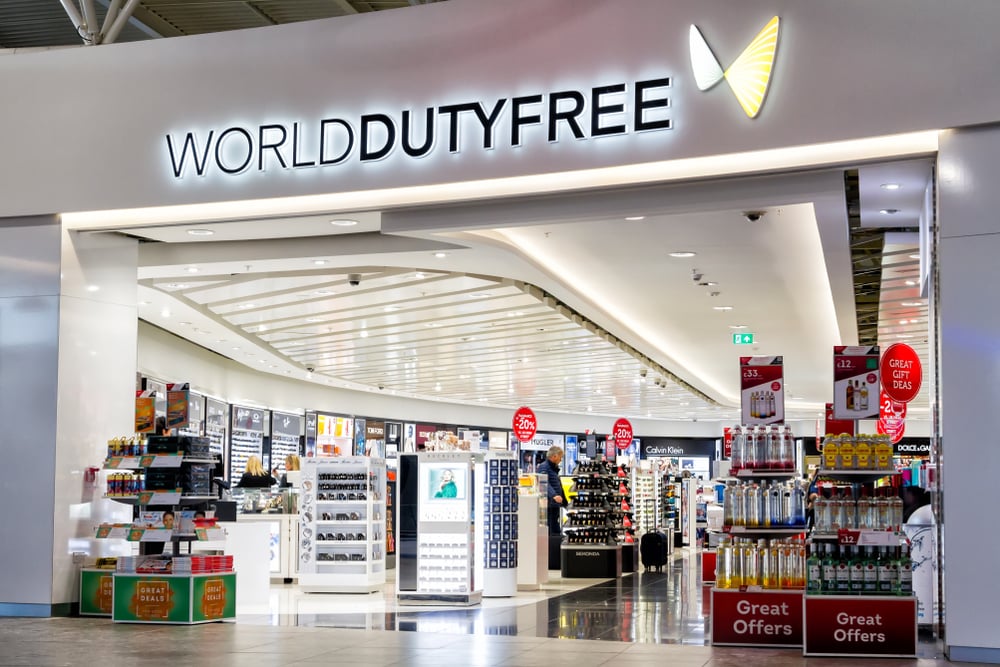
Duty-free shopping is the purchase of eligible goods without certain local taxes or customs duties being charged at the point of sale, usually when you are leaving a country on an international trip. The catch is simple: the country where you arrive can still tax the items if you exceed its allowance, fail to declare them, or break its import rules.
Airport shops make duty-free sound like a guaranteed bargain. Sometimes it is. Sometimes the price is merely dressed up in a shiny box beside the departure gate. A little comparison shopping and a clear understanding of customs rules go a long way.
For most people, duty-free is most useful for items with high taxes, such as spirits, tobacco, fragrance, and some cosmetics. It is less reliable for electronics, watches, and souvenirs, where regular retail prices may already be lower.
How Duty-Free Shopping Works
“Duty” is a tax or tariff connected to goods crossing an international border. In a normal retail transaction, a store may include sales tax, value-added tax, import duty, or other charges in the final price. A duty-free retailer can sell qualifying items without some of those charges because the goods are intended to leave that country with an eligible passenger.
You normally need an international boarding pass to complete a duty-free purchase at an airport. At San Francisco International Airport, for example, duty-free outlets are located in the international terminal area after security, and purchases are limited to people on international journeys. Domestic passengers are generally not eligible for the same tax-free transaction.
The arrangement applies to the sale in the departure country. It does not create a universal tax exemption for your destination. Customs authorities at arrival decide what may enter, how much may enter, and whether duty or tax is due.
Where You Can Find Duty-Free Stores
Airport departure areas are the places most people associate with duty-free shopping, but they are not the only option. Duty-free sales can also appear at international seaports, on passenger ships, on some flights, at railway terminals handling international routes, and at land-border crossings.
Duty Free Americas operates stores at airports and border locations, illustrating how the model extends beyond the departure lounge. The exact selection, eligibility rules, and collection process differ by location. Some airport retailers also let passengers reserve products online for collection before a flight, which can be handy when you do not want to spend boarding time hunting for a particular bottle of whisky. On a sailing, duty-free purchases may be sold onboard or held until the end of the trip, depending on the ship and itinerary; cruise ship terminology can make those announcements a little less cryptic.
What Can You Buy Duty-Free?
Selection varies by airport and country, but the familiar categories are there for a reason. At San Francisco International Airport, duty-free offerings include fragrances, cosmetics, alcoholic beverages, tobacco products, confectionery, sunglasses, watches, jewelry, handbags, and fashion goods from retailers including DFS Duty Free Galleria.
- Perfume and cosmetics: Fragrance, skincare, makeup, and gift sets can be worthwhile when a tax saving is reflected in the shelf price.
- Wine and spirits: Whisky, vodka, Champagne, and other bottles are classic airport purchases, especially when the retailer carries travel-exclusive packaging.
- Tobacco: Cigarettes and cigars may be sold duty-free, but they are heavily regulated on arrival and often subject to strict quantity limits.
- Confectionery and food gifts: Chocolates, sweets, and regional packaged foods are easy to carry, though a deal still depends on the price and destination import rules.
- Luxury accessories: Sunglasses, watches, jewelry, and handbags are widely sold, but a duty-free label alone does not prove a saving.
Does Duty-Free Actually Save Money?
Duty-free can be cheaper, but it is not automatically the lowest available price. The tax component removed at checkout is only one part of retail pricing. Airport rent, product demand, exchange rates, promotional discounts, and a brand’s recommended retail price all affect the number on the tag.
Fragrance and spirits are often sensible categories to check because local taxes can be substantial and airport stores carry recognizable products in comparable sizes. A special-edition product may be appealing, but “exclusive” refers to availability, not necessarily value.
Compare the exact product, size, and currency before buying. A 100 ml fragrance bottle is easier to compare than a flashy holiday gift set containing several miniatures. For a watch or designer accessory, check the manufacturer’s official retail price and reputable retailers in your home market before your trip. Airport shopping has a way of making five minutes before boarding feel like a financial emergency.
A Simple Duty-Free Price Check
- Check the item’s size, model, and total price, including the currency shown.
- Compare it with an ordinary retailer or the brand’s official price before travel if possible.
- Confirm the import allowance for your destination, especially for alcohol and tobacco.
- Keep the receipt until you have completed your customs declaration.
- Buy only what you can carry legally and safely through the rest of your journey.
A compact travel luggage scale can help you avoid an overweight checked-bag surprise if bottles or gift boxes are adding up before your return flight.
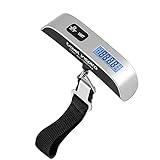
travel inspira Luggage Scale Digital Suitcase Weight Scale for Travel
Duty-Free Rules When Returning to the United States
Goods purchased in a duty-free shop are not automatically free of duty when you return to the United States. U.S. Customs and Border Protection says the duty-free status applies only in the country where the shop is located. Items can still be assessed at the U.S. border if they exceed your applicable personal exemption or are restricted.
CBP states that returning residents may have personal exemptions of $200, $800, or $1,600, depending on the circumstances of the trip. The agency also requires you to declare items acquired abroad, including gifts and alterations made to belongings you already owned.
Alcohol and tobacco deserve extra attention. CBP explains that alcohol and cigarettes that qualify for duty-free treatment may be included within a returning resident’s personal exemption, but quantity rules still apply. Federal rules generally allow one liter of alcohol to be included in a qualifying personal exemption for travelers aged 21 or older, while additional amounts may be subject to duty and tax. State laws can also limit alcohol brought into a state, even when federal customs rules allow the product to enter.
If you buy alcohol at a U.S. duty-free store before crossing into Canada or Mexico and later bring it back into the United States, CBP says it may be subject to U.S. duty and Internal Revenue Service tax. The location of the purchase counter does not erase the rules at the border you cross later. These details can be especially useful when planning a closed-loop cruise itinerary, where the departure and arrival ports may both be in the United States.
Liquids, Connections, and Carry-On Bags
Duty-free alcohol, perfume, and cosmetics are commonly sold after airport security, so they can usually be carried onto the departing flight. A sealed duty-free bag and receipt may help when you are transferring between international flights, but security procedures vary by airport and route.
A connection that requires you to clear security again can complicate duty-free liquids. If your itinerary includes a security re-screening point, check the airport and airline guidance before buying a large bottle. Placing the item in checked luggage may be the safer plan when your baggage is available during the connection. It also helps to know what TSA sees in your bag before packing bottles, electronics, and gifts around the rest of your carry-on.
Keep breakable bottles in protective packaging and allow room in your checked bag if you expect to recheck it. Duty-free shops are convenient, but they cannot negotiate with a baggage handler on behalf of a bottle of single malt.
How To Shop Duty-Free More Wisely
Start with a short list. A specific fragrance you already use, a bottle unavailable at home, or a gift that remains within your destination’s allowance are better targets than a last-minute wander through every lit display case.
Use local currency only when it produces a better final price after your card issuer’s exchange rate and any foreign-transaction costs. If a shop displays several currencies, ask which amount will actually be charged before tapping your card.
Finally, separate the pleasure of buying something nice from the claim that it was a bargain. Duty-free is a retail format with tax advantages, not a promise that every product is discounted. Buying an item you wanted at a fair price is a win. Buying three things because the gate was delayed is a different kind of airport story.
Duty-Free Shopping FAQ
Do You Have To Be Flying Internationally To Buy Duty-Free?
Usually, yes. Airport duty-free retailers typically require a valid boarding pass for an international journey because the purchase is tied to goods leaving the country.
Do I Need To Declare Duty-Free Purchases?
Yes. When entering the United States, declare goods acquired abroad, including items bought in duty-free shops. The duty-free sale does not remove the declaration requirement.
Is Duty-Free Cheaper Than Regular Stores?
Not always. Tax savings can lower the price, especially for alcohol and fragrance, but airport pricing, exchange rates, and retailer promotions can make ordinary stores cheaper.
How Much Duty-Free Alcohol Can I Bring Into the United States?
CBP rules and state laws both apply. One liter of alcohol may be included in a qualifying personal exemption for travelers aged 21 or older, while state personal-quantity rules may restrict what you can bring in.
Can I Buy Duty-Free on a Domestic Flight?
Generally, no. Duty-free shopping is designed for international travel and is normally available only to eligible passengers crossing an international border.