
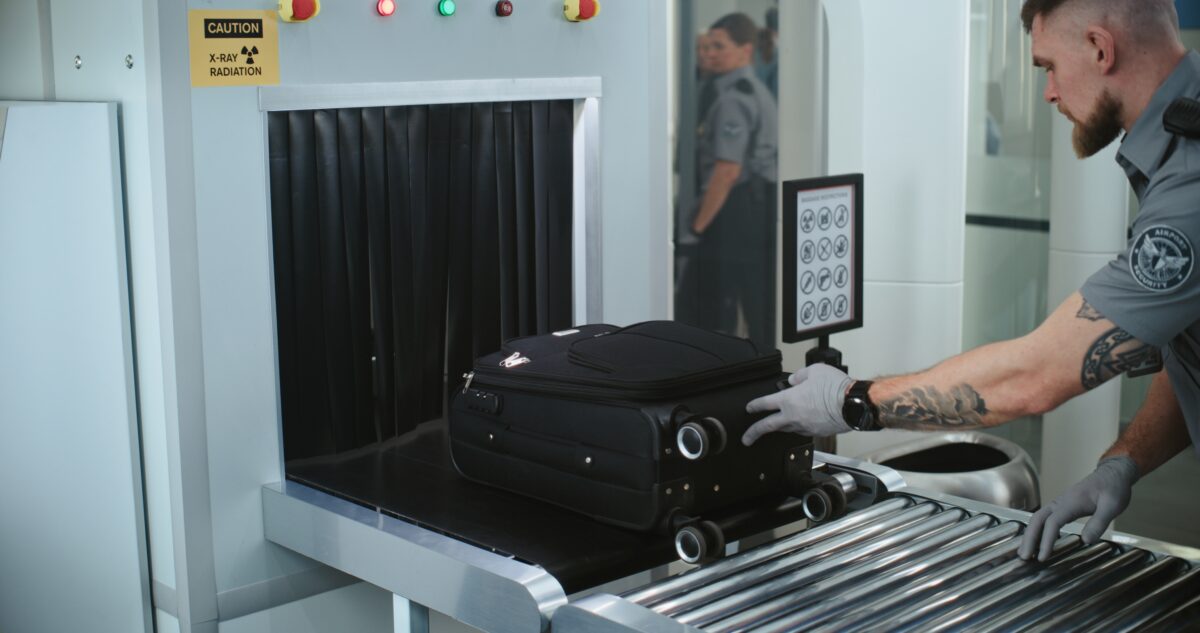
I have gone through airport security more times than I can count, and I still catch myself wondering what actually shows up on that screen when my bag disappears into the scanner. If you have ever had that same thought, here is the straight answer.
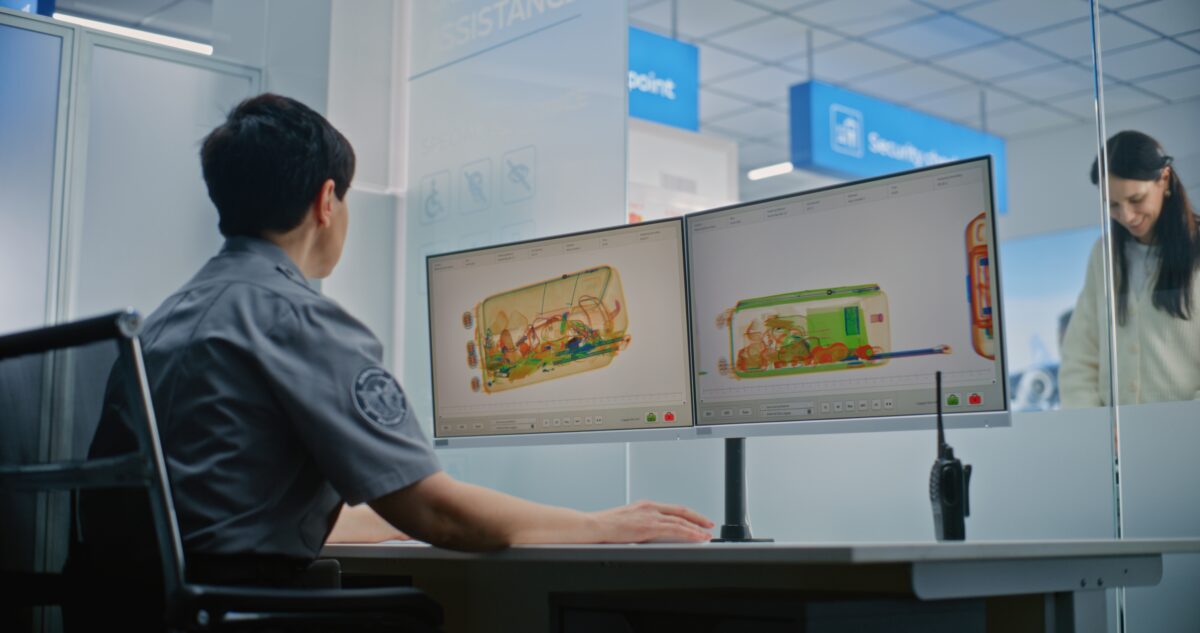
TSA officers do not see a normal photo of your belongings. They see a color-coded X-ray image that highlights materials by density, and at some airports, a 3D scan using CT technology. Organic items, metals, and mixed materials all show differently. If something cannot be cleared on-screen, your bag gets pulled for a closer look.
What TSA screeners actually see on the monitor
When your carry-on enters the scanner, it is analyzed using X-ray imaging systems. The display is not like a camera image with clear labels or branding. Instead, it translates materials into layers based on how X-rays pass through them. This allows officers to quickly assess what an object is made of and whether its shape matches expectations.
At many major US airports, the Transportation Security Administration (TSA) has introduced computed tomography (CT) scanners. These produce a rotatable 3D image of your bag. Officers can zoom in, rotate items, and even peel back layers digitally without opening your luggage. That is why in some lanes you no longer need to remove laptops or liquids, though rules still vary by airport and checkpoint.
What the colors mean on a TSA X-ray
The exact colors depend on the machine, but the system follows a consistent logic based on material density and composition.
- Orange or light shades: organic materials like food, paper, clothing, plastics
- Blue or dark shades: metals such as electronics, tools, dense components
- Green or mixed tones: a combination of materials or less dense inorganic items
This system helps officers quickly identify anything unusual. A dense object hidden inside clothing or an unexpected combination of materials will stand out, even if it is completely harmless.
How 3D CT scanners change the process
CT scanners use the same core concept as medical imaging but are adapted for baggage screening. Instead of a flat image, they generate a layered 3D model of your bag. Officers can rotate it, zoom into specific areas, and isolate items that need closer inspection.
For travelers, this often means a smoother experience. In CT-equipped lanes, electronics and liquids can sometimes stay inside your bag. However, the rollout is not universal. You might encounter different rules depending on the airport, terminal, or even which lane you are directed into.
For official guidance and updates, you can check the TSA screening information directly at tsa.gov and use their item lookup tool at tsa.gov/travel/security-screening/whatcanibring.
Why your bag gets flagged
A flagged bag does not mean you did anything wrong. In most cases, it simply means the image is unclear, obstructed, or matches a pattern that needs verification. TSA officers are trained to resolve uncertainty, not assume risk.
| Trigger | Why it gets attention | What happens next |
|---|---|---|
| Stacked electronics | Dense objects overlap and block visibility | Bag may be opened or rescanned |
| Powders or dense food | Uniform organic mass is harder to interpret | Additional screening or swab test |
| Wires and batteries | Common items but require confirmation | Closer inspection to verify normal use |
| Liquids over limits | Policy violation rather than image issue | Item may be removed or tested |
Even something simple like a tightly packed bag can trigger a check because overlapping items make it harder to read the scan clearly.
What TSA does not see
There is a lot of confusion about this. TSA officers are not looking at detailed photos of your belongings. They are not reading documents, checking brands, or examining personal details beyond what is needed for safety. The system is designed to highlight materials, shapes, and density patterns, not personal information.
How to pack so your bag clears faster
Packing with screening in mind can make a noticeable difference. The goal is to create a bag that is easy to interpret on a scanner, with minimal overlap and clear separation between items.
- Separate electronics instead of stacking them together
- Keep liquids organized and within allowed limits
- Avoid dense wrapping that blocks visibility
- Distribute heavy items rather than clustering them
These small adjustments can reduce the chance of a manual inspection and help you move through security more quickly.
Carry-on vs checked bag screening
Carry-on bags are screened in front of you, which is why you may be asked to step aside if something needs a closer look. Checked bags, on the other hand, go through a separate system using more advanced scanning technology, often with automated explosives detection.
If a checked bag needs inspection, it may be opened behind the scenes and resealed with a notice. You will not be present for that process, but the goal remains the same, confirm that the contents are safe for transport.
Common myths about TSA scanners
Some widely shared claims do not match reality. The scanners do not produce standard photos, and the colors are not random. They are part of a structured system for identifying materials quickly. Also, not every airport uses the same equipment, which is why your experience can vary from one trip to another.
Another common misconception is that newer scanners eliminate all rules. In reality, policy still applies even with advanced technology, especially for liquids and restricted items.
Bottom line and what to do next
The next time your bag goes through security, you can picture what is happening behind the scenes. TSA officers are viewing a color-coded, sometimes 3D representation of your belongings, not a detailed photograph. If your bag is packed clearly and follows current guidelines, it is far more likely to pass without delay.
Before your next trip, take a minute to review the latest TSA rules and pack with visibility in mind. It is a simple way to make the entire airport experience smoother and avoid unnecessary hold-ups at the checkpoint.
