
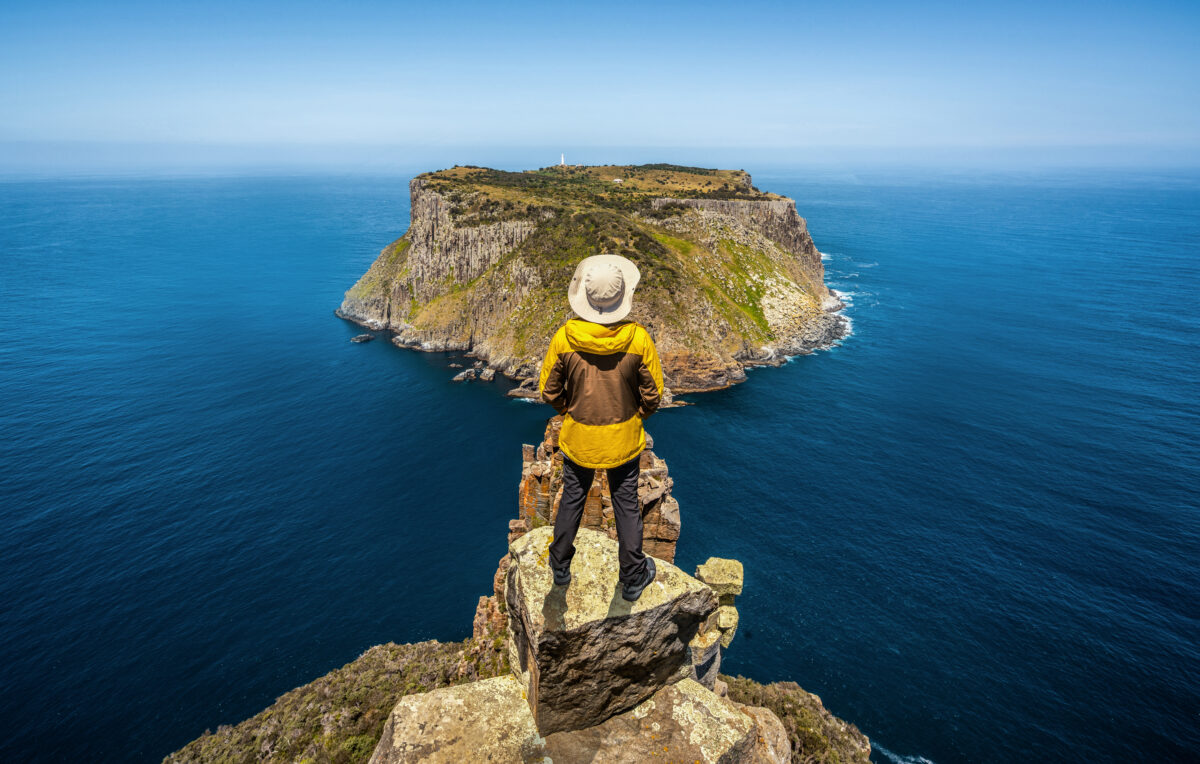
The best time to visit Tasmania is December through April for the warmest conditions, longer daylight hours and the broadest choice of outdoor activities. January and February are busiest, while March and April offer a calmer run for hiking, food and autumn colour.
Tasmania has four distinct seasons, and its weather can change sharply between the east coast, Hobart, the Central Highlands and the wet west. Pack for the activity and region, not just the month printed on your flight booking.
Summer works brilliantly for beaches and festivals. Winter suits people chasing snow-dusted mountains, fireside meals and the chance of seeing the Aurora Australis. There is no useless season here, only different levels of fleece commitment.
Best Time to Visit Tasmania at a Glance
| Season | Months | Best For | What to Expect |
|---|---|---|---|
| Summer | December to February | Beaches, festivals, lavender and long walks | Warm, generally drier days and peak demand |
| Autumn | March to May | Hiking, fagus, wine and farm produce | Calmer, crisp conditions and golden landscapes |
| Winter | June to August | Snow, truffles, oysters, whisky and auroras | Cold, clear spells, highland snow and shorter days |
| Spring | September to November | Wildflowers, waterfalls, whales and baby wildlife | Milder weather, breezes and more changeable skies |
December to April is the strongest window for people prioritising warmth and daylight. The cooler months are equally rewarding if your ideal trip includes alpine scenery, food events and quieter roads.
Summer: Best for Beaches, Festivals and Long Days
Summer, from December to February, is the classic answer to the best time to visit Tasmania. Expect sunny, warm and often dry days, with long daylight hours for beach stops, drives and walks that would feel rushed in winter.
Use the extra daylight for places such as Freycinet National Park on the east coast, Bruny Island south of Hobart and Cradle Mountain-Lake St Clair National Park in the central-west. These areas reward an early start, especially when parking and walking tracks are under their greatest pressure.
Summer is also a strong food-and-events period. Hobart’s waterfront hosts Taste of Summer in December, while Launceston’s Festivale is known for Tasmanian food, drink and music. The Cygnet Folk Festival is held in January, and February’s calendar has included the Tasmanian Wine Festival, Clarence Jazz Festival and Evandale Village Fair’s National Penny Farthing Championships. Check event listings before locking in dates, as programs can change.
The trade-off is simple: book ahead for January and February, particularly if you plan to base yourself in Hobart, around Freycinet, or near Cradle Mountain. Summer is popular for good reason, and Tasmania is not an island that benefits from casual last-minute planning during school-holiday periods. If an island break is the priority, this also overlaps neatly with the best islands to visit in December season.
Autumn: Best for Hiking, Fagus and a Slower Pace
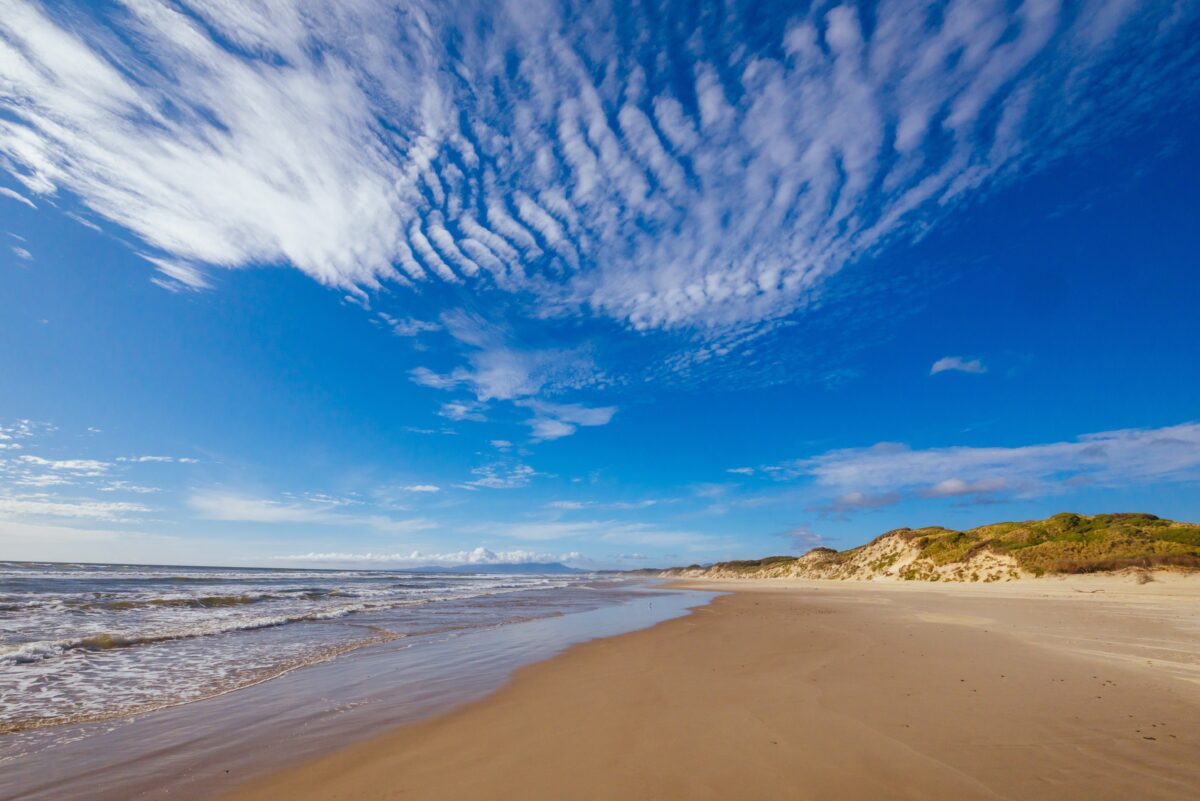
March through May is a sweet spot for people who want outdoor time without the height of summer demand. Autumn brings strong hiking conditions, wine, farm-fresh produce and the turning of fagus, Tasmania’s distinctive deciduous beech.
Mount Field National Park is a practical place to put autumn on the itinerary. Its Tarn Shelf is one of the locations associated with seasonal colour, while the wider park gives walkers access to alpine landscapes and waterfalls. Conditions can still swing quickly at elevation, so do not treat a sunny Hobart forecast as a mountain forecast.
The Tamar Valley is another sensible autumn addition for people building a food and wine-focused trip around Launceston. It pairs naturally with Festivale if your dates fall in its usual late-summer slot, though autumn itself is better suited to a less hurried cellar-door and countryside itinerary.
Autumn is often the best balance for a first visit: comfortable days, crisp evenings and lower pressure on popular routes. It is especially appealing for road trips that combine Hobart, the east coast, Launceston and national parks. March is also a smart month for anyone comparing the best national parks to visit in March with Tasmania’s cooler hiking trails.
Winter: Best for Snow, Truffles, Oysters and Dark Skies
Winter runs from June to August and changes Tasmania’s mood completely. Highland snow, winter festivals, truffles, oysters, scallops and the Aurora Australis are all good reasons to come in the cooler months.
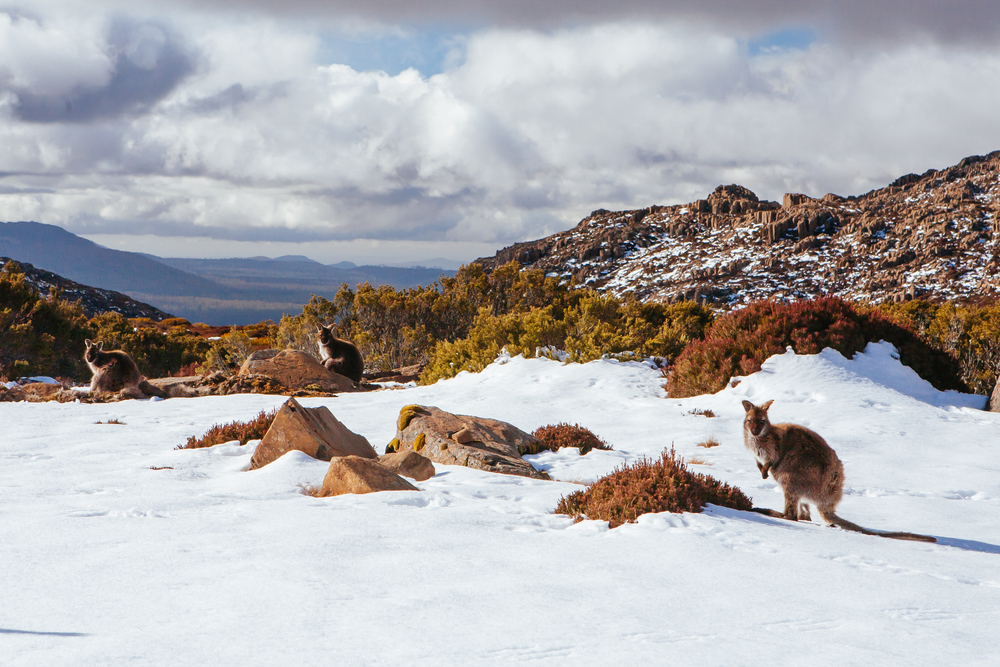
Cradle Mountain-Lake St Clair National Park is a natural winter focus, with snow-capped highlands during cold periods. This is a trip for flexible planning, warm layers and respect for weather warnings. Road and track conditions can be very different from those around Hobart or Launceston.
Winter also favours evenings with a purpose. Remote, dark locations such as Bruny Island and the Cradle Mountain area are often considered good settings for aurora watching when conditions cooperate. The Southern Lights are never guaranteed, so build the trip around Tasmania’s landscapes and food rather than a single sky event.
For packing, bring a waterproof hiking jacket that can handle wind and rain as well as a warm mid-layer. Temperatures vary significantly by season and location, while the state’s mountain and maritime climates can make a day feel colder than its forecast maximum suggests.

UIQUR Mens Rain Jacket Raincoat Waterproof Windbreaker Black L
Spring: Best for Waterfalls, Wildlife and Wildflowers
September to November is a lively, changeable season. Spring is good for wildflowers, whales, waterfalls, tulips and baby wildlife, with milder days and plenty of rainbows across the island.
Spring rain gives places such as Mount Field National Park extra appeal, especially for people who value waterfalls and green forest scenery over guaranteed beach weather. It is also a useful shoulder-season option for families who prefer attractions and short walks before the summer rush arrives.
Whale activity is another reason to consider spring, following northward migration activity in winter. Treat wildlife viewing as a bonus, not an appointment. Weather, sea conditions and animal movement set the terms. Tasmania is a particularly good option for people considering the best national parks to visit in November, when waterfalls are lively and summer crowds have not fully arrived.
How Tasmania’s Weather Changes by Region
Tasmania is compact on a map but varied on the ground. The east coast is generally drier than the west, while the Central Highlands and mountain areas are colder and can receive snow. The west and south-west are notably wetter, particularly in winter.
Rainfall varies dramatically across the state. Cradle Valley in the northwestern highlands receives far more rain than central and eastern locations, so a coast-first packing list can leave you underprepared for a Cradle Mountain or Mount Field detour.
- Hobart and the south: A good base for Bruny Island, waterfront events and winter cultural programs.
- East coast: Best suited to summer beach time and Freycinet National Park, with generally drier conditions than the west.
- Launceston and the north: Convenient for the Tamar Valley, Festivale and northern road-trip routes.
- Central Highlands and west: Plan for colder, wetter and more rapidly shifting conditions around Cradle Mountain-Lake St Clair National Park.
Planning a Tasmania Trip Around the Season
For a first trip, allow enough time to avoid turning Hobart, Freycinet, Cradle Mountain and Launceston into a sequence of windscreen photographs. Summer and autumn are the easiest seasons for a multi-stop road trip, while winter works best with a smaller number of bases and some weather flexibility.
Hobart is a logical starting point for a south and east coast itinerary, particularly if you want Bruny Island and the city’s waterfront within the same trip. A three-night stay gives room for arrival, a full Bruny Island day and time to explore Hobart before heading north.
Keep one rule in mind across every season: carry layers and check local conditions before a long walk. Tasmania’s most memorable days often include more than one kind of weather.
Frequently Asked Questions
What Is the Warmest Month in Tasmania?
January and February are Tasmania’s warmest summer months and are generally the best choices for beaches, long daylight hours and outdoor festivals. Coastal and inland temperatures still vary, and mountain areas can be much cooler.
Is Winter a Good Time to Visit Tasmania?
Yes. Winter is ideal for snow in the highlands, truffle and oyster season, winter festivals, cosy stays and longer dark hours for potential Aurora Australis viewing.
When Is Tasmania Least Crowded?
Spring and autumn usually feel less pressured than the summer peak, especially outside school-holiday periods. Winter can also be quieter, although major festival dates may lift demand in Hobart.
What Should I Pack for Tasmania?
Pack layers, a waterproof outer jacket and sturdy walking footwear for national park days. Add sun protection in summer and warmer insulating layers for winter, the Central Highlands and exposed coastal walks.
Final Take
Choose December through April if warmth, hiking, beaches and long days are your priorities. Pick winter for a more atmospheric Tasmania of snowy mountains, seasonal food and dark southern skies, or spring for waterfalls, wildlife and colourful weather that keeps a road trip interesting.
