
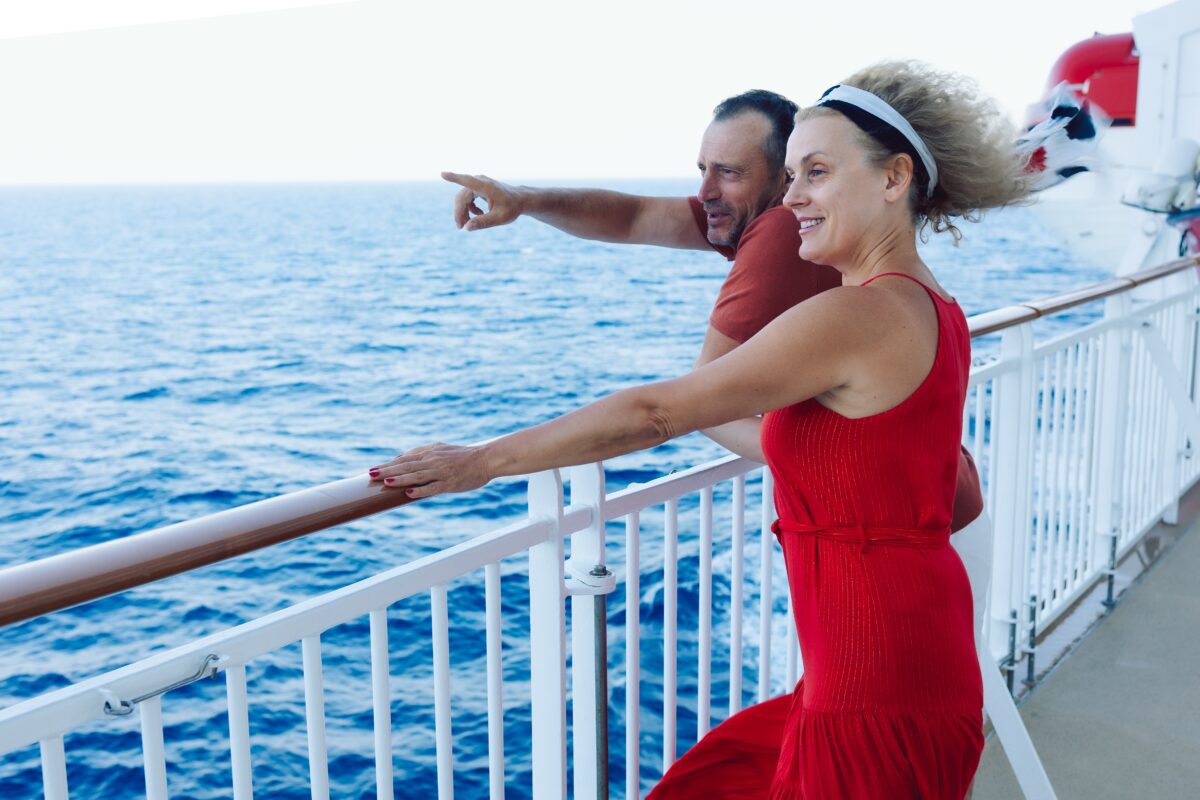
You will hear the phrase closed-loop cruise a lot when people start talking about passport rules, quick Caribbean getaways, or last-minute Alaska plans. It sounds a bit technical, but the idea is simple.
A closed-loop cruise is a sailing that starts and ends at the same U.S. port. For many U.S. citizens, that can mean easier document requirements on certain itineraries, including some cruises to the Bahamas, Mexico, Canada, Bermuda, the Caribbean, and Alaska.
The small print matters, though. Cruise documentation rules are not the place for guesswork, wishful thinking, or that one cousin who says, “I’m pretty sure a Costco card will do.” Here is what closed-loop cruises actually are, how they work, and when bringing a passport is still the best move.
What are closed-loop cruises?

We earn a commission if you buy through this link, at no extra cost to you.
A closed-loop cruise is a cruise that departs from and returns to the same U.S. port. Think round-trip Miami to Miami, Seattle to Seattle, or Galveston to Galveston.
These sailings usually visit at least one foreign port of call along the way. That is why an Alaska round-trip from Seattle often includes Vancouver, and why many Caribbean itineraries from Florida call in Mexico, the Bahamas, or other islands in the region.
For U.S. citizens, the main reason closed-loop cruises get so much attention is documentation. Under Western Hemisphere Travel Initiative rules, some travelers on these itineraries may reenter the United States using alternatives to a passport.
That does not mean every passenger can cruise without a passport. It also does not mean every itinerary in the same region qualifies. The exact route, the countries visited, the cruise line’s boarding rules, and your citizenship all matter.
How closed-loop cruises differ from other cruises
The easiest way to understand the category is to compare it with sailings that are not closed-loop.
| Cruise type | How it works | Document takeaway for U.S. citizens |
|---|---|---|
| Closed-loop cruise | Begins and ends at the same U.S. port | May allow alternative proof of citizenship and government-issued photo ID instead of a passport on qualifying itineraries |
| One-way cruise | Starts in one port and ends in a different port, such as San Diego to Miami | A passport is generally required |
| Round-trip from a non-U.S. port | Begins and ends outside the United States | A passport is generally required |
| Itinerary with destination-specific passport rules | May still start and end at the same U.S. port but includes ports that require a passport | The cruise line may require a passport before boarding |
If your cruise does not return to the same U.S. port where it began, it is not a closed-loop cruise. That is the key dividing line.
Do you need a passport for a closed-loop cruise?
In many cases, U.S. citizens on a qualifying closed-loop cruise do not need a passport. Instead, they may be able to travel with proof of citizenship plus government-issued photo identification.
Commonly accepted documents can include:
- A valid U.S. passport, which is still the easiest option
- A passport card
- An Enhanced Driver’s License issued by certain states
- A government-issued photo ID plus an original or certified copy of a birth certificate
- A Consular Report of Birth Abroad or Certificate of Naturalization in qualifying cases
Enhanced Driver’s Licenses are not available everywhere. They are currently issued by Michigan, Minnesota, New York, Vermont, and Washington, which catches some travelers off guard if they assume a Real ID and an Enhanced Driver’s License are the same thing. They are not.
Children can also sail on qualifying closed-loop cruises without a passport if they have the required citizenship documents. But if an itinerary or destination requires a passport, that rule applies to every traveler, including infants and toddlers.
For the official U.S. government rules, travelers should check U.S. Customs and Border Protection guidance on the Western Hemisphere Travel Initiative before departure.
Why a passport is still the smarter choice
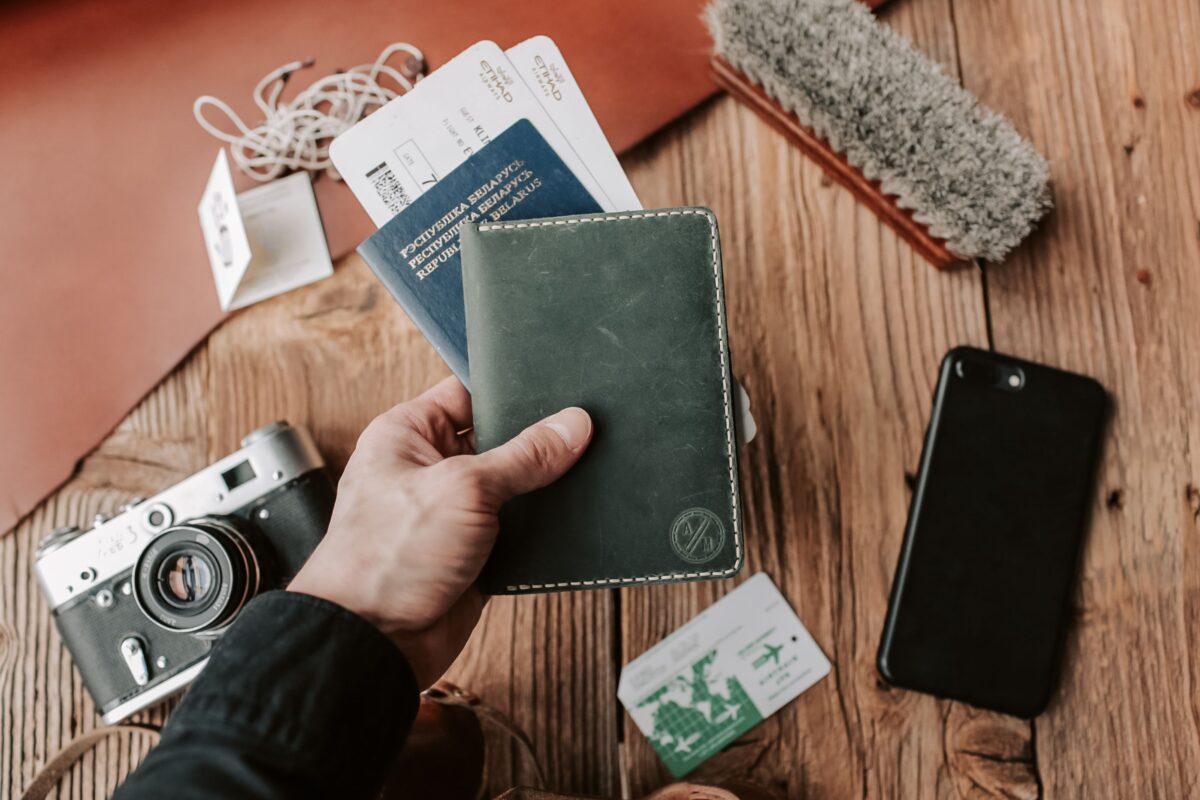
Even when a passport is not strictly required, many experienced cruisers still bring one. That is not paranoia. That is logistics.
A passport can make life much easier if:
- You miss the ship in a foreign port and need to fly to the next stop
- You have a medical emergency and need to return home unexpectedly
- Your itinerary changes because of weather, port issues, or operational disruptions
- A foreign country on the route has its own entry requirement
In other words, cruising without a passport can work. Cruising with a passport is usually less stressful. Ports are fun. Documentation surprises are not.
What destinations are common on closed-loop cruises?
Most closed-loop cruises sail within the Western Hemisphere and operate from major U.S. cruise ports. Common departure points include Miami, Port Canaveral, Fort Lauderdale, Galveston, New Orleans, Baltimore, Boston, New York, Seattle, and Los Angeles.
Popular regions include:
- The Bahamas, often on shorter sailings from Florida
- Mexico, especially from Galveston and Los Angeles
- The Caribbean, including western and eastern itineraries that return to the same U.S. port
- Bermuda, often from East Coast ports such as New York or Baltimore
- Canada and New England, often from Boston or New York
- Alaska, especially round-trip Seattle sailings that include Vancouver
Most major cruise lines operate these routes, including Carnival, Royal Caribbean, Princess, Celebrity, and Viking. If your sailing starts or ends near New York, Boston, or Baltimore, the appeal is similar to any trip where avoiding an extra flight feels like a small personal victory.
Popular examples of closed-loop cruise itineraries
Round-trip Caribbean from Miami or Fort Lauderdale
These are some of the most common closed-loop cruises in the U.S. market. A ship may leave Miami or Fort Lauderdale, call on ports in the Bahamas, Mexico, or other Caribbean destinations, then return to the same Florida port.
Why travelers like them:
- Easy flight planning if you need to fly into South Florida
- Short and long itinerary options, from quick breaks to weeklong sailings
- Strong selection of ships and cruise lines
Helpful tip: If your route includes Caribbean islands with their own passport requirements, the cruise line may require a passport even if the sailing looks closed-loop on paper. Read the cruise contract and pre-cruise document checklist carefully.
Round-trip Alaska from Seattle
This is one of the most useful examples for travelers who are surprised to learn Alaska cruises can still involve international rules. Many round-trip Alaska sailings from Seattle stop in Vancouver to satisfy itinerary requirements, then return to Seattle at the end.
Why it stands out:
- Seattle is a major cruise gateway with many seasonal Alaska departures
- The route can qualify as closed-loop when it starts and ends in Seattle
- You get Alaska scenery plus a Canadian port call
Helpful tip: An Alaska itinerary that starts in Seattle and ends in Vancouver is a different story. Once the cruise no longer returns to the same U.S. port, you should expect passport rules to tighten. If you are building extra time around the trip, pairing it with a broader coast-focused travel plan is one thing, but your cruise paperwork still needs its own close look.
Round-trip Bermuda from New York or Baltimore
Bermuda itineraries are another classic closed-loop option. These usually appeal to travelers on the East Coast who want a cruise without flying to Florida first.
What makes them different:
- Convenient departure ports for the Northeast and Mid-Atlantic
- A more port-focused feel than some hop-around Caribbean routes
- Simple round-trip planning if you can drive to the terminal
Helpful tip: Because Bermuda routes can spend meaningful time in port, they are popular with travelers who want fewer one-day-only snapshots and a bit more breathing room.
What documents should you bring on a closed-loop cruise?
Even on a qualifying sailing, bring more than the bare minimum. At check-in, “I thought my phone photo of the certificate would count” is not the sentence you want to test.
A sensible document pack includes:
- Your passport, if you have one
- Or your government-issued photo ID plus an original or certified birth certificate
- Your cruise booking documents
- Travel insurance information
- Any destination-specific paperwork required by the cruise line
Before sailing, confirm requirements with both the cruise line and the government. Start with CBP’s WHTI FAQ page and then review your cruise line’s own boarding rules. Major lines such as Celebrity Cruises and Royal Caribbean publish pre-cruise documentation guidance for guests.
Do not pack only photocopies or phone images unless the cruise line specifically says they are accepted for a particular document, because standard boarding checks typically require originals or certified copies.
Closed-loop cruise benefits
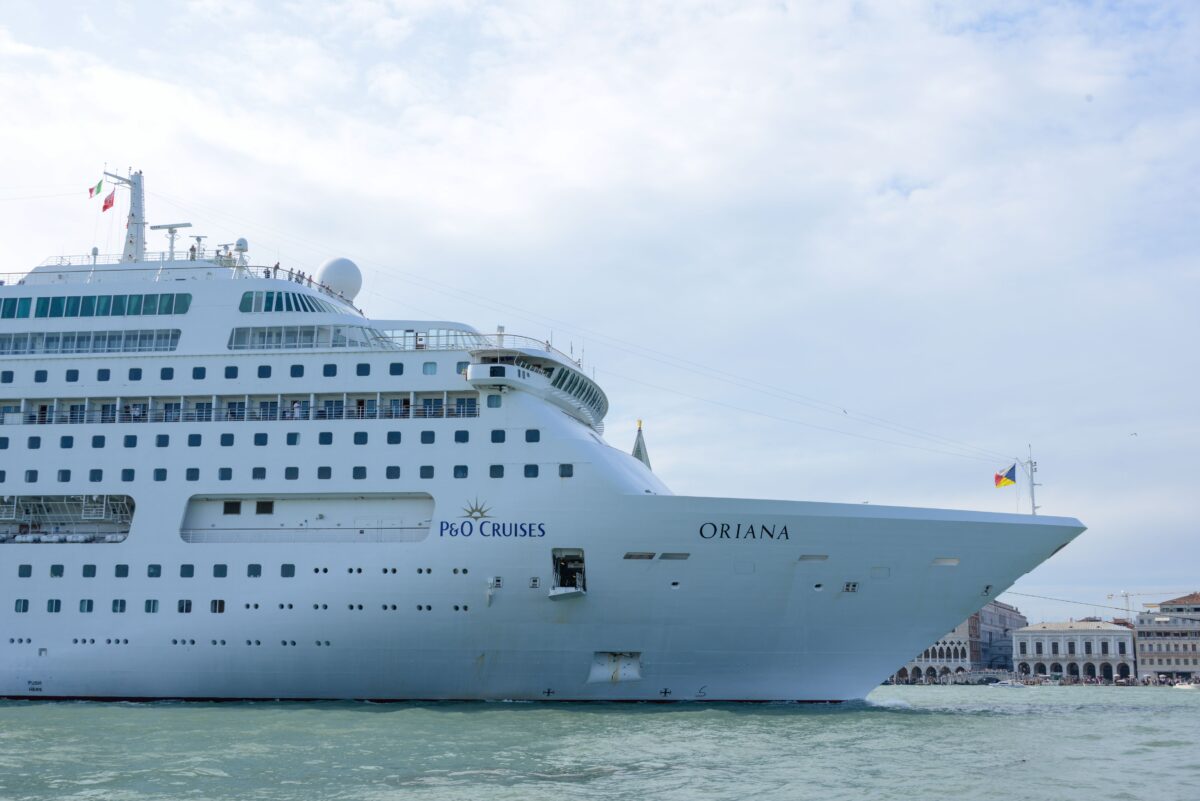
These sailings are popular for good reason. They solve a few practical problems at once.
- Simpler paperwork for some U.S. citizens, especially if a passport is expired or not yet renewed
- Easier transportation planning because you return to the same port
- Good fit for first-time cruisers who want lower-complexity travel
- Plenty of choices from large U.S. cruise hubs like Miami, Galveston, Seattle, and New York
- Convenient last-minute option when a qualifying sailing lines up with your documents
That last point matters. Closed-loop cruises are often the answer for people who realize they need a break and also realize their passport renewal plan was, shall we say, optimistic.
Closed-loop cruise drawbacks and caveats
There are still limits, and they are worth taking seriously.
- Not all round-trip cruises qualify just because they leave from the U.S.
- Destination rules can override assumptions
- A birth certificate and ID are less flexible than a passport if travel plans go sideways
- Non-U.S. citizens may face different requirements
- Cruise lines can impose stricter boarding documentation rules than travelers expect
If you are not a U.S. citizen, do not assume the closed-loop rules apply the same way. Check directly with the cruise line and the relevant government authorities for your nationality.
Another practical snag is that some travelers report the stress starts before the ship even sails. Check-in lines can move more slowly when staff need to review birth certificates, name changes, or supporting documents, especially for families with multiple minors. A passport usually speeds that up.
How to tell if your cruise is truly closed-loop
Use this quick checklist before you book:
- Does the cruise start at a U.S. port?
- Does it end at that exact same U.S. port?
- Are all visited destinations compatible with closed-loop rules for U.S. citizens?
- Does the cruise line say alternative citizenship documents are accepted for your specific itinerary?
- Have you checked official CBP guidance?
If the answer to any of those is unclear, press pause and verify it before final payment.
Final answer: what are closed-loop cruises?
Closed-loop cruises are cruises that begin and end at the same U.S. port. For many U.S. citizens, that can allow travel on certain Western Hemisphere itineraries using a government-issued photo ID and proof of citizenship instead of a passport.
They are especially common from ports such as Miami, Fort Lauderdale, Galveston, New Orleans, Seattle, Boston, Baltimore, Los Angeles, and New York, with routes to the Caribbean, Bahamas, Mexico, Bermuda, Canada, and Alaska.
The big takeaway is simple: closed-loop does not mean carefree. Always verify your itinerary, destination rules, and cruise line requirements before you pack a single flip-flop. If you have a passport, bring it. If you do not, make very sure your alternative documents are exactly what the cruise line and U.S. authorities require. And if your cruise is part of a bigger city break, planning the rest of the trip well matters too, whether that means choosing the right area to stay somewhere new or figuring out what to pack without overdoing it.