
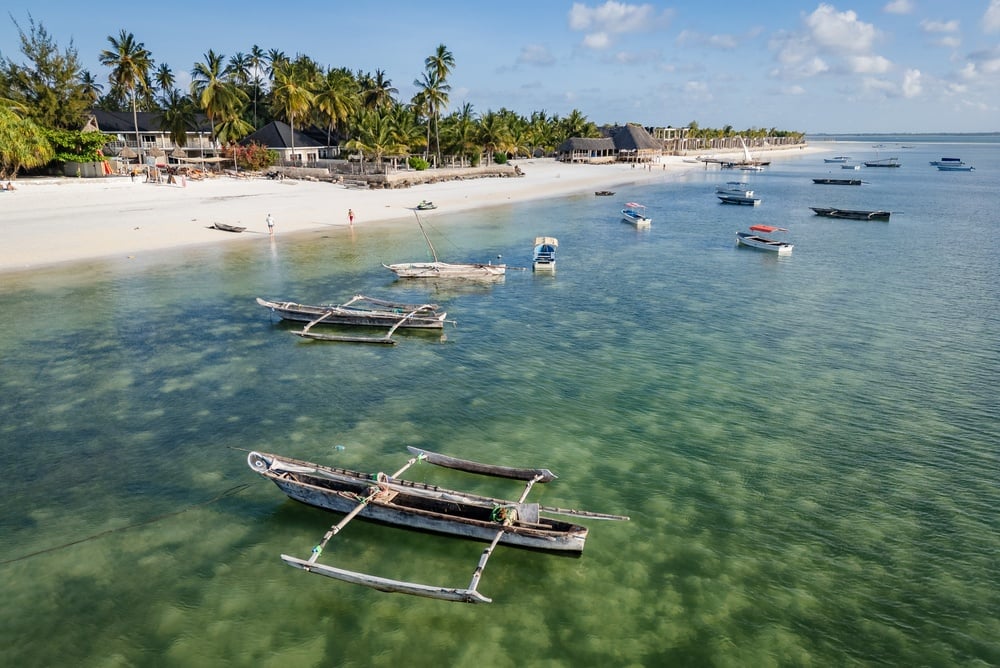
If you want Zanzibar without the crowds of Stone Town or the busy beach strips further north and south, northeast Zanzibar is worth a closer look. Matemwe and neighbouring Muyuni face Mnemba, a small private island ringed by reef, and the area around it has been a protected marine conservation area for years, which is a big part of why the snorkelling here draws people across the island.
Below you’ll find what to do on this stretch of coast, how the tides shape your days, when to go and how to get there, and where to stay in Matemwe and Muyuni.
Why Choose Northeast Zanzibar?
This part of the island is mostly fishing villages, seaweed plots and long, pale beaches backed by palms. There are resorts and guesthouses along the shore, but the villages are still working villages, and the pace is slower than in the livelier spots around the island’s northern tip.
It suits travellers who want a beach base with something to do beyond the sunlounger: reef trips, sunrise walks, a look at how the coast actually makes its living and an easy day trip inland. It’s less suited to anyone who wants to swim straight off the sand at any hour, for reasons we’ll get to.
| Area | Feel | Swimming | Good for |
|---|---|---|---|
| Matemwe and Muyuni (northeast) | Quiet, village shore | Tide-dependent lagoon | Mnemba reef trips, sunrise, slower stays |
| Northern tip | Busier, more nightlife | Less affected by tides | Swimming at most states of the tide |
| Southeast coast | Village beaches, kitesurfing | Tide-dependent lagoon | Kitesurfing, seaweed villages |
| Stone Town | Historic, urban | Not a beach base | History, food markets, a night or two |
Zanzibar is often combined with a safari on the mainland. If you’re still deciding on the bigger trip, our reasons to visit Tanzania cover Kilimanjaro, safari and the islands.

What Is There to Do in Matemwe and Muyuni?
Snorkel or Dive Around Mnemba
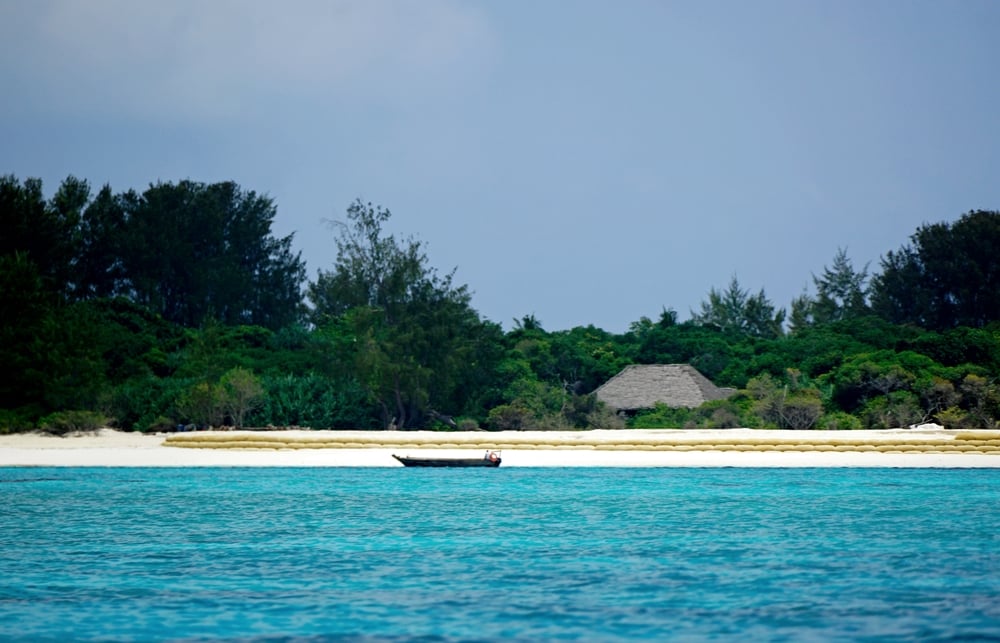
Mnemba is the reason many people choose this coast. It’s often called Mnemba Atoll, though strictly it isn’t one: an atoll encircles a lagoon, and Mnemba is a small island surrounded by reef. The island itself is private, so trips snorkel and dive on the surrounding reef rather than landing on the beach.
Boats leave from beaches along the northeast coast, and the crossing from Matemwe is short. Visibility, currents and wind change day to day, so a good operator will pick sites to suit the conditions and your experience. If you’re not a confident open-water swimmer, ask for a life jacket and a guide in the water.
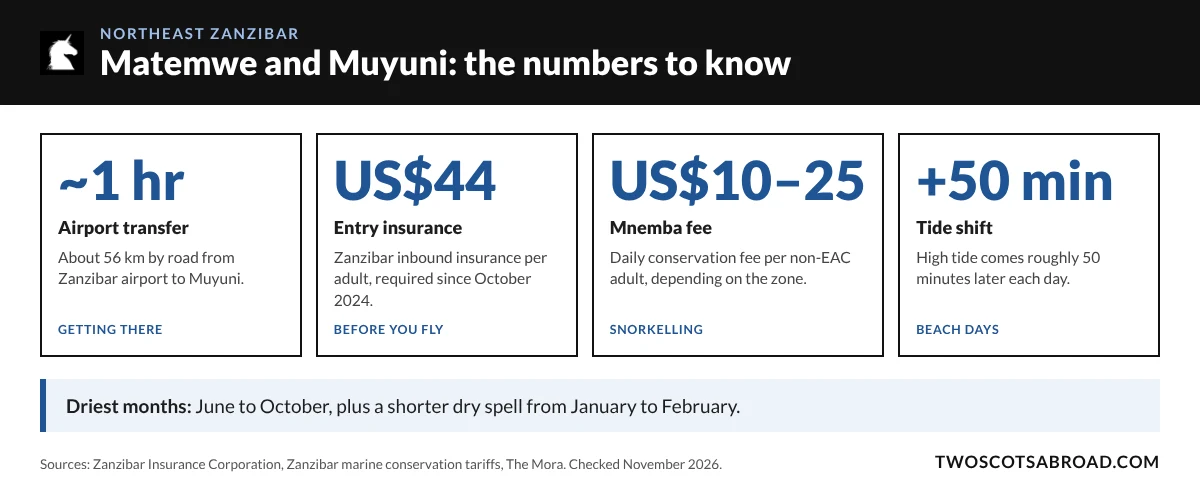
Check whether the conservation fee is included. Zanzibar’s marine conservation areas charge daily entry. Tourism Update reports that from 1 September 2025 marine conservation area fees for non-EAC adults rose to US$10 a day, while the Mnemba Island special zone kept its US$25 fee for non-EAC adults. Most tour prices include it, but it’s worth asking before you pay.
Look but don’t touch: keep your fins off the coral, don’t chase or crowd dolphins or turtles, and use reef-safe sunscreen or a rash vest instead of a thick layer of cream.
Watch the Sunrise
Matemwe faces east over the Indian Ocean, so sunrise is the main event of the day. Close to the equator, it happens at roughly the same time all year, between about 5.55am and 6.35am. It’s also when the beach is at its busiest with locals, as fishing boats head out and people walk to the shore to work, so an early walk shows you the village waking up.
Learn About Seaweed Farming
At low tide on the east coast, you’ll see lines of seaweed tied to wooden stakes in the shallows, often tended by women wading out with baskets. Seaweed has become one of Zanzibar’s main coastal livelihoods: the UN Joint SDG Fund says more than 23,000 Zanzibar seaweed farmers work across the islands, and more than 80 per cent are women.
If you want to understand it properly, look for a community-run visit where farmers explain the work in their own words. Keep to the edges of the plots when you walk the flats, and always ask before taking photographs of people at work.
Go Out With a Local Dhow
Wooden dhows and outrigger canoes are still used for fishing and transport along this coast. Some operators offer sunset sails or fishing trips. Before you book, check the boat has life jackets, ask what happens if the wind picks up, and confirm that any fishing follows local rules, particularly near the conservation area.
Take a Day Trip to Jozani Forest
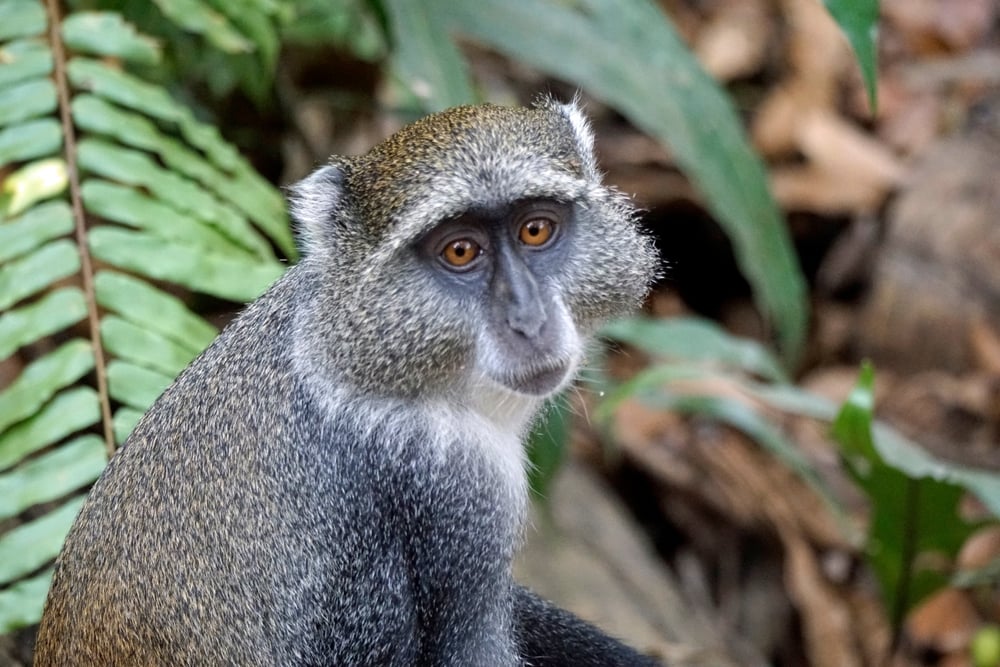
Jozani Chwaka Bay National Park sits in the south-central part of the island, so it’s a proper day trip from Matemwe rather than a quick hop. It’s known above all for the Zanzibar red colobus, which Lonely Planet describes as an endangered monkey found only on Zanzibar. Guided walks also take in the forest trails and the mangroves of Chwaka Bay.
Use a low-tide day for Jozani. On days when the lagoon in front of your room will be empty for most of the afternoon, you lose less beach time by heading inland. The planner below helps you spot those days.
How Do the Tides Work on Zanzibar’s East Coast?
This is the single most useful thing to understand before you book. The east coast sits behind a reef, with a wide, shallow lagoon between the reef and the beach. At high tide, the lagoon fills and the water is calm and warm. At low tide, it can drain almost completely: Altezza Travel notes that on parts of the east coast the seabed can be exposed for 1.5 to 2 kilometres at low water.
There are two high tides and two low tides a day, and the whole pattern moves roughly 50 minutes later each day. In practice, that means:
- Swimming works well in the couple of hours either side of high tide.
- Low tide is the time for walking the flats, rock pools and seeing the seaweed farms.
- Boat trips can depend on the tide for getting on and off the beach, so ask your operator for departure times each day.
- Water shoes are useful for coral rubble and sea urchins when the water is low.
A pool at your hotel makes a real difference on days when high tide falls early in the morning and late at night.
Here are the key figures for planning a stay at a glance:
Plan Your Days Around the Tide
Use the planner below with the first high tide from a Zanzibar tide table for your arrival date. It gives you a swim window, a time for a lagoon walk and how the tides shift across your stay.
 Northeast Zanzibar Tide Planner
The sea on the northeast coast comes and goes in a big way, so it pays to plan the day around the tide. Pick your month, find the first high tide on a Zanzibar tide table for your date and choose what you want to do. The planner gives you swim and lagoon-walk windows and how the times shift over the next few days.
Your tide windows
How the days shift
Plan around it
When Is a Good Time to Visit Northeast Zanzibar?
Expert Africa describes Zanzibar’s weather and seasons as a long dry season from June to October, short rains in November and December, a shorter dry spell in January and February, and the long rains from March to May.
| Months | Season | What to expect |
|---|---|---|
| June to October | Long dry season | Clear, breezy days; a popular time, so book boats and rooms ahead |
| November to December | Short rains | Brief, sometimes heavy showers with sunshine in between |
| January to February | Short dry season | Hot and humid, generally good beach weather |
| March to May | Long rains | Heavy downpours; some boat trips may be cancelled |
Wind and sea conditions matter as much as rain for reef trips, so leave a spare day in your plans in case a boat trip is moved. If you’re travelling over Christmas, our list of warm places to visit in December has more ideas for winter sun.
How Do You Get to Matemwe From the Airport?
Most visitors fly into Abeid Amani Karume International Airport near Zanzibar City. From there, it’s around an hour by road to Matemwe and Muyuni, depending on traffic and exactly where you’re staying. Most hotels arrange transfers, which is the simplest option if you land after dark.
Sort out two things before you fly:
- Visa: GOV.UK says British travellers need a tourist visa to enter Tanzania, which includes Zanzibar. Check the current rules and fees before you travel.
- Zanzibar insurance: since 1 October 2024, the Zanzibar government has required inbound travel insurance from the Zanzibar Insurance Corporation for foreign visitors. It costs US$44 per adult and covers up to 92 days. It’s required even if you have your own travel insurance, so buy it through the official ZIC website and keep your own policy as well.
For day trips, agree transport times in advance and allow more time than the map suggests, as the roads across the island can be slow.
Where Should You Stay in Matemwe and Muyuni?
Accommodation along this coast ranges from small guesthouses in the villages to larger resorts on the beach. When you compare them, think about three things: how close you are to the boat departure points for Mnemba, whether there’s a pool for low-tide days, and how flexible the hotel is with meal times and early starts.
At the upper end, The Mora, a luxury hotel in Matemwe sits on ten hectares of beachfront at Muyuni Beach. The hotel lists 250 suites, ranging from junior suites to suites with private pools, and runs on an all-inclusive basis with several restaurants and six pools. It says Mnemba is a five-minute boat ride away and includes snorkelling equipment, with diving available at extra cost.
The approach at The Mora is built around flexibility, with round-the-clock dining and activities you can fit around the tide rather than a fixed timetable. That’s handy on a coast where an early boat departure one day can become a late-morning swim the next. As with any resort, check what’s included in your rate, how transfers work and which activities cost extra before you book.
If you’re still weighing up beach destinations across the continent, our guide to beaches in Africa and what each is good for puts Zanzibar alongside a few alternatives.
Northeast Zanzibar FAQ
Is Matemwe good for swimming?
It’s good at the right time. The lagoon in front of the beach is shallow and calm around high tide, but it can drain a long way at low tide. Plan swims for the couple of hours either side of high tide, or stay somewhere with a pool.
Can you visit Mnemba Island?
Mnemba Island is private, so day trips snorkel and dive on the reef around it rather than landing. Check whether the daily conservation fee is included in your trip price.
How far is Matemwe from Zanzibar airport?
Around an hour by road, depending on traffic and where on the coast you’re staying.
Do I need special insurance for Zanzibar?
Yes. Foreign visitors need the Zanzibar Insurance Corporation’s inbound travel insurance, which costs US$44 per adult and covers up to 92 days. Keep your own travel insurance too.
Is Jozani Forest worth the trip from the northeast coast?
If you want to see the endangered Zanzibar red colobus and the mangroves of Chwaka Bay, yes. Allow most of a day, and pick a low-tide day so you miss less time in the lagoon.
Plan Around the Tide and Take It Slowly
Northeast Zanzibar rewards a slower kind of trip. Check the tide table each evening, book your Mnemba trip for a calm day, get up for at least one sunrise and give yourself time to see how the villages along the shore actually work.
Do that, and the empty lagoon at low tide becomes part of the experience rather than a disappointment.