
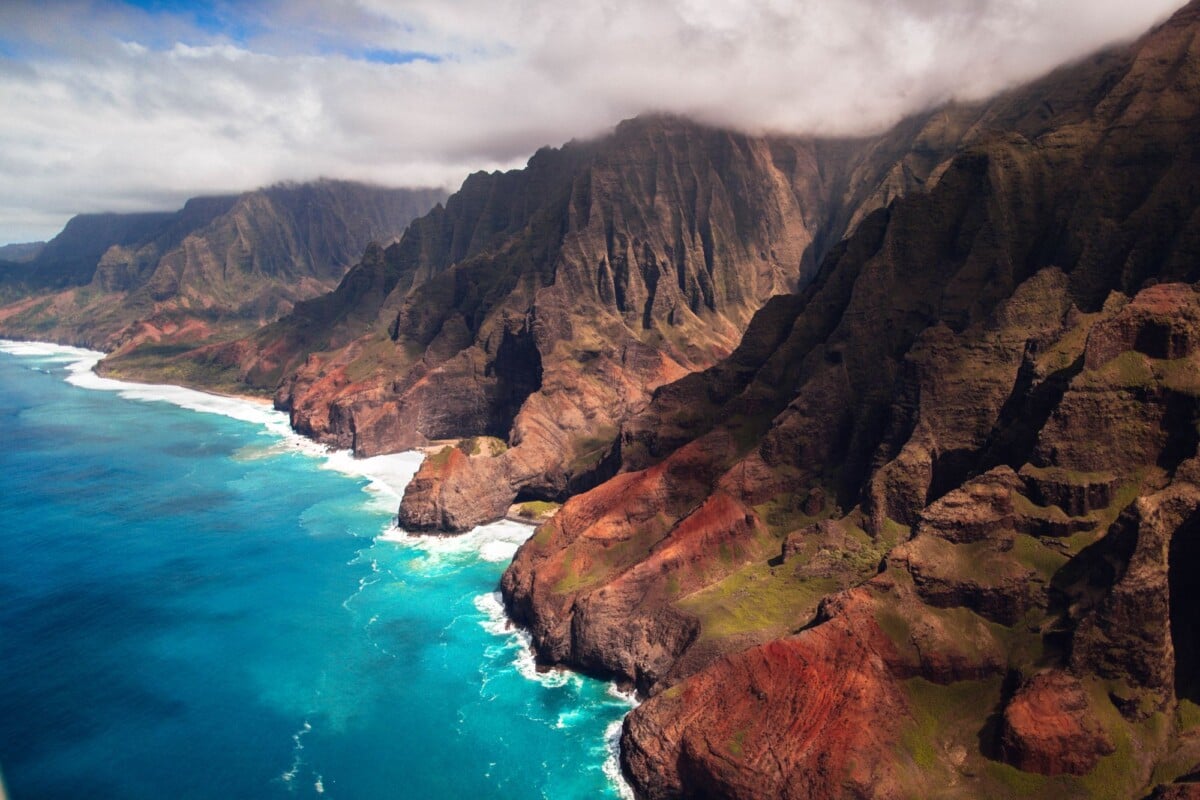
Kauai helicopter tours are the most practical way to see parts of the Nā Pali Coast, Mount Waiʻaleʻale and interior waterfalls that have no road access. This comparison covers the main published sightseeing routes, likely price bands, aircraft layouts, passenger restrictions and the safety questions worth asking before you book.
Most tours leave from Lihue Airport and fly for about 45 to 65 minutes. Routes overlap heavily because the island’s headline scenery sits in the wet, mountainous north-west and centre, so the meaningful differences are usually doors on or open-door flying, aircraft size, seat assignment, weight rules and the cancellation policy.
| Operator | Typical Published Route | Aircraft and Cabin Style | Best For |
|---|---|---|---|
| Blue Hawaiian Helicopters | Nā Pali Coast, Waimea Canyon, Hanapēpē Valley and Mount Waiʻaleʻale area | Doors-on Eco-Star cabin | Travellers who prefer a larger, enclosed cabin and broad island overview |
| Safari Helicopters | Waterfalls, Waimea Canyon, Nā Pali Coast and central Kauai | Enclosed helicopter sightseeing flight | Classic full-island route with an emphasis on waterfalls |
| Jack Harter Helicopters | Nā Pali Coast, Waimea Canyon, Mount Waiʻaleʻale and valleys | Tour-dependent enclosed or open-door seating | Couples and photographers who specifically want an open-door option |
| Mauna Loa Helicopters | Island highlights, waterfalls, canyon and coast | Smaller-tour helicopter options | Travellers comparing group size and flight format |
Published fares, taxes, fuel surcharges and seat fees can change quickly. For most standard Kauai sightseeing flights, plan on roughly US$350 to US$500 or more per person before optional upgrades, then check the operator’s live booking page for the actual date and time. Front-seat requests, open-door flights and private charters usually cost more.
Kauai Helicopter Tour Routes: What You Will Actually See

A full-island flight usually combines four areas: the Nā Pali Coast, Waimea Canyon, the central Mount Waiʻaleʻale region and south-west valleys near Hanapēpē. Clouds, rain and air-traffic instructions can alter the order or exclude a section on the day. No operator can promise every landmark in island weather.
Nā Pali Coast and Honopū Valley
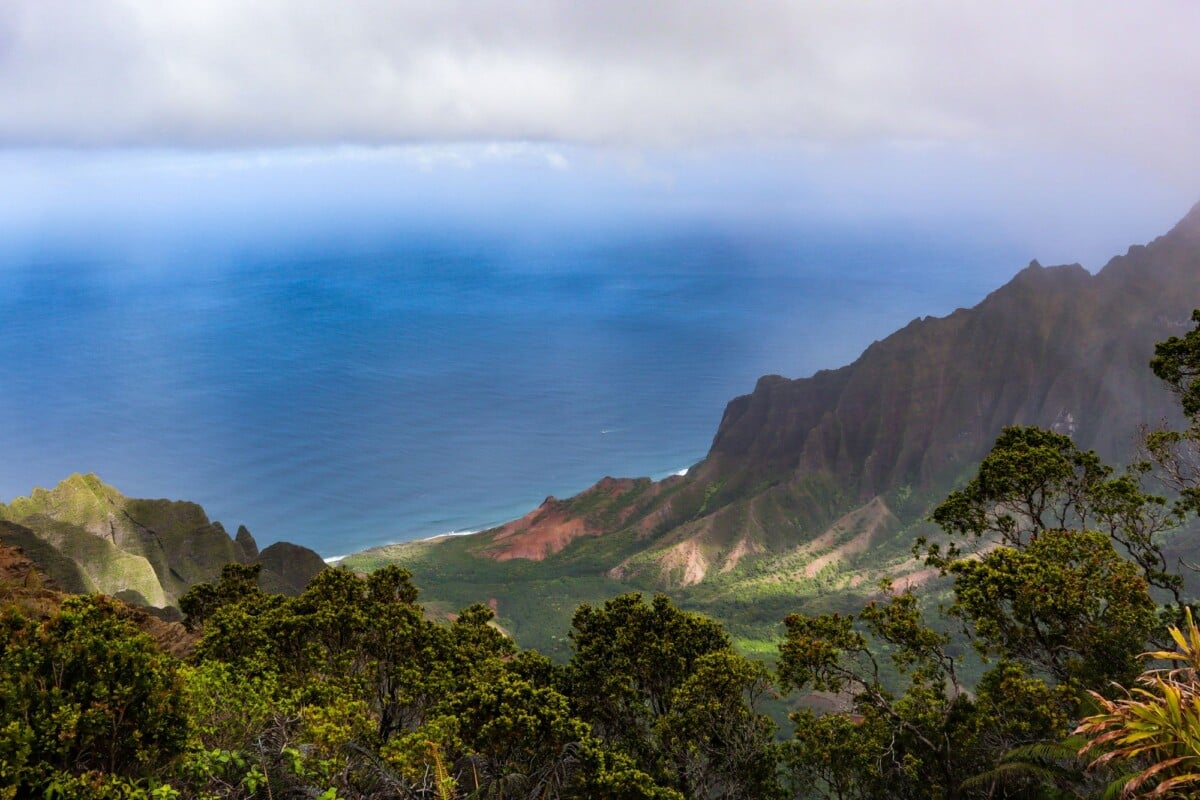
The north-west coast is the main reason many holidaymakers choose a helicopter. Its sea cliffs, hanging valleys and remote beaches are difficult to see together from land. Boat trips can show the coast at sea level, but helicopters give a higher perspective and may reach valleys that are unavailable on a coastal road.
Honopū is particularly associated with aerial Kauai sightseeing. Operators may refer to the valley as part of a route description, though the precise track depends on conditions and aviation requirements. Treat named sights as planned highlights, not guarantees.
Waimea Canyon and the West Side
Waimea Canyon gives a very different view: dry, red and green ridges rather than coastal cliffs. It is possible to see parts of the canyon by car, so a helicopter adds most value when you want to combine it with the inaccessible interior and Nā Pali Coast in one outing.
If a flight is outside your budget, the Nualolo and Awaawapuhi Trail loop is a land-based alternative for fit hikers seeking a high coastal viewpoint. It does not replace an aerial route and requires proper preparation, time and suitable conditions.
Mount Waiʻaleʻale and the Waterfall Country

Mount Waiʻaleʻale is one of the wettest locations on Earth, and its steep, rain-fed interior is the part of Kauai that often makes a helicopter flight feel most distinct from a driving itinerary. Low cloud can also obscure it completely. A pilot may use a different valley or turn back if visibility is poor.
Morning flights are often a sensible starting point because cloud can build later in the day, although weather is never predictable enough to make this a guarantee. Keep the flight early in your itinerary if you can, so a weather cancellation has room to be rebooked.
How Kauai Helicopter Tour Costs Compare
The advertised ticket price is only one part of the cost. Compare the flight duration shown at booking, the operator’s stated check-in time, taxes and fees, seat-selection charges, weight-related charges and the refund terms before deciding that one tour is cheaper.
- Standard shared flights: usually the lowest-priced way to fly, with several passengers sharing the cabin.
- Open-door flights: commonly command a premium because availability is limited and the aircraft setup differs.
- Preferred or front seating: may carry an additional charge where the operator offers it. The pilot controls the final seating arrangement for weight and balance.
- Private charters: suit groups with a fixed budget and specific priorities, though the headline total can be high.
- Weight policies: can affect the final fare or require an extra adjacent seat, especially for smaller aircraft.
Ask for the all-in total before payment. A low advertised fare can be less useful when it excludes taxes or applies only to limited departures. The same logic applies across activities: our guide to calculating the real cost of a trip can help you compare booking costs without getting caught by the small print.
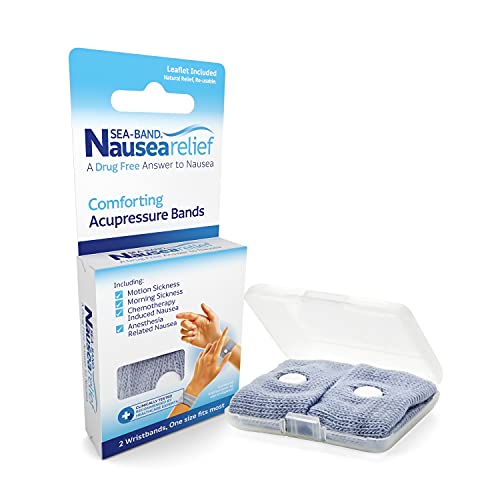
We earn a commission if you buy through this link, at no extra cost to you.
Doors On vs Open-Door Kauai Helicopter Tours
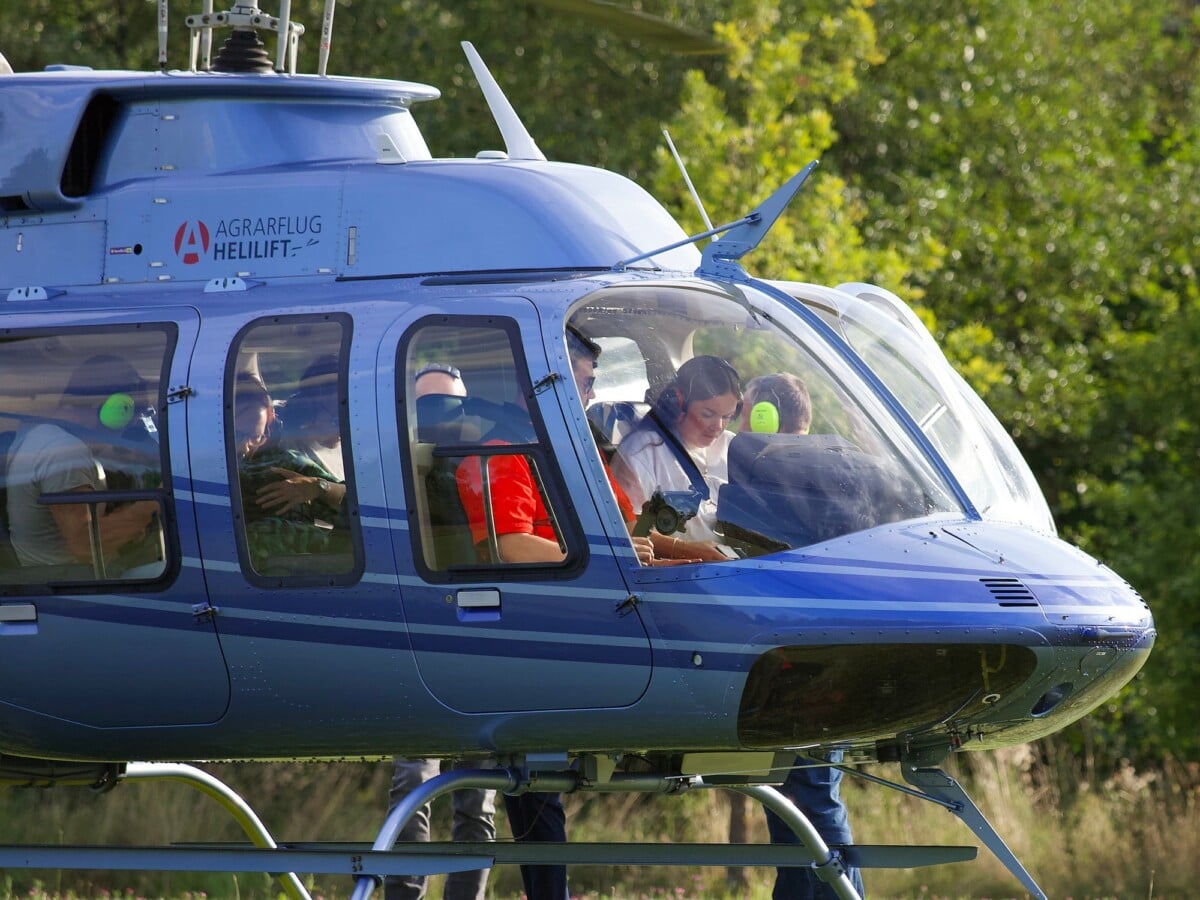
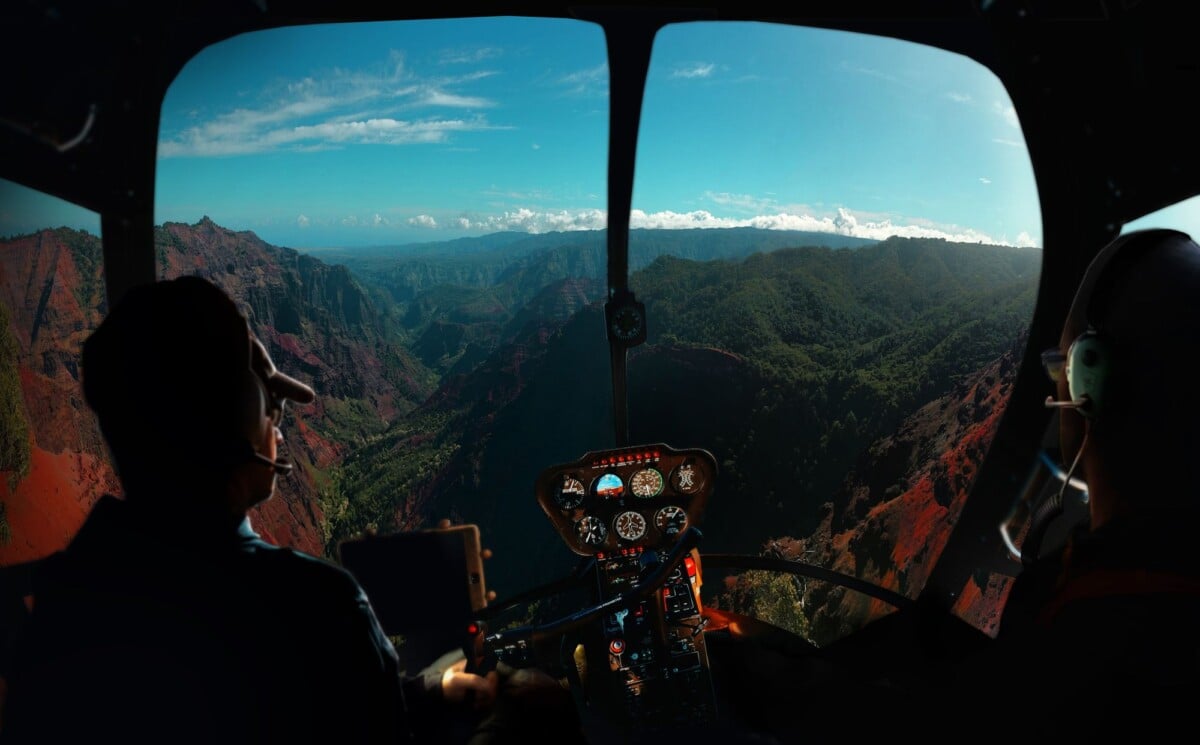
Doors-on tours are the better fit for most first-time flyers. They offer an enclosed cabin, less wind, easier communication and a more comfortable experience if you are nervous about heights, cold air or camera security. Window reflections can be a nuisance for photography, particularly in bright conditions.
Open-door helicopter flights remove the window between you and the view, which appeals to photographers and travellers happy with a more exposed ride. They can be windy, loud and chilly even in Hawaii. Loose items, hats, scarves, phones and some cameras may be prohibited or require a secure tether supplied or approved by the operator.
Do not choose open doors purely because the photographs look dramatic online. Check the operator’s minimum-age rule, footwear requirements, clothing guidance, camera policy and cancellation terms first. Passengers who are prone to motion sickness often find an enclosed cabin easier to manage, though no aircraft layout guarantees comfort.
Aircraft Layouts and Seating Restrictions
Helicopter tours do not work like a bus with freely chosen seats. The pilot must place passengers according to the aircraft’s approved weight-and-balance limits. Your seat can affect your view, but the safe loading calculation takes priority.
Larger sightseeing helicopters may seat several guests in a rear bench, while smaller models can feel more intimate but have tighter space and stricter weight planning. Operators publish their current aircraft information and passenger rules on their booking pages. Read the rules for the specific tour, not a general description on a reseller site.
- Give accurate body weights for every passenger when asked.
- Declare bags, mobility equipment and large camera gear before arrival.
- Check the policy for passengers requiring an extra seat.
- Confirm minimum ages and whether children can sit on an adult’s lap. In many aircraft, every passenger needs an assigned seat.
- Tell the operator about mobility needs before booking so it can explain boarding and seating options.
Pregnancy, recent surgery, back problems and severe motion sickness are personal health questions. The operator can explain its own participation rules, while a clinician is the appropriate person to advise on an individual medical condition.
Kauai Helicopter Tour Safety: What You Can Check Before Booking
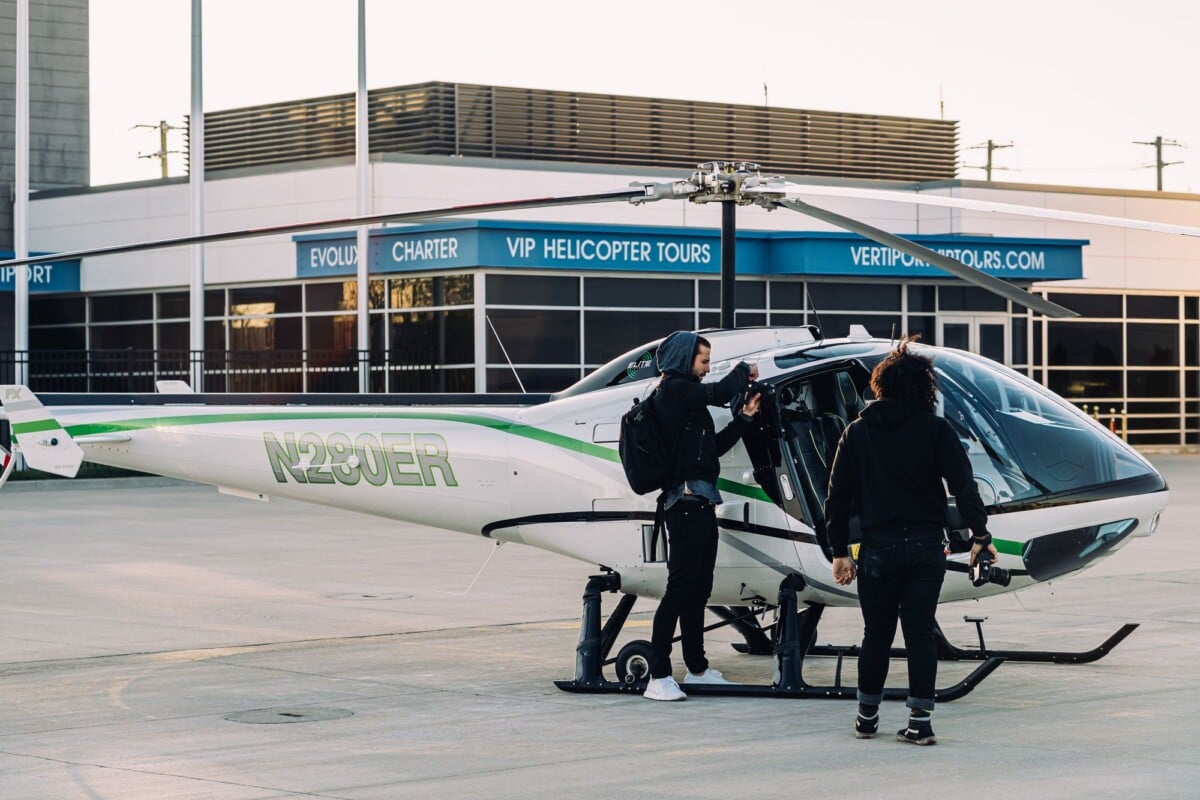
No public safety record can turn a helicopter tour into a risk-free activity. Kauai flights operate in fast-changing mountain weather, and every passenger should follow the pilot’s instructions on seating, seat belts, loading and loose articles.
It is also misleading to rank operators as “safest” using a star rating or a short list of old headlines. Accident history needs context, including flight hours, aircraft registration, the legal operating entity, weather, investigation findings and the difference between an accident and an incident. Federal investigations can take time to complete.
Use the National Transportation Safety Board CAROL database to search aviation events by operator name, location, aircraft registration or date. Search the exact company name on your booking confirmation, as a marketing brand and the certificate holder may not be identical. Read the final probable-cause report where one is available, rather than relying on a news headline.
The Federal Aviation Administration oversees commercial aviation operations. Its Fly Safe resources explain the broader safety system and passenger responsibilities, though they are not an operator ranking tool. Before paying, contact the company directly and ask:
- Which aircraft model is scheduled for the selected flight?
- Is the tour operated under the company’s own FAA authority or by another operator?
- What happens if cloud, wind or rain prevents the planned route?
- Can you rebook after a weather cancellation, and when is a refund issued?
- What are the current weight, baggage and camera rules?
- Are doors-on and open-door flights subject to different restrictions?
A professional operator should answer these questions clearly. Walk away from anyone who pressures you to conceal a weight, dismisses weather concerns or treats safety instructions as optional. Aviation procedures can sound fussy until a loose phone becomes a very expensive speck over the Pacific.
For a little extra context on normal airline safety procedures, see why aircraft cabin lights are dimmed before take-off and landing. Helicopter sightseeing has different operating procedures, but the wider principle is familiar: crews set up the cabin to support a safe response if conditions change.
When To Book a Kauai Helicopter Flight
Book a helicopter tour near the start of your Kauai stay and leave an unscheduled slot later in the trip. Weather is the most common reason routes change or flights do not depart, and this approach gives you a realistic rebooking option.
Arrive early, bring photo identification if requested, wear secure closed-toe shoes if the operator requires them, and leave unnecessary valuables at your accommodation or in a car only where safe. Many companies limit what can go into the aircraft.
Staying around Lihue makes an early airport departure simpler, while Poʻipū, Kapaʻa and Princeville can add driving time. Confirm the meeting point carefully because Lihue Airport has separate areas for commercial aviation activity.
Which Kauai Helicopter Tour Should You Choose?
Choose a doors-on, full-island flight if you want broad coverage, a more sheltered cabin and the simplest option for a first helicopter experience. Choose an open-door tour only if the unobstructed view is worth the wind, tighter gear rules and exposed seating for you.
Compare each operator’s actual flight duration, aircraft, seating policy and total checkout price on the same day. A route that includes Nā Pali, Waimea and the central waterfalls is likely to meet the expectations of most first-time Kauai visitors. The deciding factor should be the format you will enjoy and the booking terms you can live with if weather disrupts the plan.
Frequently Asked Questions About Kauai Helicopter Tours
How Much Do Kauai Helicopter Tours Cost?
Shared Kauai helicopter tours commonly fall around US$350 to US$500 or more per passenger before extras, depending on duration, aircraft and seat type. Check the live booking page for taxes, fees and weight-related charges before committing.
Are Kauai Helicopter Tours Worth It?
A helicopter tour can be worth the cost if seeing Nā Pali Coast valleys, Mount Waiʻaleʻale and inland waterfalls is a priority. It is less compelling for travellers uncomfortable with small aircraft, motion sickness or weather-dependent plans.
Are Open-Door Helicopter Tours Safe?
Open-door flights follow operator procedures that include passenger briefings and strict controls on loose articles. They still involve the normal risks of helicopter flight, and passengers must meet the operator’s clothing, age, weight and equipment rules.
What Happens if the Weather Is Bad?
The pilot may delay, alter or cancel a Kauai helicopter flight when weather makes the planned route unsuitable. Read the operator’s current cancellation policy before booking, and schedule early enough in your trip to allow for a rebooking.
Can You See the Nā Pali Coast Without a Helicopter?
Yes. Boat trips, lookouts and hikes offer different views of Nā Pali, although they do not provide the same access to the island’s interior valleys. Conditions at sea and on trails can also change, so check forecasts and operator guidance before setting out.