
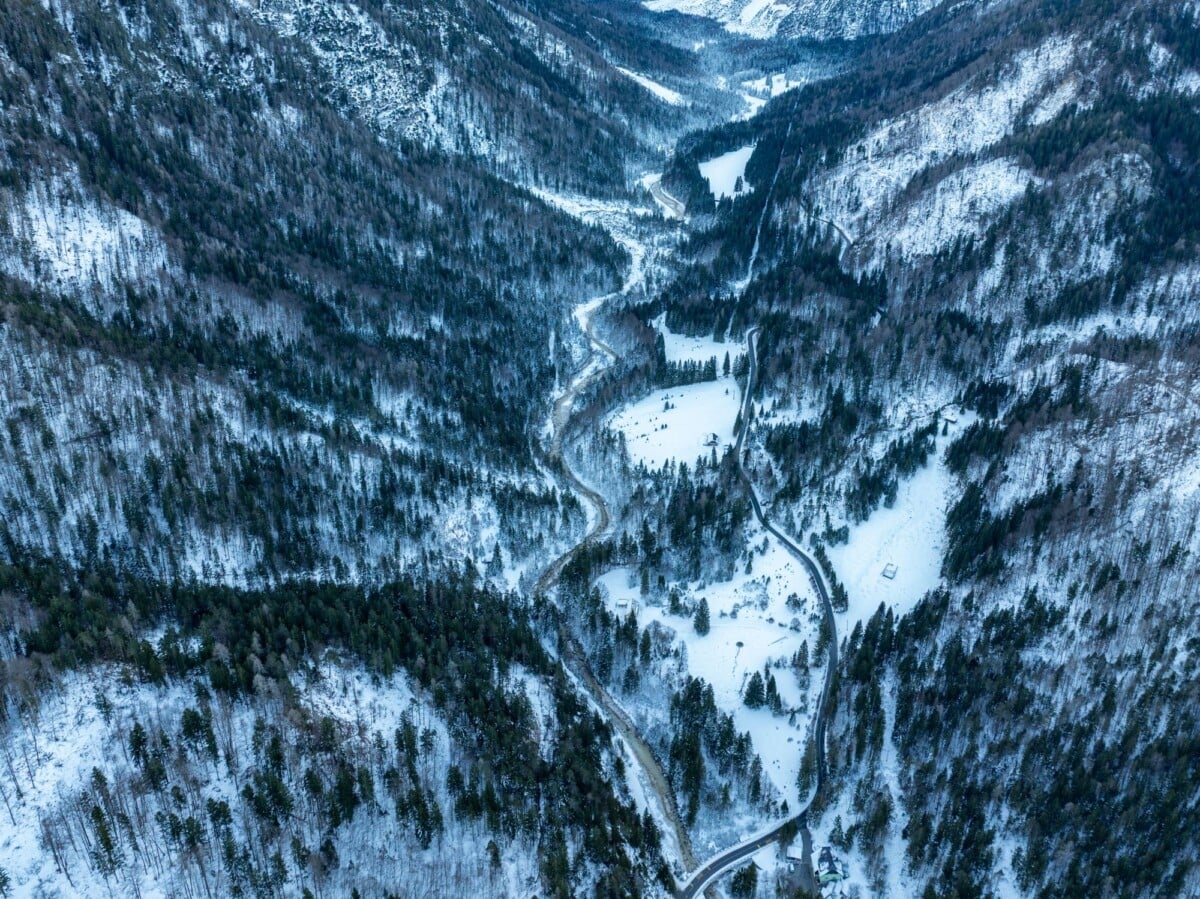
The Vršič Pass, Soča Valley and Tolmin Gorge driving route is a full-day Slovenian Alps road trip linking Kranjska Gora with Bovec, Kobarid and Tolmin on winding Route 206. Allow at least seven to nine hours with short stops, or split it over two days if you want time for walks, swimming spots and the Tolmin Gorge trail without clock-watching.
It looks compact on a map, but it is slow-going in real life. Vršič Pass has 50 numbered hairpin bends, weather can close the high section outside the main season, and the Soča Valley gives you plenty of reasons to stop. Start early, download offline navigation and treat estimated driving times as the optimistic version of events.
Vršič Pass, Soča Valley and Tolmin Gorge Route at a Glance
| Stage | Approximate Driving Time | Best For |
|---|---|---|
| Kranjska Gora to Vršič Pass summit | 30 to 40 minutes | Hairpin road and mountain views |
| Vršič Pass to Bovec | 45 to 60 minutes | Russian Chapel, Trenta Valley and Soča viewpoints |
| Bovec to Kobarid | 25 to 30 minutes | River stops, rafting base and lunch |
| Kobarid to Tolmin Gorge | 25 to 35 minutes | Historic town and gorge walk |
Total driving time is roughly two and a half to three hours, depending on traffic and how confidently everyone deals with the bends. Add time for photographs, parking, toilets and short walks, especially in July and August.
This works best as a one-way route, starting in Kranjska Gora and ending near Tolmin. If you are continuing to Ljubljana, leave Tolmin via Most na Soči and the main roads east. To return to Kranjska Gora, you will usually retrace the mountain road or take the longer route around the Italian side of the Julian Alps.
Stage 1: Kranjska Gora to Vršič Pass
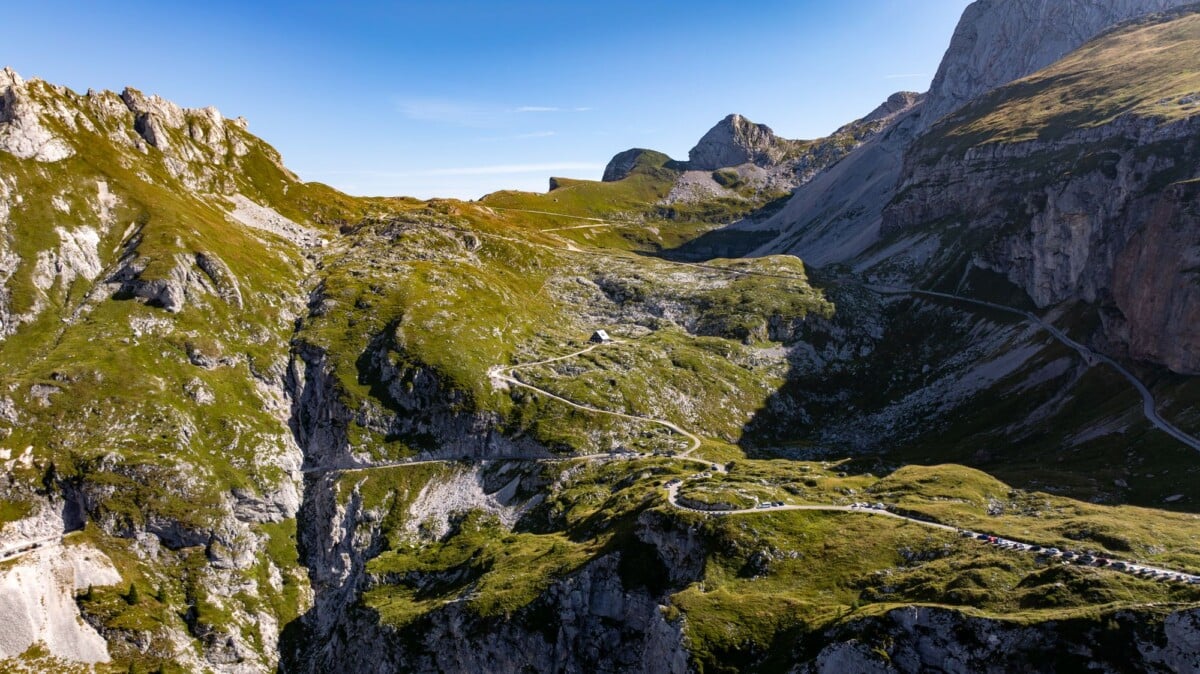
Start in Kranjska Gora, a resort town just south of the Austrian border, and follow Route 206 south towards Vršič Pass. The pass reaches 1,611 metres above sea level and is Slovenia‘s highest paved mountain road.
The north side climbs through spruce forest before the hairpins become the main business. Several bends still have cobbled surfaces, a reminder of the road’s First World War construction. They can be slippery in rain, so use a low gear on descents. Do not assume every corner has room for a wide campervan, coach or an enthusiastic overtaker.
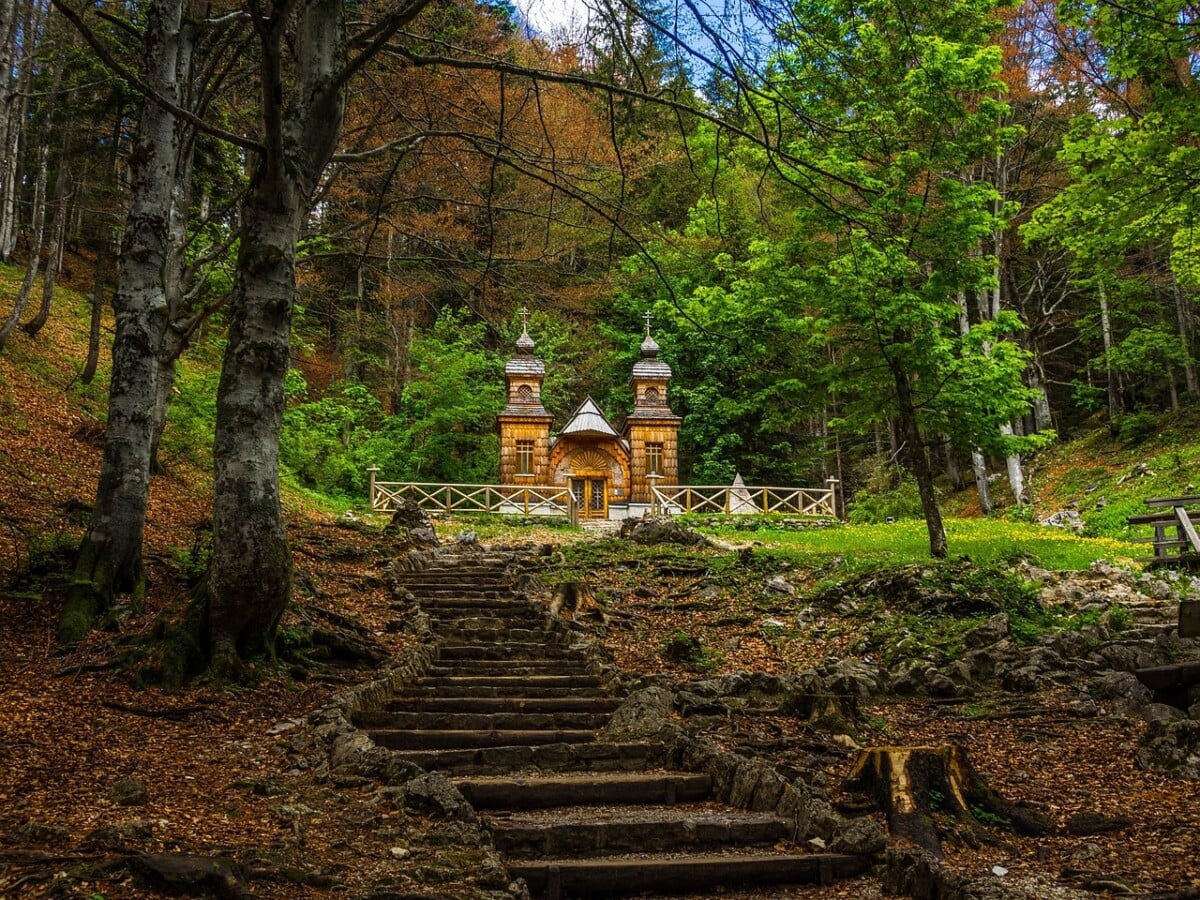
Vršič Pass was built by Russian prisoners of war during the First World War. The small Russian Chapel on Vršič Pass, beside the northern approach, is a respectful and worthwhile stop. Parking is limited, so do not block the road or treat passing places as improvised parking bays.

We earn a commission if you buy through this link, at no extra cost to you.
Stage 2: Vršič Pass to Bovec Through the Trenta Valley
The south side of Vršič Pass descends into the Trenta Valley, where the road follows the upper Soča River towards Bovec. There are more places to stop on this section, but also narrow stretches, cyclists and walkers crossing near trailheads.
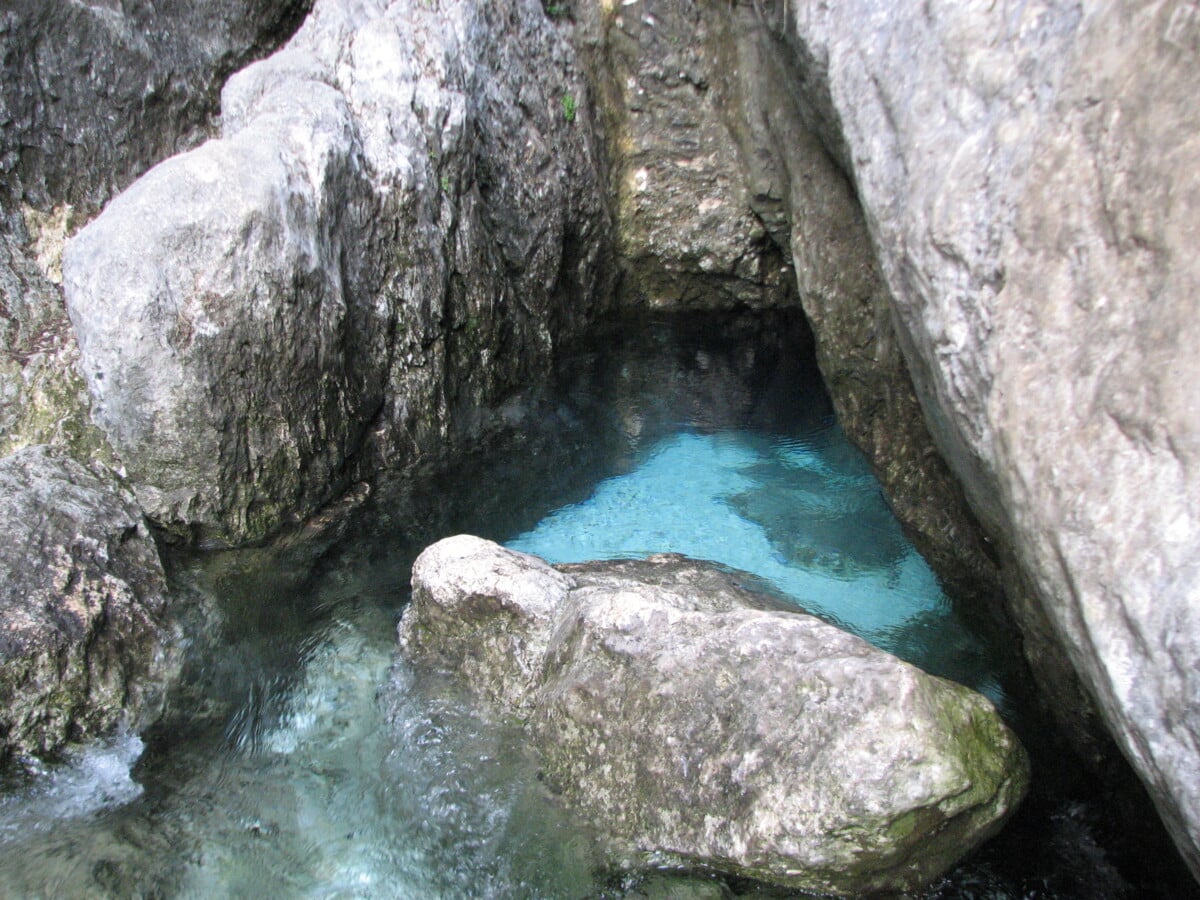
The Soča is known for its striking blue-green colour, caused by fine mineral particles in the water. Use marked roadside areas only. Riverbanks can look close on a map but involve a steep, uneven path, while water levels and currents change after heavy rain or snowmelt.
Useful Stops Between Vršič Pass and Bovec
- Source of the Soča: A signed trail near Trenta leads towards the river’s source. The final section is steep and has fixed cables, so this is not a casual roadside stroll.
- Great Soča Gorge: A narrow limestone gorge near the Soča Trail, with small pull-offs nearby. Leave time to find legal parking and take care on wet rock.
- Trenta village: A practical stop for a short break, information and a look at local trail options before continuing south.
- Bovec: The main outdoor base in the upper valley, with fuel, food, accommodation and activity operators.
Bovec is a sensible overnight base if you do not want to cram the full route into one day. It is also practical for rafting, canyoning and hiking, although activities need advance booking in busy summer periods.
Stage 3: Bovec to Kobarid Along the Soča Valley
Continue south from Bovec towards Kobarid on Route 203. This is quicker and less demanding than Vršič Pass, though it remains a mountain-valley road with bends, local traffic and regular cyclists.
This stretch gives you access to several river stops, including the suspension bridge at the Soča Trail’s Camp Lazar area and viewpoints around the Napoleon Bridge near Kobarid. Do not try to tick off every signed attraction in one afternoon. Choose one river stop and one walk, then leave time for Kobarid itself.
Kobarid is closely linked with the Isonzo Front of the First World War. The Kobarid Museum gives useful context for the fighting in this part of the Alps. It is a better use of your time if you are interested in history than rushing through another viewpoint before Tolmin Gorge closes.
If your trip includes another tightly timed attraction day, the same rule applies: leave a buffer for parking, weather and the one stop that inevitably takes longer than planned. The approach is useful on other scenic self-drive days too, such as a [[INTERNAL_LINK:INTERNAL_CANDIDATE_013]]Te Anau to Milford Sound day trip[/INTERNAL_LINK].
Stage 4: Kobarid to Tolmin Gorge
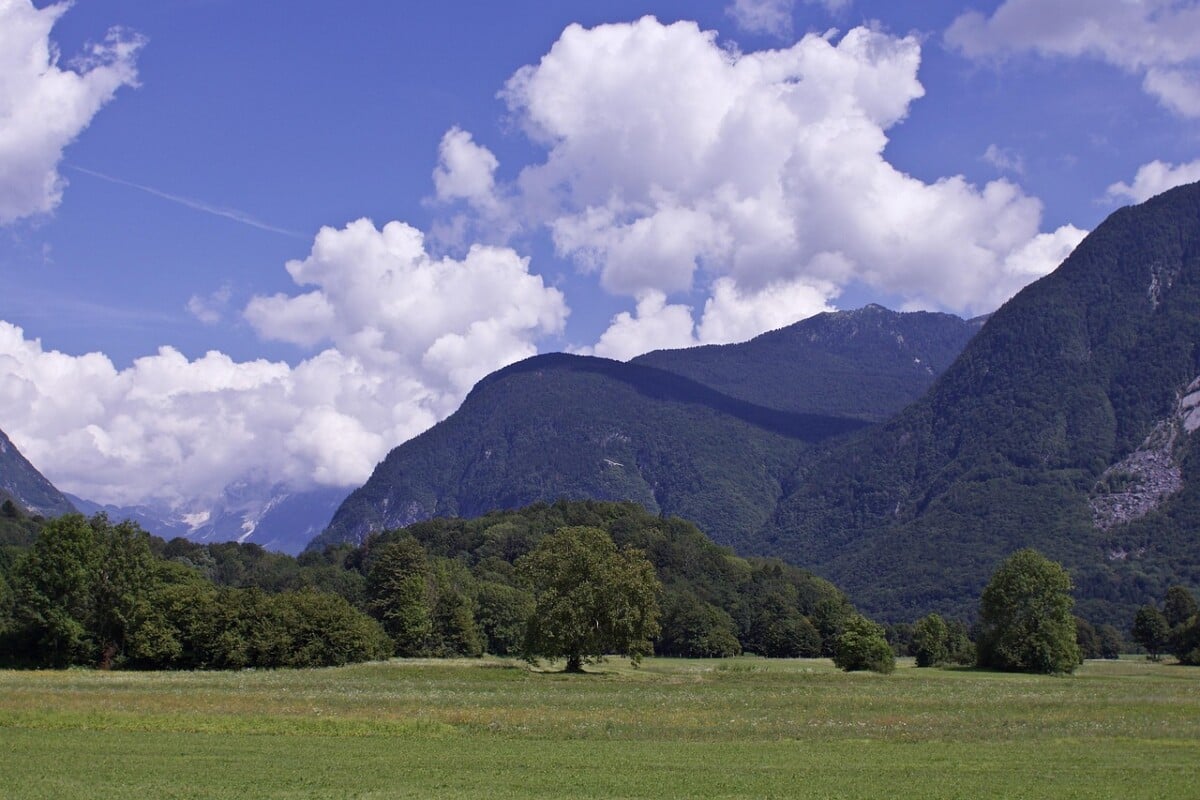
Kobarid to Tolmin takes around 20 to 30 minutes by car, then you need extra time for parking and the gorge circuit. Tolmin is the largest town in the lower Soča Valley and makes a practical finishing point, with more services than the smaller settlements higher up the valley.
Visit Tolmin Gorge before late afternoon if it is a priority. It has seasonal opening dates and daily entry times, so check the official Tolmin Gorge information before setting out. Online tickets may be required or strongly advisable during busier months.
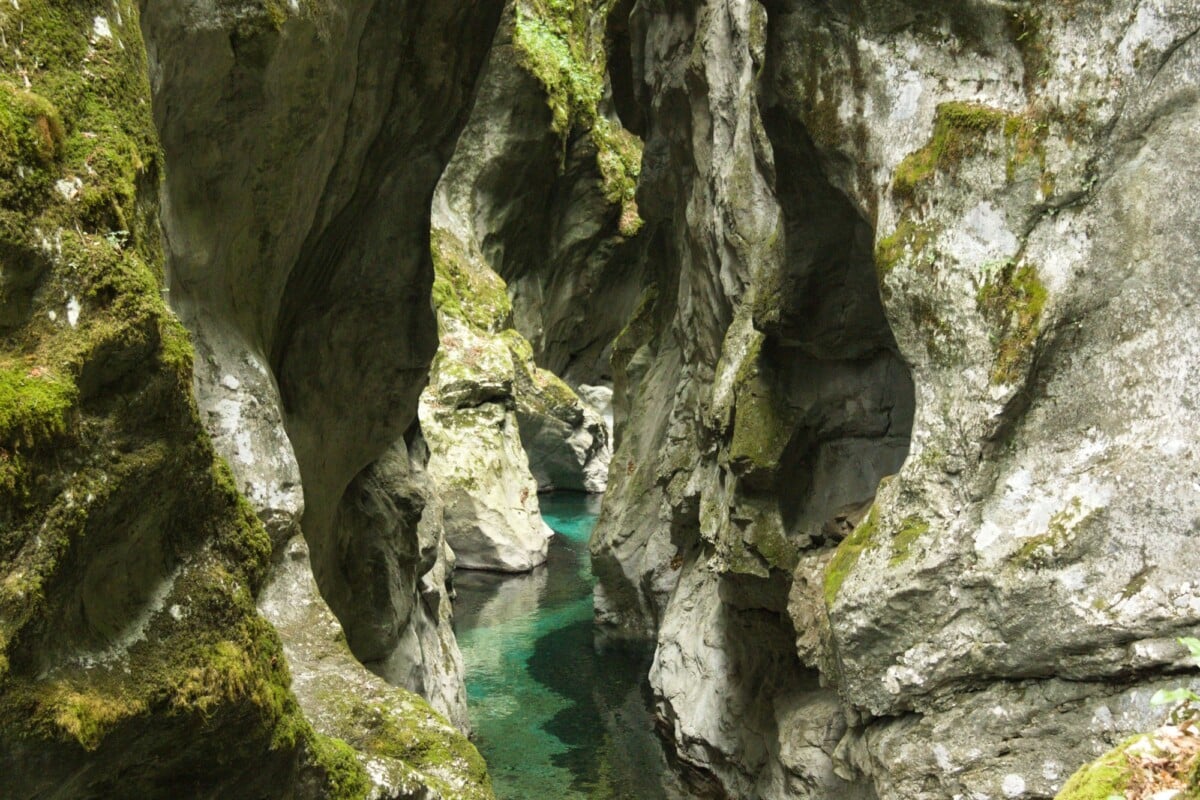
The main visit follows a marked circular route through the Tolminka and Zadlaščica gorges. Expect steps, uneven ground, narrow paths and damp surfaces. The walk is manageable for many active travellers, but it is not suitable for pushchairs and can be difficult for anyone with limited mobility or a strong dislike of enclosed, steep-sided paths.
What to See at Tolmin Gorge
- The meeting of the Tolminka and Zadlaščica rivers: The lowest point in Triglav National Park.
- Bear’s Head: A large rock wedged between the gorge walls above the water.
- Dante’s Cave: A cave linked by local tradition to Dante Alighieri.
- The Devil’s Bridge: A bridge crossing high above the Tolminka Gorge.
Wear shoes with grip. Sandals and smooth-soled trainers are a poor match for wet limestone, particularly after rain. A light waterproof layer is useful even on a warm day, as the gorge is shaded and cool.
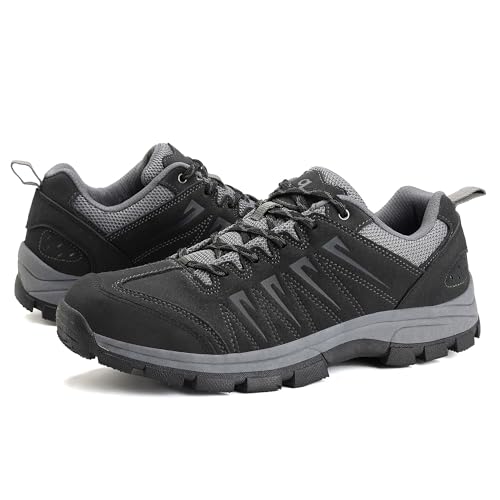
OL OUTJET LEGEND
OL OUTJET LEGEND Men's Waterproof Hiking Shoes Leather Low Top Black
We earn a commission if you buy through this link, at no extra cost to you.
Driving Rules, Vignettes and Seasonal Road Closures
Most Slovenian motorways require an electronic vignette for cars, motorbikes and many other vehicles. Route 206 over Vršič Pass is not a motorway, but you may use tolled motorways to reach Kranjska Gora or leave Tolmin, so check the official DARS e-vignette service before driving.
Vršič Pass is usually subject to winter closure or restrictions when snow and avalanche risk make the road unsafe. Its reopening date varies with conditions. Check Slovenia’s official traffic conditions and road closures on the morning of your drive, not only when planning the itinerary.
- Carry your driving licence, vehicle documents and rental agreement, if applicable.
- Use headlights as required by Slovenian road rules and stay within signed limits.
- Do not rely on mobile signal in the upper valley. Download maps before leaving Kranjska Gora or Bovec.
- Fill up in Kranjska Gora, Bovec or Tolmin. Fuel options are limited around the pass itself.
- Check your rental company’s rules before taking a large vehicle over Vršič Pass. The road is paved, but its width and bends are not relaxing in a long motorhome.
Mountain roads reward conservative timing. The same applies on routes with restricted access and changeable weather. Check conditions on the day, pack the right kit and leave a decent margin for delays. For another practical guide to driving on remote, weather-sensitive roads, see our advice on [[INTERNAL_LINK:INTERNAL_CANDIDATE_007]]Iceland driving routes, F-roads and safety[/INTERNAL_LINK].
How to Plan the Route in One Day
A one-day drive works best in late spring, summer or early autumn, when the pass is open and daylight is generous. Aim to leave Kranjska Gora by 8am, or earlier in peak season. That gets you over the pass before the busiest part of the day and improves your chances of finding space at smaller stops.
- Drive from Kranjska Gora to Vršič Pass and stop at the Russian Chapel or summit.
- Descend through Trenta, choosing one short Soča River stop.
- Reach Bovec for coffee, fuel or an early lunch.
- Continue to Kobarid and choose the museum or a short riverside stop.
- Arrive at Tolmin Gorge with enough time for the full marked circuit before last entry.
- Stay in Tolmin or continue east only after checking your onward driving time.
For a slower trip, stay two nights in Bovec or split the route between Kranjska Gora and Tolmin. This gives you time for the Soča Trail, a raft trip or a longer walk near Trenta. Trying to add all three to one driving day is how lunch becomes a cereal bar at 5pm.
When to Drive Vršič Pass and Visit Tolmin Gorge
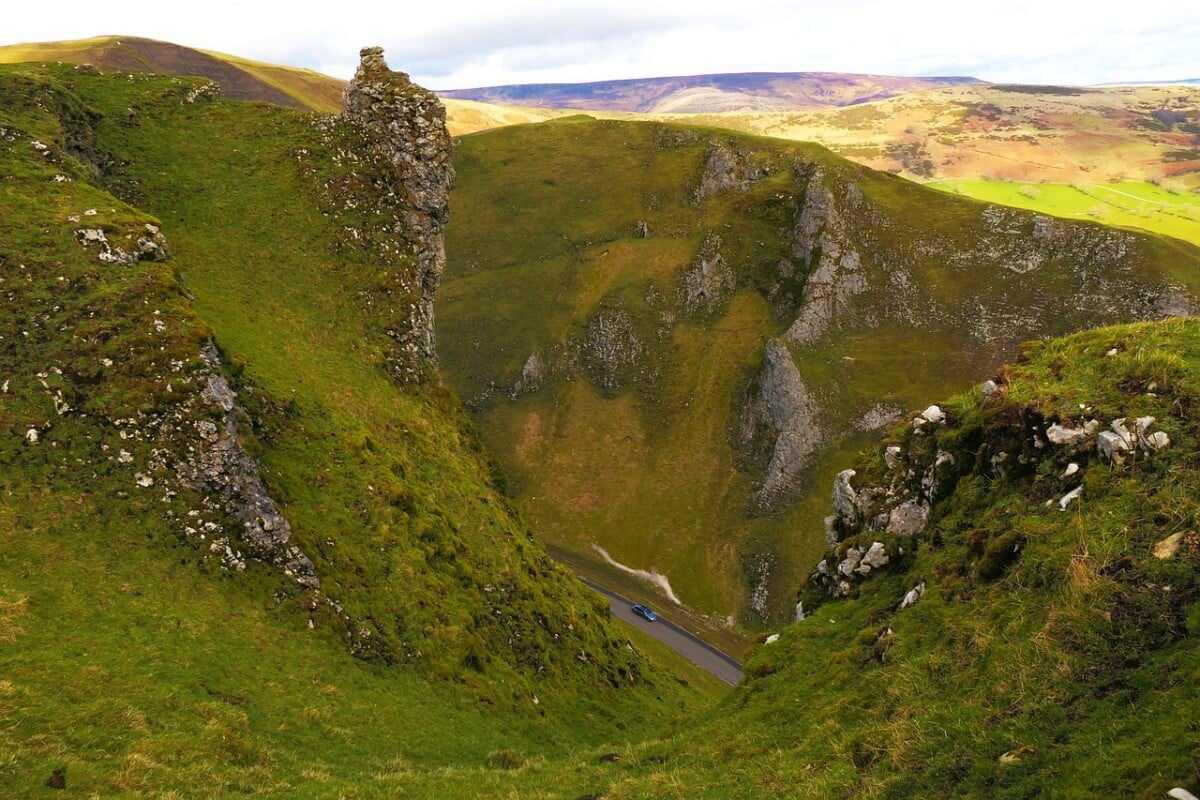
June through September generally brings the most straightforward conditions for this route, although afternoon storms, busy parking and heat in exposed areas are common. July and August have the heaviest traffic, especially around Bovec and popular river access points.
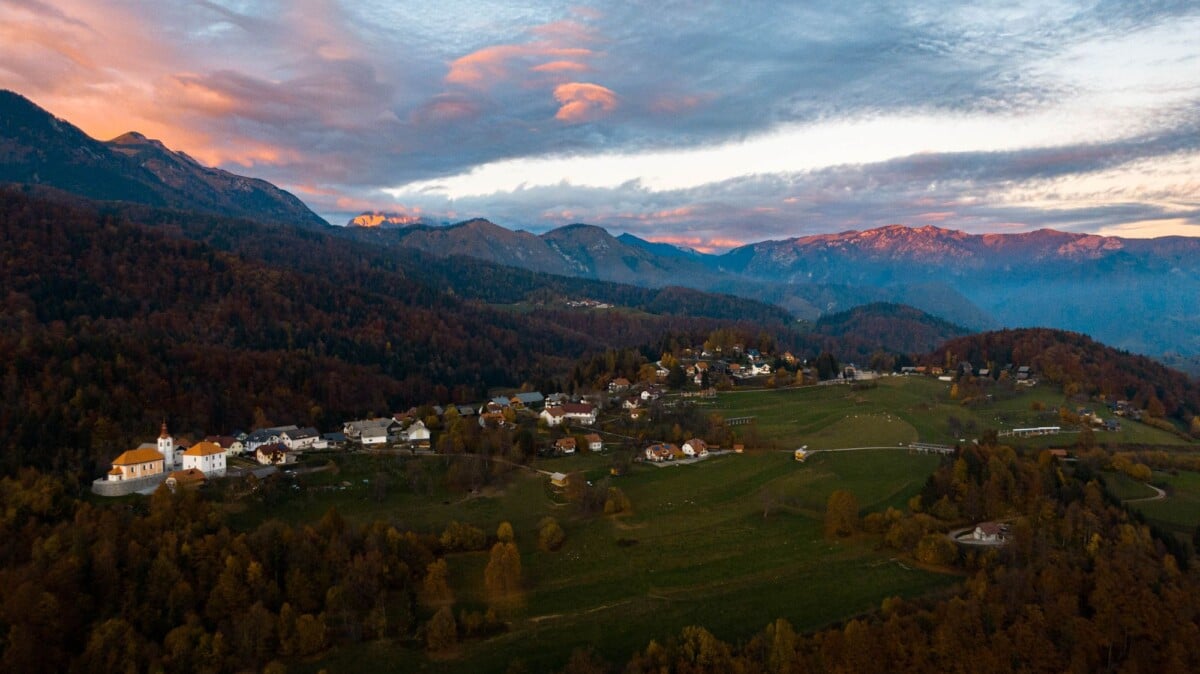
Late May, June, September and early October can be quieter, but snow, maintenance work or weather may affect the pass at either end of the season. Autumn colours can be excellent in the valley, though shorter daylight makes the full route harder to complete at a relaxed pace.
Winter is not the time to assume a through-drive over Vršič Pass. Build an alternative route into your plan and take any mountain-road forecast seriously. A clear morning in Kranjska Gora says very little about conditions at 1,611 metres. If mountain driving is part of a wider road trip, our [[INTERNAL_LINK:INTERNAL_CANDIDATE_028]]Santiago to Mendoza drive guide[/INTERNAL_LINK] has similarly useful planning pointers on road conditions and stopping times.
Frequently Asked Questions
How Long Does the Vršič Pass, Soča Valley and Tolmin Gorge Route Take?
The route needs around two and a half to three hours of driving, but a realistic day takes seven to nine hours once you include stops, parking, meals and the Tolmin Gorge walk. An overnight stay in Bovec or Tolmin makes the route much more relaxed.
Is Vršič Pass Difficult to Drive?
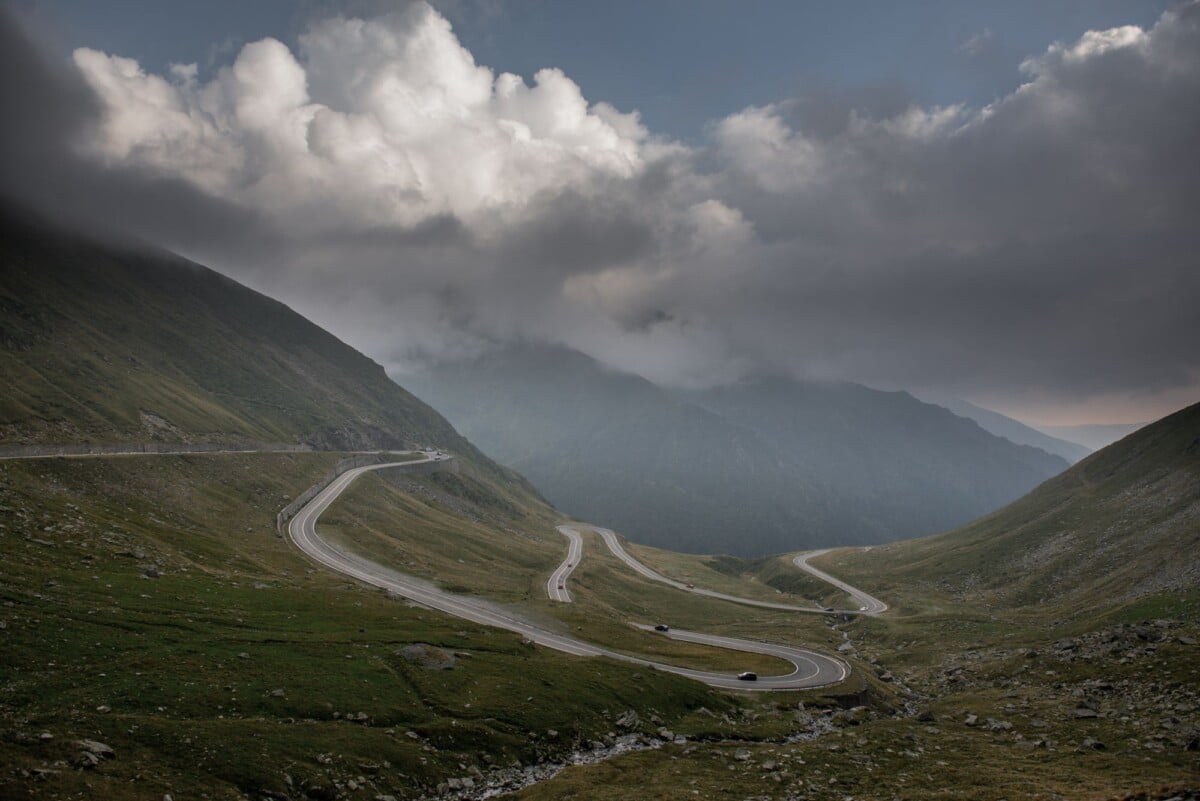
Vršič Pass is paved but demanding because of its 50 hairpin bends, narrow sections and changeable mountain weather. Confident drivers in a standard car should manage it slowly, while nervous drivers and large-vehicle drivers may prefer another route.
Can You Drive Vršič Pass in Winter?
Winter snow and avalanche conditions can close Vršič Pass or lead to restrictions. Check the official Slovenian traffic service on the day you travel and carry any legally required winter equipment for the conditions.
Do You Need to Book Tolmin Gorge?
Tolmin Gorge has seasonal opening dates, entry rules and capacity arrangements that can change. Check the official attraction information before travel and book ahead if the current system requires or recommends it.
Where Should You Stay for This Soča Valley Drive?
Bovec is the best base for the upper Soča Valley and outdoor activities, while Tolmin works well after visiting the gorge and for continuing east. Kranjska Gora suits travellers who want an early start over Vršič Pass.