
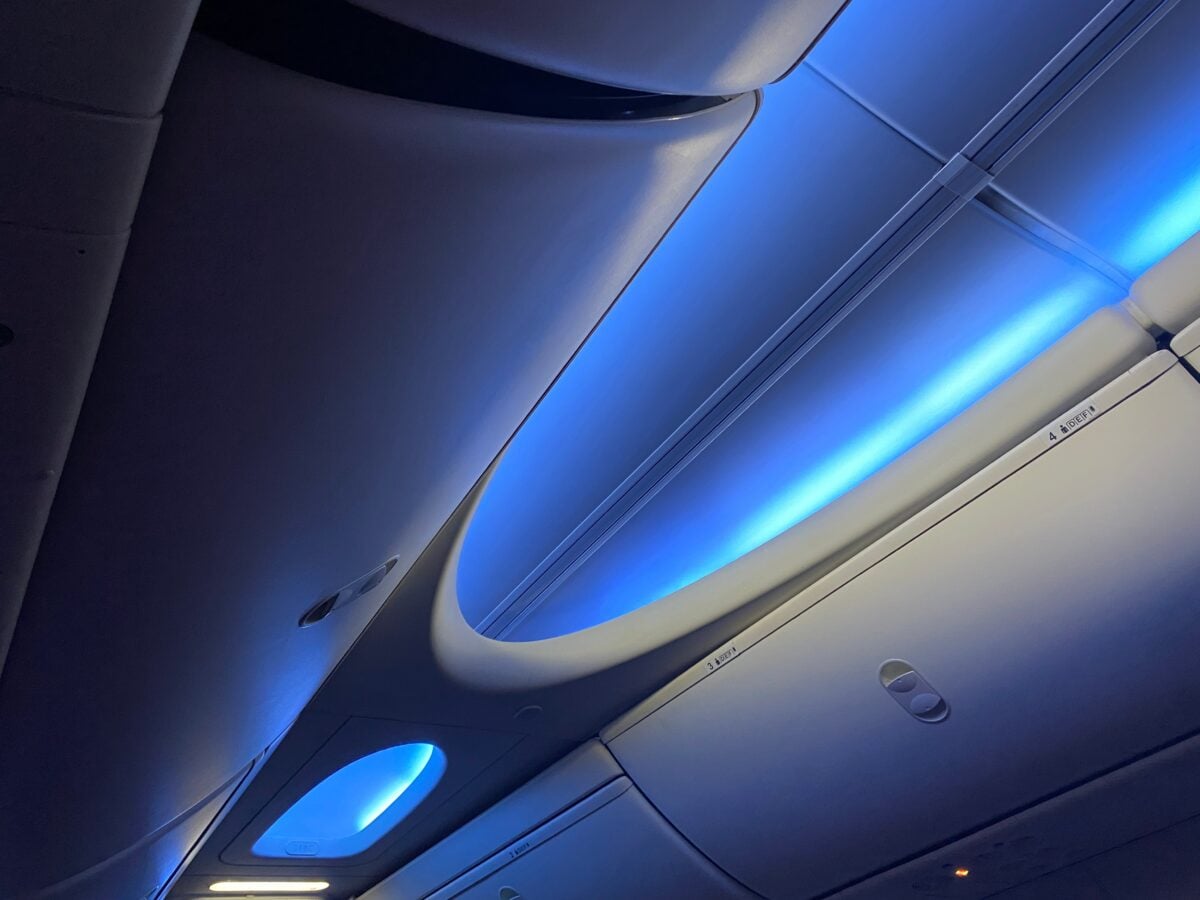
Cabin lights are dimmed during takeoff and landing to help your eyes adjust to lower light conditions outside the aircraft, improving your ability to see clearly in an emergency.
These phases of flight are statistically the most critical, so the lighting change is designed to support faster evacuation, better situational awareness, and smoother communication between passengers and crew if anything goes wrong.
Safety and evacuation readiness
Takeoff and landing are the most safety sensitive parts of any flight. While flying is statistically very safe, aviation procedures are designed around the idea that if something does go wrong, it will likely happen during these phases.
When cabin lights are bright and the outside environment is dark, your pupils adjust to artificial light. If an emergency occurs and the lighting suddenly changes, your vision can be temporarily impaired while your eyes adapt. Even a short delay in visibility can slow down movement toward exits or make instructions harder to follow.
Dimmed lighting reduces that adjustment gap. It keeps conditions closer to what your eyes would experience if you had to look outside the aircraft quickly, which matters in smoke, night landings, or low visibility situations.
Protecting night vision and outside visibility
Dim lighting helps your eyes maintain or develop night vision, which is especially important during evening flights or when landing in low light conditions. This is not just about darkness outside the aircraft, but about ensuring your visual system is not overloaded by bright interior lighting.
If an emergency landing occurs, passengers may need to look outside the aircraft quickly to assess conditions such as fire, smoke, water, or debris. Adjusted eyes respond faster to those changes, making it easier to follow crew instructions or identify usable exits.
This is also why cabin crew often dim lights before descent begins, not just after landing gear is deployed. The preparation starts early so passengers are already adjusted by the time the aircraft reaches the runway.
Regulatory safety standards
Aviation authorities require airlines to follow strict procedures for lighting during critical flight phases. These rules are part of broader safety certification standards that cover everything from seat design to evacuation timing.
Key regulators include:
- Federal Aviation Administration (FAA)
- European Union Aviation Safety Agency (EASA)
- International Civil Aviation Organization (ICAO)
These organisations require airlines to ensure cabin conditions support safe evacuation, crew coordination, and passenger awareness. Lighting procedures are part of a wider system that also includes signage, floor lighting, and crew training protocols.
What cabin crew are preparing for
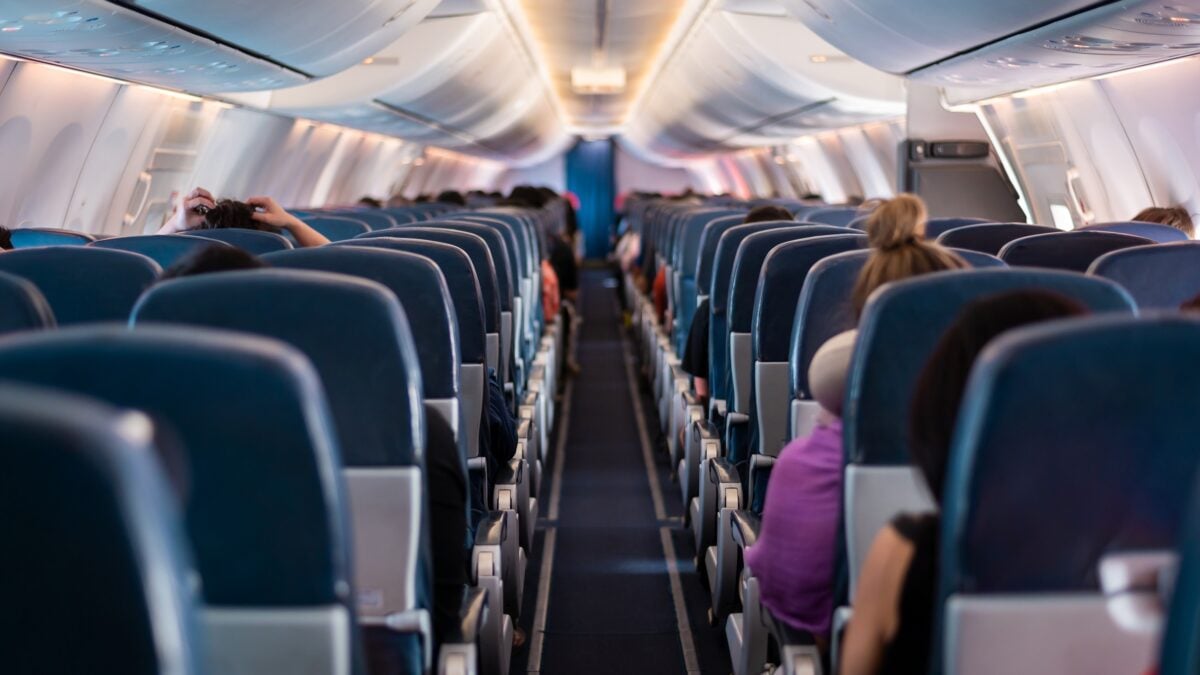
Flight attendants are trained to manage evacuations under low visibility conditions, including smoke-filled cabins or night-time landings without external lighting. Dimmed lighting supports their ability to guide passengers while also helping emergency floor lighting systems stand out more clearly.
Most aircraft have illuminated floor path lighting that becomes easier to follow when the cabin is not overly bright. This contrast helps prevent confusion during high-stress situations where passengers may be disoriented or moving quickly.
Cabin crew also use lighting cues to coordinate actions between themselves. Subtle visibility changes help them confirm that safety checks are complete and that the cabin is ready for takeoff or landing.
| Reason for dimmed lights | Practical benefit |
|---|---|
| Eye adaptation | Faster adjustment to darkness outside the aircraft |
| Emergency readiness | Improved ability to see exits, signage, and floor lighting |
| Crew coordination | Better visibility for instructions, signals, and cabin checks |
| Reduced glare | Minimises reflection on windows and improves outside visibility |
What passengers should do during takeoff and landing
You are not expected to do anything complicated when cabin lights dim, but small actions can improve safety and reduce confusion if instructions are given quickly.
- Keep your seatbelt fastened and visible to crew if possible
- Stow devices and avoid blocking the aisle or exit rows
- Pay attention to safety briefing cues from cabin crew
- Avoid placing items under the seat during final approach if possible
- Keep window shades open during daylight operations when requested, so external conditions can be assessed
These steps help maintain clear evacuation routes and reduce delays if an announcement or instruction is issued during a critical moment.
Common misconceptions about dimmed cabin lights
One common assumption is that dimming lights is about passenger comfort or reducing jet lag effects. While softer lighting can feel more relaxing, the primary purpose is safety, not comfort or sleep regulation.
Another misconception is that it is only done at night. In reality, lighting is often adjusted regardless of time of day because emergencies can happen during any phase of flight, and the cabin needs to be prepared consistently.
Some travellers also assume it is optional or based on airline preference. In practice, lighting procedures are guided by safety standards and aircraft operational requirements rather than airline discretion alone.
Final thoughts
Cabin lighting changes during takeoff and landing are a simple but important safety measure built into commercial aviation. The goal is to ensure passengers and crew can respond quickly, clearly, and with minimal visual delay if something unexpected happens.
Once you understand the reasoning, the dimming becomes less about inconvenience and more about preparation. It is one of many small procedures that support safety during the most critical moments of a flight, alongside seatbelt rules, cabin checks, and crew positioning.
