
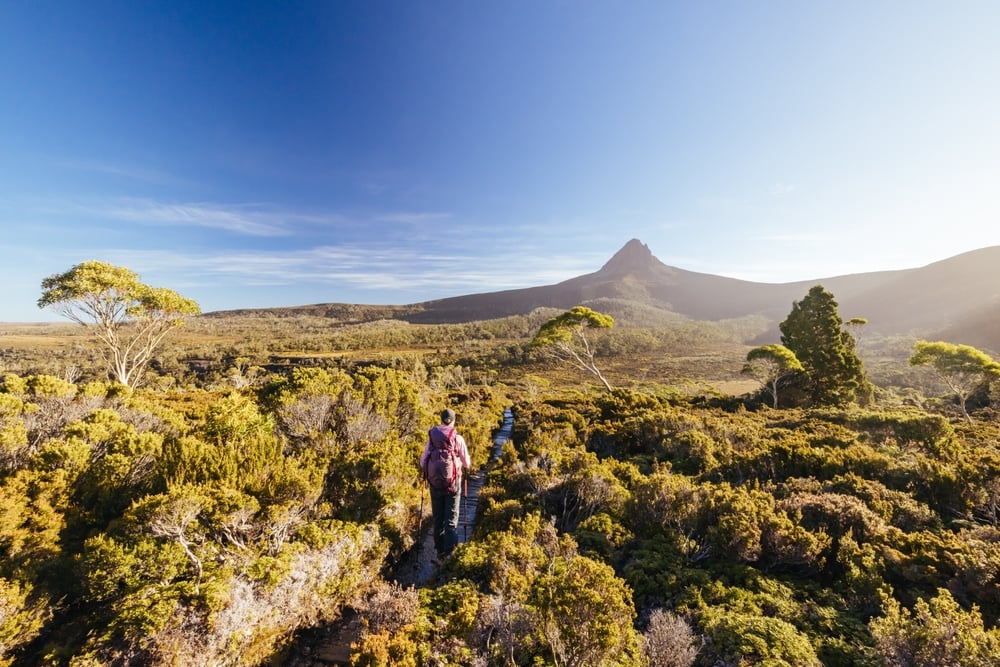
Tasmania is worth visiting if you enjoy road trips, walking, wildlife, food and wine, and landscapes that feel properly remote without requiring a major expedition. Give the island at least seven days if you can: Tasmania looks compact on a map, but its winding roads, weather and worthwhile detours make a rushed three-day visit fairly pointless.
The best trip combines Hobart, Freycinet National Park, the East Coast, Cradle Mountain and either Launceston or the north-west. Summer brings longer days and busier trails, while autumn and spring can be quieter and easier on accommodation prices. Our guide to the best time to visit Tasmania for weather, hiking and festivals can help you pick the right month before booking.
Why Tasmania Is Worth Visiting
Tasmania delivers a lot in a relatively small area: wild coastlines, temperate rainforest, mountain walks, historic towns, farm gates, vineyards and city restaurants. The island is particularly good for independent travellers who prefer a flexible itinerary over ticking off a long list of attractions.
The state is home to the Tasmanian Wilderness World Heritage Area, which covers about 1.58 million hectares of parks and reserves. It includes Cradle Mountain-Lake St Clair National Park, Franklin-Gordon Wild Rivers National Park and the remote south-west. The scale is one reason Tasmania feels much less built-up than mainland Australian destinations.
There is also a strong food focus. Hobart has a lively restaurant and bar scene, the Huon Valley has cider and local produce, the East Coast is known for seafood, and the Tamar Valley is Tasmania’s largest wine-growing area. You can spend a day hiking in rain and still find a good meal afterwards, which is a useful arrangement in a place where the weather has a mind of its own.
The Best Places to Visit in Tasmania
Hobart
Hobart is the most useful starting point for a first Tasmania itinerary. It has the island’s largest airport, a compact waterfront, historic Battery Point, Salamanca Place and easy access to Mount Wellington, the Huon Valley and Bruny Island. Clear Hobart days can feel surprisingly warm: it was 76F (24C) with 25% humidity in September 2026, though you should still pack a layer for the mountain.

Set aside two or three nights if your schedule allows. Visit Salamanca Market on Saturday, walk around the harbour, take the road up kunanyi / Mount Wellington for city and river views, and book MONA in advance during busy periods. The museum sits north of the city at Berriedale and is reached by road or ferry. If you are visiting in late September 2026, Hobart also has gigs including HEALTH AUSTRALIA 2.0.2.6 at the Odeon Theatre on 23 September and The Drones at Altar Bar on 25 and 26 September.
Freycinet National Park and Wineglass Bay
Freycinet National Park is one of Tasmania’s most recognisable stops, largely because of the Wineglass Bay Lookout walk. The return walk is steep in sections but manageable for reasonably fit walkers wearing proper shoes. Continue down to the beach only if you have the time and energy for the extra descent and climb back up.
Coles Bay is the practical base for early trail starts, though accommodation can be limited and expensive in school holidays and summer. Swansea and Bicheno offer more options if you are happy to drive. A valid Tasmania parks pass is required for Freycinet National Park; check current pass types and conditions through Parks Tasmania before setting off.
Bay of Fires and Binalong Bay
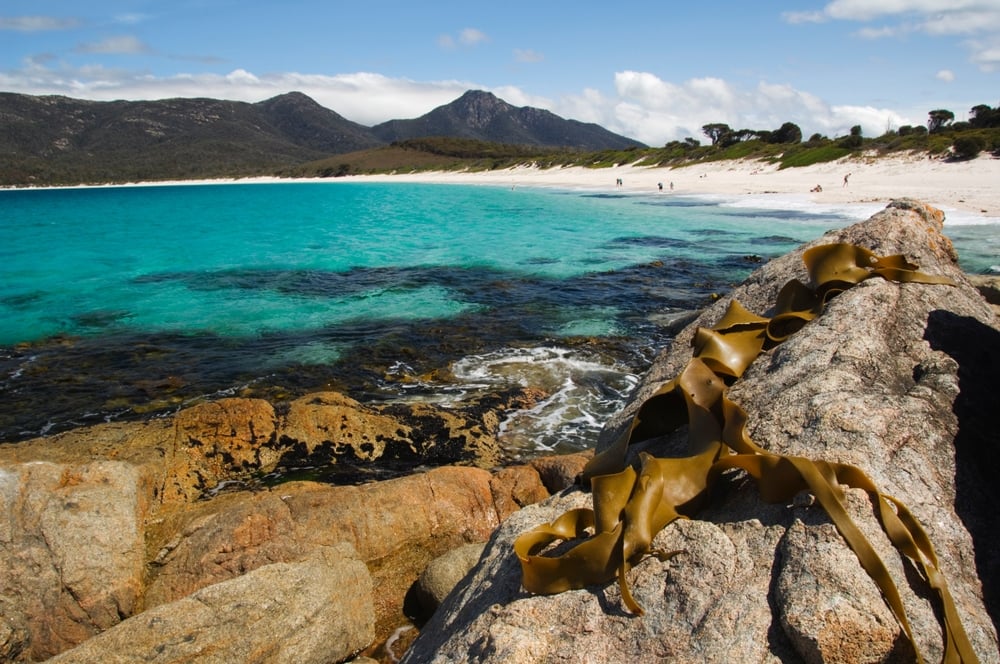
The Bay of Fires runs along Tasmania’s north-east coast, known for clear water, pale sand and granite boulders marked with orange lichen. Binalong Bay is the simplest place to access the coast, with beach walks, swimming in warmer weather and a small number of food and accommodation choices.
This area suits travellers who want a slower coastal stop after Freycinet. It is less about structured sightseeing and more about allowing time for a beach walk, a swim if conditions are suitable, and a picnic with no timetable attached.
Cradle Mountain-Lake St Clair National Park
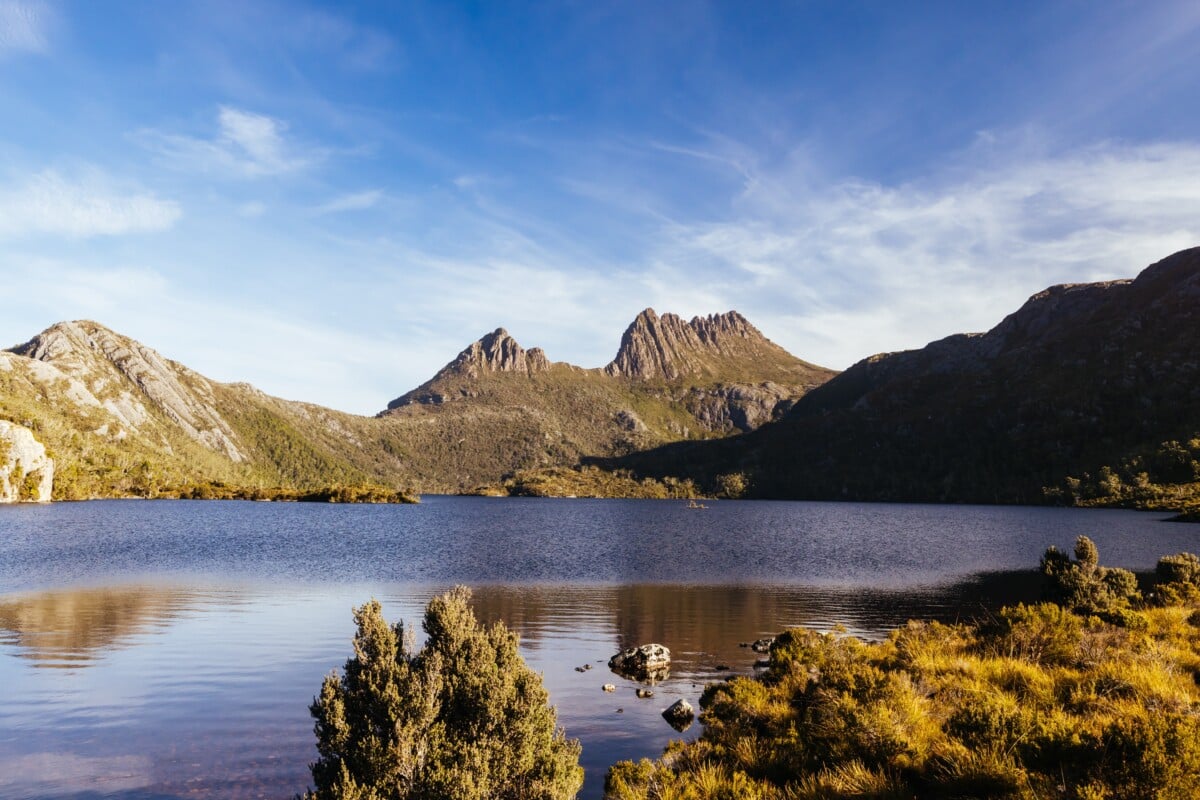
Cradle Mountain is worth prioritising for most first-time visitors. Dove Lake Circuit is a popular, well-defined walk with views of the mountain, while the steeper Marion’s Lookout route rewards stronger walkers who are comfortable with uneven ground and quickly changing conditions.
Private vehicles have restricted access to Dove Lake Road at busy times, so visitors commonly use the shuttle bus from the visitor centre. Check the current shuttle arrangements, walking alerts and weather warnings on the official Cradle Mountain-Lake St Clair National Park page. The area sits high enough for cold, wet weather in any season: Lorinna was 59F (15C) with clear skies and 59% humidity in September 2026, which is a fair reminder that a bright forecast does not make mountain conditions warm.
Launceston and Cataract Gorge
Launceston works well as a northern base and is a sensible overnight stop between Cradle Mountain, the Tamar Valley and the East Coast. Cataract Gorge is close to the city centre, with riverside paths, a suspension bridge and swimming areas in season.
The city is also a good base for exploring Tamar Valley wineries, though drivers should plan tastings carefully. Book a tour, nominate a non-drinking driver or keep winery visits for a day when the car can stay parked. Tasmania’s roads demand more attention than a wine tasting tends to improve.
Bruny Island
Bruny Island is a popular day trip or overnight trip from Hobart, reached by vehicle ferry from Kettering. The island is known for coastal viewpoints, short walks, local produce and chances to see wildlife. The Neck Lookout is a well-known stop, while Cape Bruny offers more rugged scenery and a lighthouse area at the island’s southern end.
An overnight stay gives you a calmer experience, especially if you want to explore South Bruny without watching the ferry clock. Day-trippers should book ferry travel where required and allow time for the drive between stops.
West Coast: Strahan and Queenstown
Tasmania’s west coast is wetter, wilder and more isolated than the East Coast. Strahan is a base for the Gordon River and Macquarie Harbour, while Queenstown has mining history, dramatic bare hills and access to the West Coast Wilderness Railway.
This part of the island appeals to travellers who enjoy history and moody landscapes, but it needs proper time. Driving from Hobart to Strahan takes roughly five hours without long stops, and the road is slow in places. Avoid treating it as a quick diversion between two distant hotels.
The Experiences That Make a Tasmania Trip Special
- Short and long walks: Tasmania has accessible circuits near Dove Lake and Wineglass Bay, as well as serious multi-day routes such as the Overland Track. Multi-day walkers need advance planning, appropriate equipment and current track information.
- Wildlife watching: Wallabies, wombats, echidnas and birds are often seen around parks and rural areas. Drive slowly at dawn, dusk and after dark, when wildlife on roads is a real hazard.
- Food and drink: Look for oysters on the East Coast, local cheese, cider in the Huon Valley, whisky distilleries and Tamar Valley wine. A few well-chosen stops are more enjoyable than attempting a tasting marathon.
- Historic sites: Port Arthur Historic Site on the Tasman Peninsula provides important context on Australia’s convict history. The site needs several hours and works best as part of an east or south-east coast route.
- Driving for the scenery: Routes such as the Great Eastern Drive, the road through the Central Highlands and the west coast highways are attractions in themselves. Build in stopping time, because Tasmania is full of places that are far more appealing than a motorway service station.
How Long Do You Need in Tasmania?
Seven to 10 days is the sweet spot for a first Tasmania trip. That gives you time to see Hobart, Freycinet, Bay of Fires, Cradle Mountain and Launceston without spending every afternoon checking into the next place.
| Trip Length | What Fits Comfortably | Best For |
|---|---|---|
| 3 to 4 days | Hobart, Mount Wellington, Bruny Island or Port Arthur, plus one nearby region | City break or add-on to a mainland Australia trip |
| 5 to 7 days | Hobart, Freycinet, Bay of Fires, Launceston and Cradle Mountain | First-time visitors happy to drive most days |
| 8 to 10 days | East Coast highlights plus Cradle Mountain, Tamar Valley, Bruny Island or the west coast | A more relaxed road trip with longer walks |
| Two weeks | A broad loop including Hobart, East Coast, north, Cradle Mountain, west coast and south | Travellers who want hiking days and remote areas |
The Main Drawbacks of Visiting Tasmania
Tasmania is not the right choice for every Australia trip. The things that make it appealing, including the space, quieter roads and raw weather, can also make it more expensive and demanding to plan.
Distances Take Longer Than Expected
Roads are generally good, but many are narrow, winding and slower than route planners suggest. Hobart to Freycinet takes around two and a half hours, Hobart to Cradle Mountain around four hours, and Launceston to Cradle Mountain about two and a half hours before stops.
Do not plan long drives after a full hiking day or in the dark. Fuel up before heading into rural and national park areas, keep snacks and water in the car, and allow a proper buffer for roadworks, rain and photo stops.
Weather Can Disrupt Plans
Tasmania’s weather changes quickly, especially in the Central Highlands and mountain areas. Summer can bring bright, warm days, but it can also bring cold wind and rain at elevation. Pack waterproof layers, warm clothing and footwear with grip even if the forecast looks friendly.
 Prime
Prime
We earn a commission if you buy through this link, at no extra cost to you.
Accommodation Can Be Expensive in Peak Season
Rooms in Hobart, Freycinet, Cradle Mountain and small East Coast towns can become expensive or scarce during summer, school holidays and major events. Book popular areas early, then leave flexibility in less pressured parts of the route.
Holiday parks, cabins, motels and self-contained stays can reduce costs, particularly for families and couples sharing a kitchen. Camping can be a good-value option, but Tasmania’s cold nights and rain make it less appealing if your gear is optimistic about its waterproof credentials.
Public Transport Is Limited Outside Cities
A rental car is the practical choice for most itineraries beyond Hobart and Launceston. Public buses connect some towns, but they do not provide the flexibility needed for national parks, trailheads, small coastal stops and rural accommodation.
Visitors bringing a car from mainland Australia can use the Spirit of Tasmania service between Geelong and Devonport. Sailing schedules, vehicle availability and fares change, so use the official Spirit of Tasmania website when comparing ferry and flight options.
Some Attractions Need Advance Booking
Popular accommodation, the Overland Track, ferry services, tours and some seasonal experiences can sell out. National park access arrangements can also change during peak periods. Check official information shortly before travelling instead of relying on a social-media post from three summers ago.
How to Plan a Realistic Tasmania Road Trip
- Choose your arrival point. Hobart suits south and east coast routes; Launceston suits the north, Tamar Valley and Cradle Mountain. Open-jaw flights can reduce backtracking.
- Book the high-demand nights first. Prioritise Hobart, Freycinet or Coles Bay, Cradle Mountain and any place with limited accommodation stock.
- Keep driving days modest. One major scenic route or activity per day is enough for most itineraries.
- Buy the right parks pass. Parks Tasmania sells passes covering entry to its national parks and reserves. Confirm that your intended parks are covered before travel.
- Build in a weather buffer. Give yourself an extra night near a key hike or outdoor activity if the itinerary matters to you.
- Check road and weather conditions. Tasmania Police and local authorities publish road alerts, while the Bureau of Meteorology provides forecasts and warnings. The Bureau of Meteorology’s Tasmania forecasts are more useful than hoping the sun icon on a general travel app tells the full story.
Who Will Enjoy Tasmania Most?
Tasmania suits couples, families with older children, hikers, food-focused travellers, wildlife lovers and road-trippers who do not mind changing plans around the weather. It is particularly rewarding if you enjoy stopping in small towns, taking slower back roads and spending time outdoors without a packed sightseeing schedule.
It may feel less rewarding for travellers seeking warm, reliable beach weather, late-night city life, frequent public transport or a quick, low-cost Australian holiday. You can absolutely have a good short trip, but Tasmania works best when you accept its pace and budget for the distances involved.
Is Tasmania Worth Visiting for a First Australia Trip?
Yes, Tasmania is worth adding to a first Australia trip if nature, walks, food and road-trip travel matter more to you than seeing every major mainland city. It gives a very different view of Australia: cooler, greener, quieter and more compact, with enough variety to fill a week easily.
For many travellers, the strongest plan is to treat Tasmania as a destination in its own right. Book a car, choose a sensible route, reserve the key accommodation early and leave a little room for weather changes. The view at the end of a wet walk tends to feel better when you are not also late for a hotel four hours away.
Frequently Asked Questions
What Is the Best Month to Visit Tasmania?
December through March usually offers the warmest conditions and the longest daylight hours, but it is also the busiest period. March and April are often good choices for milder crowds, autumn colour in some areas and comfortable walking weather.
Do You Need a Car in Tasmania?
Most visitors need a car to explore Tasmania beyond Hobart and Launceston. Public transport is limited for national parks, coastal routes and rural attractions, while a car lets you adjust plans around weather and trail conditions.
Is Seven Days Enough for Tasmania?
Seven days is enough for Hobart, Freycinet, the East Coast, Cradle Mountain and Launceston if you are comfortable moving accommodation every one or two nights. Ten days allows a more relaxed route with time for Bruny Island, the Tamar Valley or the west coast.
Is Tasmania Expensive to Visit?
Tasmania can be expensive during peak travel periods because rental cars, fuel and accommodation add up quickly. Costs fall when you travel outside school holidays, book accommodation early, cook some meals and avoid changing hotels every night.
Can You See the Aurora Australis in Tasmania?
Tasmania can be a good place to see the Aurora Australis when solar activity and clear dark skies line up, particularly from southern coastal areas away from city lights. Aurora sightings are never guaranteed, so treat them as a possible bonus rather than the foundation of an itinerary.