
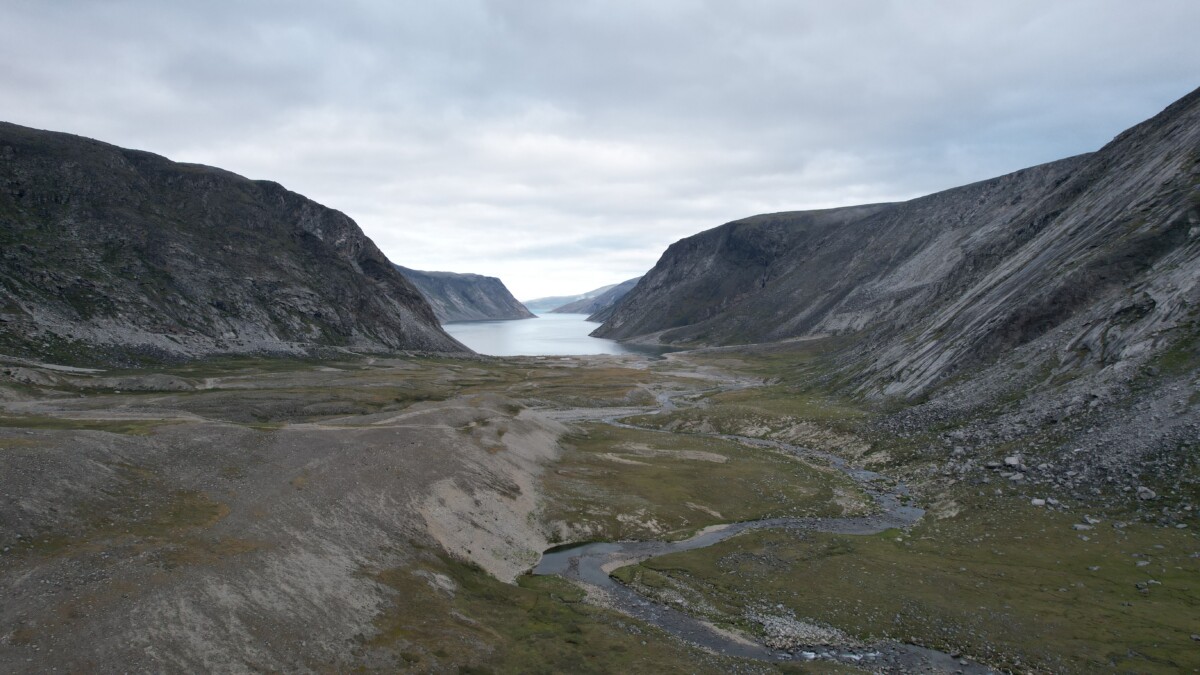
Torngat Mountains National Park in northern Labrador is one of Canada’s hardest national parks to reach, with no road access and a journey that usually involves charter flights or boats. The payoff is a vast Arctic landscape of sharp mountains, fjords, lakes and coastline, alongside an Inuit cultural landscape that deserves more than a hurried stop.
A recent feature by Explore has brought fresh attention to the park, which sits at the northern tip of Labrador. It is a useful reminder that Canada’s national parks extend far beyond familiar Rockies names such as Jasper and Banff. Torngat is a serious expedition-style trip, not a park you add casually to a driving holiday.
Why Torngat Mountains National Park Takes Planning
The park covers almost 9,700 square kilometres of northern Labrador, beside the Labrador Sea and close to the border with Nunavut. It has no public roads, petrol stations, shops or conventional park campgrounds, so visitors need to arrange transport, accommodation, food and safety support before arriving.
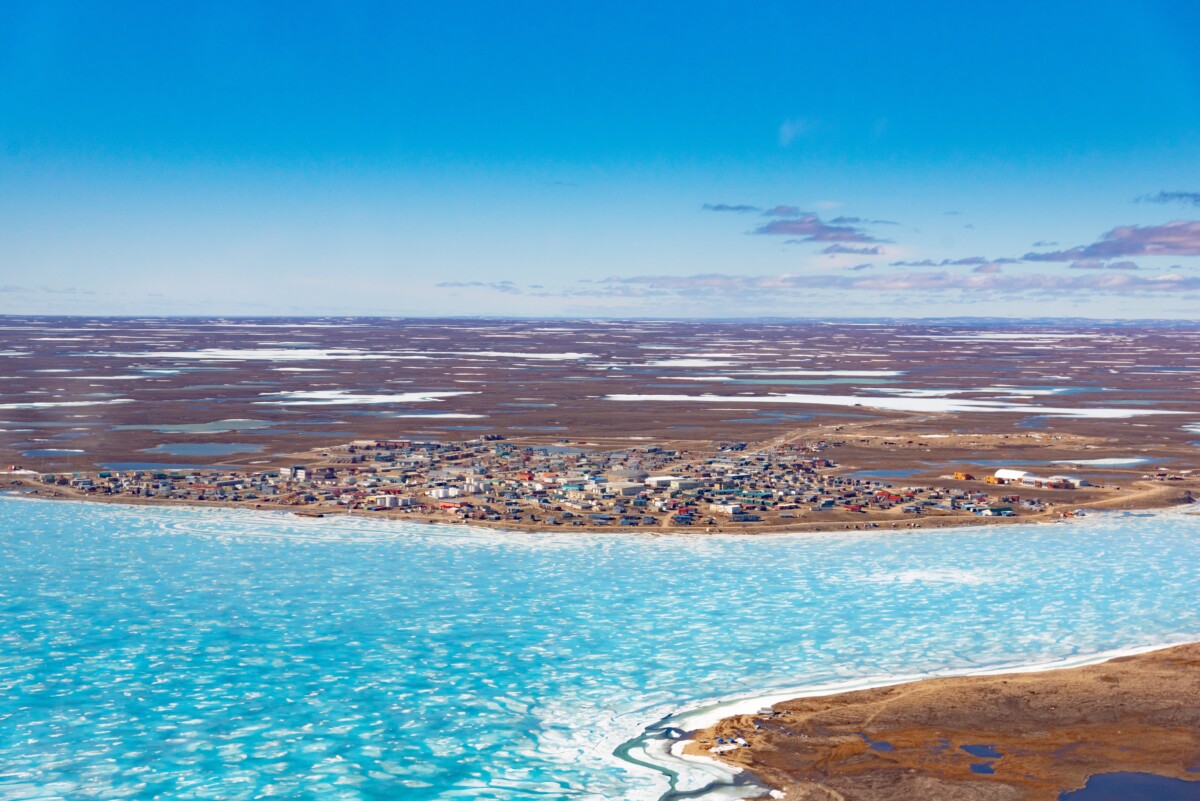
Torngat Mountains National Park is accessible only by air or sea. Most independent travellers begin by reaching Happy Valley-Goose Bay, then arrange onward transport through an operator. Weather can delay flights and boat trips, so tight connections are a poor idea here.
Visitors should also understand the wildlife risk. The area is polar bear country, so travellers need a proper bear-safety plan. A local guide or organised trip provides practical support in terrain where help is a long way off and mobile coverage should not be assumed.
A National Park Shaped by Mountains, Water and Inuit Culture
Torngat Mountains National Park was established in 2005 to protect part of the Torngat Mountain range and the cultural landscape of Labrador Inuit. The park is managed in partnership with Inuit of Labrador, reflecting the long-standing connection between Inuit communities and this part of the coast.
Hiking is a major reason travellers make the journey. Routes are generally unmarked and conditions can change quickly, so the experience is far removed from a maintained trail near a visitor centre. The scenery includes steep peaks rising above fjords, broad valleys, alpine lakes and glacial features, but it comes with exposure, rough ground and very limited services.
That combination is precisely why the park appeals to experienced outdoor travellers. It offers space and remoteness on a scale that is increasingly difficult to find in parks served by highways, shuttle buses and busy trailheads.
How to Visit Torngat Mountains National Park
For most holidaymakers, an organised trip is the realistic way to visit. Operators can arrange transport, accommodation, meals, local guides and bear-safety procedures, removing a fair bit of logistical guesswork. It is still wise to read the itinerary closely, especially the cancellation terms and what happens if weather disrupts travel.
- Allow extra time: flights and boats in northern Labrador depend on weather conditions.
- Book transport before finalising flights: park access has limited capacity and operates seasonally.
- Pack for cold, wind and rain: even summer conditions can be raw on the coast and at higher elevations.
- Bring suitable hiking gear: sturdy waterproof boots, layered clothing and a reliable waterproof outer shell are basic requirements.
- Follow wildlife guidance: do not set out alone in polar bear habitat without an appropriate safety plan.
For a less remote Canadian mountain break, the practical comparison is very different. Banff and Jasper have road access, a wider choice of accommodation and established visitor infrastructure. Torngat suits travellers who see reaching the place as part of the trip, and who are prepared to pay for specialist transport and guidance.
When Is the Best Time to Go?
The main visitor season is short and generally falls during the Arctic summer, when daylight is long and sea and air access are more workable. Exact operating dates vary by provider and weather conditions, so check directly with your chosen operator and review the latest safety advice before booking.
Summer does not remove the need for proper preparation. Wind, fog, rain and rapid temperature changes can all affect travel and hiking plans. A flexible itinerary is useful anywhere in Canada, but it is essential here.
Is Torngat Mountains National Park Worth the Effort?
Torngat Mountains National Park is worth the effort for travellers who want a remote, guided Arctic experience and can commit the time and budget needed to reach it. It is less suitable for a quick national-park stop, a first hiking trip or anyone who needs guaranteed daily plans.
The park’s appeal lies in its remoteness, Indigenous cultural context and dramatic terrain, not in easy access. That makes careful preparation part of the experience. Pack sensibly, leave room for weather delays and treat local guidance as essential rather than optional. For the long flight to Labrador, these long-haul flight comfort tips may also make the journey a little easier.
Frequently Asked Questions
Can You Drive to Torngat Mountains National Park?
No. There are no public roads into Torngat Mountains National Park. Visitors can reach the park only by air or sea, usually through a charter service or organised operator.
Do You Need a Guide in Torngat Mountains National Park?
A guide is strongly advisable because the park has challenging unmarked terrain, limited facilities and polar bear habitat. Many visitors join guided trips that include transport, accommodation and local safety support.
What Should You Pack for Northern Labrador?
Pack waterproof outer layers, insulating layers, sturdy hiking boots, sun protection and any personal medication you need for the full trip. Travel providers supply their own packing guidance, and it is sensible to follow it because replacement supplies are not readily available once you leave the main towns.
