
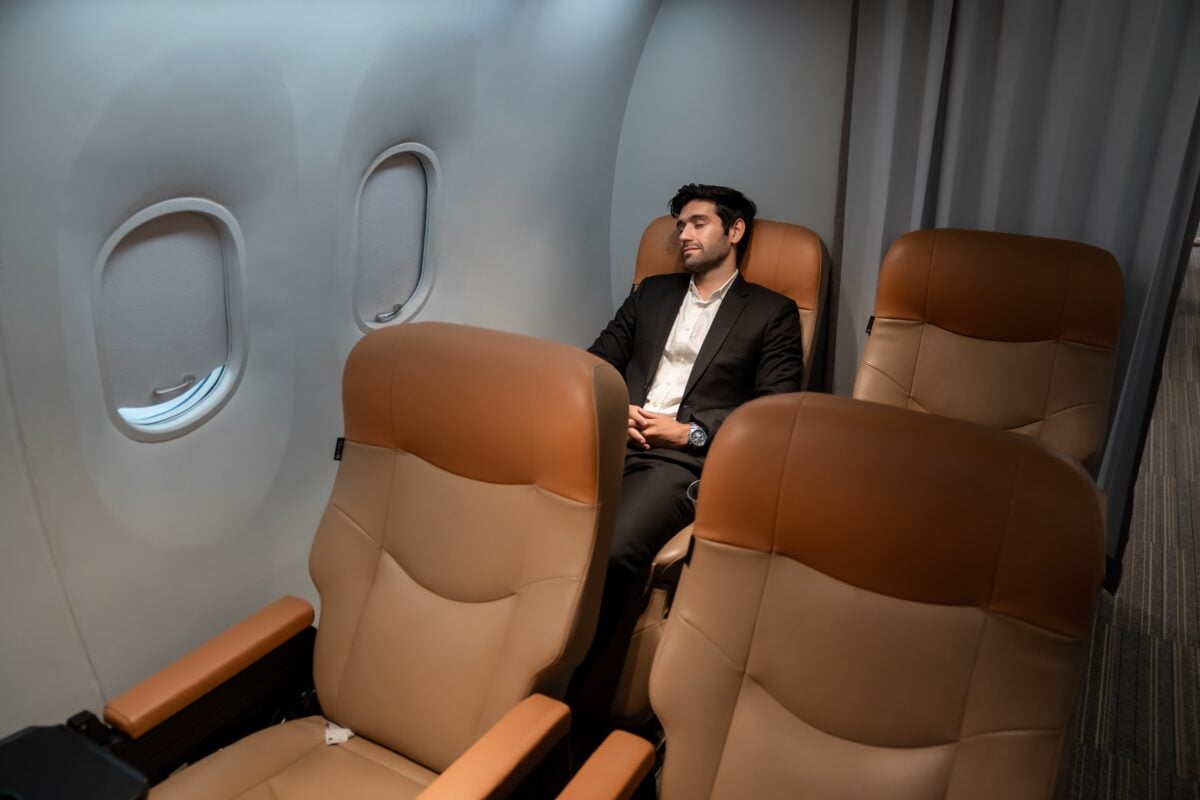
Long-haul flights are easier when you plan for dehydration, poor sleep, temperature swings, and limited movement before you even board. Frequent flyers tend to follow the same routine every trip: wear loose layers, bring a proper neck pillow, hydrate consistently, avoid heavy meals and alcohol, move around every few hours, and build a small in-flight kit with essentials you cannot rely on the airline to provide. These habits matter far more than your seat class on flights lasting 8 to 15 hours.
Comfort on overnight routes like New York to Tokyo, Los Angeles to Sydney, or London to Singapore usually comes down to preparation. A few small decisions before departure can reduce jet lag, stiffness, dry skin, swollen feet, and post-flight exhaustion.
What actually makes long flights more comfortable?
The biggest difference comes from managing four things consistently: hydration, posture, sleep, and circulation. Cabin humidity on commercial flights is extremely low, according to the International Air Transport Association, which is why frequent travelers often avoid excessive caffeine and alcohol during overnight journeys.
Comfort also improves when you stop relying on the airline for essentials. Bringing your own eye mask, refillable water bottle, compression socks, snacks, and entertainment setup gives you more control over the flight experience.
| Comfort Issue | What Frequent Flyers Do |
|---|---|
| Dryness and headaches | Drink water regularly and limit alcohol |
| Poor sleep | Use layered clothing, neck support, and an eye mask |
| Leg stiffness | Walk every few hours and wear compression socks |
| Seat discomfort | Bring lumbar support or a compact travel cushion |
| Jet lag | Adjust sleep timing before departure |
Dress for cabin temperature changes, not the airport
Cabin temperatures can shift dramatically during long-haul flights. Many travelers board in clothing suited for a warm terminal, then spend eight hours freezing under weak airline blankets.
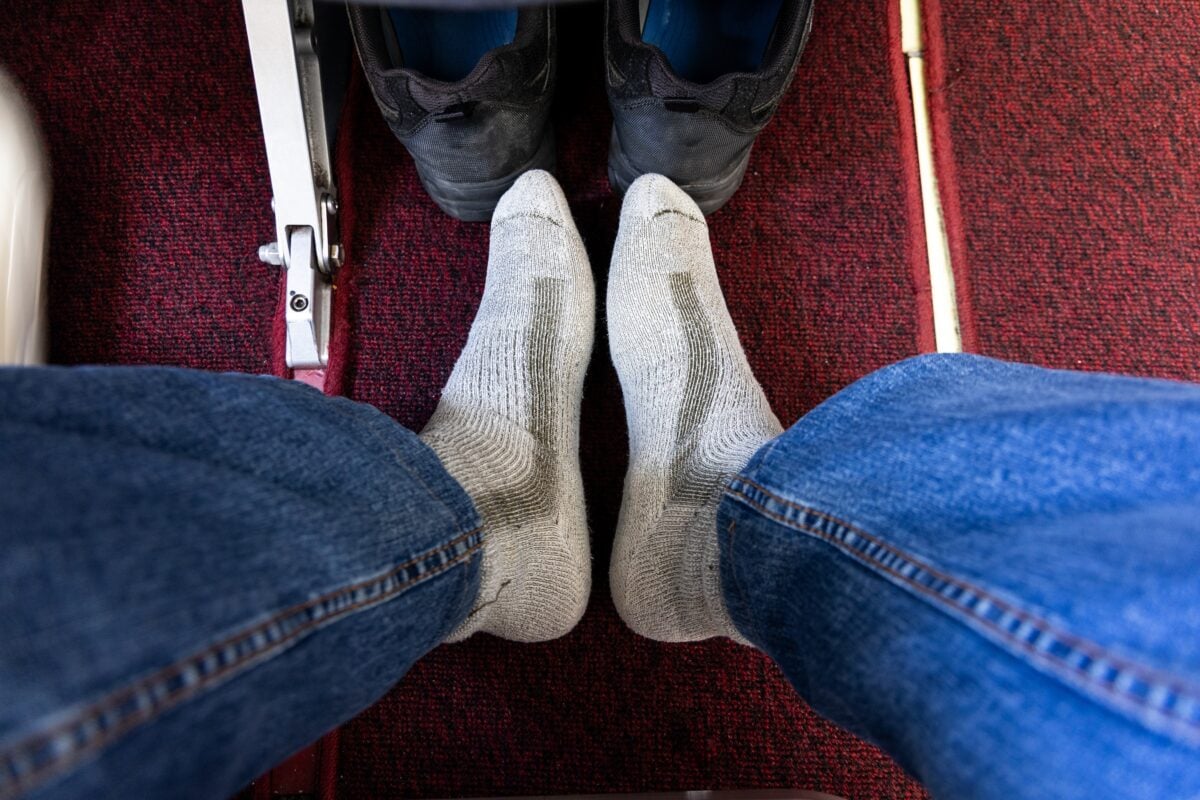
Frequent flyers usually travel in breathable layers instead. A lightweight hoodie, soft joggers or relaxed trousers, moisture-wicking shirt, and compression socks tend to work better than jeans or restrictive clothing.
Shoes matter too. Feet often swell during long periods of sitting, especially on overnight routes. Slip-on sneakers or soft trainers are easier to manage than tight footwear.
If you are packing for multiple climates, guides like this roundup of useful travel gear can help you narrow down what is genuinely useful in transit.
Bring your own sleep setup
Sleeping on planes gets harder as flights get longer. Noise, upright seating, cabin lighting, and constant interruptions all work against you.
Experienced travelers rarely rely on airline pillows. Instead, they build a small sleep kit that fits easily into a carry-on:
- Memory foam or inflatable neck pillow
- Contoured eye mask
- Noise-canceling headphones or earplugs
- Lightweight scarf or extra layer
- Lip balm and moisturizer
Choosing the right seat also helps. Window seats are usually better for uninterrupted sleep because you can lean against the cabin wall and avoid being disturbed by aisle traffic.
For ultra-long-haul routes over 12 hours, some travelers intentionally split sleep into shorter cycles instead of forcing a full overnight rest. That approach can reduce grogginess after landing.
Hydration affects comfort more than most travelers realize
Dry cabin air can lead to headaches, fatigue, dry skin, and sinus irritation before the flight is even halfway done. According to the CDC Yellow Book, dehydration is a common issue during air travel.
Frequent flyers often start hydrating before departure instead of trying to catch up mid-flight. They also avoid relying entirely on cabin beverage service.
A reusable water bottle is one of the simplest upgrades you can make for long flights. Most international airports now have refill stations after security.
Alcohol has a stronger effect at altitude, especially combined with sleep deprivation. That is why many seasoned travelers limit drinks during overnight flights, even in premium cabins.
Move around before you feel stiff
Sitting still for 10 or more hours can leave you sore long after landing. Movement matters for circulation and general comfort, particularly on overnight routes.
The UK National Health Service recommends regular movement during long journeys to help reduce the risk of deep vein thrombosis (DVT).
Frequent flyers usually avoid staying seated for entire movie runtimes or sleeping in the same position for hours. Instead, they build movement into the flight naturally by walking the aisle periodically, stretching near the galley, or doing simple ankle and calf exercises in their seat.
Compression socks are especially common on flights longer than eight hours. They are inexpensive, easy to pack, and can reduce swelling during extended travel days.
Eat strategically before and during the flight
Heavy meals and salty snacks can make long flights feel worse. Bloating and dehydration tend to hit harder in the air than they do on the ground.
Frequent travelers often eat a balanced meal before boarding, then use snacks to manage hunger instead of relying entirely on airline meal timing.
Portable snacks that travel well include:
- Protein bars
- Nuts or trail mix
- Fruit with low mess potential like grapes or apples
- Crackers or oat-based snacks
- Electrolyte packets
Bringing your own snacks also helps during delays, missed meal services, or late-night arrivals when airport food options are limited.
Build a small in-flight comfort kit
The travelers who look relaxed on hour 11 of a long-haul flight usually have a system. Instead of digging through overhead luggage repeatedly, they keep essential comfort items accessible in one pouch under the seat.
A practical in-flight kit often includes charging cables, moisturizer, hand sanitizer, tissues, medication, lip balm, headphones, and travel documents.
Keeping essentials organized also speeds up security and boarding. Travelers planning multi-stop trips often use organizational guides like this trip planning guide or adaptable packing frameworks such as this family beach packing list to simplify carry-on packing.
BreezeHug
BreezeHug 4 Pcs Travel Comfort Kit with Memory Foam Travel Pillow Airplane Footrest Hammock…
We earn a commission if you buy through this link, at no extra cost to you.
Manage jet lag before departure, not after landing
Jet lag recovery starts before your flight leaves. Frequent international travelers often adjust sleep schedules gradually in the days leading up to departure, especially when crossing multiple time zones.
Changing meal timing and sleep hours slightly ahead of the trip can reduce the shock of arriving somewhere like Europe from the US East Coast or Australia from North America.
Light exposure also matters. Morning sunlight after arrival helps your body adjust faster to a new schedule. The Sleep Foundation notes that timed light exposure is one of the most effective ways to shift circadian rhythm during travel.
Some travelers try to stay awake until local bedtime immediately after arrival, but that strategy is not always realistic after ultra-long-haul flights. A short nap can help if you set an alarm and keep it limited.
Seat selection matters more than upgrades for many travelers
Business class helps, but seat choice in economy can still improve a long-haul experience significantly.
Window seats are usually better for sleeping. Aisle seats work better if you move around often or want easier bathroom access. Bulkhead rows offer extra legroom on some aircraft, though they sometimes limit under-seat storage.
Many experienced travelers also avoid seats near lavatories or galley areas because of noise and foot traffic during overnight flights.
Checking aircraft layouts before booking can help. Tools like SeatGuru were once the standard for this, though many travelers now compare layouts directly through airline booking systems.
Plan for the arrival day too
The flight itself is only part of the experience. Long-haul travel gets harder when you land exhausted with no plan for transport, meals, or early check-in.
Frequent flyers often prepare arrival logistics before departure, especially for international routes with late-night arrivals or complicated public transport systems.
Simple preparation can make a major difference:
- Download offline maps before departure
- Arrange airport transfer details in advance
- Keep one clean change of clothes in your carry-on
- Pack basic toiletries separately from checked luggage
- Know your accommodation check-in policy
Travel planning resources like this guide to saving money for travel and this cold-weather packing checklist can also help streamline longer international trips where multiple flights and climate changes are involved.
Final thoughts
Long-haul flight comfort usually comes down to preparation, not luck. Travelers who consistently handle 10 to 15 hour flights well tend to follow repeatable habits instead of searching for miracle products.
Wear comfortable layers, stay hydrated, move regularly, build a proper sleep setup, and keep key essentials within reach. Those small adjustments can make economy feel far more manageable, especially on overnight international routes.
If you have a major trip coming up, test your setup on shorter flights first. Finding the right pillow, layering system, or hydration routine before a long international journey can make the entire travel day easier. ::contentReference[oaicite:0]{index=0}
