
Escaping a Northern Hemisphere winter does not have to mean spending two weeks beside a resort pool. Australia and New Zealand are in the middle of summer when Europe and North America are dealing with their coldest months, making December through February an appealing time for a road trip.
Two particularly manageable options are Australia’s Great Ocean Road from Melbourne and a North Island road trip from Auckland in New Zealand. Both combine easy international access with scenery that starts appearing fairly soon after leaving the city.
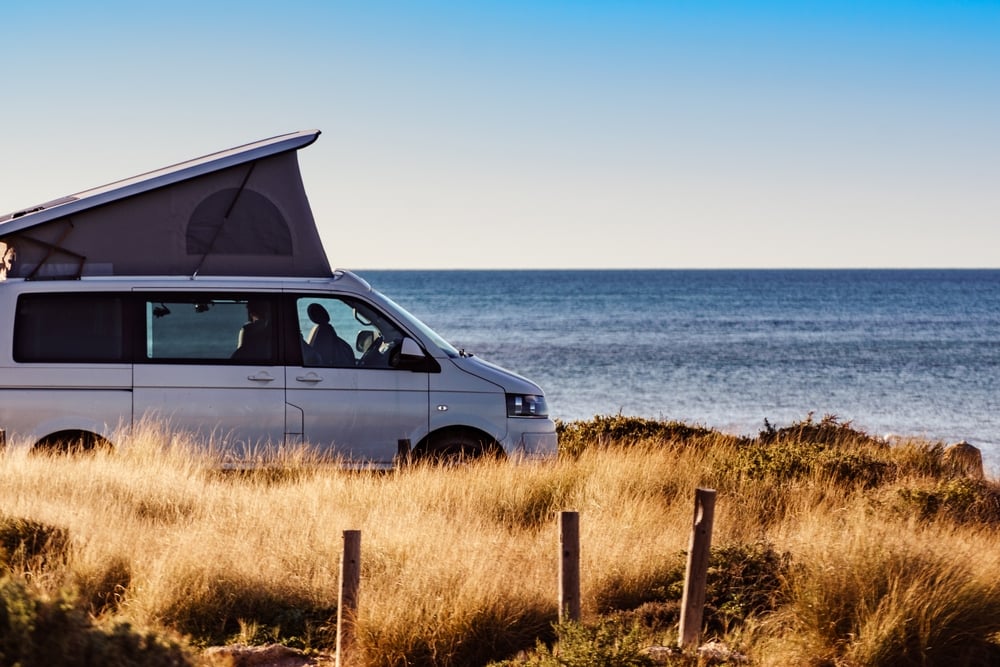
A campervan suits these routes because transport and accommodation travel together. It also gives you some freedom to adjust the itinerary around weather, road conditions or an unexpectedly good beach. That last one has ruined many carefully planned schedules, usually for the better.
Australia vs New Zealand Campervan Road Trip at a Glance
| Road Trip | Great Ocean Road, Australia | North Island, New Zealand |
|---|---|---|
| Starting point | Melbourne | Auckland |
| Good trip length | 3–5 days | 7–10 days |
| Best for | Coastal scenery, beaches, wildlife and shorter trips | Beaches, geothermal areas, lakes and longer road trips |
| Summer temperatures | Melbourne’s long-term January average high is around 27°C/80°F | Typical New Zealand summer daytime temperatures are around 20–25°C/68–77°F |
| Driving | Scenic coastal roads with frequent stops | Often winding roads where distances can take longer than expected |
| Camping | Rules vary by council, park and campsite | Freedom camping is regulated nationally and locally |

When to Go
December, January and February are summer months in both Australia and New Zealand. They bring longer daylight hours and warmer conditions, which makes them attractive for anyone looking to trade a cold winter at home for time outdoors.
They are also busy months. Christmas, New Year and school holidays can put pressure on campervan availability and popular coastal campgrounds, so booking the vehicle ahead is sensible if the dates are fixed.
Late November, early December, February and early March can be worth considering if the schedule is flexible. You may still get good road-trip weather without quite as much peak-season demand.
What Summer Temperatures Are Actually Like
Australia and New Zealand may both be having summer, but that does not mean the weather is identical.
- Melbourne: The long-term average January maximum is about 26.8°C (80°F), with an average minimum around 16.6°C (62°F).
- New Zealand: Typical summer daytime temperatures are generally around 20–25°C (68–77°F).
- Auckland and Northland: Summer is generally warm, but rain, cloud and breezier days are still entirely normal.
- Australian heat: Victoria can experience periods far hotter than the monthly averages, so forecasts and fire conditions matter during summer.
- Evenings: A light sweater or jacket is still useful, particularly along exposed coastlines and in elevated parts of New Zealand.
The practical packing strategy is therefore shorts, sunscreen and a few layers. “Summer” is a season, not a legally enforceable promise of 25°C sunshine.
If climate is playing a big part in the destination decision, this guide to countries with some of the best weather year-round has more ideas for planning a trip around favorable conditions.
Melbourne to the Great Ocean Road
The Great Ocean Road is a good choice when time is limited. Melbourne has a major international airport, and the start of the coastal route at Torquay is roughly 100 kilometers southwest of central Melbourne.
For anyone arriving by air and heading directly onto the road, it can make sense to collect the vehicle before entering central Melbourne. Travelers who pick up a campervan in Melbourne from Travellers Autobarn, for example, can stock up on food and supplies before turning southwest toward Torquay and the coast.
It is technically possible to drive from Melbourne to the Twelve Apostles and back quickly. It is not a particularly good way to experience the road. Most of the appeal comes from what happens between the famous stops: beaches, forest, small coastal towns, lookouts and plenty of reasons to pull over.
Stops Worth Building Into the Route
- Torquay: The traditional starting point for the Great Ocean Road and one of Australia’s best-known surfing towns.
- Bells Beach: A famous stretch of surf coast just outside Torquay.
- Lorne: A lively coastal town that works well for lunch, a swim or an overnight stop.
- Apollo Bay: A practical base with campsites, restaurants and supermarkets, plus easy access to the Otways.
- Great Otway National Park: Rainforest, waterfalls and eucalyptus forest provide a complete change from the open coast.
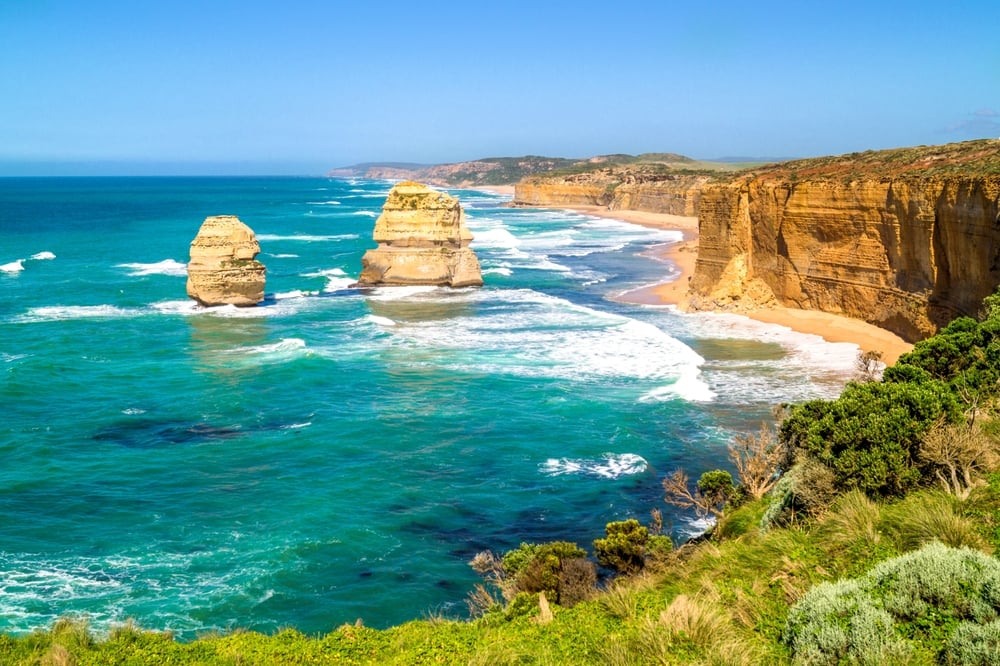
- Twelve Apostles: The most famous landmark along this part of the route.
- Loch Ard Gorge: Close enough to the Twelve Apostles that it makes little sense to skip it.
- Port Campbell: A small town in a useful location for an overnight stop near the major limestone formations.
The route also passes through areas where koalas may be seen in eucalyptus trees. Sightings are possible rather than guaranteed, which is probably for the best since nobody has yet persuaded Australian wildlife to work from a tourism timetable.
Summer conditions in Victoria can sometimes include extreme heat and bushfire risk. Parks Victoria publishes current park information and closures, so it is worth checking conditions before setting off into national park areas.
How Many Days Do You Need?
- 2 days: Enough for a fast highlights trip, but there will be quite a lot of driving.
- 3 days: A reasonable minimum for Torquay, Lorne, Apollo Bay and the Twelve Apostles.
- 4–5 days: Better if you want beaches, short walks, forest detours and slower mornings.
- 7 days: Gives enough time to extend the road trip farther west or loop inland through Victoria.
For most people, three to five days strikes a good balance. The road is not enormous, but treating it purely as a route from Point A to Point B rather misses the point.
Auckland and New Zealand’s North Island
New Zealand’s North Island needs a little more time, largely because there are several directions worth taking from Auckland. Head north and the landscape becomes increasingly coastal around Northland and the Bay of Islands. Head south and the trip changes completely, with geothermal areas, lakes and volcanic country around Rotorua and Taupo.
Campervan rental depots are clustered around Auckland and the airport area rather than the tourist heart of the city. If the plan is to leave Auckland fairly quickly, collecting from Travellers Autobarn’s Auckland depot or another airport-area rental location can avoid bringing a larger vehicle into central Auckland unnecessarily.
Before leaving, international drivers should also spend a few minutes getting familiar with local rules. New Zealand drives on the left, and the New Zealand Transport Agency’s guidance for visiting drivers covers the main differences overseas visitors should know.
The other adjustment is driving time. New Zealand looks relatively compact on a map, but rural journeys regularly involve bends, hills, narrow sections and slower traffic. Two hundred kilometers is not always the quick hop it might appear to be.
North to the Bay of Islands
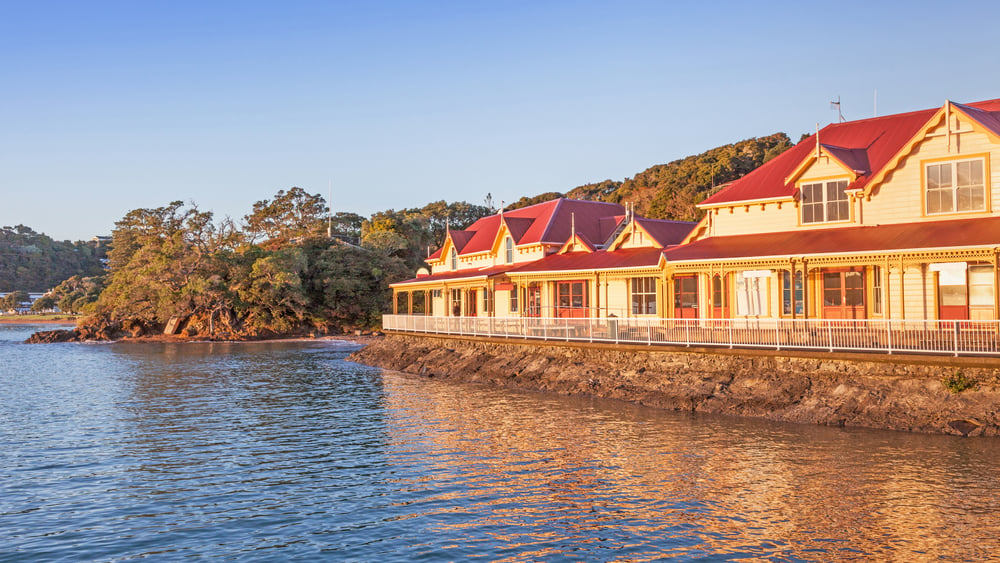
Paihia sits roughly 230 kilometers north of Auckland and makes a practical base for exploring the Bay of Islands. The direct drive can be completed in a few hours, but leaving most of the day available makes it easier to stop along the way.
- Whangarei: A convenient break in the journey north, with shops, places to eat and nearby waterfalls.
- Paihia: The main base for cruises and trips around the Bay of Islands.
- Russell: A smaller historic settlement reached across the water from Paihia.
- Northland: Continue farther north if quiet beaches and smaller coastal communities are a bigger priority than rushing back to Auckland.
One advantage of staying around Paihia is being able to park up for a while. Ferries and boat trips provide access to surrounding areas, giving everyone, including the driver, a day off from staring through a windscreen.
South to Rotorua and Taupo
The southbound option feels like a different trip. Rotorua is known for its geothermal landscape, while Taupo adds a huge lake and easy access to the volcanic center of the island.
Rotorua is roughly three hours from Auckland in normal conditions, with Taupo farther south. Holiday traffic can stretch those times, so it is better to avoid building an itinerary that depends on arriving somewhere at exactly 4:17 p.m.
The Coromandel Peninsula can also fit into a longer route, particularly for travelers who want more coastal scenery. It deserves proper time, though. Winding roads mean it is better approached as a destination in its own right rather than a quick detour.
What Freedom Camping in New Zealand Actually Means
The phrase “freedom camping” can be misleading. It does not mean finding an attractive beach, parking beside it and declaring the evening sorted.
Camping is regulated nationally and by local authorities, and councils can restrict or prohibit overnight stays in particular areas. Some locations allow camping only in certified self-contained vehicles.
New Zealand’s self-containment system has also changed. Following the end of the transition period in June 2026, travelers should make sure a rental vehicle meets the current certification requirements if they plan to use areas restricted to certified self-contained campervans.
The New Zealand Government’s freedom camping guidance explains the current requirements. Local signs and council restrictions still apply, so checking the rules for each overnight stop is important.
Camping Along the Great Ocean Road
Australia takes a more localized approach. Overnight camping rules can depend on the state, council, national park or individual site, so there is no single rule that applies to every roadside stop.
A beautiful car park beside the ocean is therefore not automatically a free campsite. Often the small sign beside it has other ideas.
Using a mixture of designated campgrounds and holiday parks is often the easiest approach along the Great Ocean Road. Paid sites are also useful every few nights for showers, laundry, electricity, water and the less glamorous side of campervan life.
What to Check Before Renting a Campervan
It is tempting to choose a campervan based mainly on how roomy it looks in photographs. On winding roads and in small towns, however, bigger is not always better.
Before booking, check:
- How many people the van legally seats and sleeps
- Whether bedding and kitchen equipment are included
- Fresh-water and wastewater capacity
- Refrigerator and cooking facilities
- How the leisure battery is charged
- Whether solar power is included
- Insurance excess and roadside assistance
- Daily mileage or kilometer restrictions
- One-way rental fees
- Current self-containment certification in New Zealand
- The vehicle’s height and length
The height measurement is worth storing somewhere easily accessible. Discovering it while approaching the entrance to an underground car park is a considerably less relaxing method.
What to Pack
Summer makes campervan packing relatively simple, but layers still matter in both countries.
- Lightweight T-shirts and shorts
- A sweater or fleece for cooler evenings
- A lightweight waterproof jacket
- Comfortable walking shoes
- Swimwear
- Sun hat and sunglasses
- High-SPF sunscreen
- Reusable water bottle
- Portable battery pack
- Downloaded offline maps
- Small torch or headlamp
- Insect repellent
The waterproof layer is particularly useful in New Zealand. If it stays buried at the bottom of the bag for the entire trip, consider that a victory rather than wasted packing space.
A Few Campervan Road Trip Tips That Actually Matter
- Remember to drive on the left. Take extra care when leaving car parks, petrol stations and quiet side roads.
- Do not make every day a long driving day. The scenery is the trip, not something happening outside while racing to the next campsite.
- Refuel before you need to. Rural fuel stations can be farther apart than expected.
- Check overnight parking rules. Attractive does not necessarily mean legal.
- Allow time to recover after a long-haul flight. Jet lag and unfamiliar roads are not a particularly clever combination.
- Carry plenty of drinking water. This is especially important during hotter spells in Victoria.
- Download maps before leaving cities. Mobile coverage is not guaranteed everywhere.
- Check the weather each morning. It may affect driving, hiking and camping plans.
- Do not fill every hour of the itinerary. Campervan trips work best when there is room to change course.
Sorting travel documents before departure also saves unnecessary trouble at the rental desk. This guide to organizing passports, visas and IDs includes practical ideas for keeping important documents in order while traveling.
How Much Time Should You Allow?
The Great Ocean Road works well as part of a shorter holiday, while New Zealand becomes noticeably more rewarding once there is at least a week available.
- Great Ocean Road: 3–5 days is comfortable for the main coastal route.
- Auckland and the Bay of Islands: Around 5–7 days gives enough time for stops along the way.
- Auckland, Rotorua and Taupo: Allow roughly 5–7 days rather than making each day a lengthy transfer.
- A broader North Island trip: 10–14 days makes it much easier to combine Northland, Rotorua, Taupo and the Coromandel Peninsula.
Longer is not necessarily better if the extra days are simply filled with more driving. One of the advantages of traveling in a campervan is being able to stay somewhere another night when it turns out to be better than expected.
The site’s road trip planning guide also covers useful principles for balancing driving days, stops and route planning on longer trips.
Great Ocean Road or New Zealand’s North Island?
The Great Ocean Road is the easier choice for a shorter escape. The main sights sit along a relatively compact stretch of coastline, Melbourne is a convenient gateway and three to five days can produce a very satisfying trip.
New Zealand’s North Island suits a longer road trip. With a week or more, there is time to choose between Northland’s beaches, Rotorua’s geothermal scenery, Lake Taupo and the Coromandel rather than simply driving past them.
Either works particularly well as an escape from a Northern Hemisphere winter. The basic formula is pleasantly uncomplicated: fly south, collect the vehicle, keep the schedule reasonably loose and spend a few days following the coast.
The Great Ocean Road offers a compact dose of Australian coastal scenery. New Zealand gives you more room to wander. The only genuinely unpleasant part of either itinerary is eventually having to return the campervan and go back to the airport.
