
Équihen-Plage is the French coastal village known for homes made with upside-down fishing boats, a tradition called quilles en l’air. The name translates as “keels in the air,” which is exactly what you see above the modest structures that preserve this working-class maritime history.
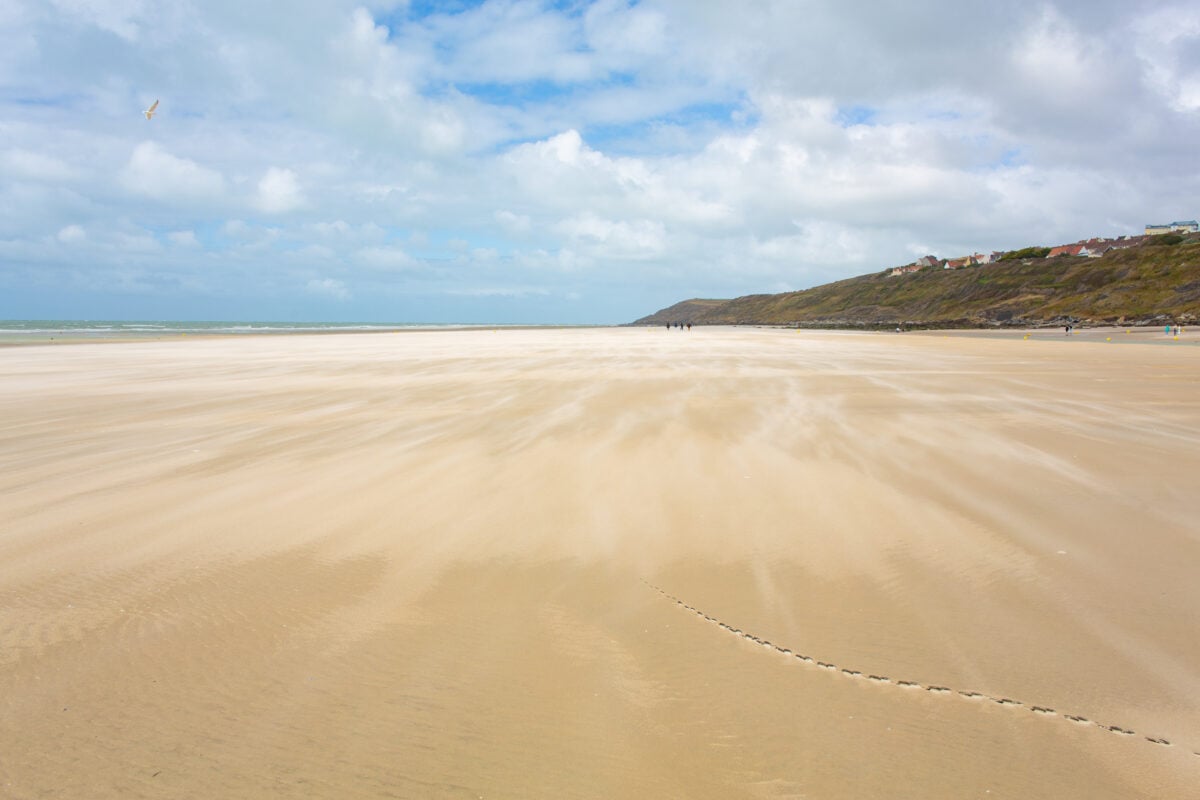
The commune sits on the Côte d’Opale near Boulogne-sur-Mer, along the English Channel in Pas-de-Calais. Its wide shore and large tidal range shaped the local fishing trade, and eventually gave worn-out boats an unexpected second career as roofs.
Where Is the French Village of Upside-Down Boats?
Équihen-Plage is on France’s northern Opal Coast, close to the port city of Boulogne-sur-Mer. The village grew around fishing and is associated with a port d’échouage, or dry harbor, where the sea retreats at low tide.
In a conventional harbor, boats remain afloat at their moorings. At Équihen-Plage, fishermen historically brought their vessels onto the beach and pulled them up the sand. That daily reality was tough on hulls, but it also made the practical reuse of an old boat an obvious solution for households with little money.
How the Quilles en l’Air Began
During the late 19th and early 20th centuries, Équihen-Plage was a fishing community. Its boats included flobarts, traditional northern French vessels designed for shallow water and beach launching. Their broad bows helped handle rough water, while their form suited being moved on logs between sand and sea.
When a fishing boat was no longer usable, some local families did not discard the hull. They turned it upside down, set it over a simple shelter and used the curved hull as a roof. The boat could be treated for weather protection, while doors were cut into the sides of the dwelling.
The resulting homes were small and functional. The inverted hull created a long, low interior, with limited light and little spare room. These were not whimsical holiday cabins when they first appeared. They were economical homes assembled from materials fishermen already had.
Why the Boats Were Turned Upside Down
An upturned hull has a natural curve that sheds rain, much like a roof. For fishing families facing tight budgets, it offered a ready-made covering without the cost of conventional building materials. The practice reflected a local culture in which damaged equipment still had value.
The quilles en l’air tradition grew from poorer fishermen reusing old fishing hulls as shelter. The phrase has also been used for the historic area where these structures stood, the Quartier des Quilles en l’Air.
It is tempting to treat the houses as a piece of coastal eccentricity. Their history is more grounded than that. They speak to seasonal work, difficult tides, limited resources and a community accustomed to making the most of what the sea left behind.
What Happened to the Original Boat Houses?
Many of Équihen-Plage’s historic boat houses were destroyed during the Second World War. The losses were significant enough that the original neighborhood did not survive intact.
The tradition was later revived as part of the village’s maritime heritage. In the 1990s, residents and local supporters reconstructed and created inverted-boat dwellings that recalled the earlier quilles en l’air. Some have been adapted with modern facilities for holiday use, though anyone hoping to book one should verify availability and conditions directly before making plans.
The revival is why Équihen-Plage is best understood as both a historic fishing settlement and a place that has deliberately kept a distinctive piece of its past visible.
What to Look for in Équihen-Plage
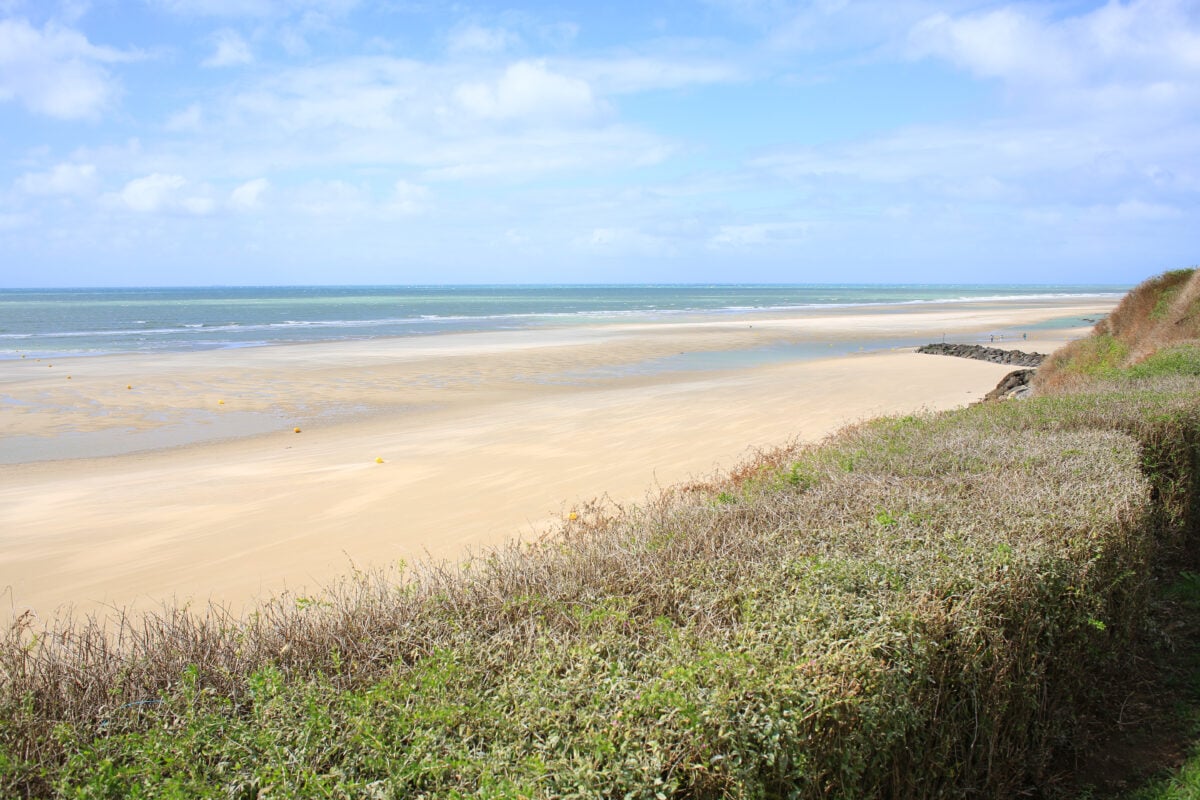
The boat houses are the headline, but they make more sense when viewed alongside the setting. Équihen-Plage’s beach is part of the story: its tidal shore was once a working space where boats had to be beached and hauled out, not merely a place for a seaside stroll.
- Inverted hulls: Look for the unmistakable raised keel line above the walls, the feature that gives quilles en l’air their name.
- The Opal Coast setting: The shore explains the village’s dry-harbor history and its close relationship with fishing boats.
- Boulogne-sur-Mer nearby: This major fishing port provides useful geographic context for Équihen-Plage’s former fishing economy.
- Reconstructed heritage: Treat the surviving and rebuilt examples as an interpretation of a lost neighborhood, not as untouched relics from the early 1900s.
Tips for Seeing the Boat Houses Respectfully
Équihen-Plage is a lived-in commune, not an open-air museum. The most considerate approach is to enjoy the architecture from public areas and remember that a quirky roof can still belong to someone’s private space.
The coast is also governed by the tide. If your interest is the village’s fishing history, allow time to look at the beach at different water levels. The contrast helps explain why launching and recovering vessels here required so much effort.
For a deeper read on the place, focus on the connection between the hulls and the shore. The architecture is unusual, certainly, but its logic becomes clear when you picture a boat hauled above the tide line after its final voyage. Fans of unusual colour and character in small towns may also enjoy these famous blue towns that look almost unreal.
Is Équihen-Plage Worth Visiting?
Yes, for people interested in vernacular architecture, coastal history and unusual French places. The quilles en l’air give Équihen-Plage a genuine story that goes well beyond novelty, especially for anyone already exploring the Opal Coast or Boulogne-sur-Mer.
It is less suited to a visit built around a major monument or a large museum collection. The reward is seeing how a small fishing community turned worn-out working boats into shelter, then chose to preserve that memory after war had nearly erased the original structures. For a larger-scale history stop elsewhere on a trip, browse the world’s largest history museums.
Frequently Asked Questions
What are the upside-down boat houses in Équihen-Plage called?
They are called quilles en l’air, French for “keels in the air.” The name refers to old boat hulls being inverted so their keels point upward and form a roofline.
Why did people live in upside-down boats in France?
Fishing families in Équihen-Plage reused damaged boats as low-cost roofing material. The practice developed when old hulls were no longer fit for sea and conventional housing was out of reach for poorer households.
Were the boat houses destroyed in the Second World War?
Yes. Most of the historic quilles en l’air were destroyed during the Second World War, after which the tradition was revived through later reconstruction and heritage projects.
Is Équihen-Plage near Boulogne-sur-Mer?
Yes. Équihen-Plage is on the Opal Coast near Boulogne-sur-Mer in the Pas-de-Calais department of northern France.
Are the upside-down boat houses original?
The original historic boat-house district was largely lost during the Second World War. The examples associated with Équihen-Plage today preserve and revive the earlier quilles en l’air tradition.
