
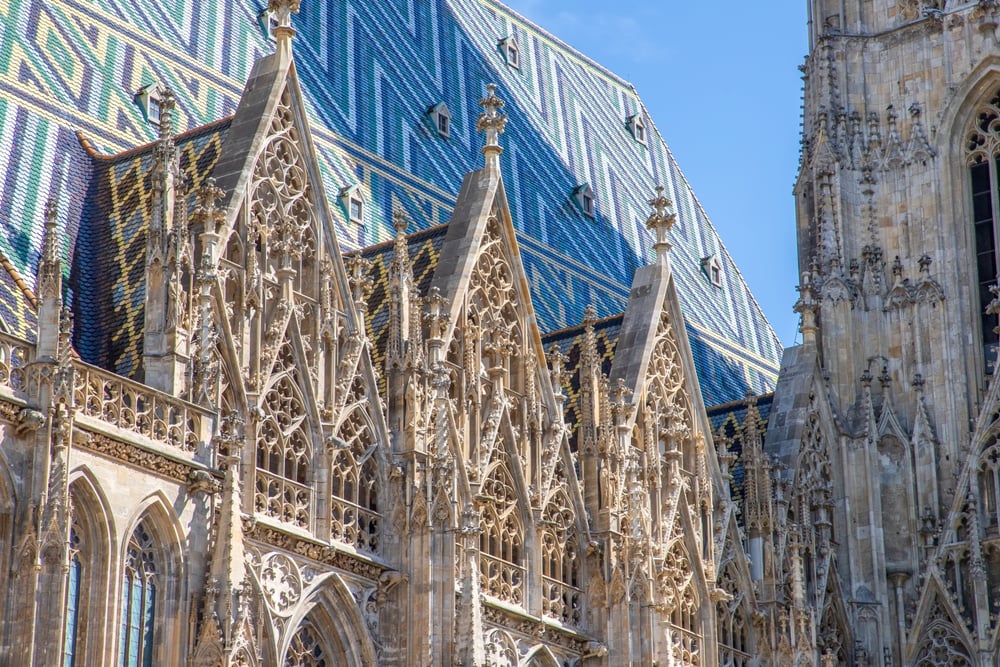
Vienna’s imperial history has an unusual detail hiding behind its grand buildings: some Habsburgs were buried in three places. Their bodies went to the Imperial Crypt, their hearts to the Augustinian Church and their internal organs to St Stephen’s Cathedral.
The Augustinian Church still holds 54 hearts in its Herzgruft, or Heart Crypt. Visiting this small chamber takes more planning than walking into a museum, but it gives a Vienna itinerary a fascinating thread to follow.
This three-day Vienna self-guided audio tour connects those burial sites with the Imperial Treasury, Schönbrunn Palace and the Kunsthistorisches Museum. Along the way, it follows Napoleon’s son, known in Austria as Franz, Duke of Reichstadt, from an extraordinary silver cradle to the room where he died aged 21.
You can organise the route independently and use audio guides inside participating attractions. However, the Heart Crypt and cathedral catacombs require guided visits. An app or audio recording does not replace those tours or include admission.

Plan the Route Around a Sunday
The Heart Crypt is the stop to arrange first. The parish advertises visits after high mass on Sundays and church holidays, with weekday visits available by request. Sunday high mass normally begins at 11am, but the crypt visit follows the service rather than starting at a fixed time.
Confirm the arrangements with the parish before building your whole trip around it, including the tour language and any changes for your date.
The order below puts the Treasury on Sunday, Schönbrunn on Monday and the Kunsthistorisches Museum on Tuesday. This avoids the Treasury’s Tuesday closure and means you are not relying on Monday opening at the art museum. Always check the museum’s date-specific calendar before booking.
| Day | Morning | Afternoon | Planning priority |
|---|---|---|---|
| Sunday | Imperial Treasury, then the Augustinian Church | Imperial Crypt and a café break | Confirm the Heart Crypt visit after high mass |
| Monday | Schönbrunn Palace | Imperial Carriage Museum and the gardens | Reserve palace and carriage museum entry times |
| Tuesday | St Stephen’s Cathedral and a catacomb tour | Kunsthistorisches Museum | Check the cathedral tour board and museum opening arrangements |
If your dates fall differently, keep the same geographical groupings and rearrange the days around confirmed opening times. For a broader sightseeing mix, our guide to things to do in Vienna in three days includes additional stops beyond the imperial story.
Tickets and Audio Guides: What to Check
Budget for admission separately from audio guides, transport and café stops. The prices below are standard adult rates published in October 2026 where confirmed. Seasonal changes, concessions and special exhibitions can affect what you pay.
| Attraction | Adult admission | What to arrange |
|---|---|---|
| Imperial Treasury | €16 online or €18 on site | Reserve a time slot. Normally closed Tuesdays. |
| Augustinian Church Heart Crypt | Confirm with the parish | Guided access after Sunday or holiday high mass, or a requested weekday visit. |
| Imperial Crypt | €15 admission; €21 including a regular guided tour | Check current opening hours and the language of any guided tour. |
| St Stephen’s catacombs | €8 on the cathedral’s visitor information page | Join a public guided tour. Religious services can change the schedule. |
| Kunsthistorisches Museum | Check the current museum ticket options | Check your date, exhibition access and any reservation requirements. |
| Schönbrunn Palace Ticket | €42, subject to seasonal changes | Choose a timed entry. An audio guide or printed description is included, depending on availability. |
| Imperial Carriage Museum | €12 online or €14 on site | Reserve a time slot and check seasonal opening hours. |
The Treasury currently lists a €32 “Treasures of the Habsburgs” combined ticket covering one visit each to the Treasury and Kunsthistorisches Museum. Compare that with the individual tickets, and check how to arrange any required reservations when using a combined ticket.
Use the attractions’ official websites for booking information. The Treasury’s admission page and Schönbrunn Palace Ticket information explain their current entry arrangements.
Choose Audio Guides That Support the Visit
The venue’s own guide is a useful starting point because it follows the rooms and objects on your chosen route. For additional questions about an artwork, Chiaro describes a photo-based audio guide that lets users photograph an object or select an image and ask follow-up questions.
Its website currently lists an iPhone app requiring iOS 16 or later. Check compatibility, access costs and connectivity needs before travelling. Treat third-party explanations as supplementary, and use museum labels or official collection records to confirm names, dates and historical claims.
Bring headphones, keep the volume low and follow photography rules. During church services, put the audio away entirely.
Day 1: The Imperial Treasury and the Heart Crypt
Start with the King of Rome’s Silver Cradle
Book an early Treasury slot if you want to visit before the Augustinian Church service. The museum normally opens at 9am, but leave enough time to enjoy the collection rather than racing through it to reach the next stop.
The cradle made for Napoleon and Marie-Louise’s son in 1811 looks more like a miniature throne than nursery furniture. The City of Paris presented it to the imperial couple, and the museum credits its design to Pierre-Paul Prud’hon. Around 280 kilograms of silver were used in its construction.
The child’s titles tell their own story. Born as the King of Rome, he grew up at the Austrian court after Napoleon’s downfall and became the Duke of Reichstadt. The cradle preserves the ambitions surrounding his birth, rather than the life he eventually led.
Visit the Augustinian Church Respectfully
The Augustinian Church is part of the Hofburg complex, so it pairs naturally with the Treasury. Its Heart Crypt lies beside the Loreto Chapel and contains the heart urns of members of the imperial family buried there between 1654 and 1878.
Sunday visits are announced at the end of high mass. If you attend the service, dress appropriately and remember that this is a working church, not a timed sightseeing performance. Do not assume you can arrive at a particular minute and immediately enter the crypt.
The parish’s guided visit information lists €5 for a requested weekday heart-only tour lasting approximately half an hour. Confirm the price and arrangements for the visit you intend to take rather than assuming that figure applies to every Sunday tour.
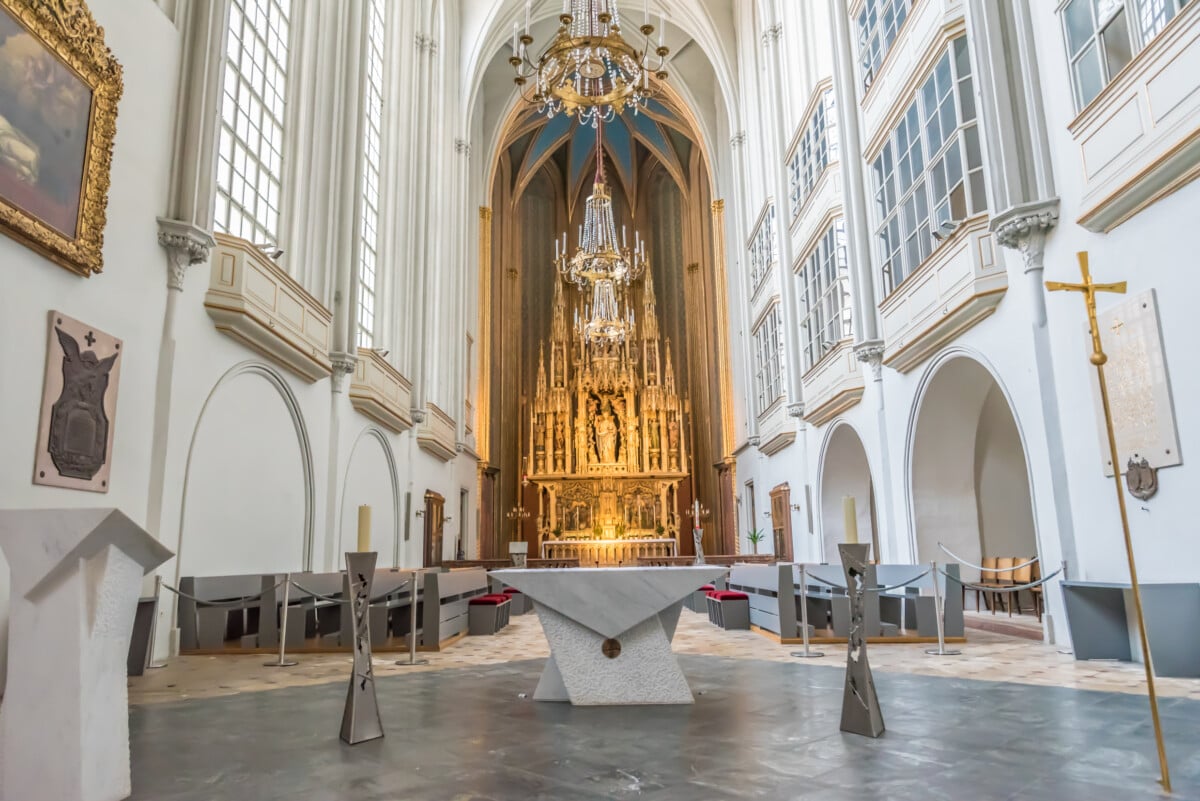
Editorial Credit: Takashi Images / Shutterstock.com
Continue to the Imperial Crypt
A short walk brings you to the Imperial Crypt, also called the Kaisergruft or Capuchin Crypt, on Neuer Markt. Here, elaborate sarcophagi provide the bodily counterpart to the heart burials you have just seen.
Napoleon’s son was originally buried here, but his remains were transferred to Les Invalides in Paris in December 1940. That makes his story slightly different from a straightforward circuit of three intact burial places.
Afterwards, leave time for lunch or a café. Demel on Kohlmarkt is a nearby option for a cake stop, but queues can make it unsuitable for a tightly scheduled break before church. A relaxed afternoon visit makes more sense than trying to squeeze it between timed commitments.
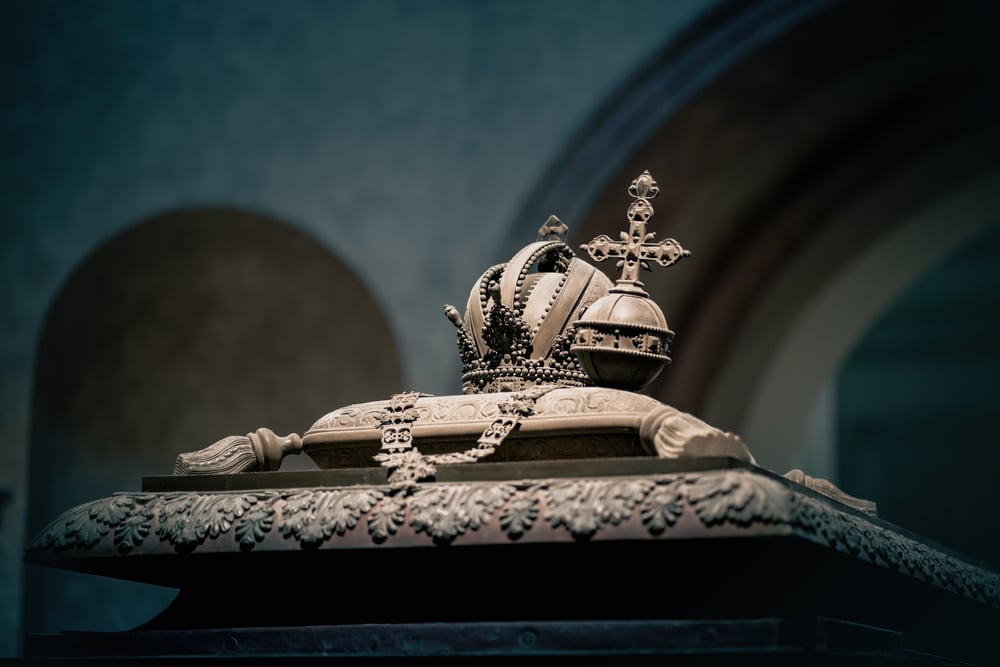
Editorial credit: Diego Grandi / Shutterstock.com
Day 2: Schönbrunn Palace and the Carriage Museum
Book the Palace Route That Includes the Napoleon Room
Schönbrunn deserves a substantial part of the day. The U4 underground line serves Schönbrunn station, with a walk to the palace entrance. Allow extra time between arriving at the station and your booked entry.
Choose the ticket by the rooms it includes, not simply by its price. The Palace Ticket includes the Napoleon Room and has an advertised visiting duration of approximately 75 minutes. Shorter routes do not necessarily cover the same interiors.
The Napoleon Room brings the Duke of Reichstadt’s story to its final chapter. Schönbrunn preserves the bed in which he died from tuberculosis in 1832, along with his stuffed pet crested lark.
Napoleon used Schönbrunn as his headquarters during his occupations of Vienna. The palace describes his use of this particular room as a bedroom as very likely, rather than certain.
The palace’s included audio guide provides context for the interiors. For another perspective before or during your visit, the audio guide for Schönbrunn Palace is an optional third-party resource, separate from the palace’s official guide and admission ticket.
Schönbrunn’s general visitor policy permits personal, non-commercial photography in the state rooms, without flash, tripods or selfie sticks. Follow signs and staff instructions for individual areas. Publishing photographs commercially can require separate permission.
See the Duke’s Childhood Carriage
The Imperial Carriage Museum offers another connection to Napoleon’s son. Its collection includes a children’s carriage made for the King of Rome in 1811–1812, which was drawn by two specially trained Merino sheep.
It is an unexpectedly playful detail after the grandeur of the palace. The wider collection also shows how court transport expressed rank, ceremony and wealth.
Book a separate museum time slot and leave a comfortable gap after your palace visit. The carriage museum’s opening hours shorten in winter, so check them before planning a late afternoon visit.
Finish in the Gardens
If the weather and your energy allow, continue through the gardens towards the Gloriette. The uphill walk gives you a different view of the palace and provides a welcome change from indoor sightseeing.
The main palace park is free to enter, but attractions such as the Gloriette viewing terrace and certain special gardens require separate tickets. Check café and garden opening times rather than assuming everything remains open until sunset.
For help choosing a season with comfortable walking weather and sufficient daylight, see our guide to the best time to visit Vienna.
Day 3: St Stephen’s Cathedral and the Kunsthistorisches Museum
Go Beneath St Stephen’s Cathedral
St Stephen’s Cathedral completes the burial story. Part of the cathedral can be entered without a sightseeing ticket, but the paid visitor areas, towers and catacombs have separate admission arrangements.
The cathedral’s published catacomb schedule lists tours from 10am on Mondays to Saturdays, with afternoon tours on Sundays and holidays. Individual visitors normally do not need to register, but check the tour board on arrival. Services and other church events can interrupt sightseeing.
The catacombs contain the Ducal Crypt and urns holding the internal organs of Habsburg family members. Visiting involves stairs, so contact the cathedral beforehand if step-free access is essential.
If you also want to visit the towers and cathedral museum, compare the cathedral’s all-inclusive ticket with individual admissions. Do not add every option automatically: the South Tower alone involves 343 steps, and you still have an art museum ahead of you.
Look for Velázquez’s Portraits of Margarita Teresa
At the Kunsthistorisches Museum, turn from burial customs to the family’s public image. Velázquez’s portraits of the Spanish Infanta Margarita Teresa show how royal children were presented to distant relatives and prospective marriage partners.
The portrait of Margarita in a blue dress dates from 1659, when she was eight. She later married Emperor Leopold I, connecting the Spanish and Austrian branches of the Habsburg family.
Use the current gallery map or ask staff where the portraits are displayed. Loans and exhibition changes can alter what is on view, so avoid planning around the assumption that every painting will always occupy the same room.
This is a good place to slow down with an audio explanation. Start with the label, then explore questions about the clothing, court etiquette and why portraits travelled between royal households. Leave time to look at the painting itself rather than spending the whole visit looking at your phone.
Practical Tips for This Vienna Route
- Choose a convenient base: Staying near the old centre or a useful underground connection reduces travelling between visits. Our guide to where to stay in Vienna compares neighbourhoods and accommodation options.
- Keep bookings accessible: Save ticket confirmations, entry times and parish correspondence where you can retrieve them easily.
- Check transport products: Choose a Wiener Linien ticket that matches your journeys and follow its activation or validation instructions.
- Allow for stairs and walking: The catacombs, tower climbs and Gloriette hill have different access demands. Ask venues about suitable alternatives before booking.
- Leave proper breaks: Lunch, coffee and somewhere to sit belong in the itinerary, particularly when combining large museums.
With an extra day, you can change pace with one of these day trips from Vienna rather than adding another palace to an already full schedule.
The reward of this route is the connection between the places. A cradle, a heart urn, a childhood carriage and a palace bedroom become parts of one story. Book the restricted visits first, leave room for cake and give each stop enough time to make sense.