
Turning up in Reykjavik with a list so long it reads like a cry for help is surprisingly easy. Forty-eight hours, seventeen “essential” stops, and no real allowance for the fact that shops and museums close embarrassingly early is a common mistake. Optimism does not stretch opening hours.
The good news is that Reykjavik is genuinely walkable in summer, compact enough to cover a lot without a car, and unusual enough that even unplanned stops tend to be interesting. In winter, conditions are far less forgiving. Temperatures hover around freezing, often with snow, so proper layers are not optional. Here’s what is actually worth your time.
Quick Answer: Best Attractions in Reykjavik
| Attraction | Type | Quick Note |
|---|---|---|
| Hallgrímskirkja | Landmark / viewpoint | Pay for tower access, worth it |
| Harpa Concert Hall | Architecture / culture | Free to walk around inside |
| National Museum of Iceland | History museum | Free Wednesdays, closes 5pm |
| Old Harbour + Sun Voyager Statue | Waterfront walk | Always accessible |
| Nauthólsvík Geothermal Beach | Outdoor / thermal | Heated by geothermal water |
| Laugardalur Valley and Park | Green space | Good for a wander |
| Sky Lagoon | Thermal spa | Reykjavik’s big spa experience |
| Árbær Open Air Museum | History / culture | Outdoor museum of old Iceland |
| Grandi District | Neighbourhood | Harbour-side, good for exploring |
| Bæjarins Beztu Pylsur | Food | A hot dog stand. Genuinely do it. |
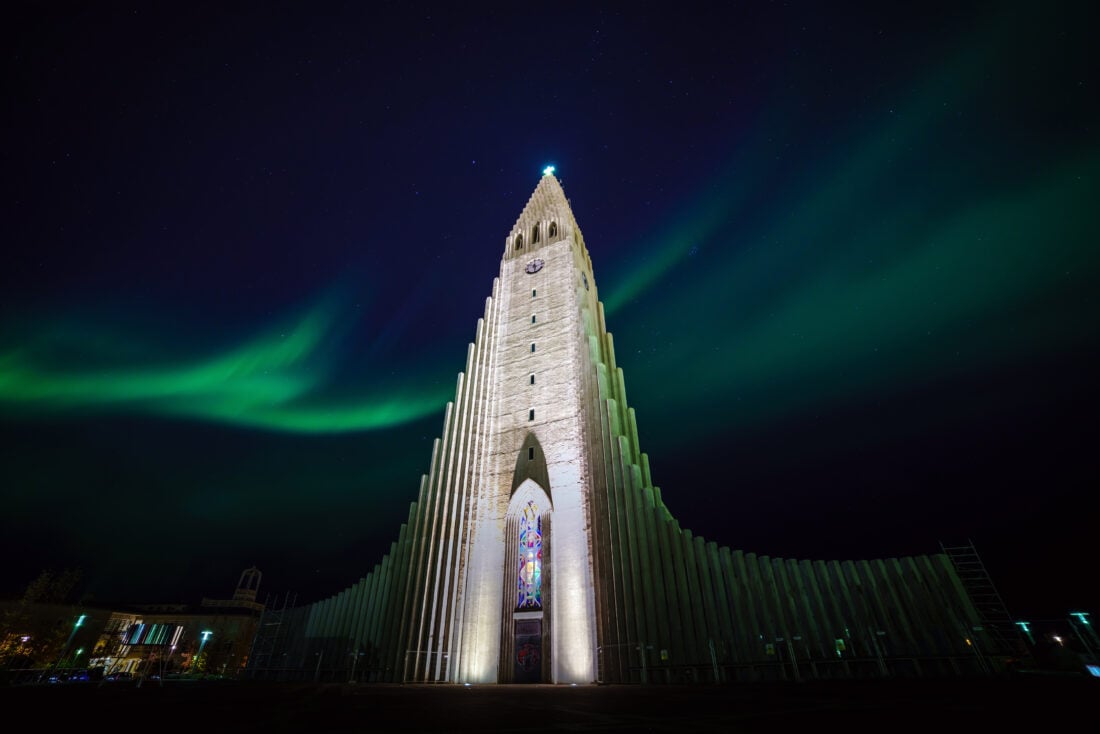
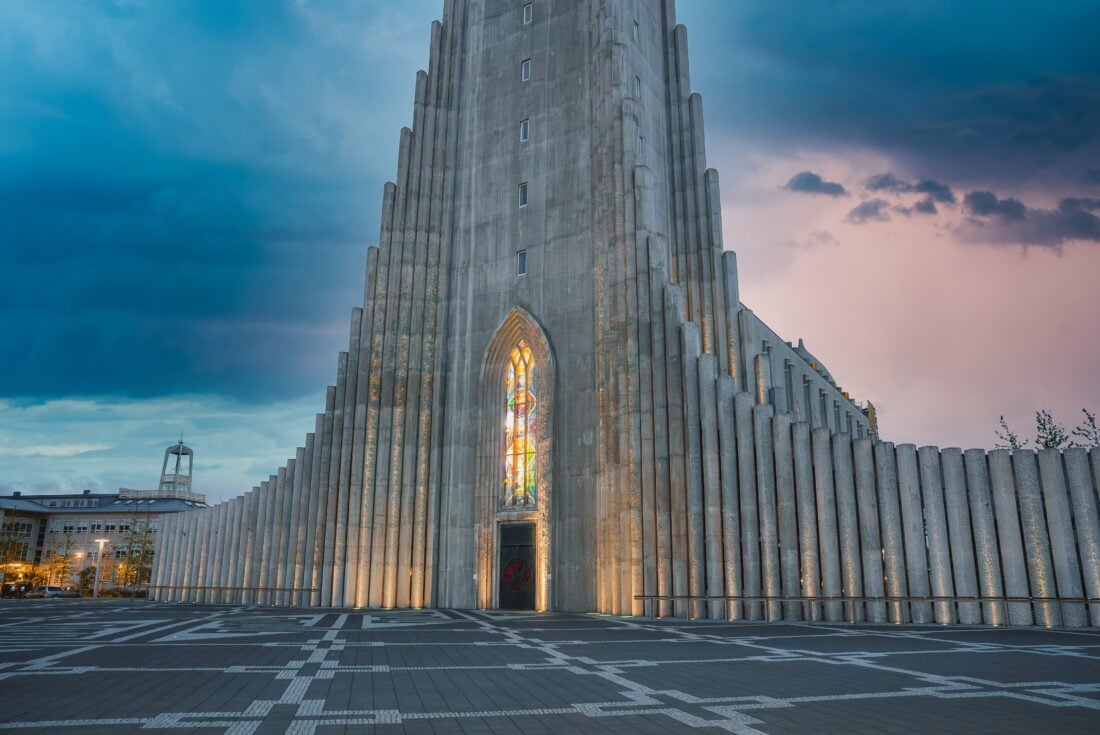
Hallgrímskirkja: The One You’ve Already Seen in Photos
Hallgrímskirkja is the church that dominates every Reykjavik skyline shot, and yes, it looks exactly like that in person. Modernist, angular, slightly alien. It took forty years to build, which feels about right for something that looks like it was designed by someone who had strong opinions about concrete.
The tower is the main draw. It gives you the highest views over the city, and on a clear day the mountains in the distance make it properly dramatic. You pay an admission fee at the church office to go up, which is worth doing. Go early if you can, before the tour groups arrive.
Harpa Concert Hall: Genuinely Impressive Architecture
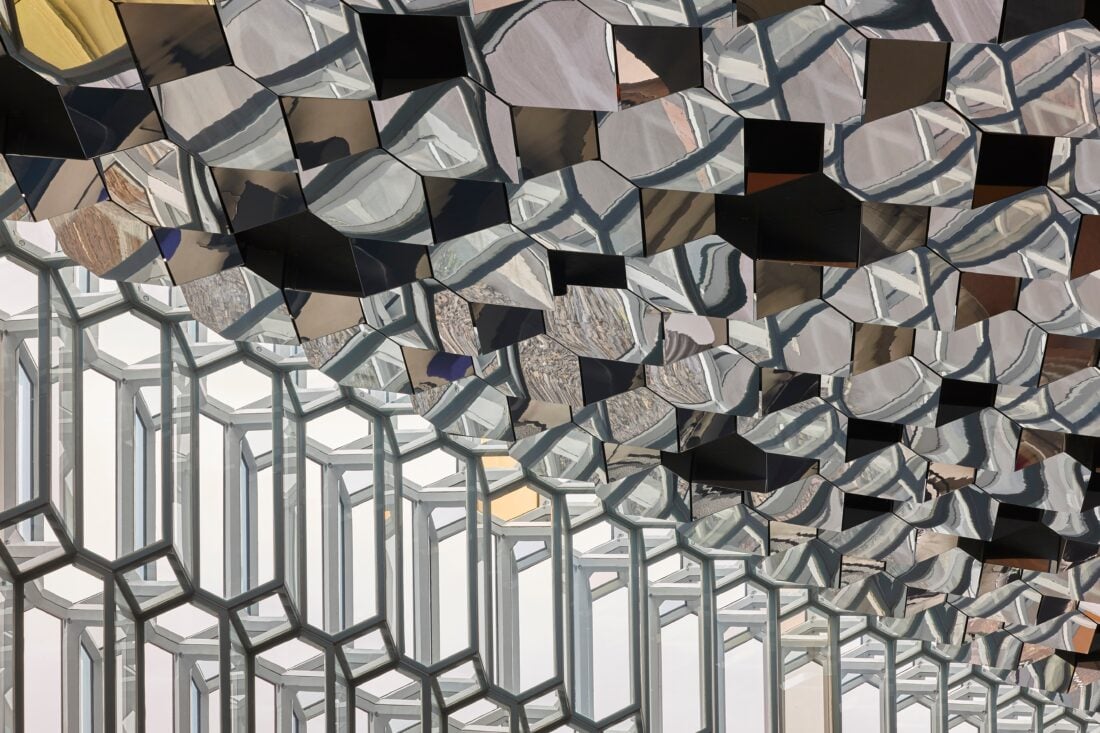
Harpa Concert Hall and Conference Centre sits right on the waterfront and is one of those buildings that actually lives up to the photos. The geometric glass facade catches the light differently at every hour. You can walk around inside without paying for anything, which makes it an easy stop on a harbour wander.
National Museum of Iceland: More Interesting Than It Sounds
I nearly skipped this one. I was wrong to nearly skip this one.
The National Museum of Iceland covers the entire history of Iceland across just two floors, with replicas of historic Icelandic houses, boats, and a costume room. It’s compact and well put together, and it gives you a lot of context for everything else you’ll see in the country.
A couple of practical notes:
- It’s free on Wednesdays
- It closes at 5pm pretty much year-round, so don’t leave it late
If you’re also visiting the nearby Vesturbæjarlaug geothermal pool (a local favourite, not a tourist trap), the National Museum and the pool sit close enough to each other that you can do both in one stretch.
The Harbour Walk: Sun Voyager and Beyond
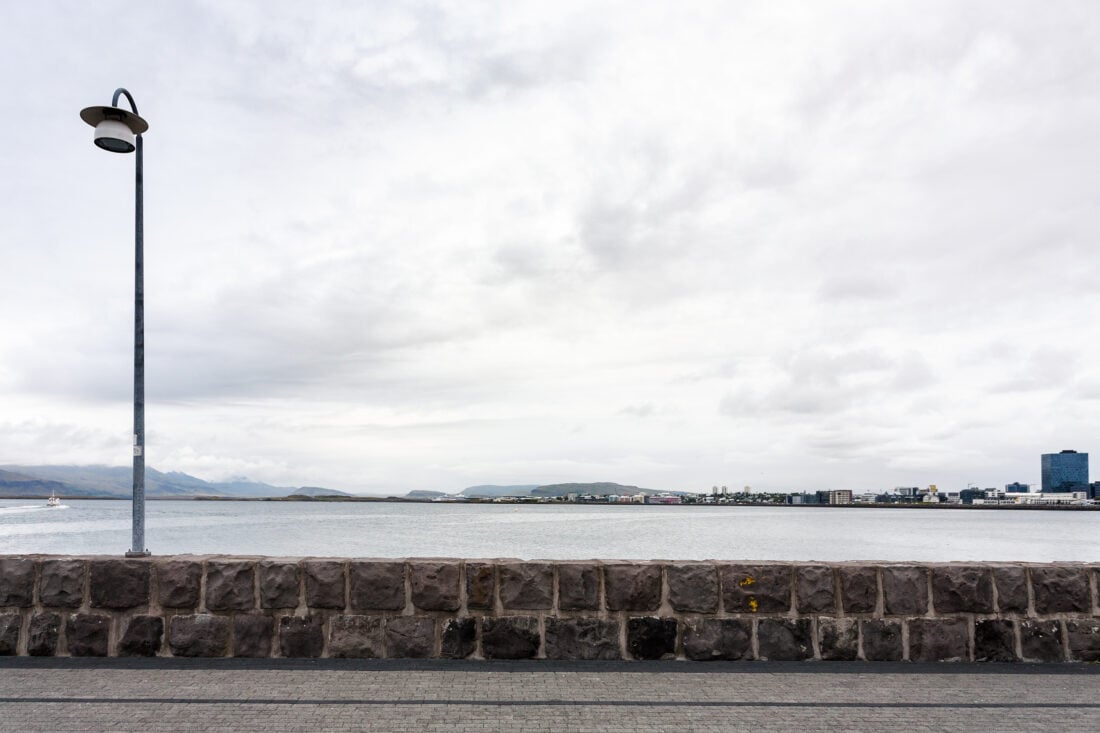
The walk along the Saebraut path by the Old Harbour is one of those things that costs nothing and earns a lot. You get views of the surrounding mountains, you pass the Sun Voyager Statue (the sculptural boat thing you’ve also seen in every photo), and you’ll walk by Höfði House along the way.
Reykjavik’s shops and museums close early, so this is a solid option for late afternoon when everything else has shut. The harbour is always there.
Grandi District: Worth an Afternoon
The Grandi District is the harbour-side neighbourhood that’s been quietly accumulating interesting things to do and see. It’s the kind of area where you wander rather than tick off a checklist. Worth an afternoon, especially combined with the Old Harbour walk.
Geothermal Swimming: Do It, But Know the Rules
Geothermal pools are a genuine cultural experience in Iceland, not just a tourist activity. Vesturbæjarlaug is the local favourite near the National Museum. You shower before you get in (with minimal privacy, fair warning), and then you sit in hot water and watch Reykjavik locals do the same thing they do every day. It’s oddly nice.
Nauthólsvík Geothermal Beach is a different version of the same idea, a beach with geothermally heated water, right in the city. Not what you picture when someone says “beach”, but genuinely worth seeing.
Sky Lagoon is the bigger, more produced spa experience if that’s what you’re after.
Árbær Open Air Museum
The Árbær Open Air Museum is an outdoor museum that recreates old Icelandic life. It’s the kind of place that works well if you have kids, or if you’re the sort of person who finds historic buildings genuinely interesting rather than just saying you do.
Reykjavik’s Natural Attractions (Beyond the City)
Reykjavik is a good base for day trips, and the surrounding Capital area has a lot of natural sights worth knowing about.
In and around the city:
- Laugardalur Valley and Park – green space inside the city, good for a walk
- Elliðaárdalur – nature area within the city
- Reykjavik Botanical Garden
- The Island of Grótta and Grótta Lighthouse
- Hljómskálagarðurinn park and The Pond – good for a stroll
- Mount Úlfarsfell – a weekend hike option
- Öskjuhlíð Mount
Further out in the Capital area:
- Mount Esja – the mountain you can see from the city
- Viðey Island
- Heiðmörk nature reserve
- Krýsuvík
- Kleifarvatn lake
- Leiðarendi cave
- Hafnarfjörður
- Elliðavatn lake and Reynisvatn lake
- Hvaleyrarvatn Lake
Reykjavik has more tours leaving from it than almost any other city, which tells you something. Most people use it as a base and head out into the countryside, then come back mid-afternoon with time to explore the city itself. That’s not a bad approach.
The Hot Dog Stand (No, Really)
Bæjarins Beztu Pylsur is a hot dog stand. It is famous for being a hot dog stand. The hot dogs are reportedly the best in Europe, which is a bold claim for a hot dog, but here we are.
Order one with the works: ketchup, sweet mustard, fried onion, fresh onion, and remoulade. It costs almost nothing and it’s genuinely good. I cannot stress this enough, do not overthink it, just go.
Other Landmarks Worth Knowing
- Reykjavik City Hall – on the pond, worth a look
- Alþingi (Parliament House) – the Icelandic parliament building
- Höfði House – you’ll pass it on the harbour walk
- FlyOver Iceland – a flight simulation experience if that’s your thing
- Þúfa – an art piece worth spotting
- Cultural House and the Hydro-electric plant are also listed as attractions, though details are limited
Tips for Getting Around Reykjavik’s Attractions
- Reykjavik is pedestrian-friendly in summer. Most central attractions are walkable from a central base.
- Museums close early (often 5pm). Plan accordingly.
- The harbour walk and parks are always accessible regardless of opening hours.
- If you’re visiting the National Museum, check whether it’s a Wednesday before you pay.
- Geothermal pools require a shower before entry. That’s not optional.
- Budget note: the Icelandic króna (ISK) is the local currency. Right now £1 gets you roughly kr166, and $1 gets you about kr125, so you can do the maths on those entrance fees before you commit. Iceland is not cheap, and honestly the exchange rate doesn’t soften that blow much.
Reykjavik is small enough that you won’t run out of city before you run out of energy. The trick is not to front-load it with too many indoor things when the harbour, the parks, and the surrounding nature are right there. I learned that the hard way, obviously. If you’re the type who likes collecting city guides, you might also enjoy our things to do in Edinburgh or our guide to fun things to do in Granada on a budget, both of which are similarly walkable cities where wandering beats over-planning.
