Some places are off-limits not because of bureaucratic red tape, but because of ancient paintings that would crumble under your breath, tribes that have rejected the outside world for 50,000 years, or islands crawling with thousands of deadly snakes. These are real locations, and you genuinely cannot visit most of them.
Quick Answer: What Are the Most Forbidden Places on Earth?
The most well-known forbidden places include:
- Lascaux Caves (France) – closed to protect 17,300-year-old Paleolithic paintings
- North Sentinel Island (India) – home to an isolated tribe; entry is illegal
- Surtsey Island (Iceland) – reserved for scientists studying ecological development
- Snake Island (Brazil) – roughly 4,000 golden lancehead vipers; visiting is illegal
- Area 51 (Nevada, USA) – restricted US military base
- Svalbard Global Seed Vault (Norway) – tightly controlled seed storage facility
- Tomb of Qin Shi Huang (China) – sealed burial site of China’s first emperor
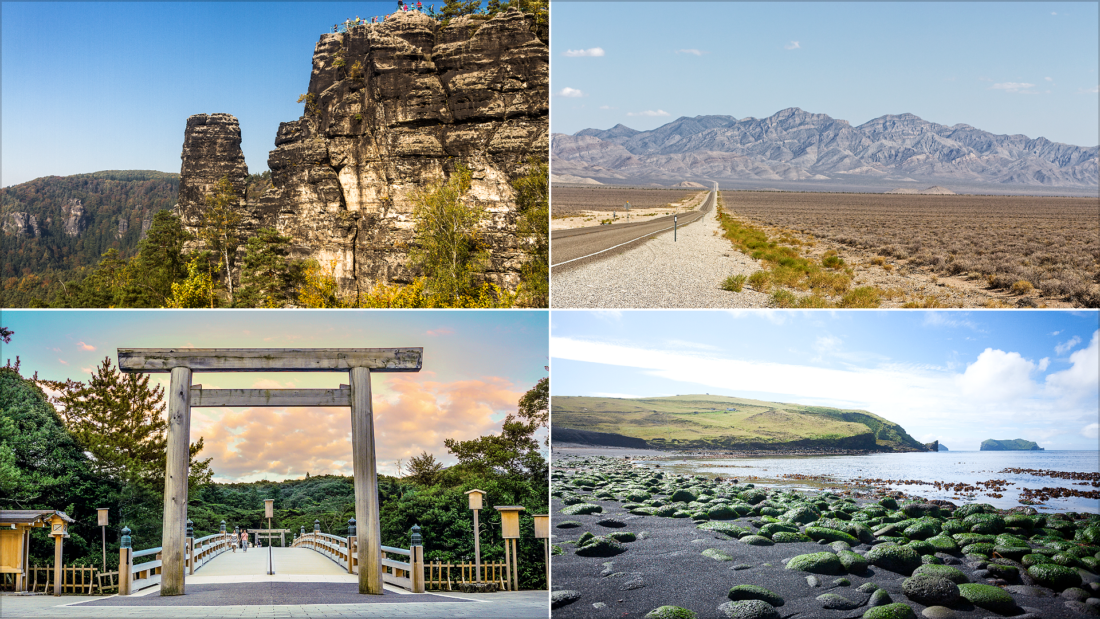
- Ise Grand Shrine (Japan) – accessible only to the Japanese royal family
- Niihau Island (Hawaii) – closed to protect its environment
- North Brother Island (New York) – now a bird sanctuary, closed to the public
- Heard Island (remote Southern Ocean) – active volcanoes, protected by Australia
- Dulce Base (New Mexico) – rumored secretive facility, heavily restricted
- Pravcicka Brana (Czech Republic) – Europe’s largest sandstone arch, restricted to prevent erosion
Why Are These Places Forbidden?
The reasons fall into a few clear categories: cultural and historical preservation, environmental protection, public safety, and national security. Each place below has a specific reason it is closed, and in most cases that reason is non-negotiable.
The 13 Places You Cannot Visit (and Why)
Lascaux Caves, France
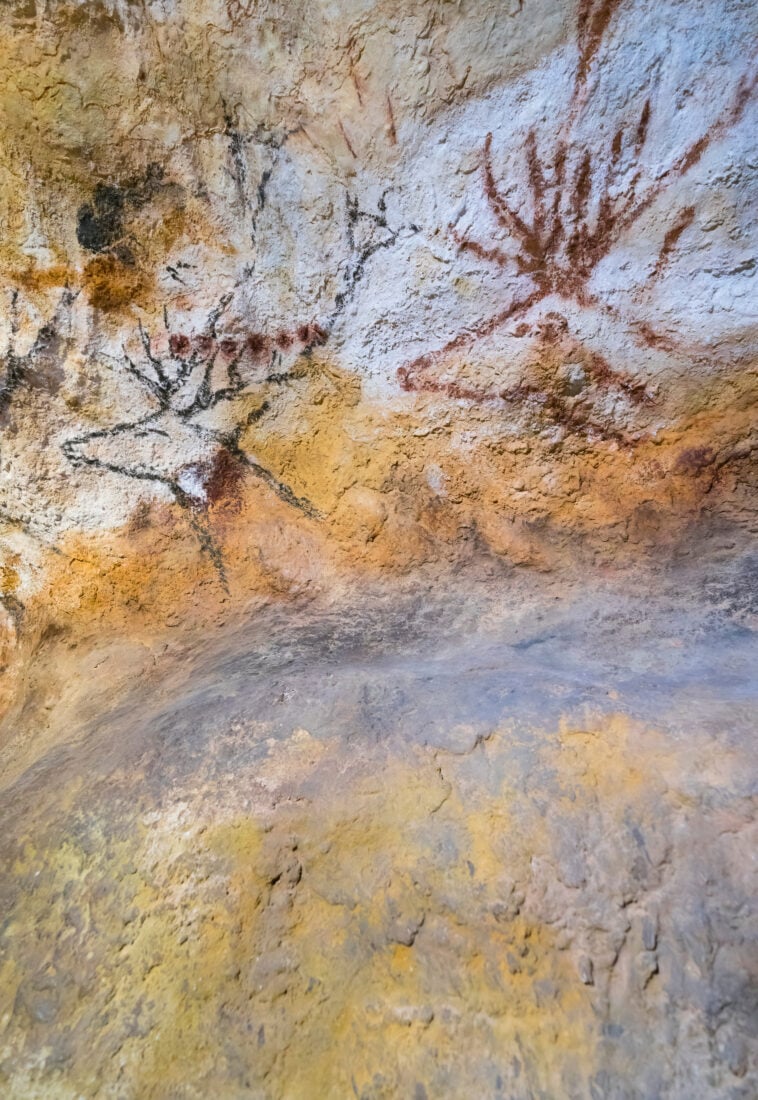
The Lascaux Caves contain Paleolithic paintings estimated to be 17,300 years old, depicting cattle, stags, and bison across more than 600 individual figures spread along the cave walls. The caves were originally opened to the public in 1948, but by 1963 the French Ministry of Cultural Affairs sealed them shut after discovering that carbon dioxide from visitors’ breath was visibly degrading the pigments. For archaeologists, the site is extraordinary. For tourists, it is permanently off the list, though you can visit the Lascaux IV replica nearby, which recreates the cave system in impressive detail.
North Sentinel Island, India
North Sentinel Island sits in the Andaman chain and is home to the Sentinelese, a tribe that has lived in complete isolation for over 50,000 years. The population is estimated at somewhere between 50 and 200 people, though honestly nobody knows for sure because, well, nobody gets close enough to count. The Indian Government has made entry illegal to protect both the tribe and any outsider who might approach. The Sentinelese are known to be hostile to contact (a missionary who attempted to visit in 2018 was killed), and the prohibition is taken seriously. A three-mile exclusion zone surrounds the island.
Surtsey Island, Iceland
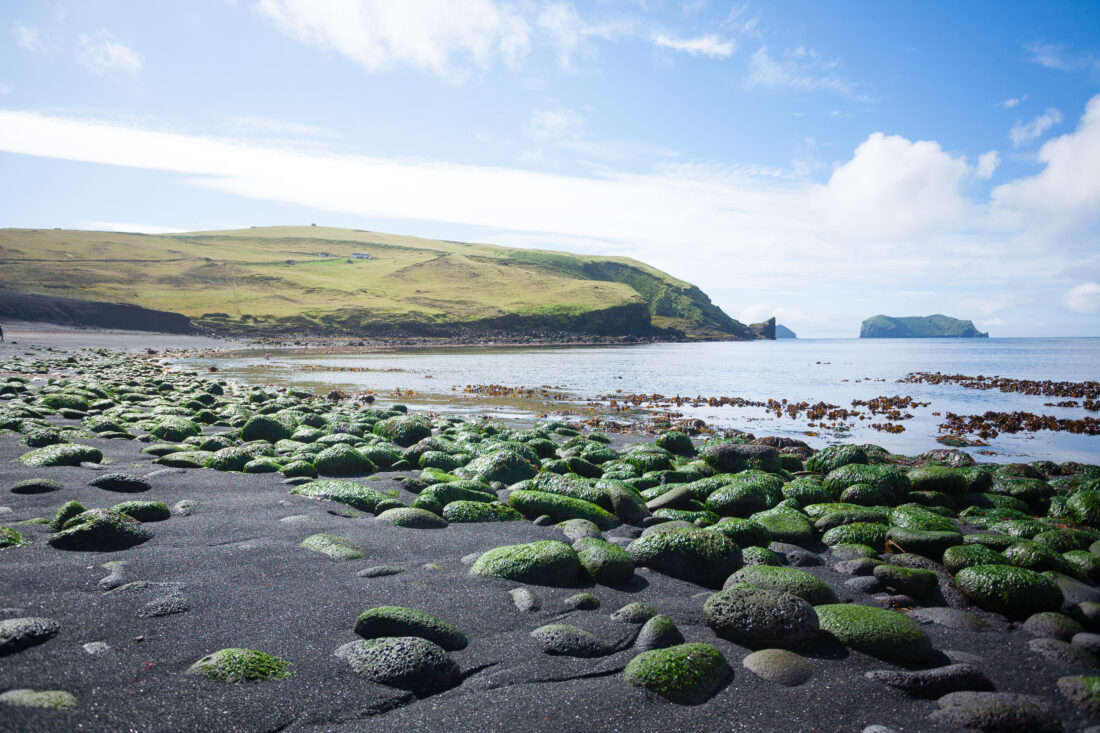
Surtsey Island holds the distinction of being one of the newest islands on the planet, formed by a volcanic eruption between 1963 and 1967 near Iceland’s Vestmannaeyjar archipelago. Scientists study it to observe ecological succession, how life colonises a completely new landmass, without interference. Since its formation, researchers have documented the arrival of mosses, lichens, and around 90 bird species gradually establishing themselves on the barren rock. Only researchers with specific authorisation can set foot on it.
Snake Island, Brazil
Snake Island (officially Ilha da Queimada Grande) is home to around 4,000 golden lancehead vipers, a species found nowhere else on Earth. Their venom is estimated to be up to five times stronger than that of their mainland relatives. The Brazilian government has made visiting the island illegal, both to protect the snakes (they’re critically endangered) and to prevent harm to people. There is no workaround here.
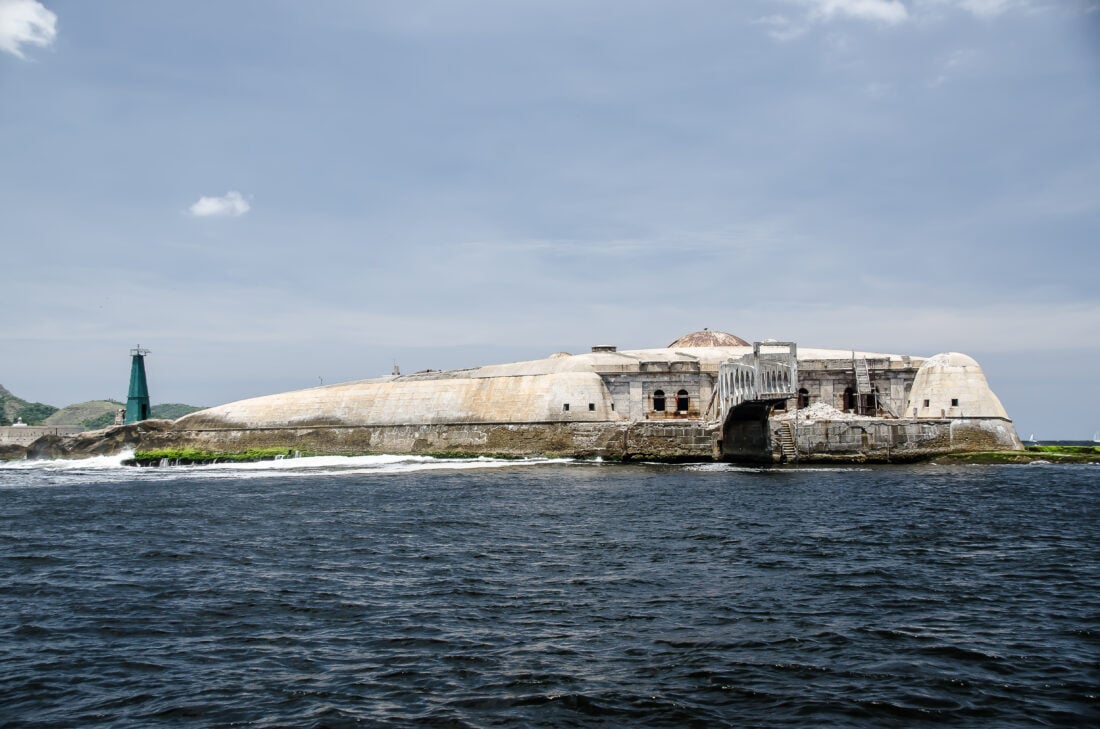
Area 51, Nevada, USA
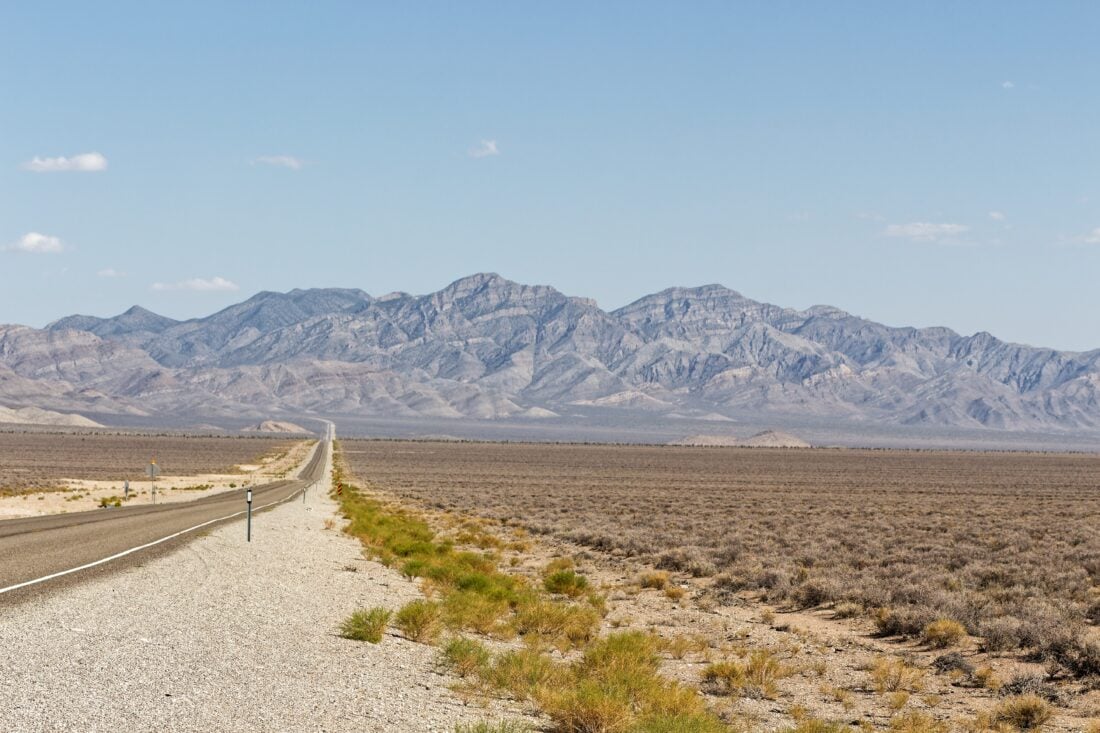
Area 51 is a restricted US military base in Nevada, long associated with conspiracy theories about extraterrestrial activity and classified technology. The site covers roughly 2.9 million acres of restricted airspace and surrounding desert. The US government didn’t even officially acknowledge the base’s existence until 2013, which has only deepened public fascination. Access is tightly controlled, motion sensors line the perimeter, and trespassing is a serious offence.
Svalbard Global Seed Vault, Norway
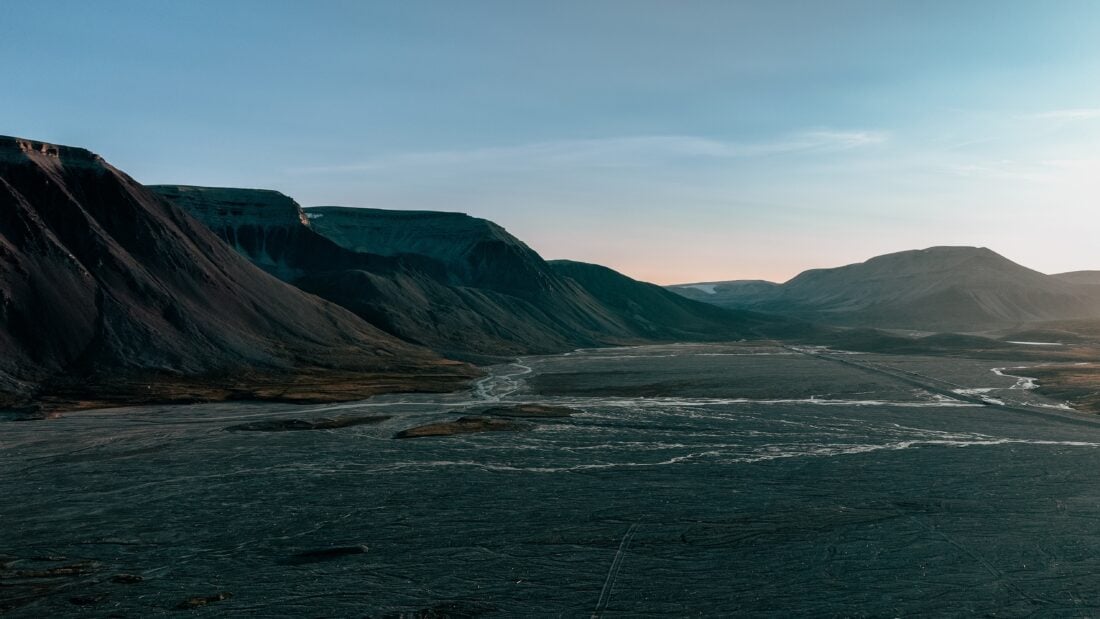
Known informally as the Doomsday Vault, the Svalbard Global Seed Vault stores over 1.2 million seed samples from nearly every country on the planet, acting as a safeguard against global crises that could wipe out food crops. The vault sits about 130 metres inside a mountain on the Norwegian island of Spitsbergen, kept at a constant -18°C. Seed crates arrive from countries globally. Access is strictly limited to preserve the vault’s integrity, though select guests are occasionally permitted entry.
Tomb of Qin Shi Huang, China
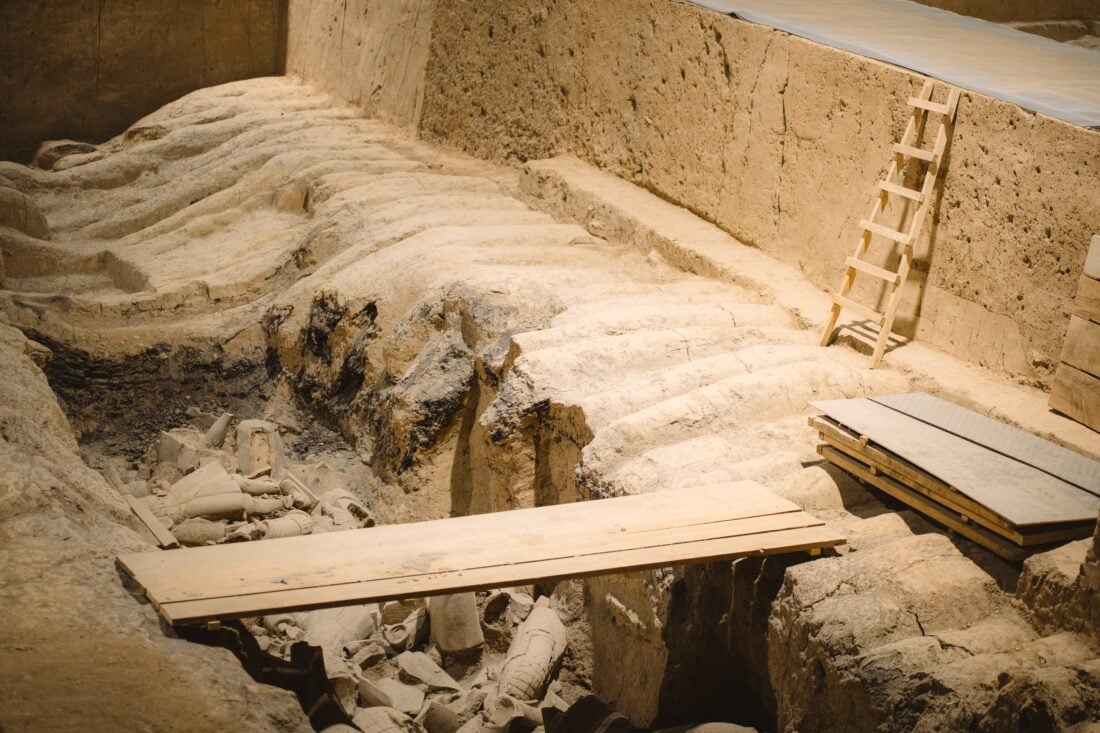
The Tomb of Qin Shi Huang, burial site of China’s first emperor, remains largely sealed and unexplored despite being discovered alongside the famous Terracotta Army in 1974. Ancient historian Sima Qian described the tomb as containing rivers of mercury (and modern soil testing has actually confirmed abnormally high mercury levels around the mound). The decision to keep it closed is deliberate: current technology cannot guarantee the preservation of what’s inside once it’s exposed to air, so cultural and historical preservation remains the priority.
Ise Grand Shrine, Japan
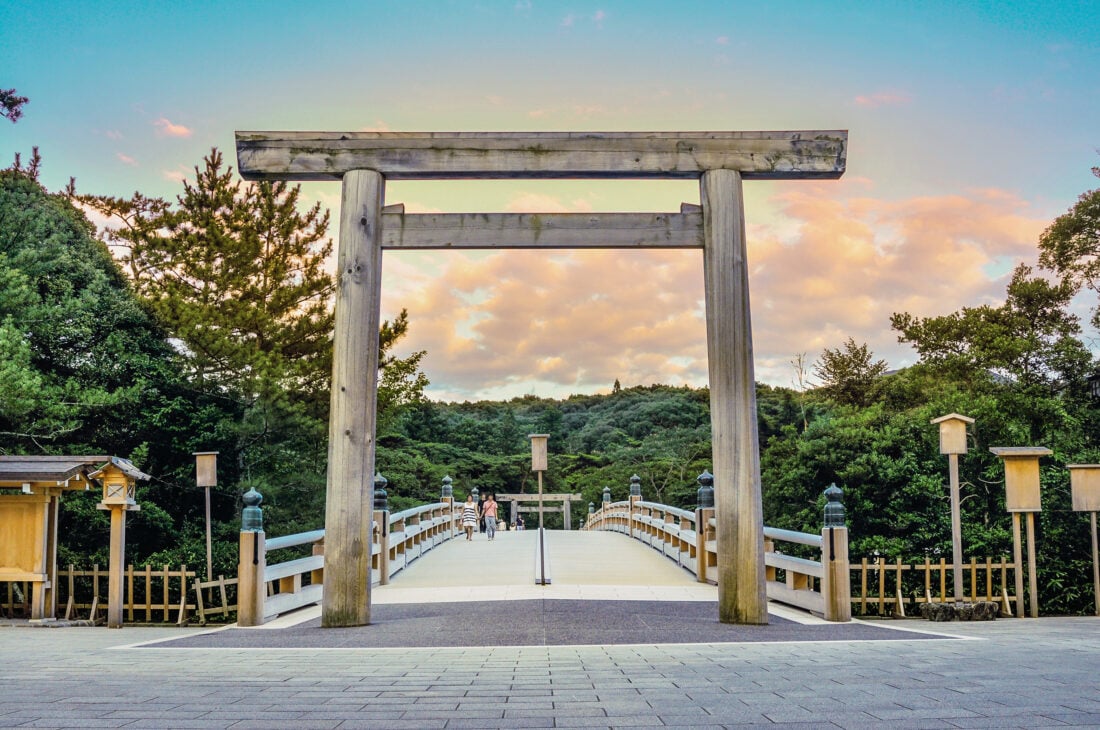
The Ise Grand Shrine is Japan’s most significant religious site, one of approximately 80,000 Shinto shrines in the country. It is rebuilt every 20 years in a tradition called Shikinen Sengu, a practice that has continued for roughly 1,300 years, honouring Shinto beliefs about death, renewal, and impermanence. Only members of the Japanese royal family are permitted access to the inner sanctum. You can visit the surrounding forested grounds, but that’s as close as you’ll get.
Niihau Island, Hawaii, USA
Niihau Island is privately owned by the Robinson family, who purchased it from the Kingdom of Hawaii in 1864 for $10,000. It’s closed to the public to protect both its environment and the roughly 130 Native Hawaiian residents who live there without running water or paved roads. Entry is only permitted for people related to the island’s inhabitants or for military personnel.
North Brother Island, New York, USA
North Brother Island sits in New York City’s East River, between the Bronx and Rikers Island, and was historically the site where Typhoid Mary was quarantined starting in 1907. The island later served as a housing facility for veterans before being abandoned in the 1960s. Today it functions as a wading bird sanctuary, home to one of the largest nesting colonies of black-crowned night herons in the region, and is closed to the public.
Heard Island, Southern Ocean
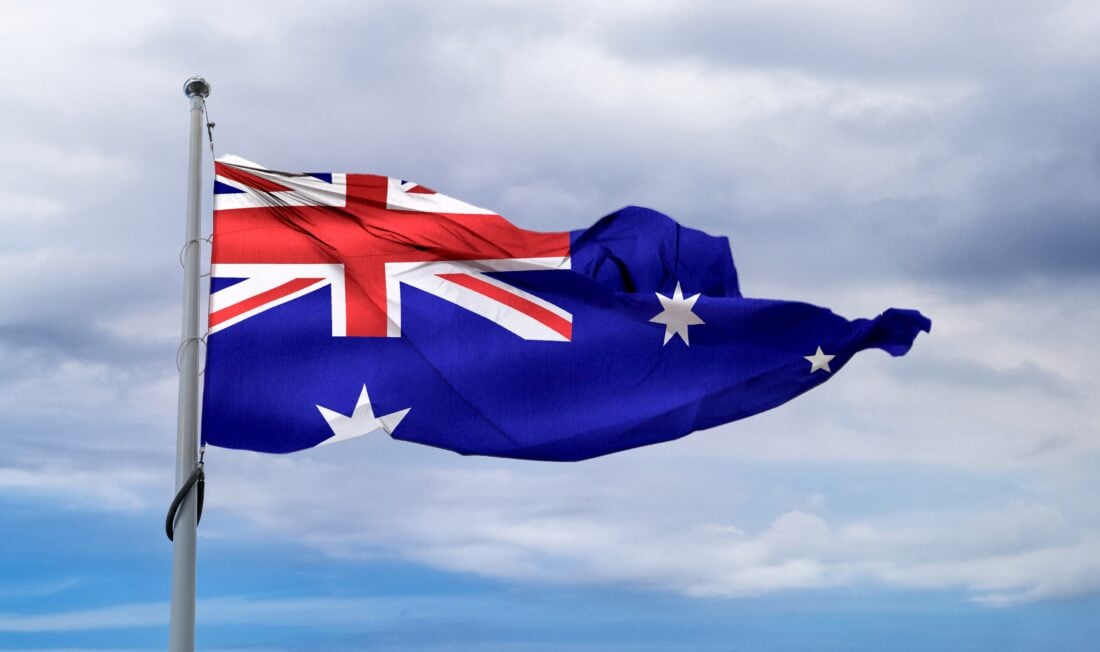
Heard Island lies roughly 4,000 kilometres southwest of Australia, making it one of the most remote places on Earth. It has active volcanoes (Big Ben, at 2,745 metres, is Australia’s tallest peak, which is a fun pub quiz answer) and harsh environmental conditions including glaciers that cover most of the island. The Australian Government protects it as a UNESCO World Heritage Site, and reaching it requires a multi-day voyage through some of the roughest seas on the planet. It remains among the least explored locations on the planet.
Dulce Base, New Mexico, USA
Dulce Base is a highly secure facility in New Mexico, rumoured to house advanced technology and clandestine operations. The town of Dulce sits on the Jicarilla Apache Reservation, and the alleged base sits nearby beneath Archuleta Mesa. Not gonna lie, the evidence for its existence is thin, based largely on claims from a single whistleblower in the 1980s. No confirmed details about its operations are publicly available, which has made it a focal point for conspiracy theories ranging from alien-human collaboration to underground genetic experiments.
Pravcicka Brana, Czech Republic
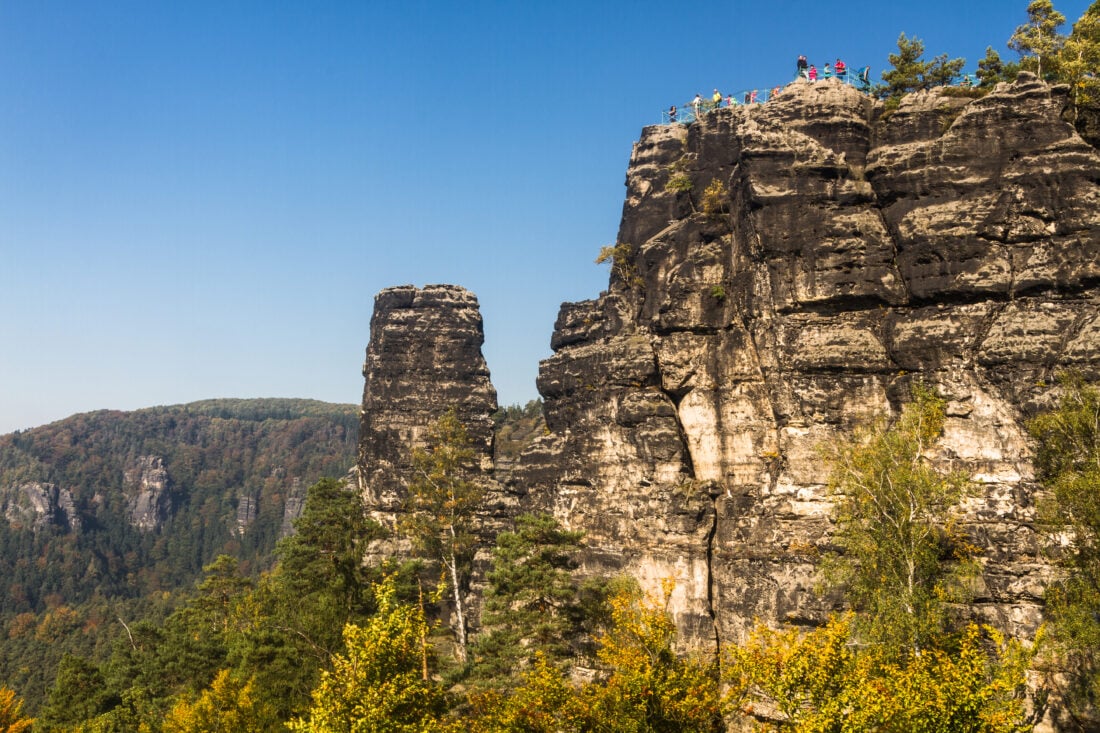
Pravcicka Brana is Europe’s largest natural sandstone arch, spanning roughly 26.5 metres wide and standing 16 metres tall in the Bohemian Switzerland National Park. Access has been restricted since 1982 because the structure is vulnerable to erosion and is expected to eventually collapse. Visitor foot traffic would accelerate that process, so while you can view the arch from nearby trails and viewing platforms, walking across it is firmly off the table.
At a Glance: Forbidden Places Compared
| Place | Country | Primary Reason for Restriction |
|---|---|---|
| Lascaux Caves | France | Preservation of 17,300-year-old paintings |
| North Sentinel Island | India | Protection of isolated Sentinelese tribe |
| Surtsey Island | Iceland | Scientific study of ecological succession |
| Snake Island | Brazil | Deadly snake population, public safety |
| Area 51 | USA (Nevada) | Restricted military base |
| Svalbard Global Seed Vault | Norway | Security of global seed reserve |
| Tomb of Qin Shi Huang | China | Historical preservation |
| Ise Grand Shrine | Japan | Religious significance, royal access only |
| Niihau Island | USA (Hawaii) | Environmental protection |
| North Brother Island | USA (New York) | Bird sanctuary |
| Heard Island | Southern Ocean | Remote location, active volcanoes |
| Dulce Base | USA (New Mexico) | Rumored restricted facility |
| Pravcicka Brana | Czech Republic | Erosion risk to sandstone arch |
Can You Visit Any of These Places?
A small number have limited or conditional access:
- Svalbard Global Seed Vault occasionally admits select guests
- Surtsey Island is accessible to scientists with proper authorisation
- Niihau Island allows entry for residents’ relatives and military personnel
- Pravcicka Brana can be viewed from designated trails, just not walked on
For the rest, the answer is no. Some prohibitions are enforced by law (North Sentinel Island, Snake Island), some by military restriction (Area 51, Dulce Base), and some by the practical reality of the location’s conditions (Snake Island, Heard Island).
Why These Places Matter Beyond Curiosity
Each restriction on this list reflects a broader responsibility. The Lascaux Caves represent an irreplaceable record of early human life. The Sentinelese on North Sentinel Island represent one of the last uncontacted peoples on Earth. The Svalbard Seed Vault exists as insurance for the entire planet’s food supply. These are not arbitrary closures, they are active decisions to protect things that cannot be replaced.
If you’re into the idea of places that feel forbidden or hidden from the mainstream, you might also enjoy tracking down Scotland’s Outlander filming locations or retracing the real sites from Outlaw King across Scotland, both of which let you actually set foot somewhere with serious history (without getting arrested or bitten by a viper).
If you are drawn to off-the-beaten-path travel, the honest answer is that the most extraordinary places on Earth are the ones you will never be allowed to see. That, in itself, says something worth sitting with.
