
Ancient wonders get the mythology. Modern ones get the engineering reports, elevator records, and a lot of people standing on the pavement with their necks bent back.
That feels fair enough. The best modern architecture is not trying to imitate a pyramid or a cathedral. It is solving newer problems with newer tools, then doing it with style. Steel, reinforced concrete, cable systems, advanced glazing, and digital design have changed what a building or bridge can even be. If you like the older benchmark list too, these facts about the Seven Wonders of the World make a useful foil to what modern engineering is trying to do differently.
If you’re looking for The Modern Wonders Every Architecture Lover Should Know About, start with the projects that changed the conversation. Not just because they’re big, though some are absurdly big, but because each one pushed form, structure, or public experience into new territory.
What makes a modern architectural wonder?
For this list, size alone does not qualify. Plenty of giant buildings are merely giant. A modern wonder should do at least one of three things well: set a clear engineering benchmark, create a form that reshapes public expectations, or fuse place and technology in a way that feels specific rather than generic.
That is why a bridge appears alongside towers and museums here. Architecture is not only about rooms and facades. It is also about how human beings occupy space, cross difficult landscapes, and turn technical necessity into something memorable.
Burj Khalifa, Dubai
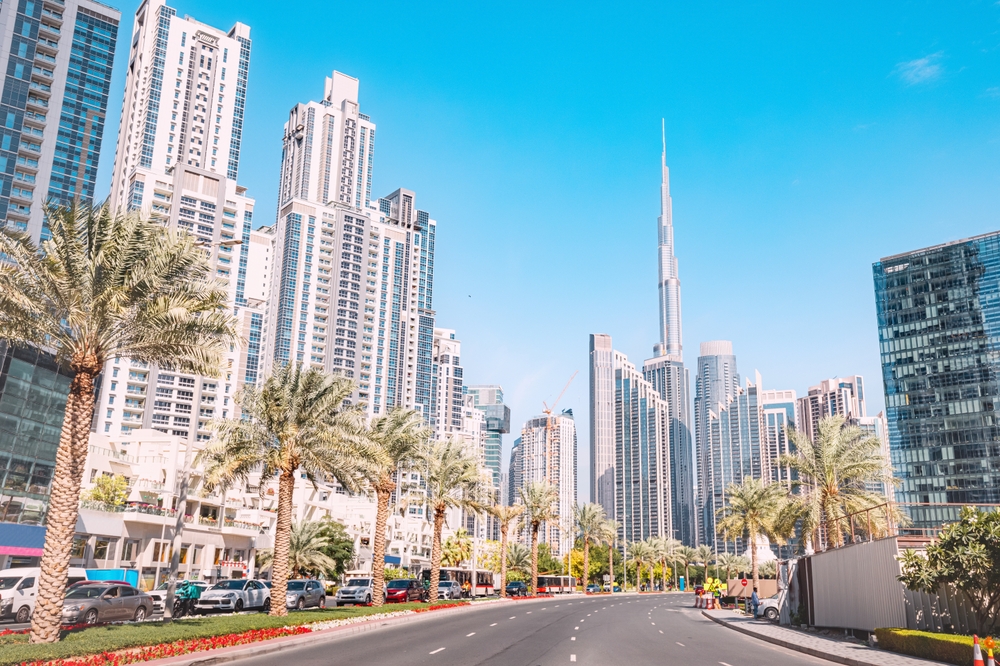
Let’s begin with the obvious skyscraper giant. The Burj Khalifa rises to 2,717 feet, or 828 meters, and 163 occupied floors, which still makes it the tallest building in the world. Adrian Smith designed it, and the numbers still read like a dare rather than a project brief.
Construction began in January 2004 and the tower officially opened in January 2010, after exterior work was largely completed in 2009. The build required about 22 million human-hours. Those figures matter because they explain the scale of coordination behind the glamour. By the time visitors are taking photos from the observation decks on levels 124, 125, and 148, most of the real miracle has already happened inside the structure, the logistics, and the lift systems.
The Burj Khalifa also holds records beyond sheer height, including the highest occupied floor and one of the highest observation experiences in regular tourist use. Love it or not, and some people do find Dubai’s skyline a bit too determined to impress, the tower became the benchmark every other supertall must answer.
For architecture lovers, the lesson is simple: height only matters when the building can organize that height into something coherent. This one does.
The Shard, London
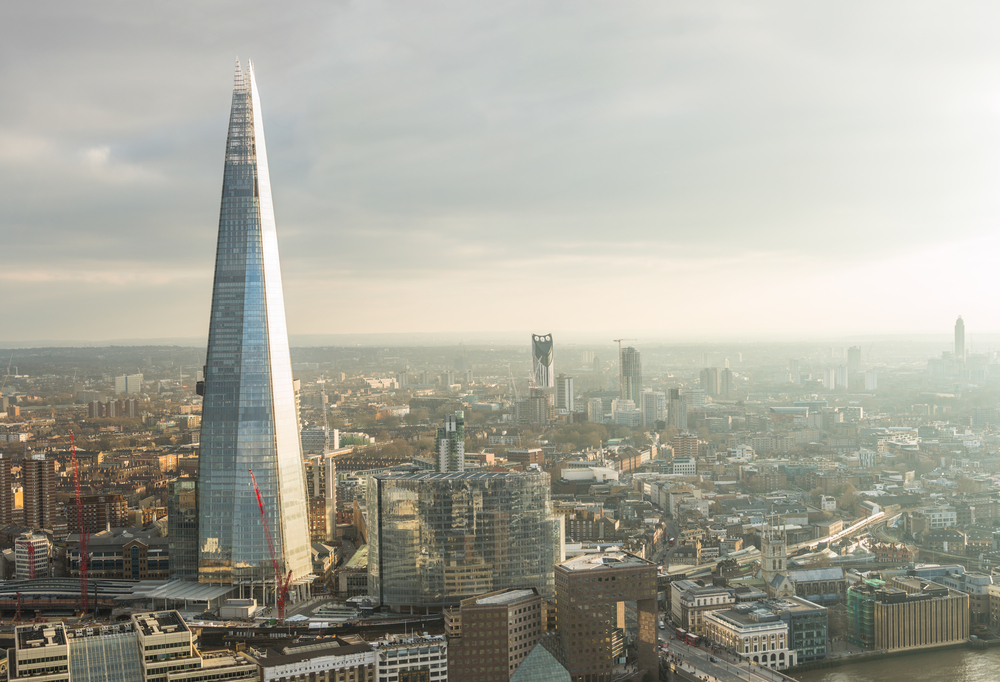
London is not a city that gives away skyline dominance lightly. Church spires, domes, railway sheds, and Victorian masonry all crowd the visual field. Then The Shard arrived and cut through it anyway.
At 1,016 feet, or about 310 meters, and 72 occupiable floors, it is nowhere near the Burj Khalifa’s altitude, but that is not really the point. The importance of The Shard lies in how it inserted a sharply contemporary vertical form into one of Europe’s most historically layered capitals. Its faceted glass profile reads differently in fog, sun, and dusk, which in London means it gets a lot of chances to reinvent itself.
What architecture lovers usually appreciate here is context. A skyscraper in Dubai competes with a skyline built for vertical ambition. A skyscraper in London has to negotiate with centuries of accumulated urban identity. The Shard’s success is that it feels assertive without pretending the city began with it. If older built forms are more your weakness, these 6 European castles that look like they belong in a storybook show the other end of the continent’s architectural spectrum nicely.
Millau Viaduct, southern France
If you only think of architecture as buildings, Millau Viaduct is your polite correction. It spans the Tarn valley in southern France and reaches 343 meters at its highest point, taller than the Eiffel Tower’s top occupied level and still the tallest bridge structure in the world.
Engineer Michel Virlogeux and architect Norman Foster designed it, and it opened in December 2004. The project cost roughly €394 million, and thousands of workers were involved over the course of construction. Designers projected a lifespan of at least 120 years, which is the sort of confidence one hopes is backed by very boring structural calculations. Boring, in this case, is excellent.
What makes Millau remarkable is not only height. It is proportion. The bridge is extraordinarily slender for something doing such heavy work. Seen from a distance, it appears to touch the landscape lightly, which is exactly the trick great infrastructure pulls off. It solves a brutal practical problem while looking almost effortless.
That elegance is hard won. Wind loads, cable forces, deck stability, and terrain all had to cooperate. They rarely do without a fight. If engineered landscapes are your thing, this look at the Panama Canal as a feat of engineering is another good reminder that infrastructure can be every bit as intellectually satisfying as a museum or tower.
Marina Bay Sands, Singapore
Some modern wonders matter because of a single unforgettable silhouette. Marina Bay Sands belongs in that category. The three hotel towers joined at the top by a long sky park gave Singapore one of the most recognizable urban images of the 21st century.
The appeal here is part engineering, part urban theater. A project like this changes how a waterfront is read. Instead of a conventional cluster of towers, the complex turns the roofline into the main event. It is architecture understood at city scale, not just building scale.
Its rooftop SkyPark stretches about 340 meters across the three towers, and the development opened in phases in 2010 before being fully completed in 2011. Research around modern architecture lists often points to its technical systems as well, including regenerative elevator technology that feeds some energy back into the building systems. That detail matters because a lot of flashy buildings are good at being photographed and less good at being buildings. Marina Bay Sands earns its place because the spectacle is supported by serious engineering.

We earn a commission if you buy through this link, at no extra cost to you.
Heydar Aliyev Center, Baku
Here is the project that architecture students sketch when they want to explain how form can feel fluid without becoming random. Zaha Hadid’s Heydar Aliyev Center in Baku rejects rigid angles in favor of sweeping curves that rise from the ground and fold into roof and wall.
The building opened in 2012, and it is important for aesthetic reasons, yes, but also for cultural context. In a city long shaped by Soviet-era architectural norms, this center represented a very public break in visual language. Instead of heaviness and repetition, it offered movement, openness, and a kind of controlled theatricality.
Inside, the continuity of surfaces carries the concept through the interior rather than stopping at the facade. That may sound like a technical point, but it is the difference between a building with a dramatic exterior and a building with a fully worked-out architectural idea. The Heydar Aliyev Center belongs firmly in the second group.
Louvre Abu Dhabi, Abu Dhabi
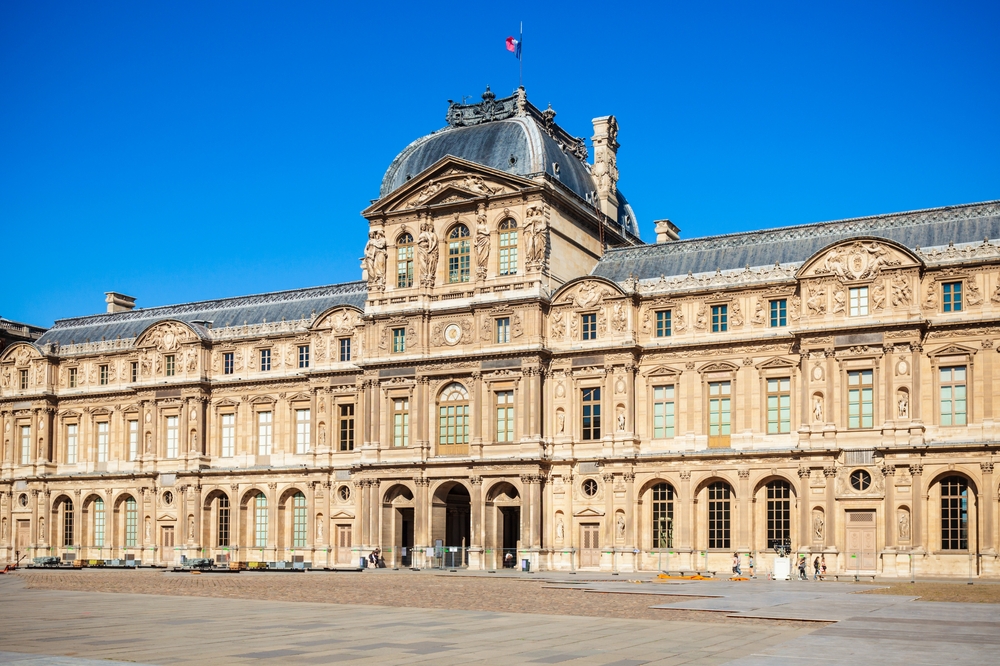
Jean Nouvel’s Louvre Abu Dhabi proves that a museum roof can do far more than keep weather out. The defining feature is its 180-meter-wide dome, which appears to hover above the galleries and filters sunlight into a patterned effect often described as a rain of light.
This is where modern architecture gets especially interesting, because the project is not simply futuristic display. It draws on Arabic architectural ideas about shade, light, and courtyards, then scales them into a museum complex that extends toward the sea. The site planning matters as much as the dome itself. Water, low structures, and filtered light all work together.
Architecture lovers should pay attention to how the building handles climate and atmosphere, not only form. Plenty of iconic museums feel as though they were designed first for aerial photos. This one is strongest at walking speed, where shadow, glare, reflection, and sea air become part of the experience.
Incheon International Airport, Incheon
Airports rarely make beauty easy. They are machines for moving bodies, luggage, and delays from one gate to another. Incheon International Airport is one of the better arguments that utility and design do not have to be enemies.
Opened in March 2001 at a construction cost of about $1.4 billion for the first phase, the airport was designed by Fentress Architects, with terminal planning shaped around long-span roof forms and generous daylight. Its roofline drew on Korean architectural motifs, and the airport’s reputation has been helped by the fact that it actually works under pressure, which is not a trivial achievement in aviation. The amenities list goes well beyond transit basics, including indoor gardens, cultural spaces, shower rooms, lounges, and at various points over the years an ice-skating rink, spa, and even a golf facility nearby.
That breadth of program is exactly why Incheon belongs here. Modern architecture is not only about singular monuments. Sometimes it is about organizing enormous complexity so well that a place built for friction feels legible, even humane. If you’re planning the flight side of a trip like this, these long haul flight comfort hacks frequent flyers use every time are genuinely useful, not just internet folklore.
Palm Jumeirah, Dubai
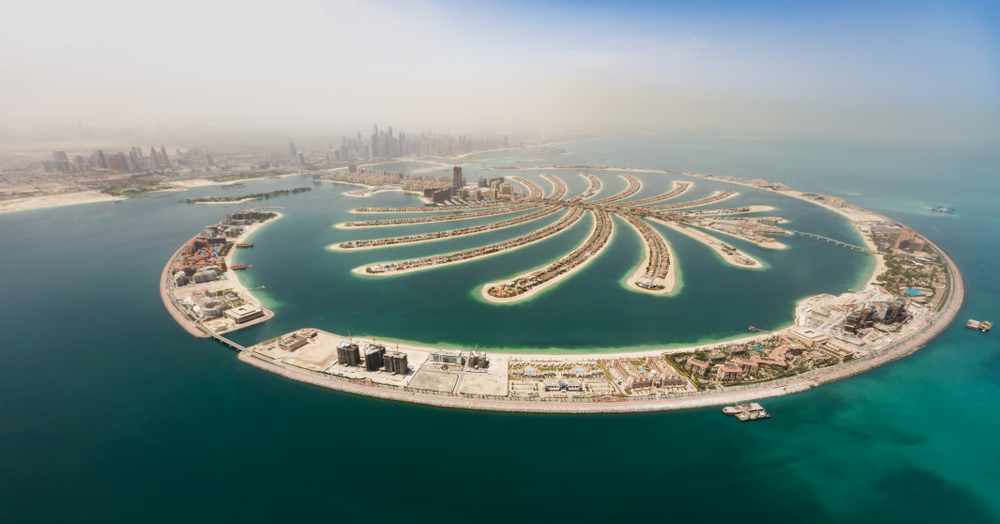
Palm Jumeirah is the odd entry on this list because it is less a building than a manufactured landscape. Still, it earns consideration as a modern wonder because it shows architecture, engineering, and urban planning operating at territorial scale.
It is the completed part of Dubai’s larger Palm Islands concept, which also included Palm Jebel Ali and the Deira development concept in different forms over time. Palm Jumeirah extends roughly 5 kilometers into the Persian Gulf, and its trunk, fronds, and crescent breakwater turned an aerial diagram into one of the most recognizable urban forms on earth. It is home to major resorts, apartment towers, villas, beach clubs, and retail, though the exact property count keeps changing as new phases and redevelopments come online.
You can reasonably argue that this is development rather than architecture in the strict sense. I would not fight you on that over dinner. But as a feat of designed landform and coastal ambition, it belongs in the conversation. The shape itself became an icon before most people could name a single building on it, which tells you something about the power of plan geometry in the satellite age.

We earn a commission if you buy through this link, at no extra cost to you.
How to read these places like an architecture lover
Seeing a famous building is easy. Seeing why it matters takes a bit more attention. A few habits help:
- Start with the structure. Ask what problem the design had to solve. Height, span, heat, wind, circulation, or symbolism usually sits at the center.
- Study the setting. The Shard makes sense in London because of what surrounds it. Louvre Abu Dhabi makes sense because of light, water, and climate.
- Look at how people use it. A successful airport, museum, or cultural center has to work under pressure, not just in photographs.
- Notice what changed. Some of these projects set records. Others changed a city’s visual language. Both matter.
A practical route for architecture-focused travel
If you were building a trip around modern landmarks, Dubai and Abu Dhabi make an especially efficient pairing because Burj Khalifa, Palm Jumeirah, and Louvre Abu Dhabi can be combined into a broader Gulf architecture itinerary. London and Paris can also frame a Europe trip that pairs historic urban fabric with newer interventions, with Millau as the glorious detour for people who genuinely enjoy infrastructure. Those are my people, by the way.
The practical point is not to race through a checklist. Give each place enough time to understand how it sits in its city or landscape. A tower at sunset, a bridge in changing weather, or a museum in shifting daylight will teach you more than ten rushed photo stops.
Why these modern wonders endure
The best answer to The Modern Wonders Every Architecture Lover Should Know About is not a fixed top seven forever. Lists change. New buildings arrive. Old judgments soften. Some projects age brilliantly, others less so.
But these places endure because each one expanded the architectural playbook. They rethought height, span, light, public space, or even the shape of the ground itself. And that is really the test. A modern wonder should not just impress you for an afternoon. It should change how you look at the next building after it.