
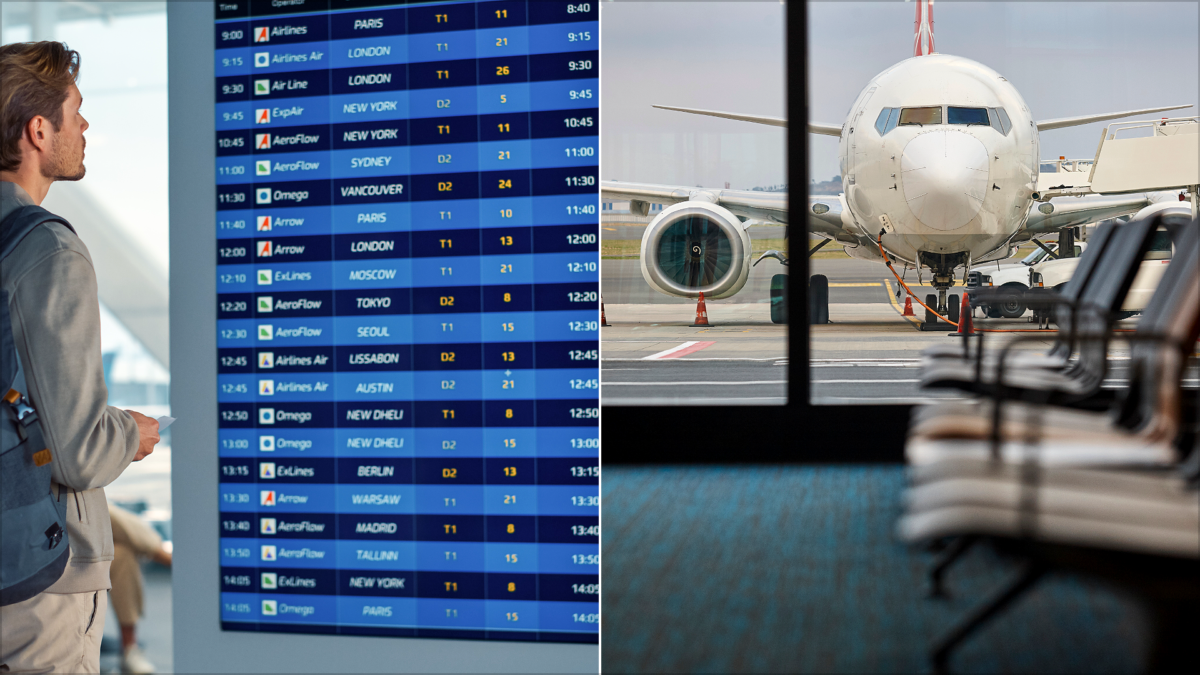
Flight delays can easily derail your plans, but if you’re flying to or from the UK, that delay could actually mean you’re entitled to money back. What surprises most people is not the payout itself, but how often they’re eligible without realizing it.
The rules aren’t as complicated as they seem, and once you understand the basics, it becomes much easier to decide whether it’s worth making a claim.
What Are Your Rights if a Flight Is Delayed?
In the UK, flight delay compensation is covered under UK261. This law sets out when airlines must compensate passengers for delays, cancellations, and overbookings.
The key number to remember is three hours. If your flight arrives at its destination more than three hours late and the airline is responsible, there’s a good chance you’re entitled to compensation.
This applies to flights departing from UK airports, as well as flights arriving in the UK on UK or EU airlines, so it covers a wide range of trips.
If you want a more detailed breakdown of your rights and the process, our sponsors at AirHelp has a helpful guide on compensation for a delayed flight in the UK.
It also includes a handy compensation calculator where you can quickly check how much you could be entitled to for a delayed or canceled flight, which can save you time before starting a claim.
When You Can Actually Claim Compensation
Eligibility comes down to the cause of the delay. If the airline is at fault, you’re usually in a strong position to claim. That includes situations like aircraft technical issues, staffing shortages, or operational problems that disrupt schedules.
However, airlines are not required to pay compensation when delays are caused by extraordinary circumstances. These are events outside their control, such as severe weather, air traffic control restrictions, or security concerns.
In reality, the line between what is and isn’t “extraordinary” can sometimes feel a bit vague, which is one reason many valid claims never get filed.
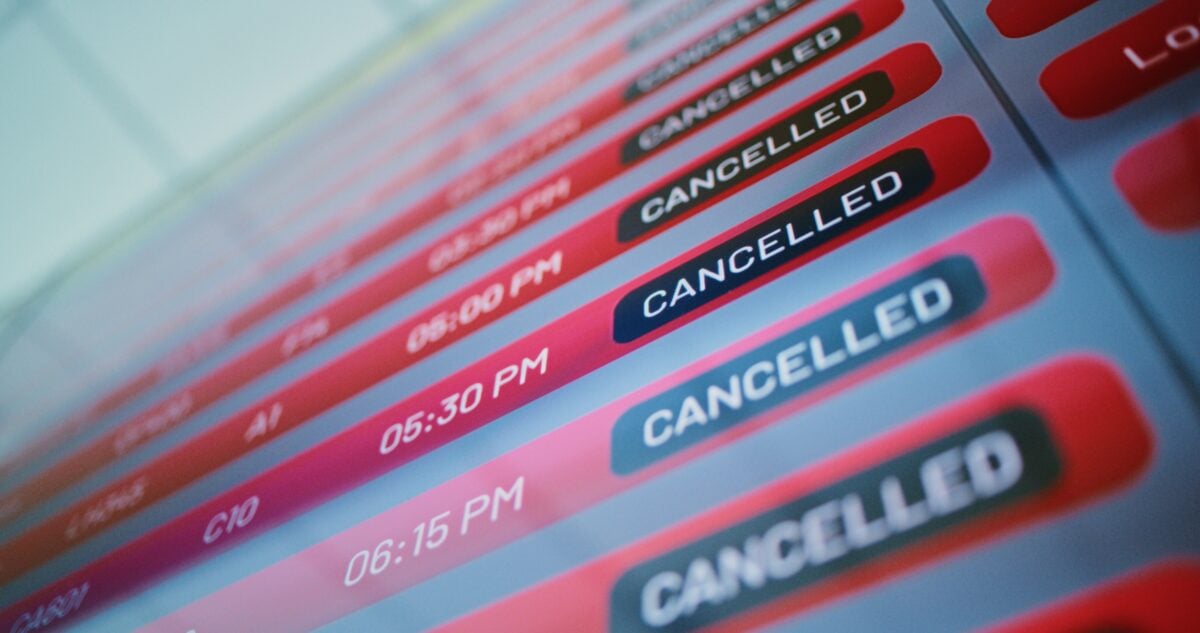
How Much Compensation Can You Get?
The amount you receive depends on the distance of your flight and how long you were delayed. For shorter flights, compensation typically starts at around £220, while longer journeys can go up to £520 per passenger.
It’s worth noting that this is paid per person rather than per booking. If you’re traveling with others, the total compensation can quickly add up.
What Airlines Still Owe You During a Delay
Even if your situation doesn’t qualify for compensation, airlines still have a duty of care while you’re waiting. That means they should provide basic support depending on the length of the delay.
In most cases, this includes food and drinks after a certain period, as well as access to communication. If you’re delayed overnight, the airline should arrange accommodation and transport.
If they don’t provide these things, you can usually pay for them yourself and claim the cost back later. Just make sure you keep your receipts, as that’s often the difference between a smooth refund and a rejected request.
How to Claim Without the Stress
There are two main ways to claim, and which one you choose depends on how hands-on you want to be.
- You can submit a claim directly through the airline’s website. This option is free, but it can take time and sometimes involves a bit of persistence if your claim is challenged.
- Alternatively, many travelers choose to use a service like AirHelp, which handles the process on your behalf. This can be especially useful if you don’t want to deal with back-and-forth emails or if your claim isn’t straightforward.
You Might Have More Time Than You Think
A common misconception is that you need to act immediately. While it’s always easier to claim sooner rather than later, UK rules typically allow up to six years to file a claim.
That means even older delays could still be eligible, which is why some travelers end up successfully claiming for flights they took years ago.
A Few Simple Tips That Make a Big Difference
A little preparation goes a long way when it comes to making a successful claim. It helps to keep hold of your boarding pass and booking confirmation, note your actual arrival time rather than just the departure delay, and save any messages from the airline about the disruption.
If you’ve had to pay for meals, transport, or accommodation, keeping those receipts is essential if you want to be reimbursed.
Is It Actually Worth Doing?
In most cases, yes. Airlines rely on the fact that many passengers won’t take the time to claim, even when they’re entitled to compensation.
The process might require a bit of patience, but when you consider the potential payout, it’s often well worth the effort.
Final Thoughts
Flight delays are never ideal, but they don’t have to be a complete loss. Understanding your rights puts you in control and gives you the chance to recover some of the inconvenience.
The next time you’re stuck waiting at the airport, it’s worth checking whether that delay could actually turn into money back in your pocket.
