
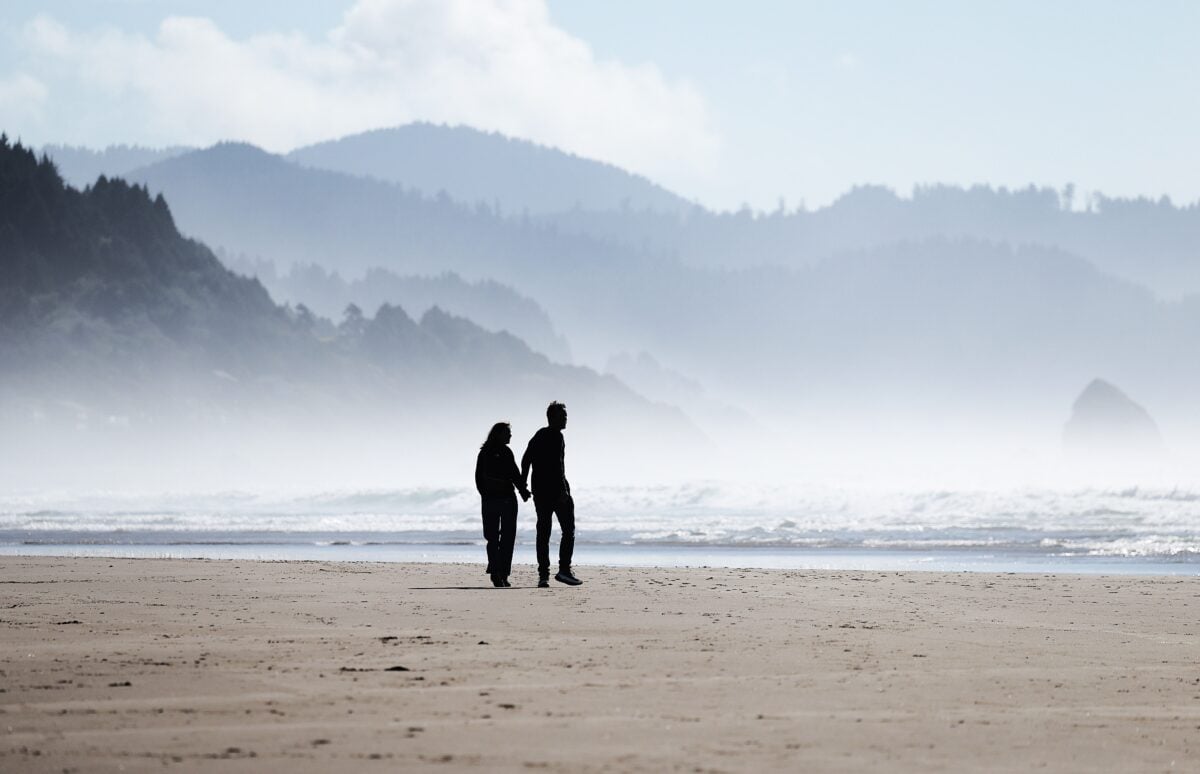
Why this Oregon Coast hike stands out
Some coastal hikes give you a nice view and call it a day. The John Dellenback Dunes Trail does a little more work for its payoff. It runs through a section of the Oregon Dunes National Recreation Area, which spans more than 31,000 acres across 42 miles of coastline, and it ends at a beach that is far calmer than the broad, easy-to-reach sand strips most visitors picture when they think of the Oregon Coast.
That matters because this is not just another walk to the water. The trail threads through forest, wet lowland, and moving dunes before opening onto the Pacific. It is a good example of how Oregon’s south coast works as a landscape, not just as a postcard. The coast here is shaped by wind, sand, and water in a way that keeps changing the ground under your feet. The U.S. Forest Service describes the route and its access rules on its public trail information, and the broader recreation area has its own official overview through Siuslaw National Forest. If you want a wider sense of how the region fits together, the coast also rewards detours into the prettiest trails roundup style of trip planning, where one hike leads to a better understanding of the whole area.
What the trail is, and where it sits
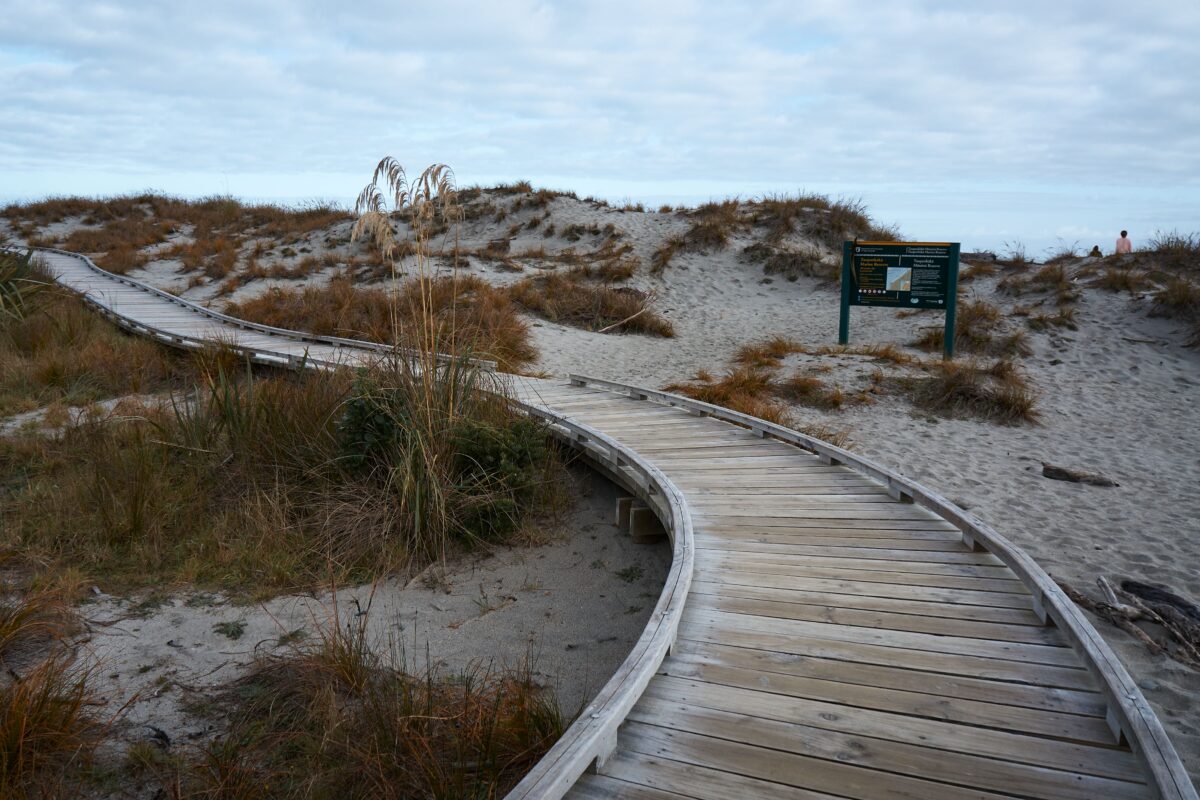
The trail is about 5 miles long and sits inside Siuslaw National Forest. The source material notes that it is the longest of its kind on the Oregon coast and that the larger dunes area is the biggest stretch of sand dunes in North America. The trail was formerly called the Umpqua Dunes Trail and later renamed for former Oregon Congressman John Dellenback, who helped support the establishment of the recreation area in 1972.
That history gives the hike a slightly different feel from a simple scenic detour. The dunes are not just a natural feature people happened to wander into. They are a protected and actively managed landscape, which is why motorized vehicles are allowed elsewhere in the recreation area but not here. This trail is set aside for foot traffic, and that choice shapes the whole experience.
| Trail detail | What the source says |
|---|---|
| Location | Oregon Dunes National Recreation Area, within Siuslaw National Forest |
| Length | About 5 miles |
| Setting | Forest, swamp and marsh, then large dunes and beach |
| Access | Day-use area, small parking lot, picnic area, restrooms |
| Entry | Small entrance fee, or a Northwest Forest Pass, or America the Beautiful annual pass |
What you actually walk through
The trail’s value is in the way it changes character as you move. The first stretch runs through coastal forest with conifers and plants such as salal, evergreen huckleberry, rhododendron, Douglas firs, madrones, and manzanitas. Then the route crosses a low swampy area described as the deflation plain, where beach grass and other plants can hold water after heavy rain. After that comes the big shift, the oblique dunes, which the source says are found only in Oregon and can rise 200 feet or more above the sea.
That mix is why the hike feels more varied than the average beach approach. You start in cover, move into wetter open ground, and then get the full force of the dune system itself. If you like a landscape that shows its geology instead of hiding it, this one gives you a pretty honest look. The same kind of terrain logic shows up in other trail systems too, from mountain bike projects at Lake Thunderbird to long backcountry routes where the ground decides the rhythm more than the signage does.
Two ways to start, and why planning matters

The trail can be accessed from two points. One trailhead sits along Highway 101 and includes an additional half-mile interpretive section. The other starts from Eel Creek Campground. Once on the route, colored markers on wooden posts help guide hikers, and the source material notes that it is wise to download a map ahead of time from the Forest Service website.
That is sensible advice. Dunes can make distance feel slippery. A route that sounds straightforward on paper can become more confusing once wind, shifting sand, and low visibility enter the picture. The official guidance also says visitors should pay attention to tide schedules and stay on the highest ground in flood-prone periods. That is the kind of practical detail that sounds boring until it keeps you from having a very memorable afternoon for the wrong reason.
What to know before you go
- The trail is open year-round.
- There is a small day-use parking area with restrooms and a picnic area.
- An entrance fee may apply unless you use a Northwest Forest Pass or America the Beautiful annual pass.
- Beach access is limited from March 15 to September 15 to protect western snowy plover nesting season.
- The beach is still relatively quiet outside that window because the hike itself filters out a lot of casual foot traffic.
- Conditions can change quickly, especially with wind, steep dune slopes, and shifting sand.
The western snowy plover restriction is worth flagging because it affects how and when you can move onto the beach. That kind of seasonal protection is common on sensitive coastal habitat, and it is one reason Oregon’s more remote beaches can stay healthier than the easy-access spots that get hammered by summer crowds.
Why the beach feels so different at the end
The destination is described as a wide stretch of remote ocean beach, and that is the point of the whole walk. You do the work of crossing the dunes, and the coast pays you back with space. The source notes that hikers can continue south for another two miles to Tenmile Creek, which gives the route a little extra room if you still have energy and the weather is cooperating.
That last part is important. This is a hike that rewards patience, not speed. The scenery unfolds in layers, and the beach at the end is better understood as the final scene in a longer natural sequence than as a standalone attraction.
| If you are deciding whether this hike fits | Helpful read |
|---|---|
| Want a straightforward beach walk | Probably not the right choice |
| Want variety in terrain | Yes, this is one of the trail’s biggest strengths |
| Want a quieter coast finish | That is exactly what makes it appealing |
| Need easy, flat terrain | Expect a more demanding outing |
The nearby context makes the route even more interesting
The source material also points to nearby coastal bases like Reedsport and Coos Bay, plus Tenmile Lake for more outdoor recreation. That helps place the trail in the broader south-coast travel pattern. This part of Oregon is not just about one beach or one viewpoint. It is a region where forest, dunes, fishing water, and small towns sit close together, and travelers can stitch a trip together from several distinct landscapes without driving huge distances between them.
For a bigger planning picture, it helps to keep in mind that the Oregon coast is long, varied, and exposed to the Pacific. Conditions can change by season, by tide, and by wind. The dunes are a reminder that here, the ground itself is always in motion. If you want a hike that shows that plainly, John Dellenback is a strong candidate. And if your trip is part of a broader road journey, it is the same logic that makes timing matter for transport-heavy plans like a sold-out rail event weekend, except here the moving piece is sand, not timetables.
And if you do go, bring the map, respect the plover closure, and leave room in your schedule. The trail sounds like a simple 5-mile outing. On the ground, it is a small lesson in how coastal Oregon actually works.
