
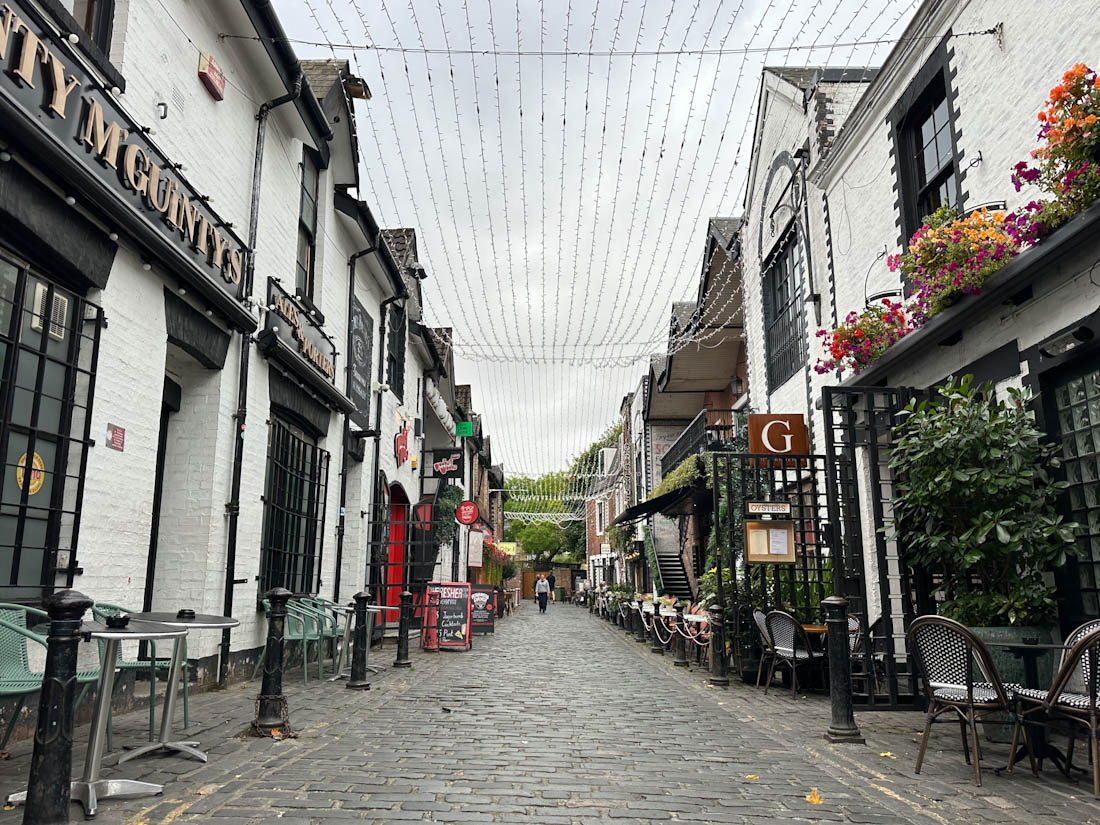
Glasgow remains larger than Edinburgh by city-council population, but Edinburgh has generally expanded faster over the long term. The gap is sizeable, although it changes depending on whether you compare council boundaries or the wider built-up urban areas.
For a live side-by-side view, use the Glasgow and Edinburgh population comparison tool, then change the selected areas to test council, regional and other Scottish comparisons. That boundary choice is not a minor technicality in the Glasgow vs Edinburgh debate. It can completely alter the apparent scale of the two cities.
Glasgow Vs Edinburgh Population at a Glance
The clearest like-for-like starting point is the local-authority area: Glasgow City Council and the City of Edinburgh Council. National Records of Scotland figures reported for 2016 put Glasgow City at 615,070 people and Edinburgh at 507,170 people.
Glasgow’s city population subsequently reached 631,970 in 2023, according to the city-population series published by Understanding Glasgow. That same series identifies Glasgow as the largest of Scotland’s selected cities throughout 1991 to 2023.
| Measure | Glasgow | Edinburgh |
|---|---|---|
| City-council population, 2016 | 615,070 | 507,170 |
| Population trend, 1991 to 2023 | Fell 10% from 1991 to 2006, then rose 11% from 568,460 in 2006 to 631,970 in 2023 | Rose 20% across the period |
| Census change, 2011 to 2022 | Up 4.6% | Use the comparison tool for the matching area and measure |
| Older official 2032 projection cited in 2018 | 648,003 | 563,576 |
| Wider urban-area estimate cited in 2018 | 992,000 | 507,200 |
Do not mix these rows without checking the geography. A council area is an administrative boundary, while a built-up urban area follows the physical city. Glasgow’s council boundary excludes many places that function as part of its wider metropolitan area, including large parts of the surrounding Clyde conurbation.
Why Glasgow’s Lead Looks Different on Different Maps
Glasgow City Council covers a compact area relative to the economic reach of the city. Understanding Glasgow puts the Greater Glasgow and Clyde population at 1.2 million, while a broader West of Scotland definition that includes Lanarkshire and parts of Ayrshire exceeds 2 million.
Edinburgh’s council boundary also contains suburban and rural land, but it aligns more closely with the capital’s visible urban footprint. Comparing only council totals is useful for public services, elections and local planning. It is less useful for answering which city has the bigger commuting zone, labour market or continuous built-up area.
That is why arguments about Edinburgh overtaking Glasgow often go nowhere fast. Two people can cite valid figures while describing entirely different geographies. A city rivalry is hard enough without arguing over the ruler.
Long-Term Growth: Edinburgh Has Grown Faster
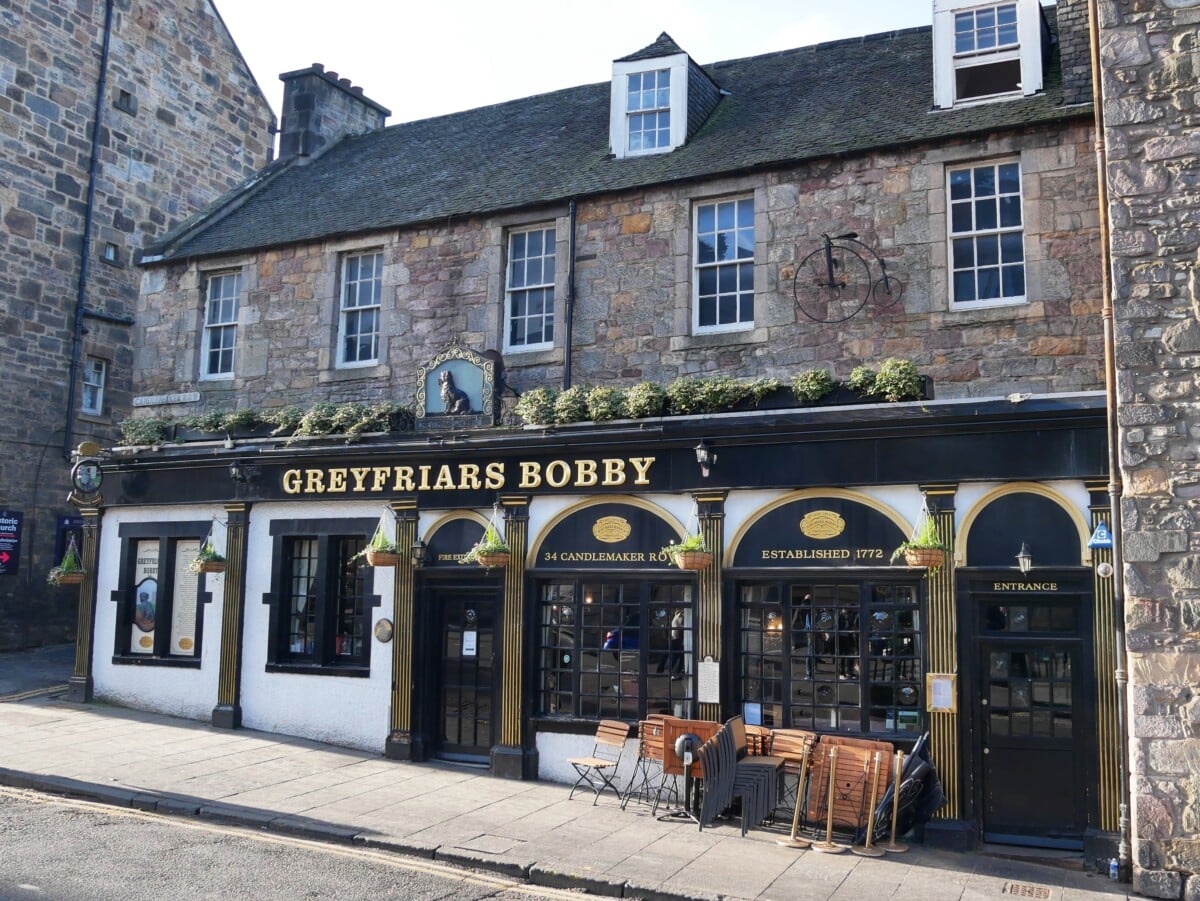
Edinburgh’s population increased by 20% between 1991 and 2023 in the selected-city series. Glasgow followed a different path: its population declined through the 1990s and early 2000s, then recovered strongly after 2006.
Glasgow added more than 63,000 people between 2006 and 2023, rising from 568,460 to 631,970. That recovery matters because Glasgow had spent decades losing residents after its early-20th-century peak, when more than one million people lived within a much denser city.
Edinburgh’s growth has been steadier. Earlier National Records of Scotland projections expected Edinburgh to grow more quickly than Glasgow as a percentage, while still leaving Glasgow ahead in absolute city-council population.
Migration and Annual Change Need the Right Dataset
Migration is the part of this comparison that changes most quickly. Annual population estimates can move with international arrivals, moves from elsewhere in the UK, moves between Scottish council areas, births and deaths. Census results are invaluable, but they are snapshots taken years apart and cannot answer every latest-year migration question by themselves.
National Records of Scotland previously described Edinburgh’s growth as being driven by net migration, including people arriving from elsewhere in the UK and overseas. It also cautioned that migration is particularly difficult to project far ahead.
The supplied census and historical material does not provide a matching, latest-year set of annual international-migration totals and moves to other Scottish council areas for both cities. It would be misleading to attach an unsupported annual figure to either Glasgow or Edinburgh. Use the population and migration explorer to select the same year, geography and flow type before deciding which city led on international migration, overall annual change or moves within Scotland.
How To Read a Migration Comparison
- Check the year first. A census-period change and a one-year estimate are measuring different periods.
- Separate international and domestic moves. A city can gain residents from abroad while losing residents to other parts of Scotland.
- Use the same boundary for both cities. Glasgow City and Greater Glasgow are not interchangeable labels.
- Keep natural change in view. Population growth is not migration alone.
Age Structure and Density
Scotland’s Census reported that Glasgow City’s 2011 to 2022 population increase was mainly among people aged 15 to 64. This is a useful reminder that the headline total does not show who is driving change, or how demand may shift for schools, housing, transport and health services.
A directly comparable Edinburgh age breakdown is needed before making a firm claim about which city is younger, older or gaining working-age residents faster. The same caution applies to density. Density requires both a population count and a consistent land-area definition, especially in cities with very different municipal boundaries.
For a practical comparison, use one geography throughout: city council for local government questions, or a consistent urban-area definition for the scale of the cities people experience day to day.
What the 2032 Projections Actually Said
A 2018 account of National Records of Scotland projections put Glasgow City at 648,003 people in 2032 and Edinburgh at 563,576. On those figures, Edinburgh would grow faster in percentage terms but would remain smaller.
Those numbers should be treated as historical projections, not a promise. Population projections are scenarios based on assumptions, and migration assumptions can age badly after economic, policy or housing-market changes. They remain useful for understanding the scale of the gap that planners were discussing at the time.
The longer-range projection cited then placed Glasgow at 658,978 and Edinburgh at 583,135 by 2041. Edinburgh City Council leaders argued that the capital needed to plan for substantially more growth, but the official projection still kept Glasgow ahead.
What This Comparison Tells You
Glasgow is still the larger city on the standard council-area measure and overwhelmingly larger when a broad metropolitan definition is used. Edinburgh has posted stronger long-run percentage growth, which helps explain why housing supply, infrastructure and development capacity are persistent issues in the capital.
Glasgow’s post-2006 recovery is also substantial. Its 2022 census increase was concentrated mainly among working-age residents, while its larger regional footprint makes the city’s influence much wider than the Glasgow City Council boundary suggests. People choosing a base can pair the numbers with this Glasgow travel guide for a more practical feel for the city.
If you are comparing the two for research, relocation or planning, avoid treating one population total as the final word. Pick the measure that fits the question, then use the Scotland population and migration explorer to change the selected areas and inspect the matching data. For trips beyond either city, a Scotland road trip can also make clearer how quickly the urban areas give way to very different parts of the country.
Glasgow Vs Edinburgh Population FAQ
Is Glasgow bigger than Edinburgh?
Yes. Glasgow had 615,070 residents within its council boundary in 2016, compared with 507,170 in Edinburgh, and Glasgow’s city population was 631,970 in 2023.
Has Edinburgh grown faster than Glasgow?
Over the long term, yes. Edinburgh’s population rose 20% between 1991 and 2023 in the selected-city series, while Glasgow first declined and then recovered after 2006.
Will Edinburgh overtake Glasgow by 2032?
The National Records of Scotland projection cited in 2018 did not show an overtake. It projected 648,003 people in Glasgow City and 563,576 in Edinburgh in 2032.
Why do Glasgow population figures vary so much?
Glasgow City Council is smaller than the wider urban and metropolitan area. A 2018 urban-area comparison placed Glasgow at 992,000 people, illustrating how much population sits beyond the council boundary.
Is population growth the same as migration growth?
No. Population change also reflects births and deaths. Migration comparisons need a matching year, geography and flow type, such as international arrivals or moves from other Scottish council areas.