
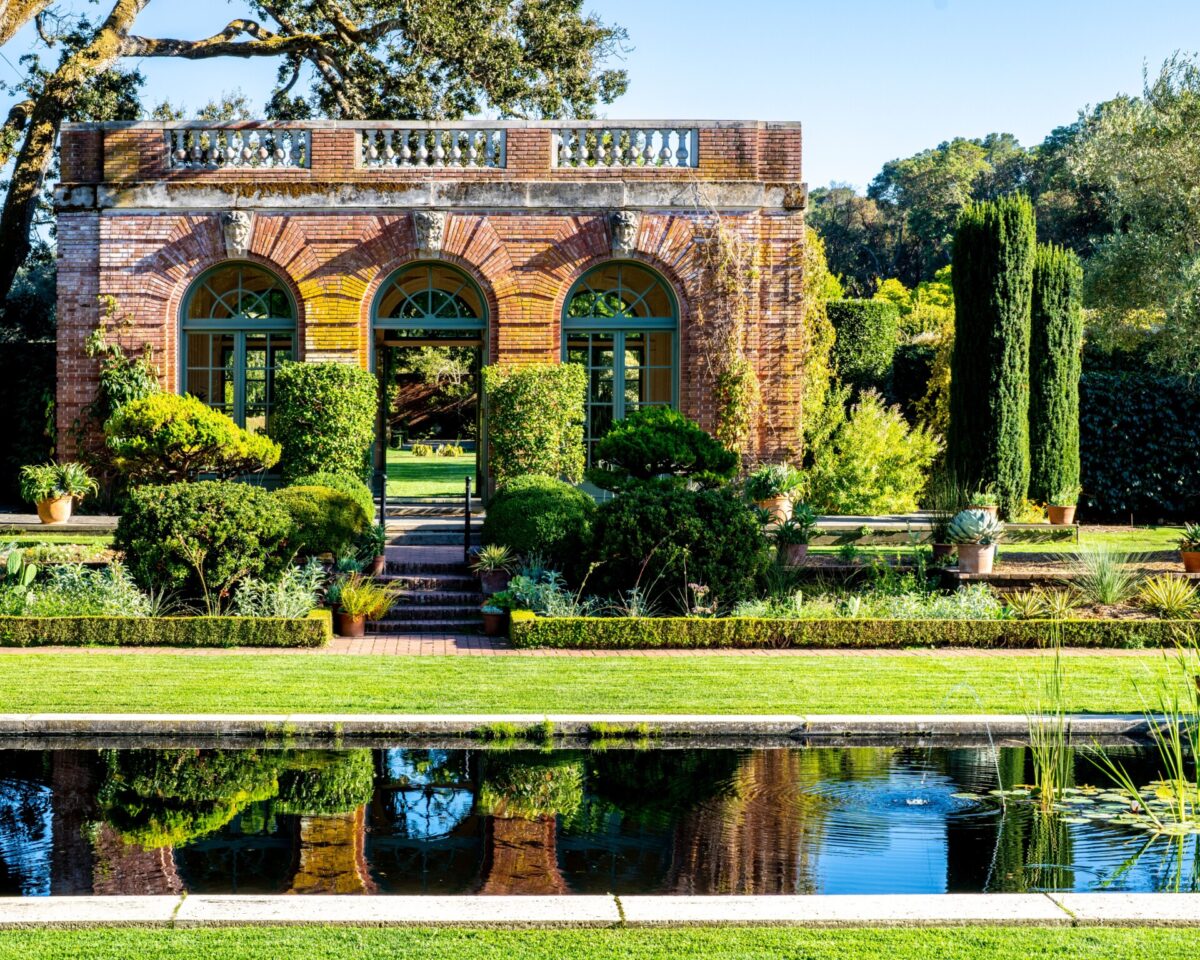
Filoli Historic House & Garden is worth visiting for its rare combination of a grand 1917 estate, 16 acres of formal gardens, and extensive Natural Lands in Woodside, California. It works especially well as a half-day outing for people who want architecture, horticulture, and an easy dose of Peninsula scenery in one stop.
The site sits at 86 Cañada Road in Woodside, roughly 25 miles south of San Francisco. Filoli is owned by the National Trust for Historic Preservation and operated as a nonprofit public site, so the experience goes well beyond peering at an old house and leaving after 20 minutes. Garden fans planning a wider California trip can also browse these beautiful botanical gardens in the USA.
Allow at least two to three hours if you want time for the House, the garden rooms, and one of the Natural Lands trail loops. Trying to squeeze all three into a quick stop is a reliable way to spend the day power-walking past roses.
What Makes Filoli Historic House & Garden Special?
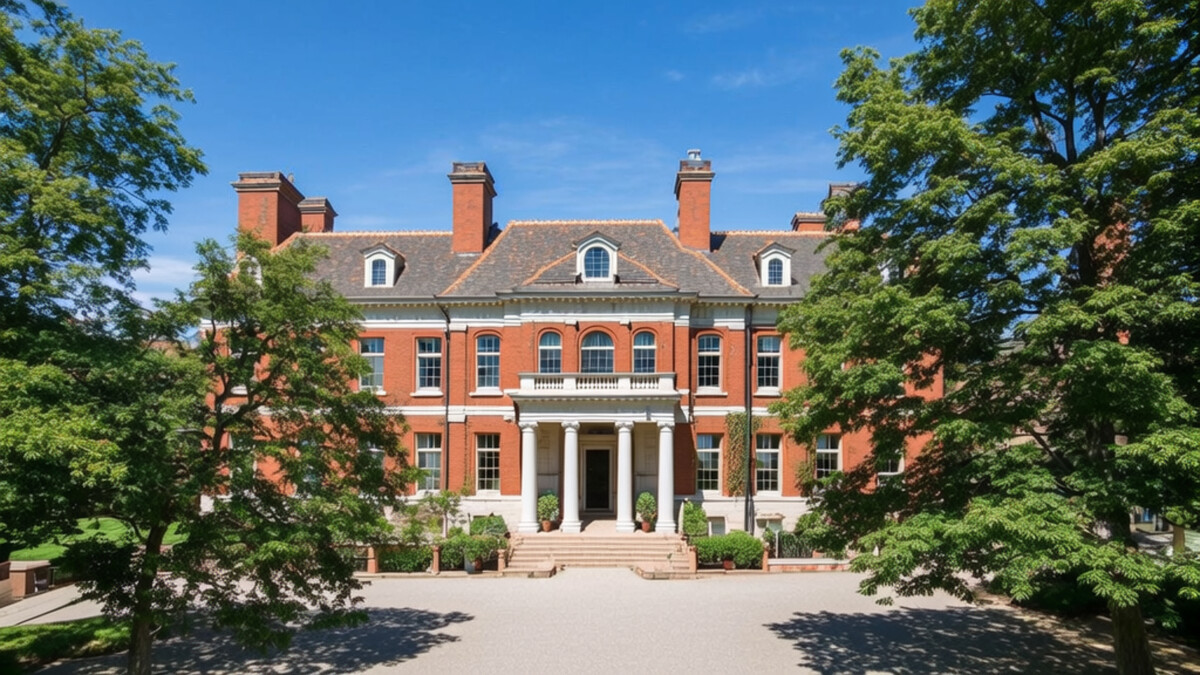
Filoli began as the country estate of William Bowers Bourn II and Agnes Moody Bourn. San Francisco architect Willis Polk designed the Georgian Revival house, which was constructed between 1915 and 1917. Filoli says the House was completed in 1917 after a three-year build, and the National Trust describes it as a mansion of more than 54,000 square feet.
The Bourn-Roth Estate is listed on the National Register of Historic Places and is also a California Historical Landmark. It opened to the public in 1975, according to the National Trust for Historic Preservation. That public-facing role is important: Filoli remains a historic property, but it also hosts exhibitions, garden programming, family activities, and seasonal events.
Its name is often explained through William Bourn’s credo: “Fight for a just cause; Love your fellow man; Live a good life.” The phrase is part of Filoli’s identity, though the estate itself is more complicated and more interesting than a slogan. It reflects early 20th-century wealth, California architecture, designed landscapes, and the changing work of preserving a large historic property for public use. People drawn to places that make American history feel tangible may also enjoy these U.S. historic trails.
Start With the Historic House
The House is the logical first stop for anyone visiting Filoli Historic House & Garden for the first time. Polk used a Georgian Revival approach while incorporating California-friendly elements such as tiled roofs. The result feels formal without looking like it was airlifted directly from an English country lane.
Inside, pay attention to the scale of the rooms and the way the interiors relate to the terraces and garden views outside. The House was originally conceived as a private “country place,” but its size tells a more expansive story. Filoli reports that construction cost $425,000 at the time, excluding the Garden and auxiliary buildings.
Check the official Filoli visit information before leaving home for the day’s House access, ticket requirements, and any exhibition-specific rules. Seasonal programming can change the route through the rooms or add activities across the estate.
How To Explore the 16-Acre Garden
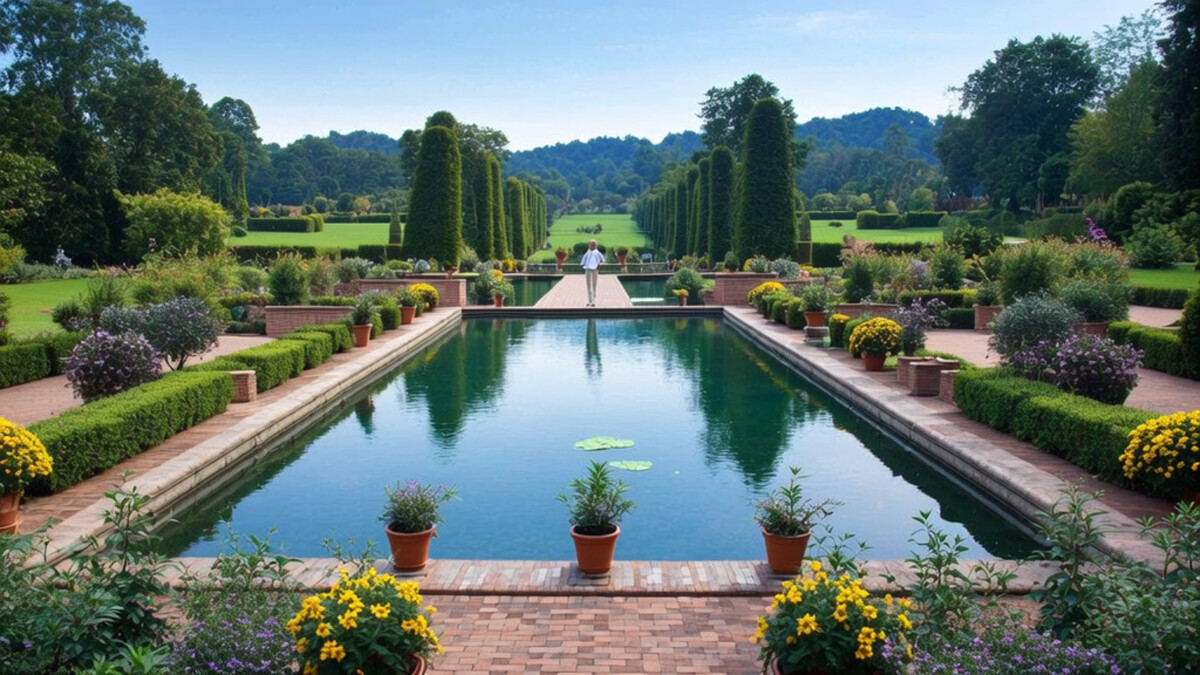
The Garden is the heart of a Filoli visit. Its 16 acres are arranged in a formal English Renaissance-inspired design with terraces, yew-lined walks, flowerbeds, and distinct garden rooms. You do not need specialist plant knowledge to enjoy it, although people who can identify a dahlia at 20 paces will have a fine time.
Landscape designer Bruce Porter collaborated with the Bourns on the original garden plan, while horticulturist Isabella Worn developed planting plans and original color schemes. The garden was laid out in the years after the House was completed, and its structure still gives the grounds a strong sense of sequence: paths lead somewhere, walls frame views, and open lawns provide breathing room between more detailed planting areas.
Garden Areas To Prioritize
- The Knot Garden is a useful anchor point when exploring the formal grounds. Filoli’s Dahlia Garden sits next to it, making this area a strong choice during dahlia season.
- The Production Garden is where Filoli has highlighted bigleaf hydrangeas near the Woodland Garden gate. It is a reminder that the estate’s planting is not limited to clipped formality.
- The Ballroom Terrace pathway has featured Daphne ‘Eternal Fragrance,’ a plant known for continuing to bloom into summer. Slow down here for the scent, not just the photographs.
- The Garden’s rose, sunflower, zinnia, and dahlia displays give summer its strongest color, according to Filoli’s seasonal bloom updates. Exact bloom timing depends on weather and maintenance, so treat any planting calendar as a guide, not a contract.
For a calmer visit, begin with the outdoor areas and save the House for later. For a more structured history-first outing, reverse that order. Both work, and neither requires a clipboard.
Do Not Skip the Natural Lands
Filoli’s Natural Lands cover more than 650 acres beyond the formal Garden. The National Trust lists 654 acres for the estate and describes a nature preserve with eight miles of hiking trails; Filoli highlights two hiking trail loops and six distinct ecosystems.
This contrast is one of the site’s best features. The Garden is deliberately composed, while the Natural Lands offer a less formal California landscape with redwoods, trails, and orchard areas. Bring the shoes you would choose for a real walk, not the pair reserved for standing beside a fountain.
The 6.8-acre Gentleman’s Orchard is part of the broader landscape described by the National Trust. In autumn, Filoli opens the orchard for seasonal fruit and fall color programming. Confirm trail conditions, access, and event details directly with Filoli before a planned hike, particularly after wet weather or during special events.
How Much Time and Planning Does Filoli Need?
Plan for a two- to three-hour visit as a practical minimum. That is enough time to tour the House at a measured pace, wander the main Garden, browse the Clock Tower Shop, and take a short look at the Natural Lands. Add more time if you intend to hike or attend a ticketed program such as Summer Nights, Fleurs de Villes, or a seasonal exhibition.
Filoli and the National Trust list regular public hours as 10 a.m. to 5 p.m. daily. Because special events, private functions, and seasonal programming can alter access, confirm the date-specific schedule and admission options before you drive to Woodside. Admission prices are not quoted here because they can change by date, event, and ticket type.
Filoli offers grab-and-go food through Epicurean Group and shopping at the Clock Tower Shop, making it possible to stay on-site for most of a visit. If you are meeting friends, choose a clear rendezvous point before splitting up. The house, terraces, garden rooms, and trail areas make “I’m near the flowers” impressively unhelpful.
Best Times To Visit Filoli
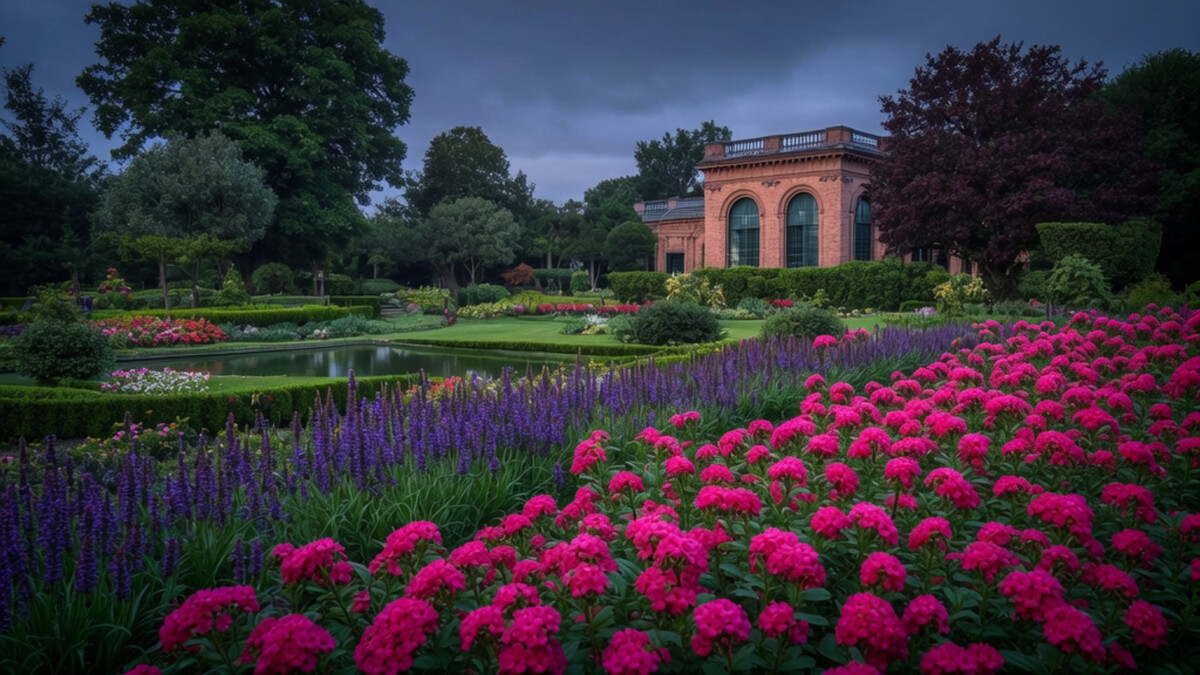
Spring and summer are the easiest seasons for visitors focused on blooms, while autumn adds orchard interest and fall color. Filoli’s summer bloom notes have included sunflowers, zinnias, dahlias, roses, hydrangeas, red-flowered buckwheat, and fragrant daphne.
Winter can be a better fit for people who prefer architecture and garden structure over peak floral color. The clipped hedges, terraces, paths, and the House’s exterior do not disappear when the showier flowers take a break.
Families should look for Filoli’s changing programs before booking. The estate has presented family-oriented installations such as Creating Home, along with interactive activities and outdoor performances. Those offerings are seasonal, so the official calendar is the only sensible place to verify what will be running on a particular date. For another California garden day out with a different atmosphere, see San Diego’s Japanese Friendship Garden.
Is Filoli Good for Families?
Yes. Filoli is a strong family option when the plan includes both the Garden and the Natural Lands. The formal paths provide clear routes for a slower stroll, while the trails and changing family programming offer more room to move.
Set expectations before entering the House. Historic interiors are best handled at a calm pace, while the garden and trail portions are better places for children who have reached their maximum daily capacity for looking at antiques.
Practical Tips for a Better Visit
- Reserve or verify admission in advance, especially when an exhibition or evening event is scheduled.
- Use the address 86 Cañada Road, Woodside for navigation and allow extra time for the final approach rather than treating it like a downtown museum stop.
- Choose footwear based on your plan. House-and-garden browsing and Natural Lands hiking are different outings, even when they share a ticket.
- Prioritize one main goal: the House, seasonal blooms, a trail loop, or a special event. You can see a great deal in one visit, but the estate rewards a little pacing.
- Check the official Filoli calendar for seasonal programs, accessibility details, food service, trail updates, and the day’s operating information.
Frequently Asked Questions About Filoli Historic House & Garden
Where Is Filoli Historic House & Garden?
Filoli Historic House & Garden is at 86 Cañada Road in Woodside, California, about 25 miles south of San Francisco. The estate lies on the eastern slope of the Santa Cruz Mountains near Crystal Springs Reservoir.
How Old Is the Filoli House?
The Filoli House was built between 1915 and 1917 and completed in 1917. It was designed by San Francisco architect Willis Polk for William Bowers Bourn II and Agnes Moody Bourn.
How Large Is Filoli?
Filoli includes a 16-acre formal Garden and an estate of 654 acres, according to the National Trust for Historic Preservation. The site also includes more than 650 acres of Natural Lands, a Gentleman’s Orchard, and hiking trails.
How Long Should I Spend at Filoli?
Allow two to three hours for the historic House, formal Garden, and a brief look at the Natural Lands. Plan longer if you want to hike, attend a seasonal event, or spend unhurried time in the garden rooms.
Is Filoli Open Every Day?
Filoli and the National Trust list regular hours of 10 a.m. to 5 p.m. daily. Check Filoli’s official schedule before visiting because special events and seasonal programming can affect access.
Final Thoughts
Filoli succeeds because it gives you several different ways to spend the same afternoon. You can study Willis Polk’s architecture, follow the geometry of the formal Garden, take in a seasonal installation, or head toward the redwoods and trails. Few historic estates offer that range without asking you to leave the property halfway through.
For first-time visitors, start with the House and Garden, then leave enough energy for the Natural Lands. The polished terraces are memorable, but the broader landscape is what makes Filoli Historic House & Garden feel like a full place rather than a handsome backdrop.